Are sigma sections always stronger? Examining a common assumption

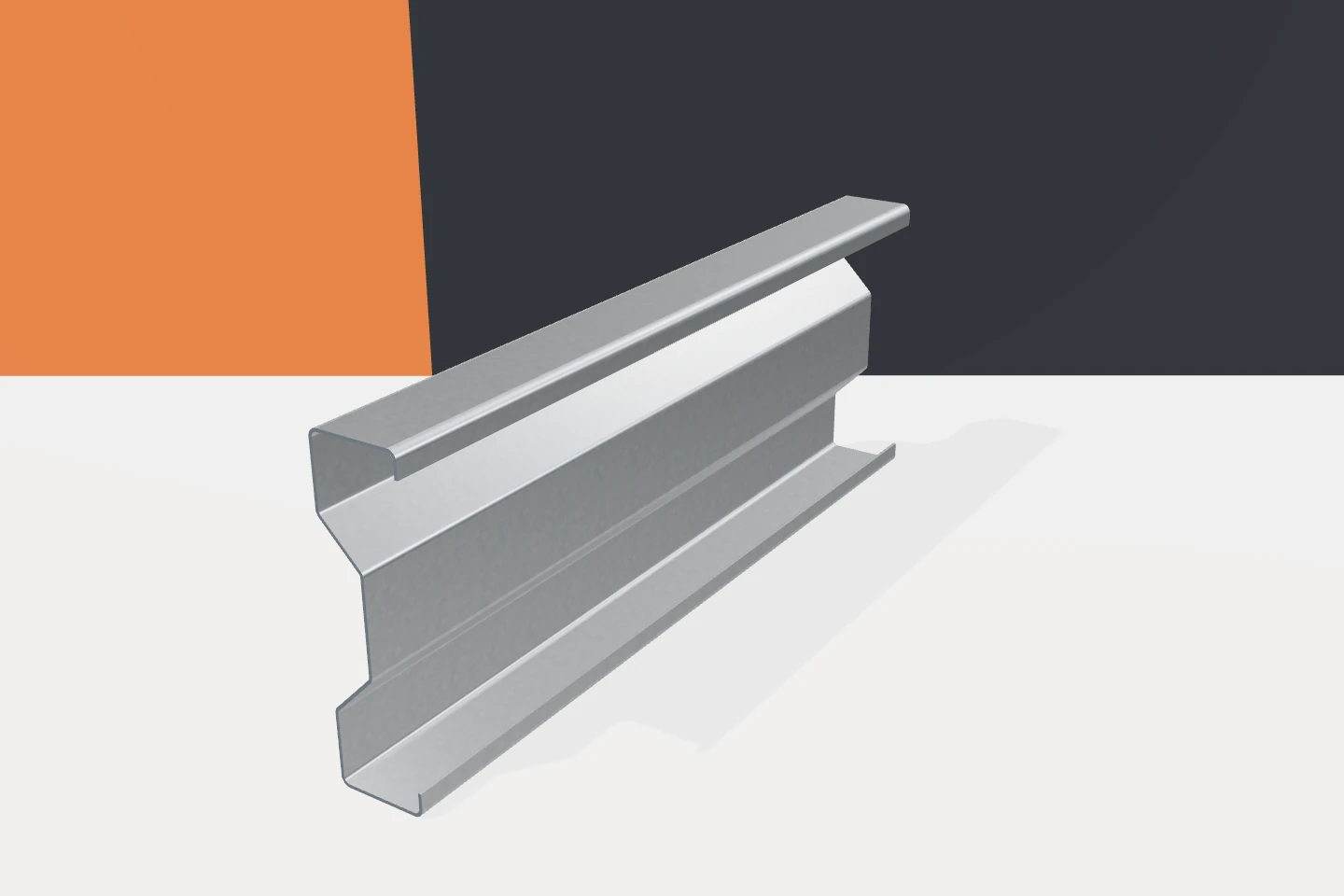
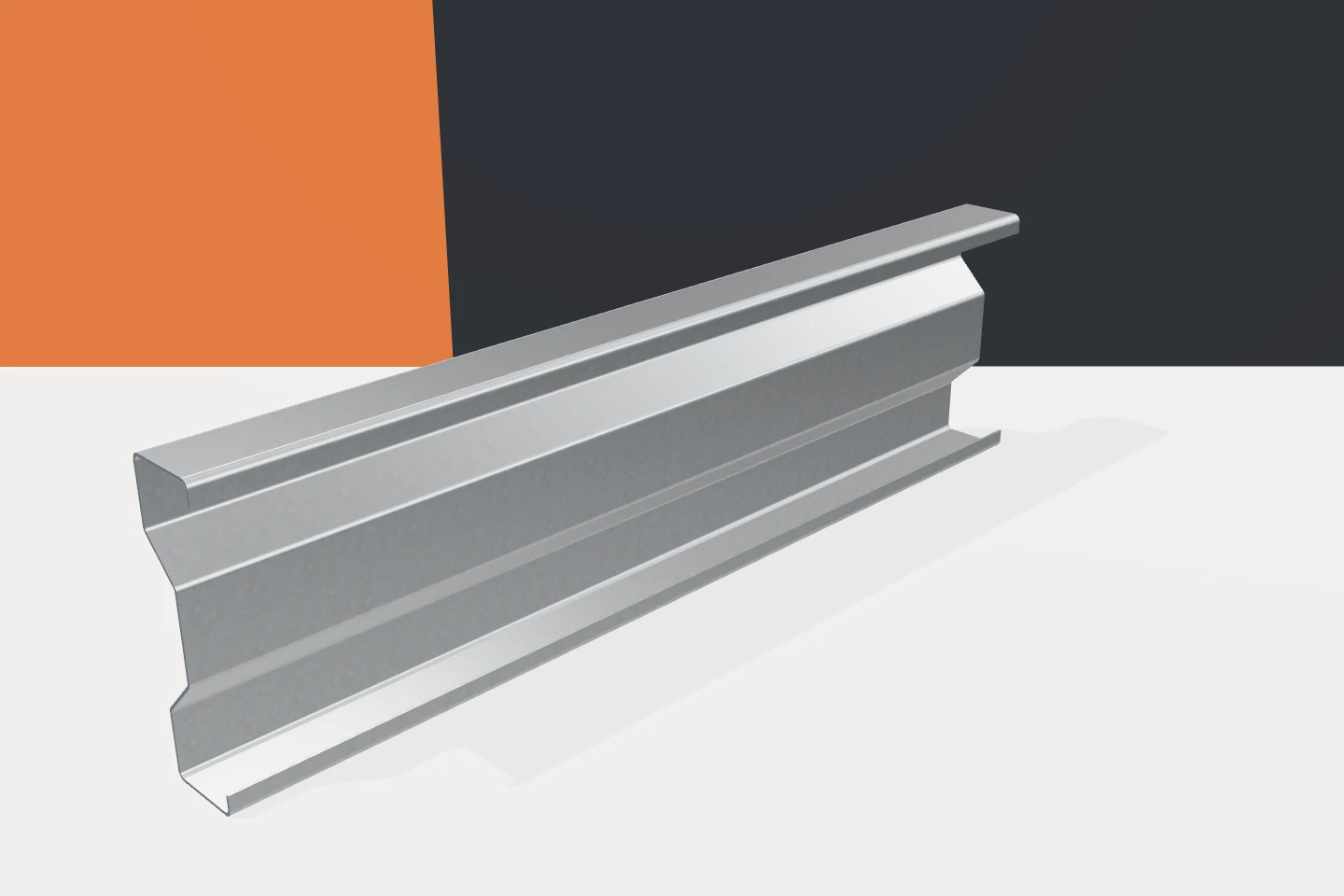
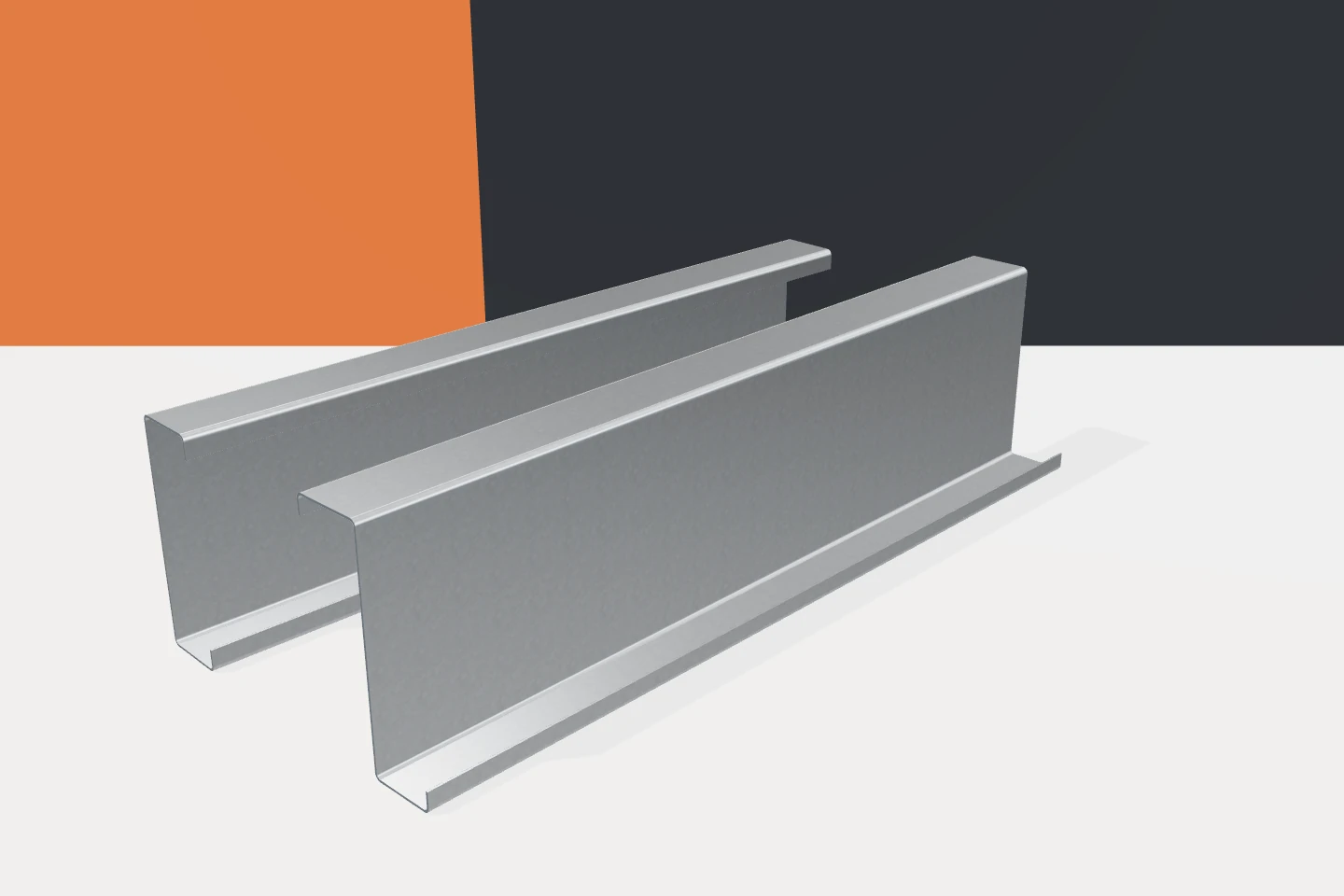
Sigma profiles attract attention thanks to their distinctive web. Several bends distinguish them from simpler C and Z sections. This is where the belief comes from that sigma must be the strongest choice. Such a conclusion goes too far. Cold-formed profiles are assessed for a specific task. Geometry can help, but the outcome is also determined by dimensions, steel, length, support and connections. A flat, thin wall has a certain susceptibility to deformation. Introducing bends changes its shape and working conditions. In sigma profiles, the middle part of the section does not lie in a single plane over the full height. This distinguishes it from the simple web of a channel. The solution allows the profile's properties to be shaped without reducing the whole task to increasing sheet thickness.
By |2026-11-15T19:30:40+01:002026-10-14|Building academy|Comments Off on Are sigma sections always stronger? Examining a common assumption

Z, C, sigma and omega steel sections: what does the shape tell you?

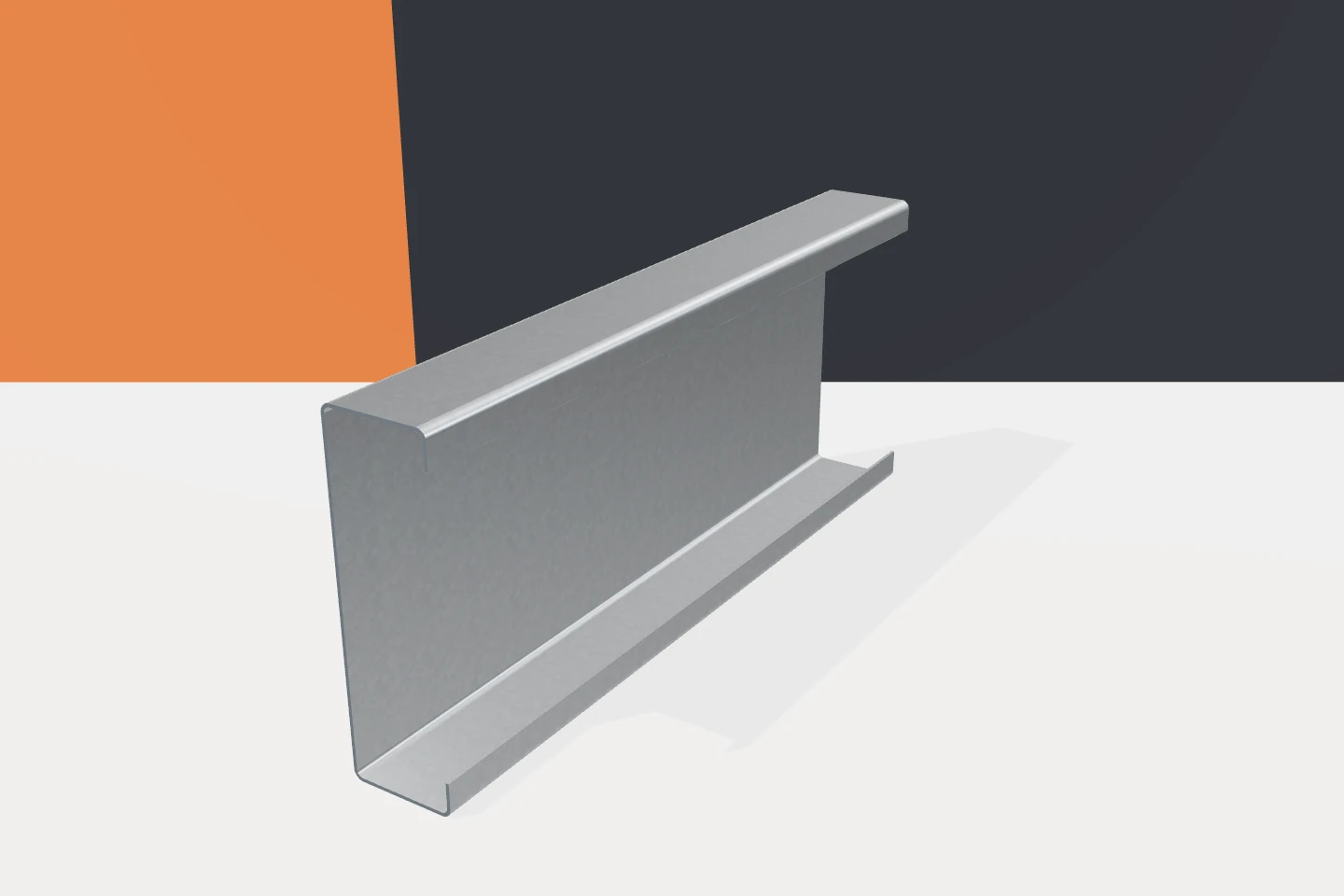
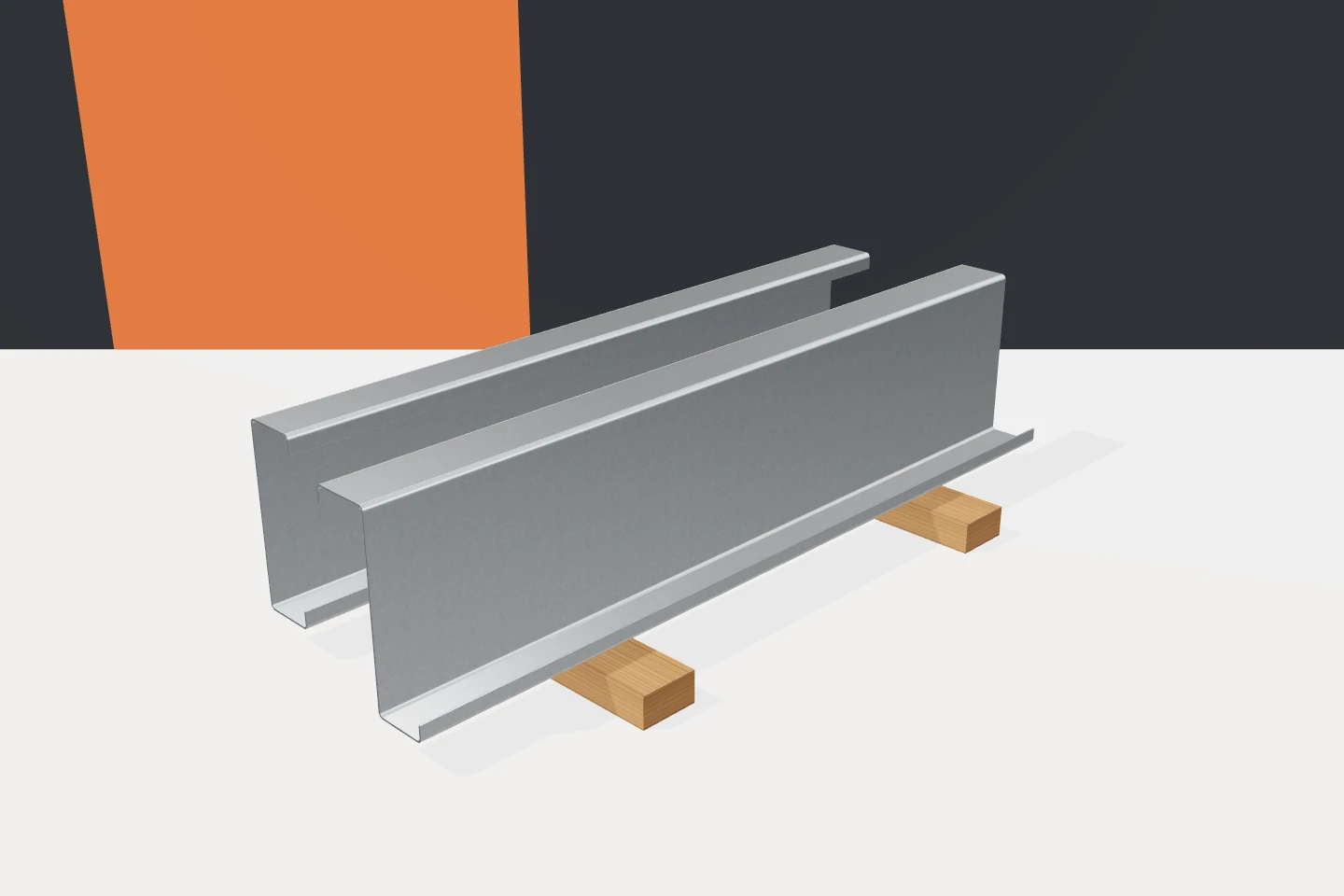
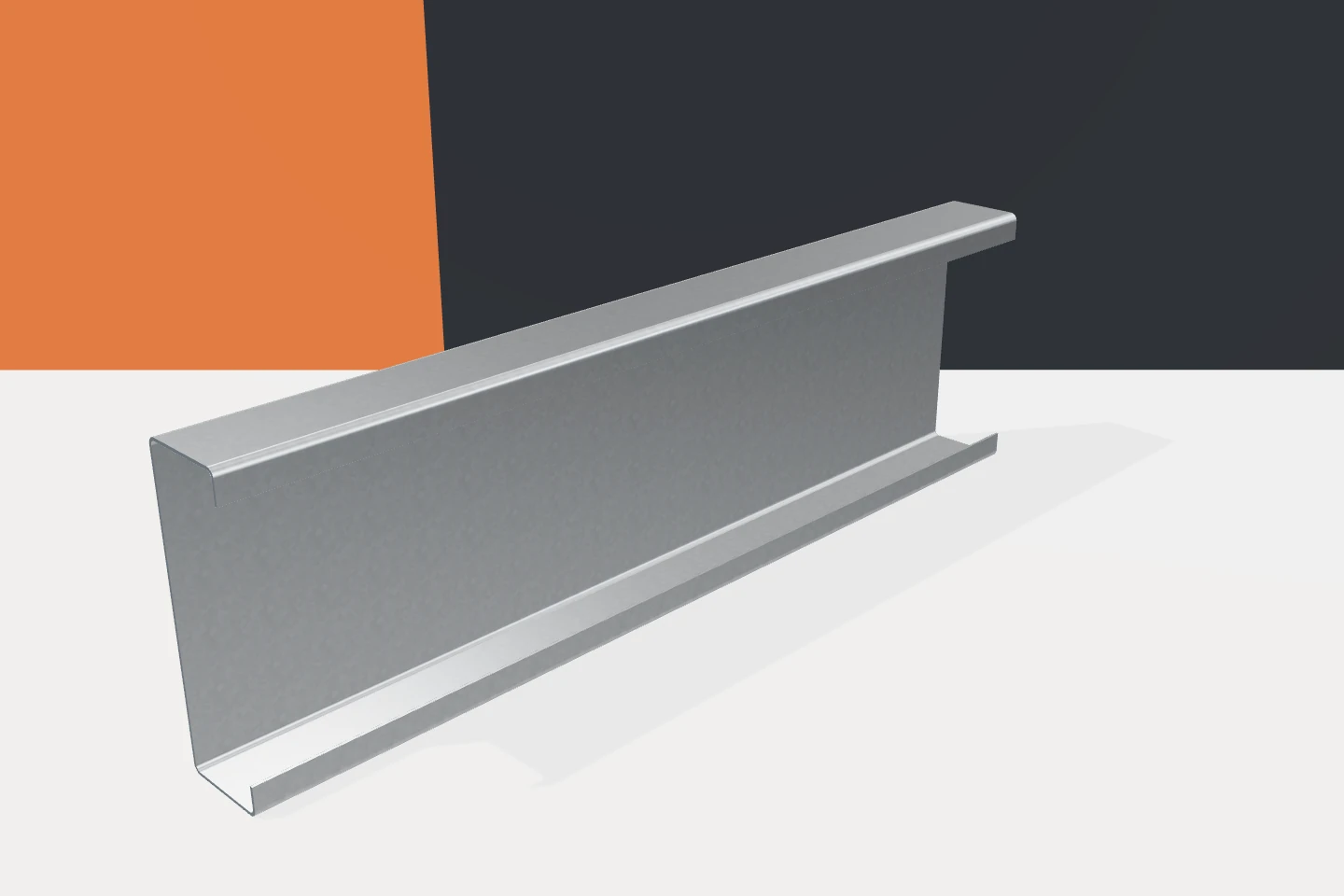
Cold-formed profiles are easy to recognise by their cross-section. It is harder to judge from this what a specific element is suitable for. Z-purlins, C-sections, sigma and omega profiles can have a similar length and a silver surface. Nevertheless, they behave differently under load. The letter in the name helps to organise the range, but does not replace technical data. It is worth knowing where the description of appearance ends and structural selection begins. Cold-formed profiles are produced by shaping a strip of sheet steel. Successive bends form the web, flanges and any stiffeners. It is not just about giving the element an attractive appearance. The distribution of steel in the cross-section affects its stiffness. A flat strip and a section formed from it do not perform in the same way. This allows galvanised profiles to serve as lightweight structural elements.

By |2026-11-15T04:22:10+01:002026-08-13|Building academy|Comments Off on Z, C, sigma and omega steel sections: what does the shape tell you?

A hole in a profile is no small matter. How do connections affect the structure?

A bolt is small compared with a purlin several metres long. Nevertheless, it is around the bolt that forces pass from one element to another. Cold-formed profiles therefore require carefully designed connections. This applies both to roof z-purlins and to wall channel sections. Holes, washers and intermediate plates form a system with a specific task. Randomly matching components does not guarantee that this task is fulfilled. On a structural drawing, a connection often looks like a point. In the building it consists of plates, holes and fasteners of specific dimensions. Each part has limitations. A thin web may be sensitive to local bearing or tear-out. For this reason, a strong bolt does not yet guarantee an equally strong joint. The entire load transfer path is assessed.

By |2026-11-15T19:30:45+01:002026-08-01|Building academy|Comments Off on A hole in a profile is no small matter. How do connections affect the structure?

What do purlins support in a roof structure?

Roof purlins are beams that carry other roof components, rather than acting as a direct substrate for the covering. In a timber roof structure they support the rafters, while in a steel hall they often sit directly beneath sheet metal or sandwich panels. Their section and spacing follow from calculations for the entire system. Stability, the method of connection and how the covering is fixed to the supports must also be considered. Purlins usually run along the roof, perpendicular to the slope of the pitch, and transfer loads to columns, frames or other supports.

By |2026-11-15T00:23:05+01:002025-12-12|Building academy|Comments Off on What do purlins support in a roof structure?

Timber roof framing: how the structure works and what to plan

A roof truss is a structure that transfers roof loads to the building's supports, and its layout depends on the span, roof shape and use of the attic. Before mounting the covering, check that each element and connection has a defined role and that forces are transferred to walls, floors or columns in line with the design. Changing the support layout can affect the whole structure, so design decisions should be left to the designer. Timber alone is not enough: connectors, anchors, preparation of elements and labour all count.

By |2026-11-15T00:22:28+01:002025-07-31|Building academy|Comments Off on Timber roof framing: how the structure works and what to plan

Do galvanised profiles really never rust? Facts about steel protection

The silver coating is often treated as a guarantee of durability without any conditions. That is an oversimplification that goes too far. Galvanised profiles are protected against corrosion, but how they are used still matters. This applies to Z-sections, C-sections, sigma profiles and omega profiles. Good protection is created together by the right product, the correct detail, dry delivery and subsequent inspection. The colour of the surface alone does not replace any of these elements. The zinc coating separates the steel from its surroundings and provides electrochemical protection under certain conditions. It is not an inert layer that remains the same throughout. Reactions involving air and moisture take place on its surface. The rate of change depends on the environment. Durability therefore cannot be reduced to a single period valid for all structures.

By |2026-11-15T19:30:43+01:002025-05-10|Building academy|Comments Off on Do galvanised profiles really never rust? Facts about steel protection

How much load can a cold-formed section carry? Why the answer varies

The question of a profile's load-bearing capacity seems simple. In practice, it cannot be answered with a single number without additional data. The same channel section can act as a post, a rail or a purlin. A zed profile can have a different span and different lateral support. Cold-formed profiles must be assessed within a specific arrangement. It is worth understanding what information changes the result before comparing tables or offers. A uniformly distributed load does not act the same as a single force at mid-span. The direction of the action also matters. A roof is subject to self-weight, snow and wind, not just a mass placed on top. Suction can change the sign of bending and the working conditions of the flanges. A wall rail, in turn, receives loads from the cladding and wind in a different arrangement.

By |2026-11-15T19:34:21+01:002025-05-05|Building academy|Comments Off on How much load can a cold-formed section carry? Why the answer varies

Rafter sizes and prices: what determines the timber specification?

Rafter dimensions are determined by structural calculations, not by a single universal table. Before purchase, check that the design accounts for span, timber type, support arrangement and the weight of the layers. The cross-section alone is not enough – connections and bearing points are equally important. Leave the sizing decision to the designer, who will assess load capacity and deflection. The price per metre of beam does not reflect the full cost of roof construction, so compare offers using a complete material specification and design.

By |2026-11-15T00:22:31+01:002025-03-05|Building academy|Comments Off on Rafter sizes and prices: what determines the timber specification?

A cheaper section or a cheaper structure? Comparing cold-formed steel costs

Two quotes for cold-formed profiles can differ in price even though both contain similar section names. This does not always mean a difference in margin. One may cover different material, thickness or scope of preparation. Z-sections, C-sections, sigmas and omegas should be compared against a common specification. Only then can you see where the real saving arises. The cheapest metre of profile does not necessarily lead to the cheapest finished structure. The description 'galvanised C profile' leaves many unknowns. It does not specify height, flange width, bends or thickness. Nor does it state the steel grade and type of coating. Without this information, products of unknown equivalence are being compared. A similar problem applies to Z-sections. Two items of the same height may have different weights and connection options.

By |2026-11-15T19:34:22+01:002024-09-25|Building academy|Comments Off on A cheaper section or a cheaper structure? Comparing cold-formed steel costs

Small omega sections and hat-section purlins: why they are not interchangeable

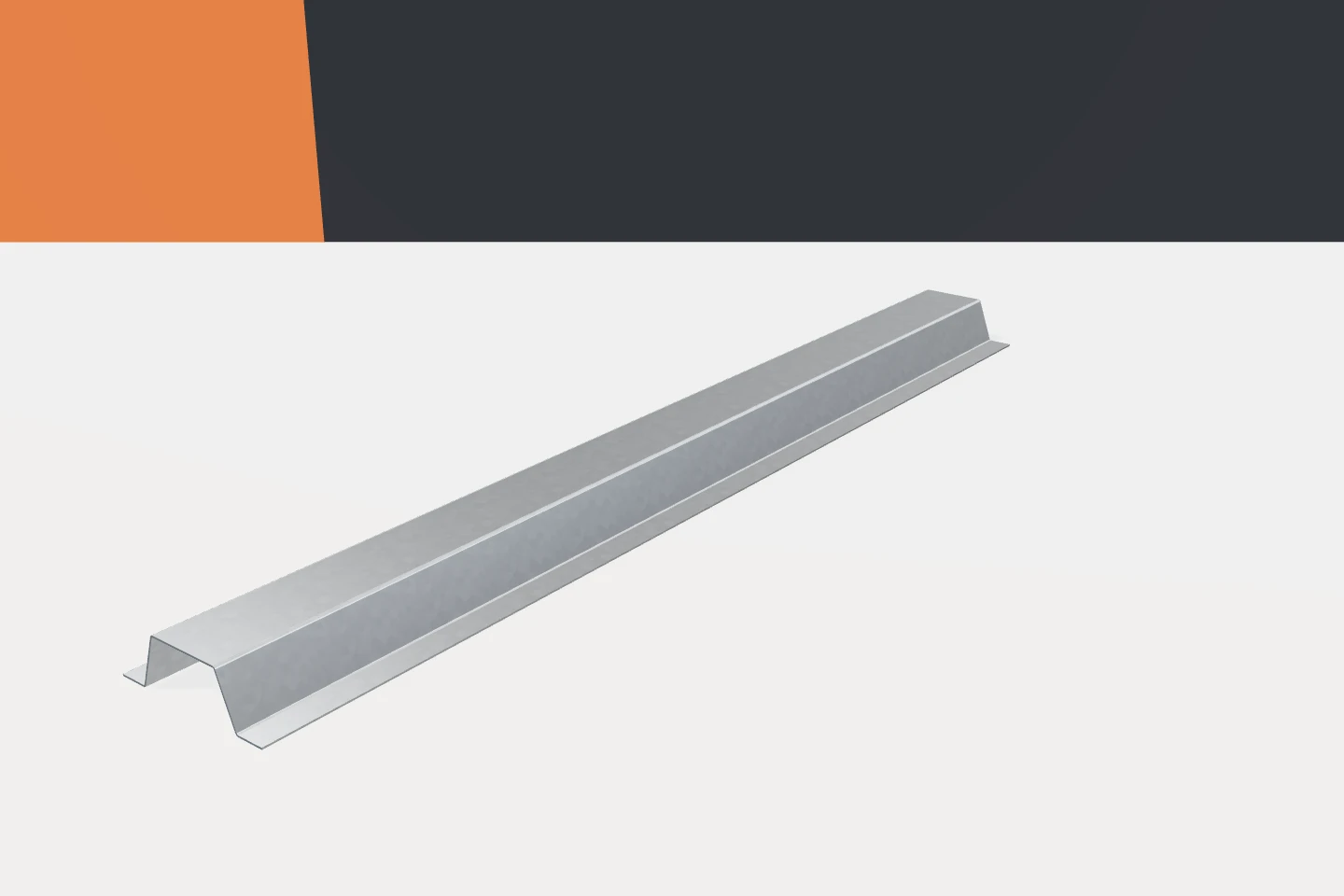
The name omega covers profiles with a similar cross-section concept but very different capabilities. A low element under the cladding and a high hat purlin are not equivalent. They differ in dimensions, thickness and the way they are used. It is worth remembering this when cold-formed profiles are chosen from a photo or a short description. A similar outline is not enough to assess the function in a building. An omega profile has a central part set away from two side feet. The feet form surfaces through which the element can be fixed to the substrate or to other parts of the structure. The central section provides spacing and a surface for the next layer. This construction is useful in subframes. It allows the fixing plane to be separated from the plane supporting the cladding.

By |2026-11-15T19:30:42+01:002024-08-10|Building academy|Comments Off on Small omega sections and hat-section purlins: why they are not interchangeable
Back to top