
Sandwich panels and steel sections: their roles in a building enclosure

A roof or wall made of insulated sandwich panels looks like a single continuous surface once installed. Beneath it, however, various elements are at work. The panel transfers loads to the supports, and cold-formed profiles carry them onward to the main structure. Z-sections, C-sections, sigmas and omegas can perform different functions in this system. A sound connection between the envelope and the structure requires a clear division of tasks. It is not enough to buy a strong panel and a strong profile separately. The panel's span depends on its type, thickness, facings and load. The structural scheme also matters. A panel supported on two supports is not assessed in the same way as a continuous panel over several bays. That is why the spacing of purlins or rails is not chosen solely according to a convenient hall module. The documentation for the selected envelope must be checked.
By |2026-11-15T19:34:19+01:002024-02-02|Building academy|Comments Off on Sandwich panels and steel sections: their roles in a building enclosure

Why Z-sections are lapped and when the connection makes sense

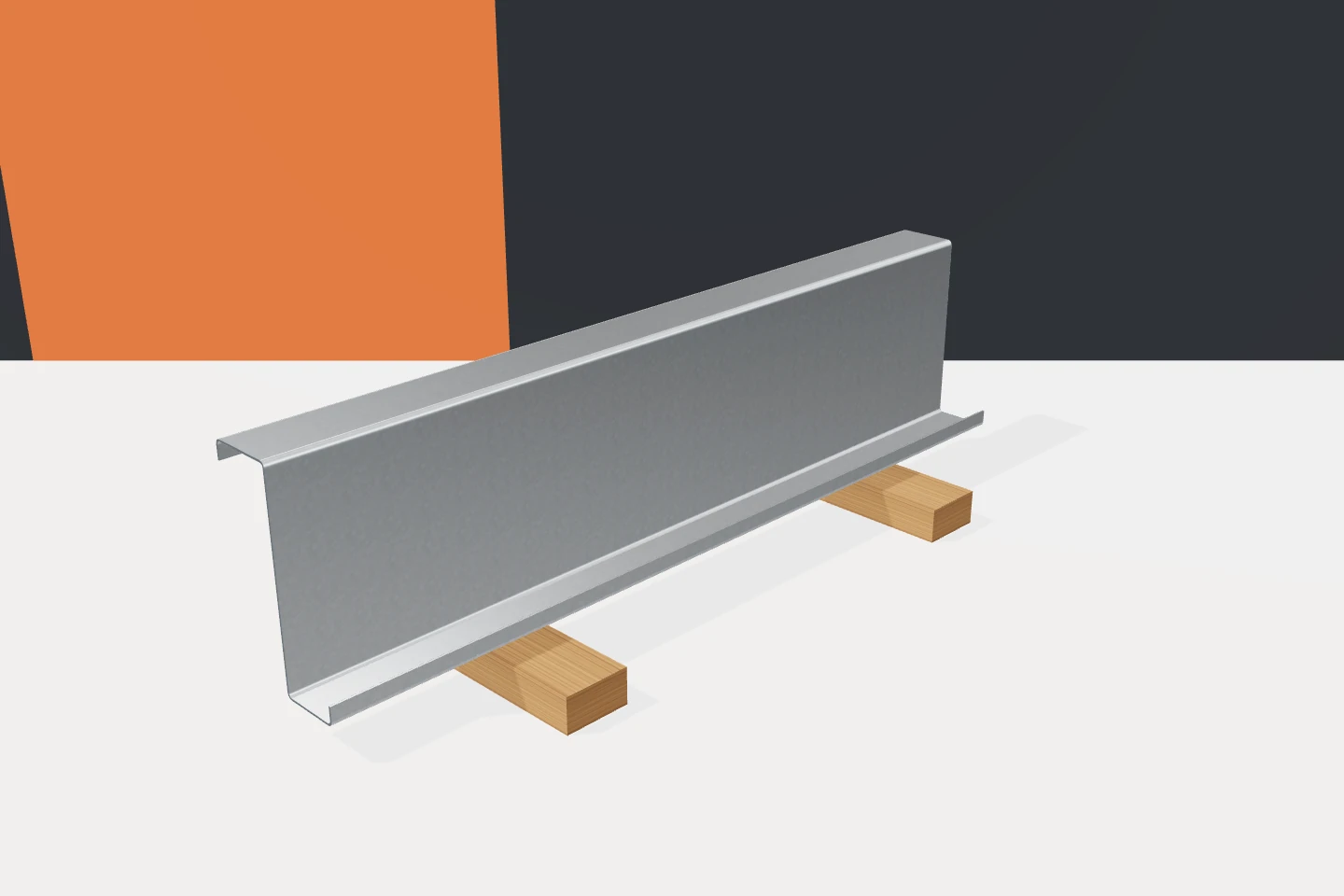
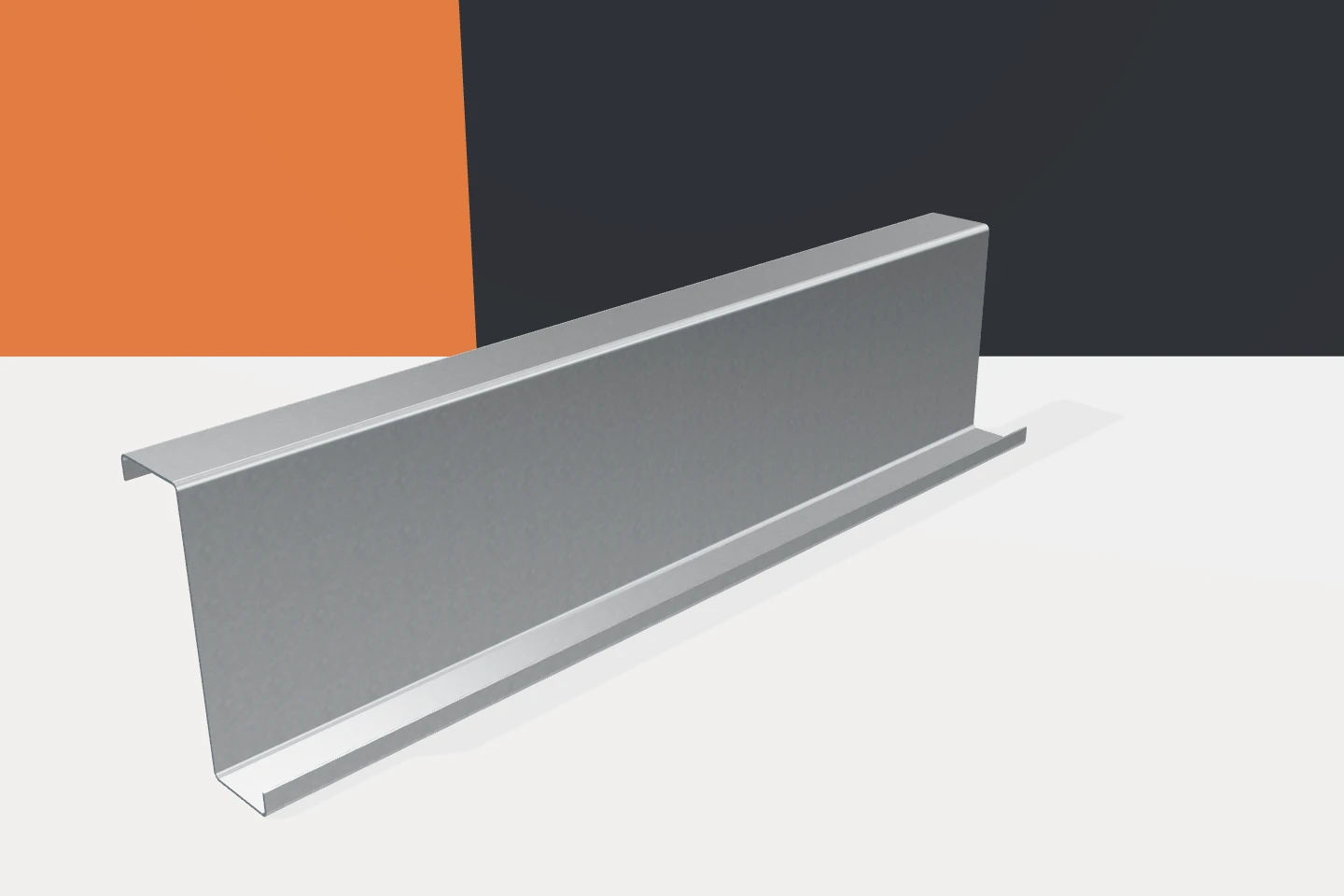
On a hall roof, you can see Z-purlins overlapping above the supports. This is not a random surplus of material. In the designed arrangement, the lap helps transfer forces between successive sections. This allows cold-formed profiles to form purlins with a defined continuity. However, the benefits depend on the entire solution. Two profiles placed side by side do not automatically become one correctly functioning beam. The roof covering transfers load to the purlins, and the purlins transfer it to the main structure. The Z-section is one of the possible cross-sections for this element. It must carry actions resulting from, among other things, the weight of the roof, snow and wind. The purlin spacing also matters. The larger the roof area assigned to one purlin, the different the load the profile receives.

By |2026-11-15T04:22:42+01:002023-10-24|Building academy|Comments Off on Why Z-sections are lapped and when the connection makes sense

Cold-formed and hot-rolled channels: why matching their height is not enough

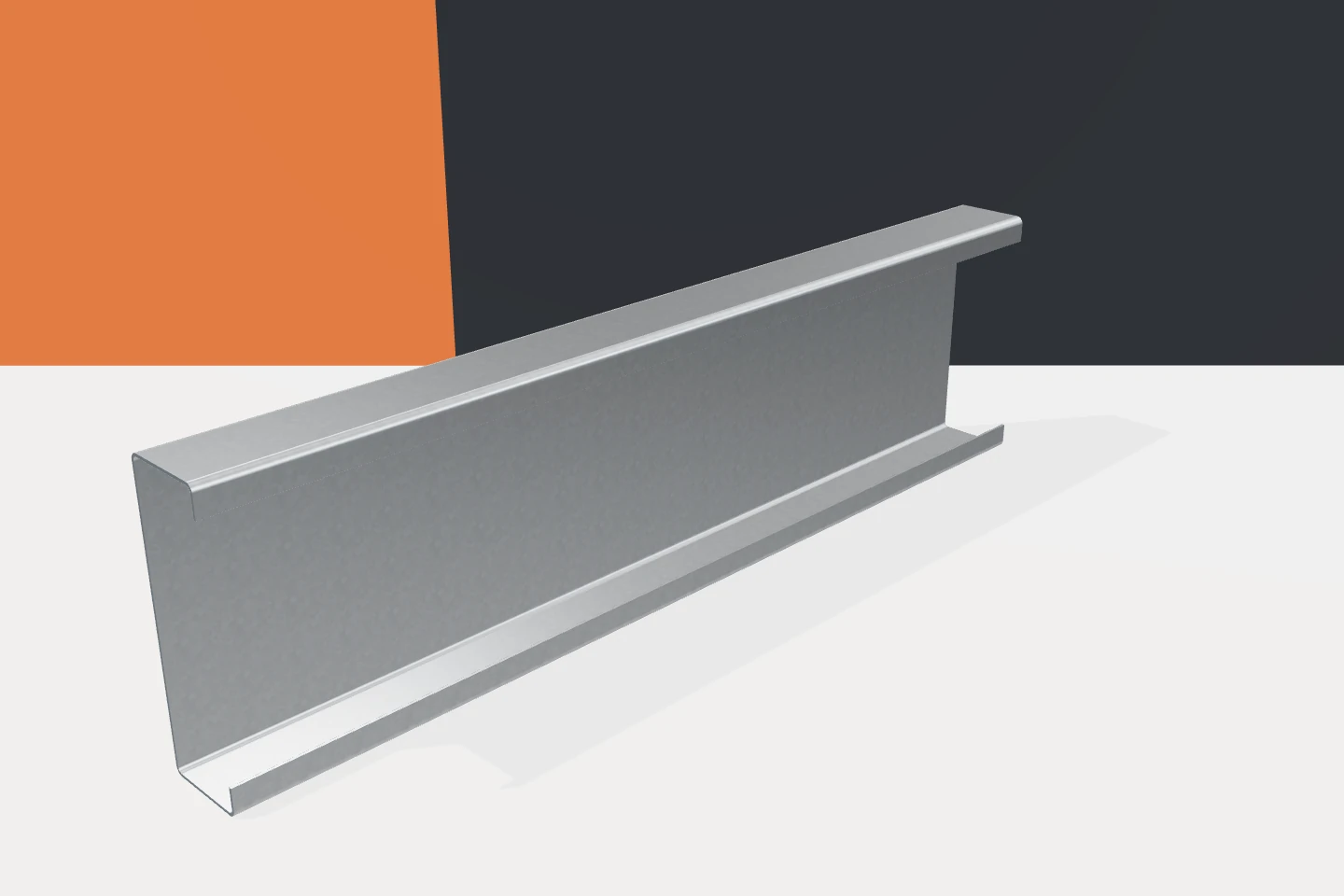
When buying steel, it is easy to reduce a description to two words and one number. “Channel 200” sounds unambiguous, but it does not define the full product. It could refer to a cold-formed profile or a rolled product. The differences are not only in weight. The geometry of the walls, the method of connection and the working conditions also differ. A conscious choice begins with the question of what function the element is to perform and according to which data it was selected. The web height helps describe the cross-section, but it does not say everything about the quantity and distribution of material. The flange widths, wall thickness and corner radii are important. In C profiles, there are also stiffening bends at the ends of the flanges. Two channels of the same height can therefore have clearly different properties. They must not be equated solely on the basis of external dimensions.

By |2026-11-15T19:30:39+01:002022-09-10|Building academy|Comments Off on Cold-formed and hot-rolled channels: why matching their height is not enough
Back to top