Where does water under the steel sheet come from and how do you find the right cause?

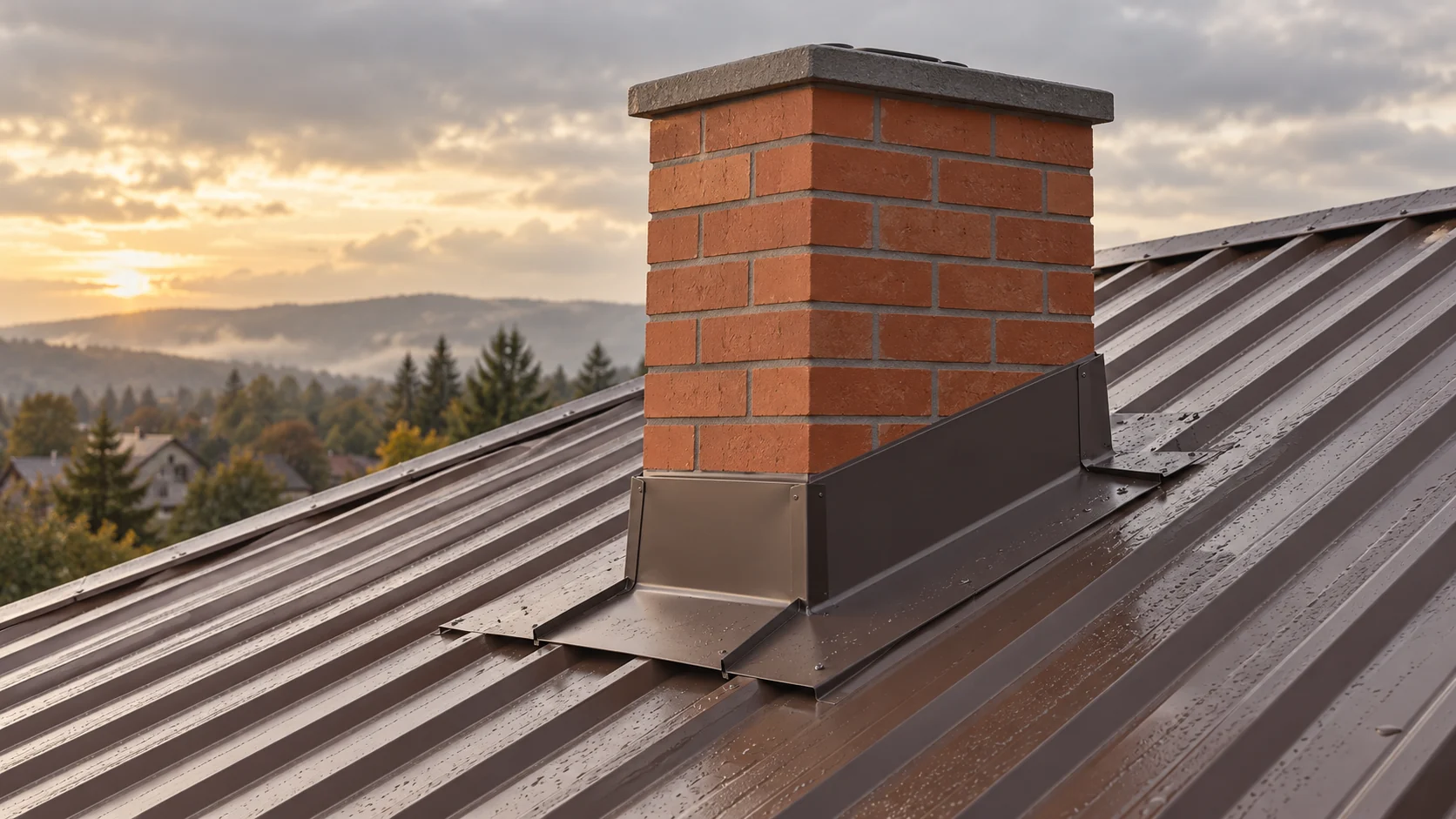
A wet patch under the roof does not show exactly where the fault is. Water can travel along the sheet, the membrane or the structure. It can also be the result of vapour condensing. First you need to establish when the moisture appears. Only then can you choose the repair. Sealing all the joints at random often makes it harder to find the problem. Note the time the patch appears and the conditions outside. A leak during wind-driven rain may point to a different place than dripping after calm, prolonged rainfall. Moisture after a frosty night, with no rain, directs attention to condensation. The operation of the heating and the amount of vapour produced inside also matter.
2026-11-14T10:52:04+01:00

Planning the batten supports for trapezoidal steel roofing

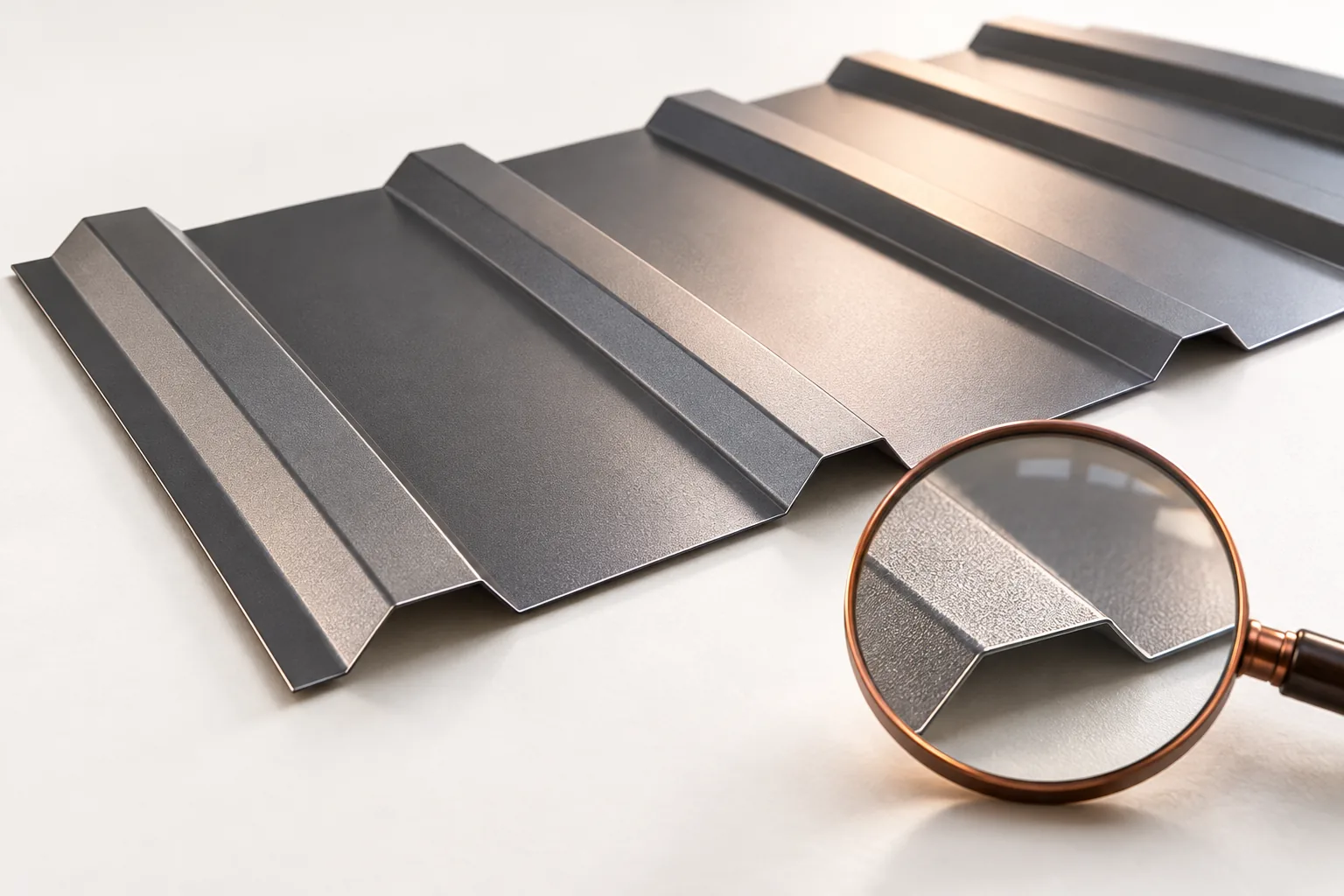
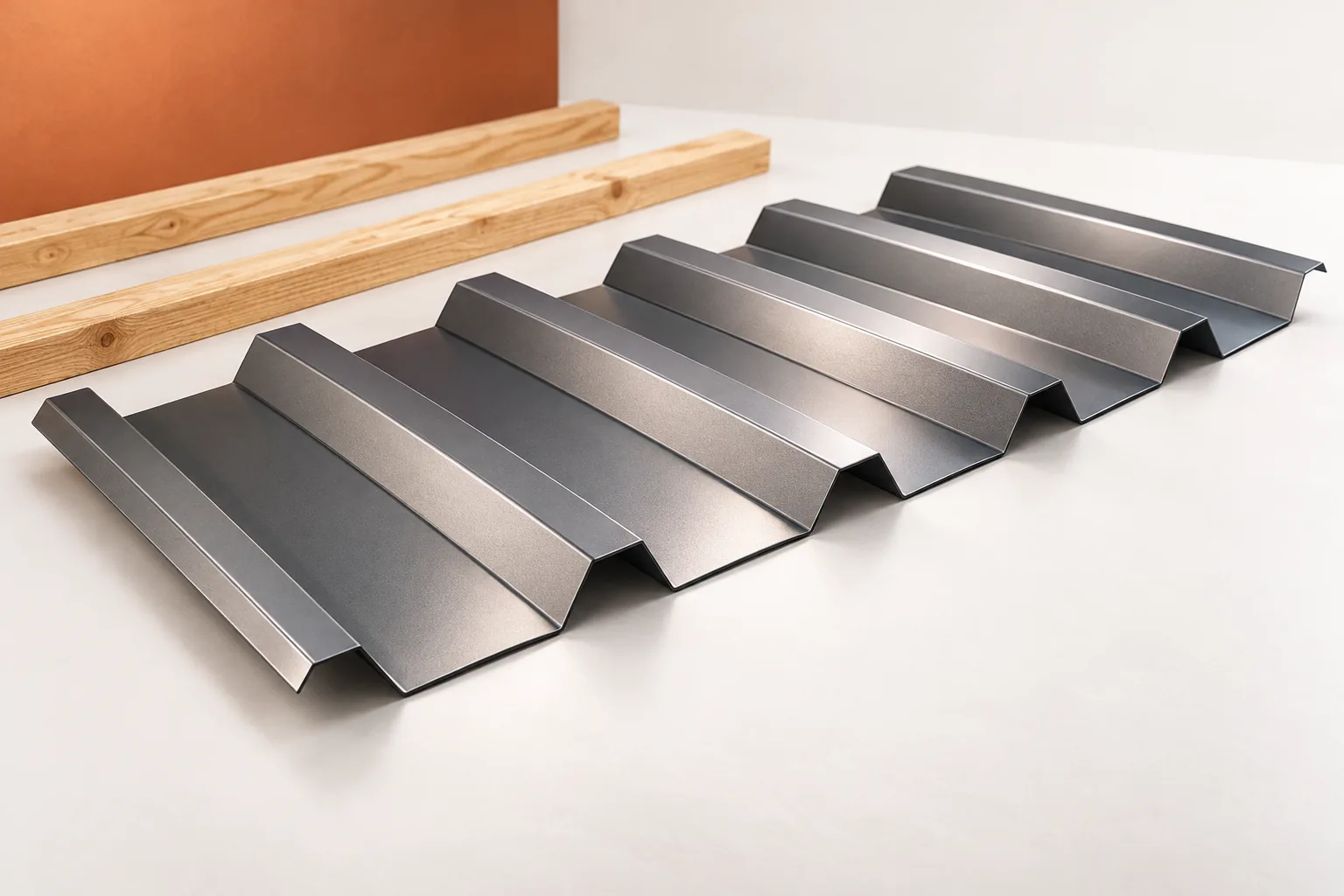
The spacing of battens is governed by the load-bearing capacity of the specific trapezoidal sheet, not by the profile symbol alone. Before installation, it is worth confirming that the product documentation and structural check match the steel thickness, span and support arrangement on the roof. It should also be established whether the system is single-span or multi-span, since load tables distinguish these cases. Edge and corner zones also need checking, as fixing there may differ from the middle of the slope. An even batten and counter-batten grid creates a safe path for transferring loads to the roof structure.

2026-11-15T00:23:00+01:00

Where do rigid PIR insulation boards work best?

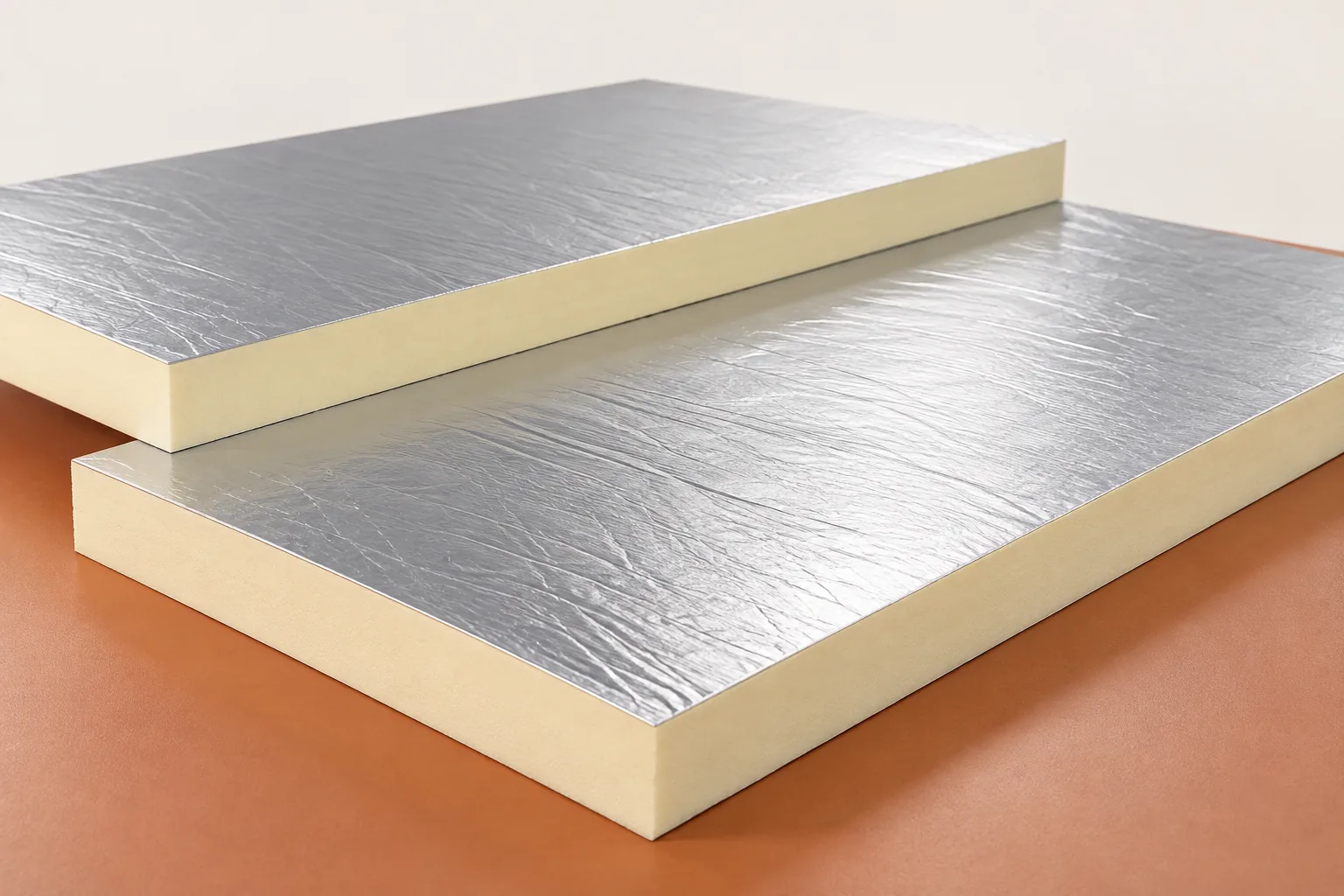
PIR boards are rigid thermal insulation offering good insulating performance at a small thickness, useful especially where space is limited or a continuous insulation layer is needed. Before choosing, however, check the facing, edges and dimensions, as these affect the intended use and the method of joining. Compare materials intended for the same job and a similar thermal resistance, taking moisture, loads, acoustics and fire requirements into account. PIR is not a universal replacement for EPS, XPS or mineral wool, and the design of the building envelope should be left to the designer.

2026-11-15T00:21:44+01:00

Cut-to-length tile-effect roofing: when does it make sense?

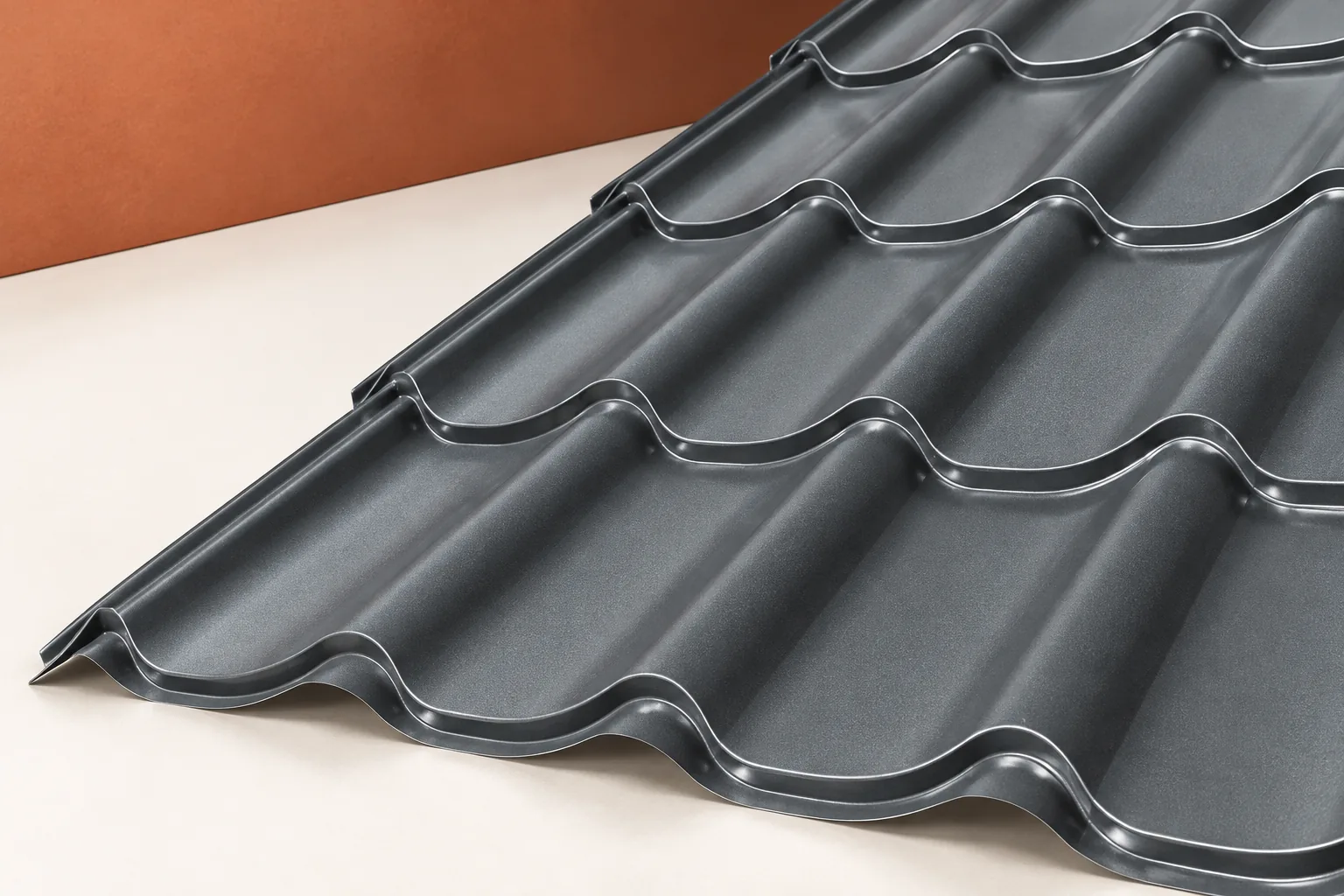
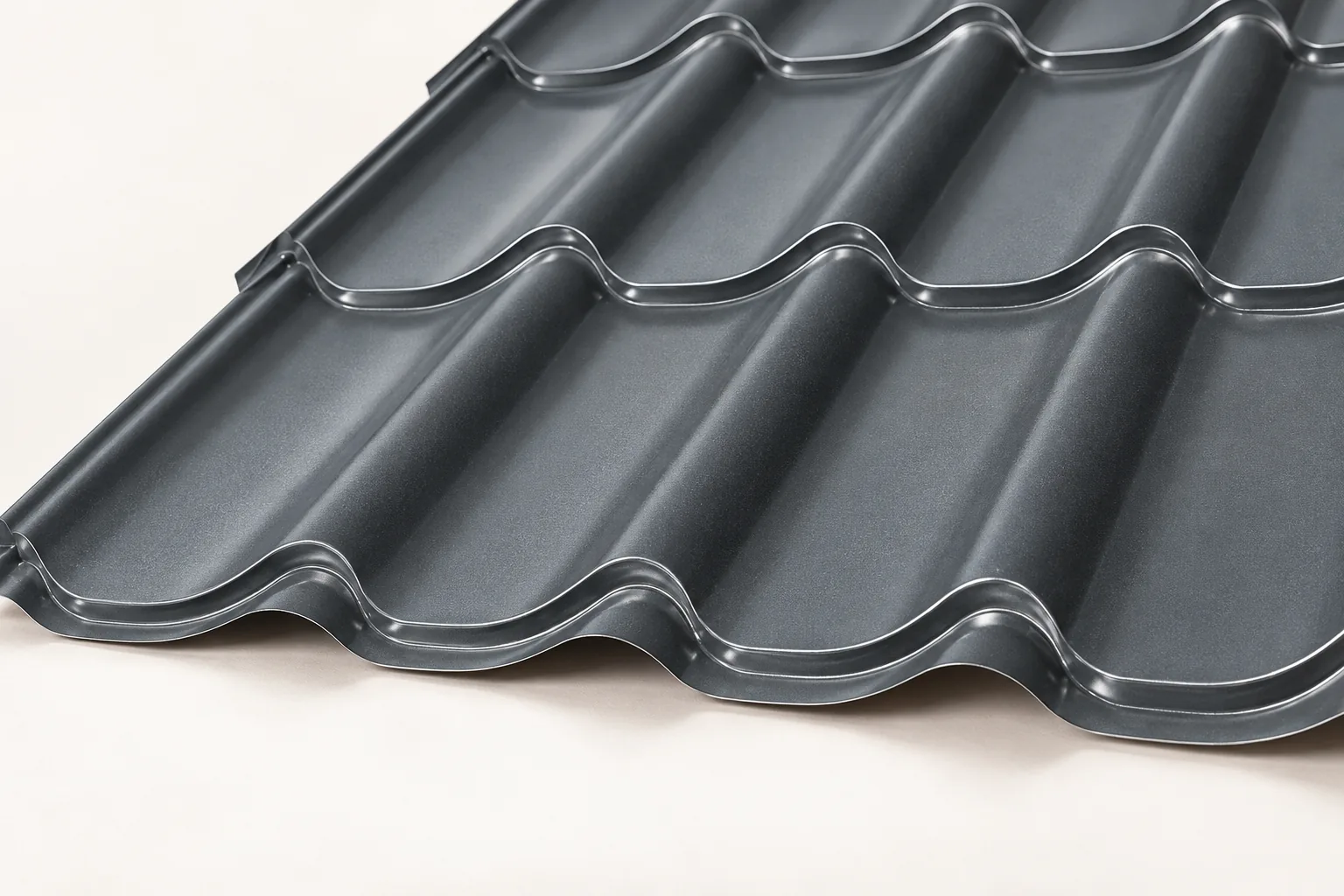
Blachodachówka cut to size stands out because its sheets are ordered in lengths matched to the specific roof, following the production rules of the chosen profile. On simple slopes it reduces the number of transverse joints and makes installation more efficient, but it requires accurate measurement of the built structure and careful transport. It is worth checking the sheet layout, distinguishing overall width from effective width, and comparing it with the modular variant, especially where there are many dormers and valleys. The decision on format should be left to the designer or contractor after analysing roof shape, the number of cuts and site organisation.

2026-11-14T20:36:24+01:00

Metal roof tiles on site: taking delivery, storing sheets and drying a wet pack

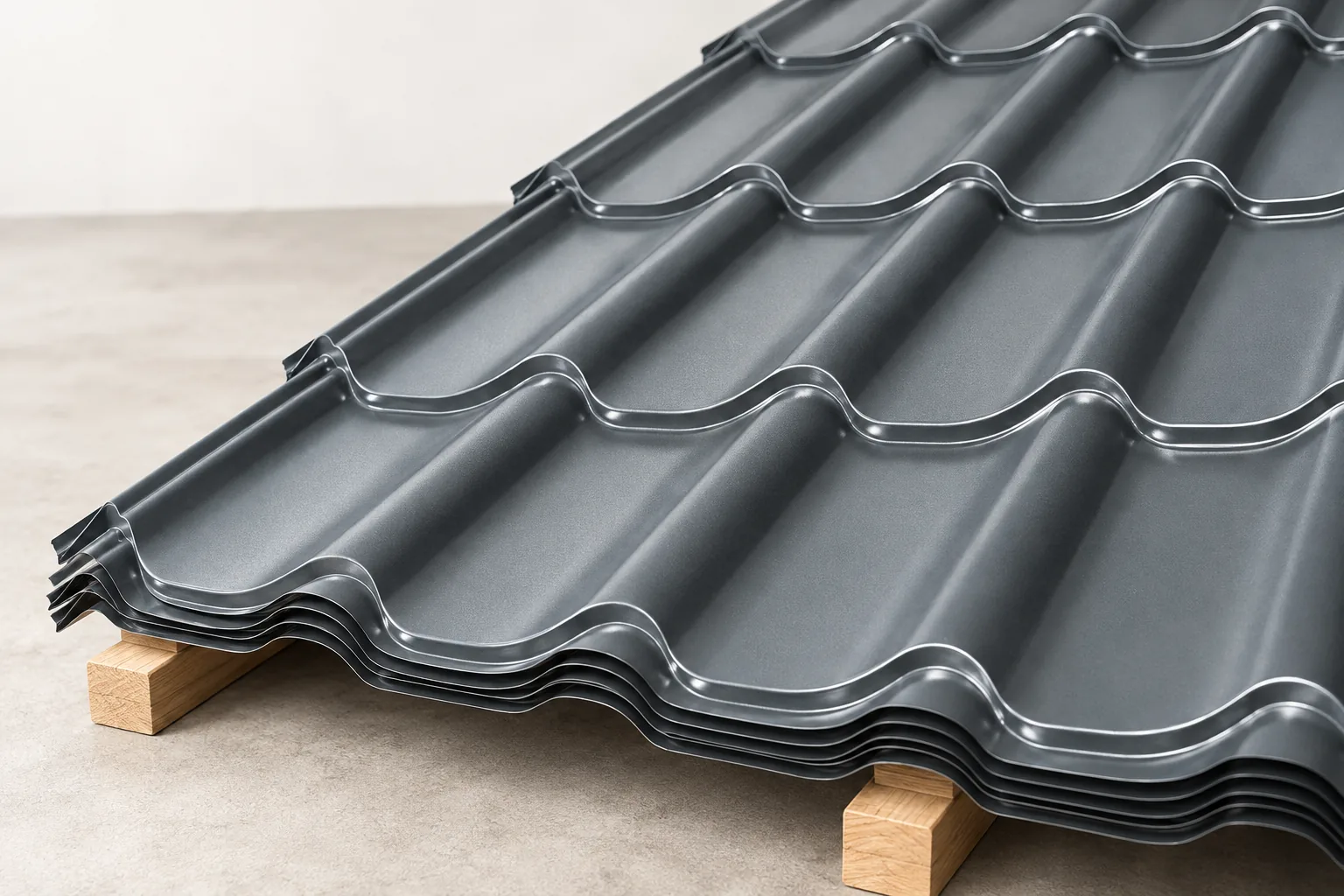
Before signing for a delivery of tile-effect sheets, compare the pack labels with your order. Do the sheet lengths, profile, finish and quantities tally? Look for dents in the packaging, signs that the sheets have slipped, and evidence of moisture. Photograph any damage before unloading, while it is still possible to show how the pack arrived. Choose a handling method suited to its weight and dimensions and a dry, ventilated storage space that meets the manufacturer’s instructions. An undamaged outer sheet can hide a wet or damaged sheet underneath.

2026-11-15T04:19:52+01:00

Roofing defects: finding the cause and documenting a complaint

When reporting a roof problem, start by separating the visible symptom from its source. A crack, colour change or leak may come from the material, transport, installation or use. In your report, state the facts and where the issue appears. Delivery documents, photos of the work stages and product data help; without them, responsibility and the right repair are hard to judge. Describe what you observe, when it began and under what conditions. For a leak, note the rainfall circumstances; for discolouration, say whether it covers the whole slope, one sheet or the chimney area. A general claim of a defect gives the contractor or supplier too little to assess.

2026-11-14T20:37:22+01:00

Installing cut-to-length and modular tile-effect metal sheets

In Poland, correct installation of cut and modular metal roof tiles depends on matching the delivery to the order and checking the profile, coating, colour and lengths, as well as the condition of corners and edges. It is worth comparing the delivery with the order and assessing whether long sheets are supported during handling and small panels have not been scratched. Before covering, the roof truss geometry and support positions should also be verified, because battens must match the module of the specific metal roof tile. Design decisions are left to the designer.

2026-11-14T17:10:32+01:00

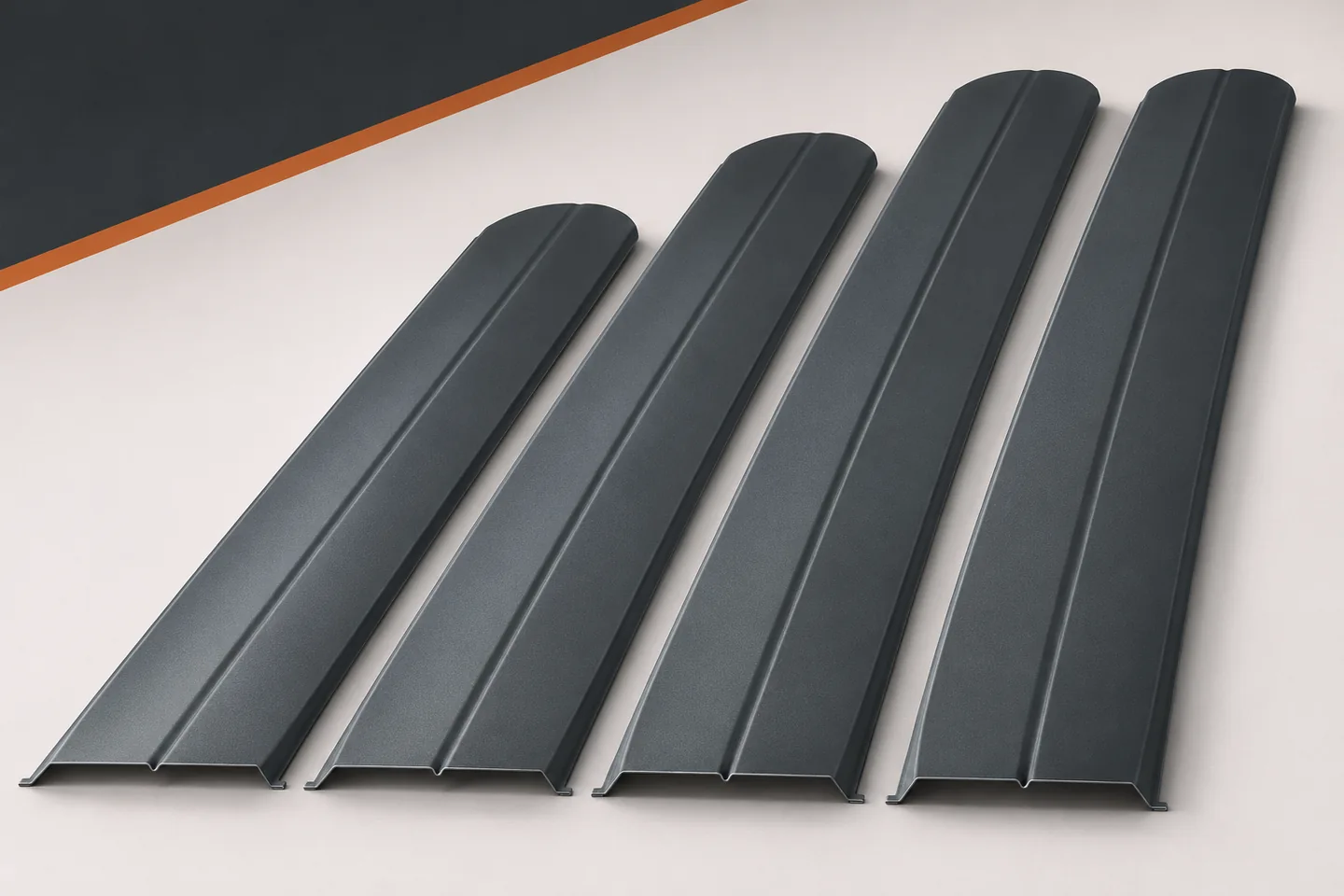
Can galvanised sheet-metal fence pickets rust?

Galvanised steel sheet is a common base material for metal fence pickets. An additional colour coating helps protect the material and gives it its appearance. However, this does not mean resistance to every type of damage and every environment. So the question about rust is worth putting more precisely. What protects metal pickets, what can impair the protection, and when does a brown mark require closer inspection? The zinc layer separates the steel from its surroundings. It can also protect it electrochemically in the vicinity of a small exposed area of the substrate. This is one of the reasons galvanised steel sheets are used. It does not follow that an arbitrarily damaged surface will remain permanently free from corrosion. The condition of the coating and the exposure conditions still matter.

2026-11-15T19:34:25+01:00

Corrosion in farm buildings: choosing protection for the conditions inside

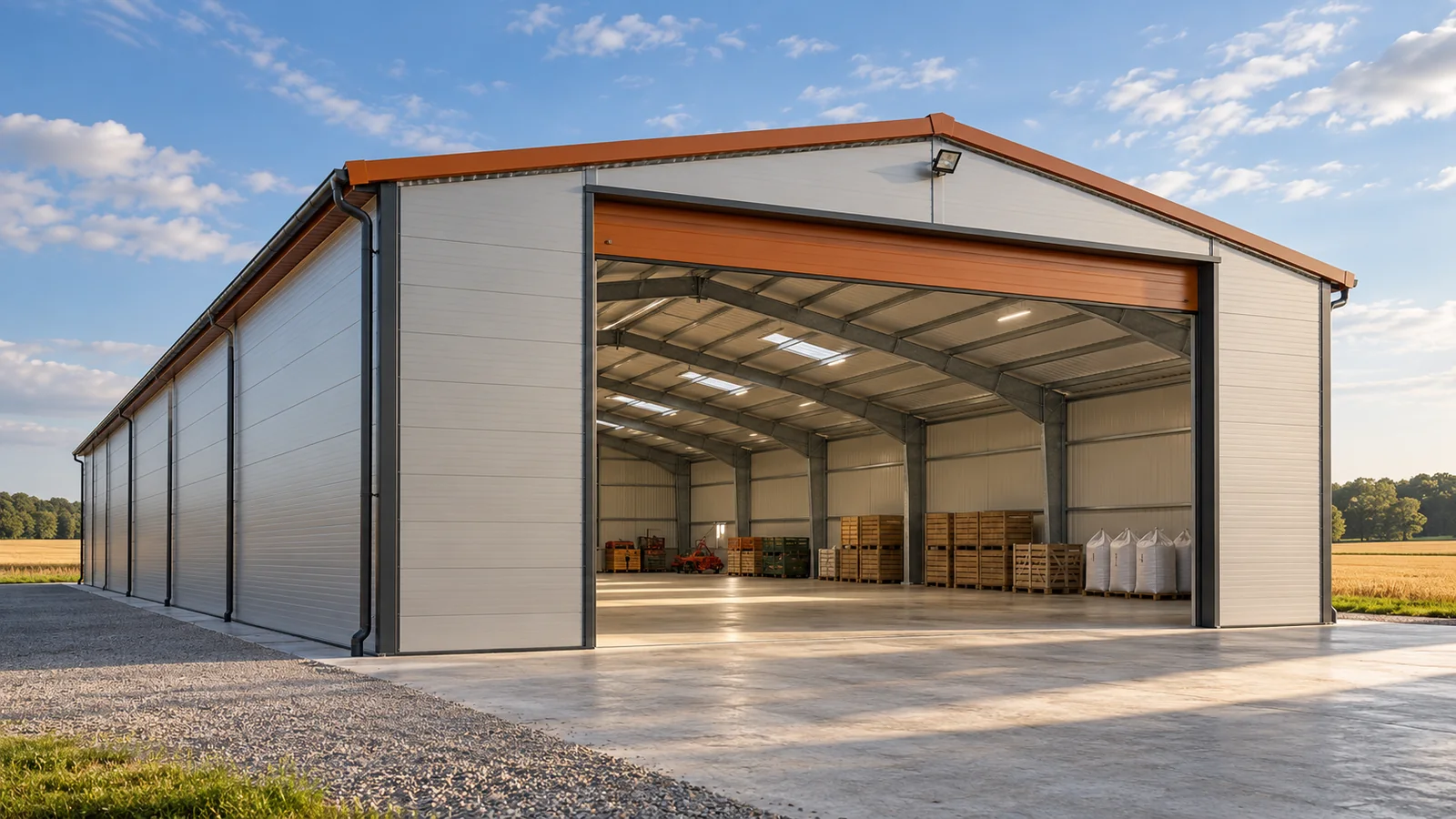
Two steel halls that look similar can operate in completely different conditions. A dry equipment store differs from a room with a lot of moisture and dirt. That is why anti-corrosion protection is not chosen by colour alone. In an agricultural hall, you need to identify the environment, the cleaning method and the areas exposed to damage. The protection must match what will actually happen in the building. The designer and supplier should know the intended use of the steel hall. The expected humidity, contact with water, contaminants and the agents used are important. An open, wind-exposed section is assessed differently from a heated interior. The term agro hall alone does not provide enough information to select protection for the steel structure.

2026-11-15T04:21:54+01:00

What determines the durability of an insulated wall panel with a mineral wool core?

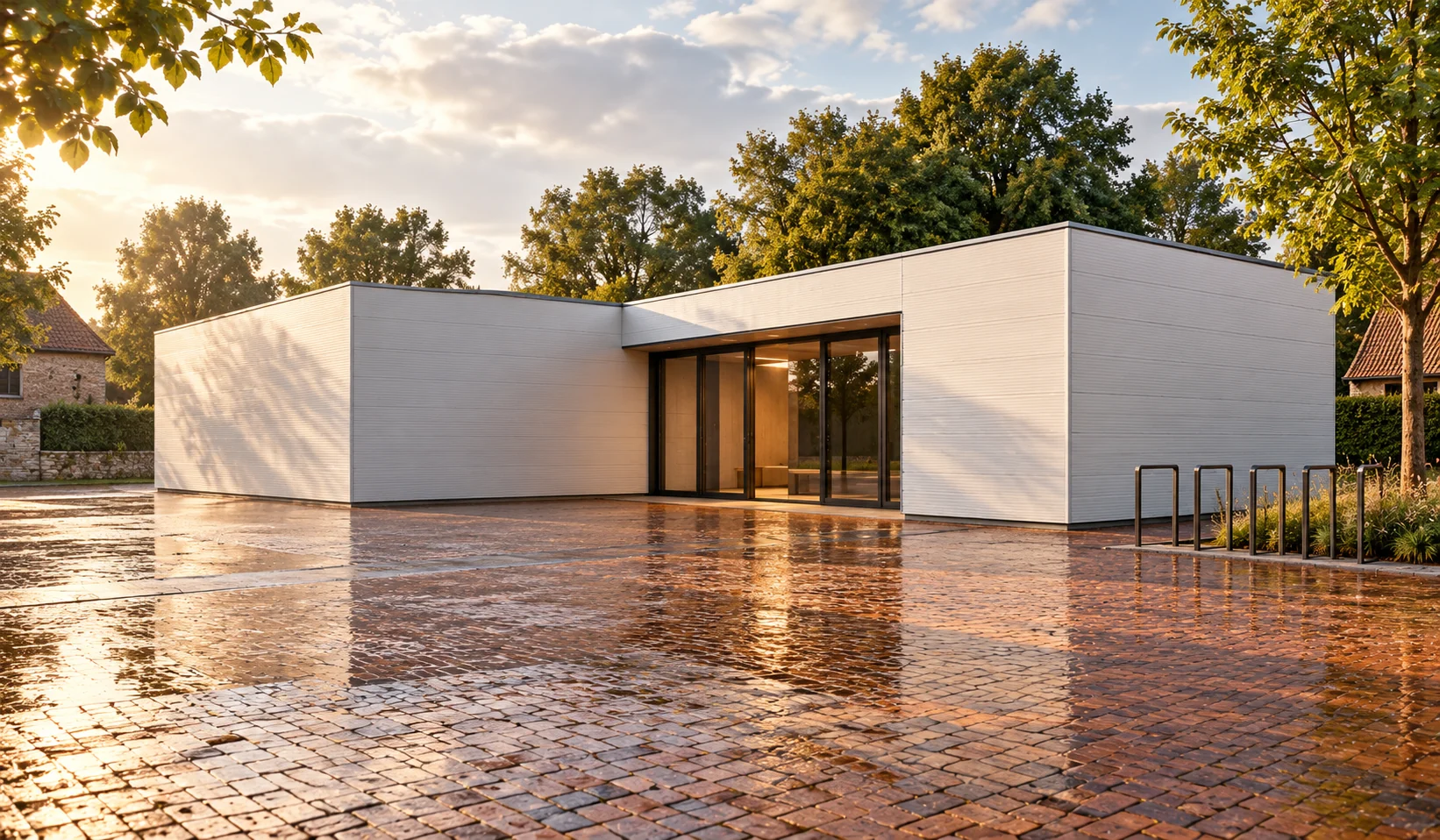
It is not possible to fairly assign a single number of years of service life to all panels with wool. Durability is determined by operating conditions, the coating and the execution of joints. What happens after building handover is also important. A well-selected panel can retain its functions for a long time if its edges remain dry and damage is noticed early. A sandwich panel combines steel facings with a wool core. The external surface is exposed to sun, water and contamination. The internal surface works under indoor conditions. The core should remain covered. The durability of the wall depends on the interaction of all these parts and the joints between panels.

2026-11-14T10:54:41+01:00
Back to top