Pickets and metal fences
Can galvanised sheet-metal fence pickets rust?
In brief
Galvanised steel sheet is a common base material for metal fence pickets. An additional colour coating helps protect the material and gives it its appearance. However, this does not mean resistance to every type of damage and every environment. So the question about rust is worth putting more precisely. What protects metal pickets, what can impair the protection, and when does a brown mark require closer inspection? The zinc layer separates the steel from its surroundings. It can also protect it electrochemically in the vicinity of a small exposed area of the substrate. This is one of the reasons galvanised steel sheets are used. It does not follow that an arbitrarily damaged surface will remain permanently free from corrosion. The condition of the coating and the exposure conditions still matter.
Zinc works, but its supply is not unlimited
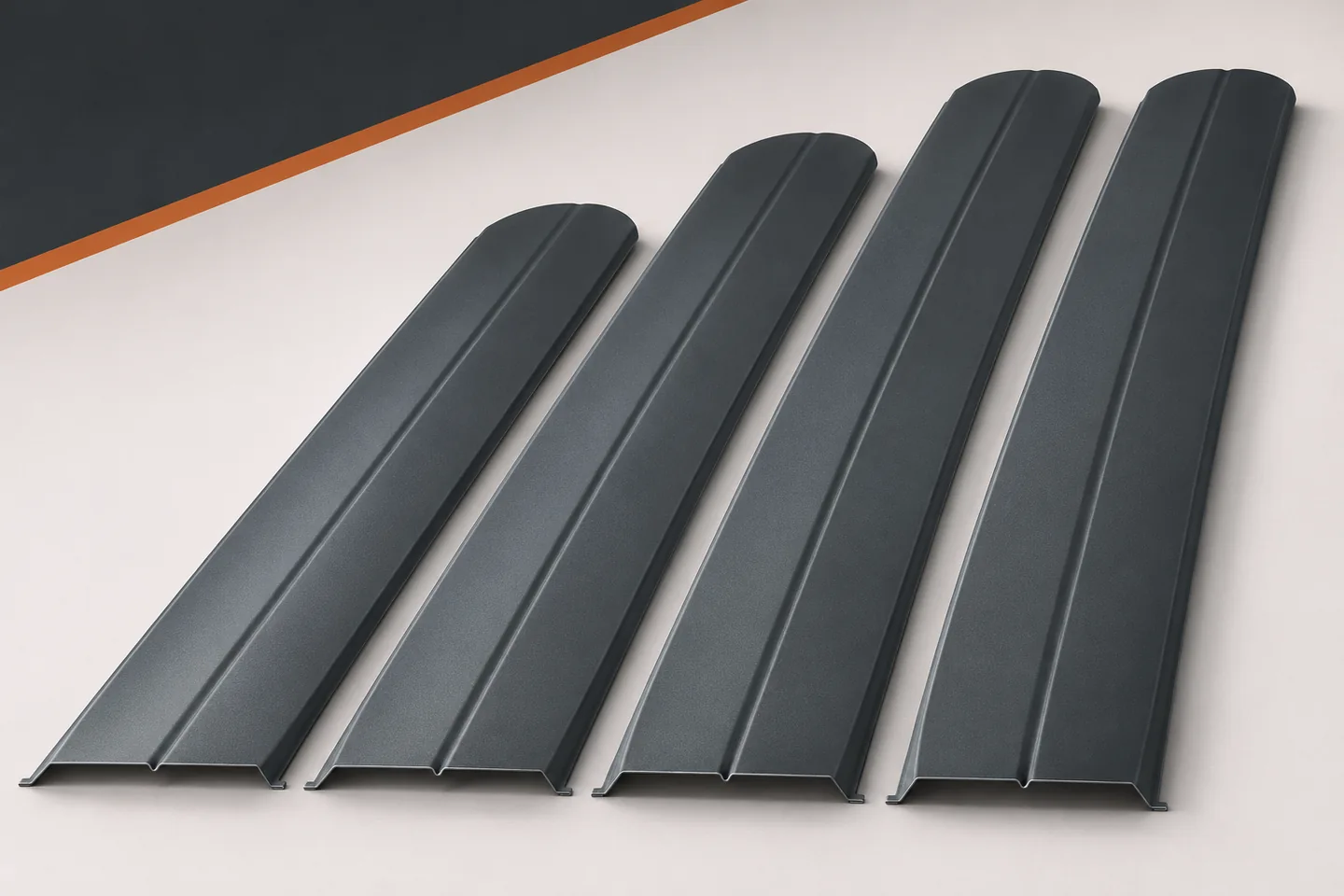
A statement about one galvanised coating thickness should not be applied to all pickets. The offer should identify the material from which they are made. The general word ‘galvanised’ describes the type of protection but does not give the full parameters. It is worth separating confirmed data from promises of unlimited durability.
Paint helps maintain surface protection
The organic coating limits environmental exposure and is responsible for the colour. When correctly selected and used, it works together with the other layers. Protection therefore does not come down to the paint alone or the zinc alone. The compatibility of the entire material with the planned application is important.
A deep scratch, damage during processing or a poorly chosen repair can locally change the protection conditions. Steel sheet pickets therefore require careful handling. Sharp edges should not be dragged across the paint. Damage occurring on site must not be ignored simply because the material has a metallic layer.
Edges and holes need attention
Cutting reveals the cross-section of the sheet. The fastening hole also creates a location different from the wide factory surface. The procedure depends on the type of coating and the system instructions. There is no single paint or single treatment suitable for all pickets. Doubts must be clarified before making additional holes.
Processing methods that damage the coating with heat or sparks are particularly unfavourable. Instructions for thin coated sheet may exclude the use of an angle grinder. Shortening a picket should be done by a method permitted for the product. Tool convenience is not a sufficient criterion for its selection.
A brown spot may come from a foreign metal
Drilling and installation produce fine filings. Left on the surface, they can corrode and leave marks. Not every such spot therefore immediately means corrosion of the picket core. It is, however, a sign that the surface needs cleaning and assessment. Installation residues must be removed in accordance with the instructions.
Do not scrape the mark with a sharp tool to see what lies beneath it. This can create damage greater than the original problem. First identify the deposit and use approved cleaning. If the stain remains or the coating appears breached, document the location and agree on the next steps.

Moisture inside the pack differs from rain on the fence
Mounted pickets are separated from one another and can dry out. In a tight pack, moisture can be trapped between surfaces. Therefore, the product’s resistance to normal conditions of use does not mean that wet storage is acceptable. Transport packaging does not replace a properly prepared warehouse.
After delivery, check the condition of the packs and the storage conditions. Temperature changes can cause condensation even without direct rain. Dryness and ventilation are important throughout the waiting period before installation. The detailed method of unpacking and arranging is specified in the instructions for the purchased product.
Salt and dirt change the operating conditions
Pickets by a road may be exposed to deposits from winter road maintenance. In a garden, fertilisers, wet soil and other substances lying on the surface matter. Do not assume that any coating is suitable for every such contact. Conditions excluded by the manufacturer must be checked before installation.
Correct use also involves limiting the source of the problem. Irrigation can be adjusted, accumulated deposits removed or contact with the ground resolved in accordance with the design. A periodic paint touch-up alone will not remove the cause of constant dampness. Material protection is more effective when the same damage is not continually recreated.
How to respond without jumping to conclusions
Inspect the location, take a photo and check whether it concerns the surface, the end or a connector. Keep a record of the date the mark was noticed and the work carried out. During the period covered by the warranty conditions, first check the rules for reporting and repair. It is not worth obliterating the traces by randomly painting the entire bay.
Well-chosen metal pickets have layers that reduce the risk of corrosion. The best result comes from combining the right material, careful installation and maintenance. An honest answer to the question about rust is not “never”. It is: check the protection, the environment and the way it is used, and do not leave noticed damage without assessment.
7 branches. Materials closer to your project.

- SEROCK — Dzierżenin 34 E
- BŁONIE — ul. Sochaczewska 138A
- RADOM — ul. Grobickiego 8
- ŁÓDŹ — Natolin 8
- OLSZTYN — Barczewo, ul. Prosta 9
- WROCŁAW — ul. Jerzmanowska 10C
- GORZÓW WLKP. — ul. Zielona 33/34