Halls and steel structures
Corrosion in farm buildings: choosing protection for the conditions inside
In brief
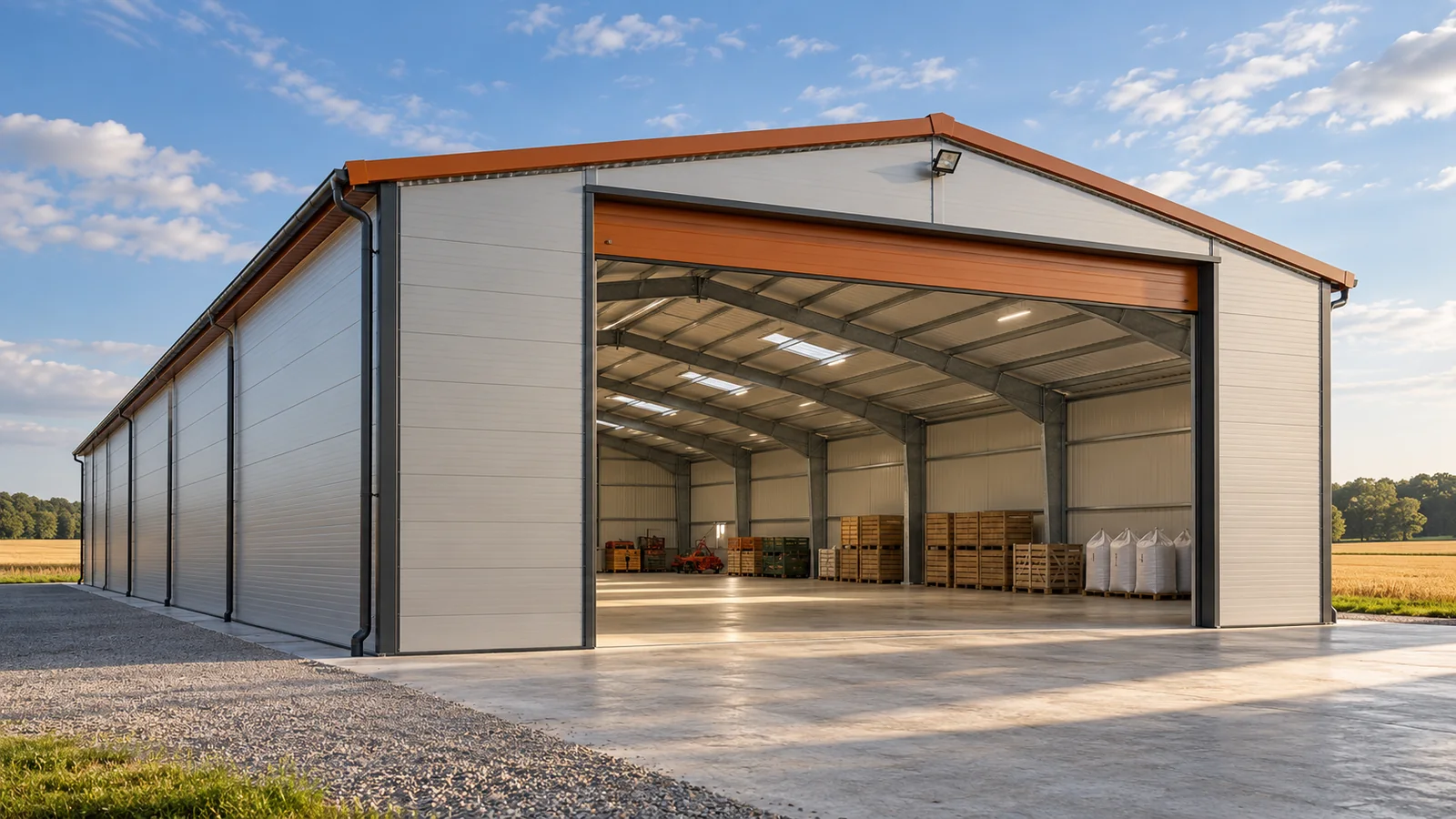
Two steel halls that look similar can operate in completely different conditions. A dry equipment store differs from a room with a lot of moisture and dirt. That is why anti-corrosion protection is not chosen by colour alone. In an agricultural hall, you need to identify the environment, the cleaning method and the areas exposed to damage. The protection must match what will actually happen in the building. The designer and supplier should know the intended use of the steel hall. The expected humidity, contact with water, contaminants and the agents used are important. An open, wind-exposed section is assessed differently from a heated interior. The term agro hall alone does not provide enough information to select protection for the steel structure.
First describe the farm conditions
Also check the building’s surroundings and external conditions. Water splashed from the yard can constantly wet the lower parts of the walls. A leaking gutter directs precipitation to one place. Such local effects are often more important than a general weather description. It is worth identifying them at the design stage, rather than later expecting any coating to cope with every exposure.
The coating is a protection system
Steel structures can be protected by appropriately selected painting, galvanizing or another intended solution. Effectiveness is determined by the environmental requirements, surface preparation and quality of execution. The word painted or galvanized alone is not enough. A description corresponding to the design and the scope of execution checks is needed.
Anti-corrosion protection should not be treated as a guarantee of no maintenance for any length of time. A steel hall is exposed to mechanical damage. Transport, assembly and later handling can impair the protective layer. The repair method must be matched to the type of protection. Accidental paint applied to a contaminated surface does not automatically restore the properties of the system.
Moisture should have a drainage path
Details should be shaped so as to limit the accumulation of water and dirt. In a steel hall, the areas around column bases, flashings, gutters and hard-to-reach places matter. If water constantly stands by a component, renewing the coating alone may not solve the cause. An assessment of drainage and of the way the building is used is needed.
Condensation should be considered together with ventilation and the amount of moisture introduced inside. Wet equipment and agricultural produce create different conditions from dry goods. Sandwich panel cladding can limit some thermal phenomena, but it does not remove sources of moisture. The steel structure needs protection adapted to the whole environment, including from the inside.

Claddings have their own requirements
The coating of a wall panel does not have to have the same resistance as the protection of the frame. When selecting panels, external exposure and conditions on the inside must be taken into account. A steel hall intended for frequent cleaning requires the surface to be compatible with the methods used. This information should come from the product documentation.
Not every cleaning agent is suitable for every coating and seal. The method of use, contact with the surface and subsequent removal of residues matter. Recommendations should not be transferred from another material. The cladding of a steel hall is best ordered only after establishing how it will be washed and what dirt will appear on it.
Impacts also weaken durability
Forklifts, loaders and protruding attachments can damage panels, columns or flashings. That is why separate mechanical protection is considered in areas of intensive traffic. It should not transmit incidental forces to the element being protected. Steel structures and impact protection should be treated according to their actual function, not joined with any bracket.
During installation work, metal filings and offcuts from flashings are also removed. If left on the cladding, they can corrode and cause localised problems. In a steel hall, it is worth checking these places at handover and after subsequent modifications. A small amount of waste on the roof does not mean it is of little importance for the surface on which it will remain.
The inspection should end with repairing the cause
Check the condition of coatings, connections and drainage in accordance with the documentation and usage requirements. Record the locations of damage and how it was rectified. Photographs help to assess whether the problem is spreading. Access to columns and plinths should not be permanently blocked by stored equipment or a stockpile of material.
The durability of a steel building depends on good selection of protection and subsequent maintenance. When ordering, describe the conditions without omitting the more difficult zones. During operation, react to leaks and damage before they cover a larger area. A steel structure rewards with predictable performance when its protection matches the environment and is kept in proper condition.
It is a good habit to inspect the building after repairing the roof covering or replacing equipment. New fixings, cuts and welding can change the condition of the entire protection. In such places, checking the coatings should be part of completing the works.
7 branches. Materials closer to your project.

- SEROCK — Dzierżenin 34 E
- BŁONIE — ul. Sochaczewska 138A
- RADOM — ul. Grobickiego 8
- ŁÓDŹ — Natolin 8
- OLSZTYN — Barczewo, ul. Prosta 9
- WROCŁAW — ul. Jerzmanowska 10C
- GORZÓW WLKP. — ul. Zielona 33/34