About PiVi

This author has not yet filled in any details.
So far PiVi has created 1504 blog entries.

Inspecting sheet metal flashings after the season: what to check and record

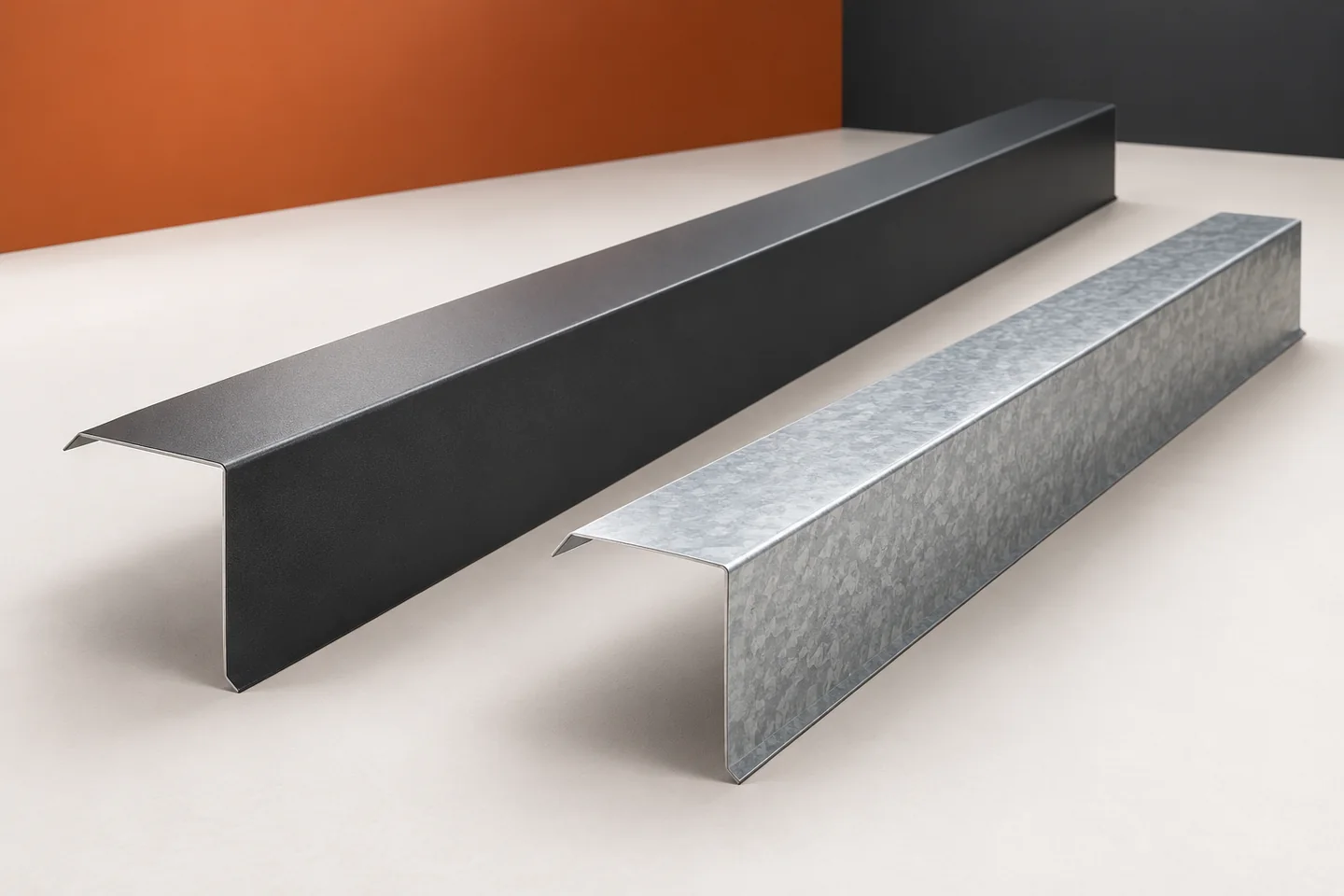
A roof inspection is most useful when it provides a specific description of the condition of individual locations. A general statement that the sheet metal looks good says little about the laps and seals. It is worth examining ridge tiles, barge flashings, gutter aprons and chimney flashings separately. Each group performs under different conditions. A good inspection record helps distinguish ordinary soiling from a defect requiring repair. From the ground it is possible to assess the line of the flashings, larger bends and traces of water on the façade. A detailed check of the fixings usually requires suitable access. It is worth commissioning this to a contractor equipped to work at height. There is no need to go onto the roof yourself to begin documenting a problem you have noticed.
By |2026-11-15T04:22:41+01:002024-03-06|Building academy|Comments Off on Inspecting sheet metal flashings after the season: what to check and record

Replacing asbestos roofing: how to prepare the contractor

Replacing a roof suspected of containing asbestos requires different preparation from a simple delivery of new sheets. First, the material must be identified and the method of carrying out the work determined. Fibre cement sheets may later form the new covering, but their selection does not resolve the question of removing the old one. Asbestos-free fibre cement means a modern product without asbestos. The similar shape of both materials does not allow the same rules of handling to be applied to them. It is worth gathering the building's documents, photographs, information on the roof's age and past renovations. Useful details include the area of the roof slopes, the height of the structure and a description of access. If assessments or registers relating to asbestos have already been drawn up, they should be made available.

By |2026-11-16T03:15:42+01:002024-03-05|Building academy|Comments Off on Replacing asbestos roofing: how to prepare the contractor

Is it safe to walk on a photovoltaic roof?

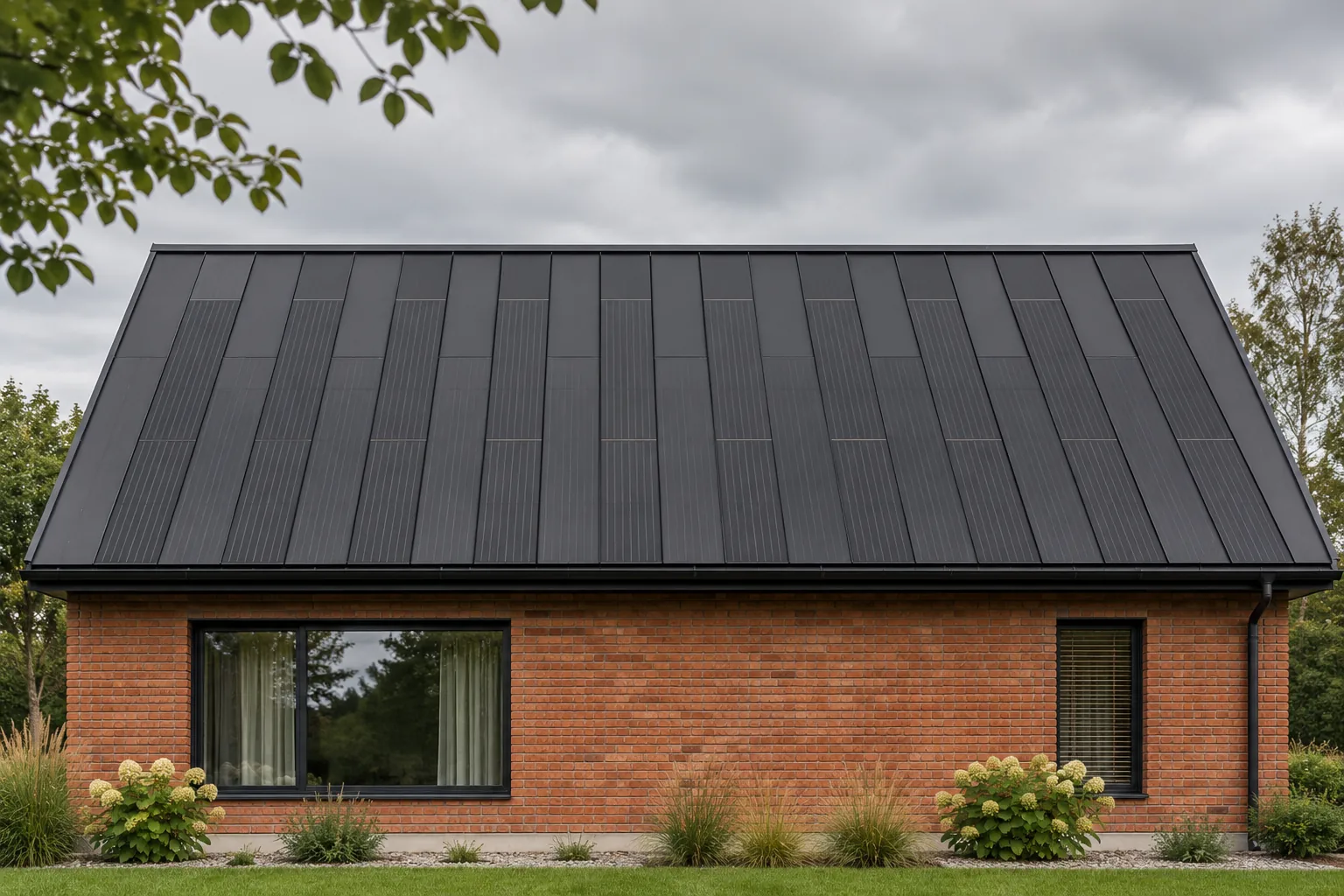
An integrated photovoltaic covering is not a terrace or a universal route to the chimney. The permissible way of moving across it depends on the specific product, its supports and the manufacturer's instructions. Even a component that withstands a defined load in a test may not be intended for casually standing on its surface. Access for inspection and repairs must be planned before installation, together with fall protection. A load distributed over a sample and the pressure of a boot are two different situations. The position of the support, the way the force is applied and the shape of the component all matter. A general strength declaration therefore does not mean you may stand at any point. Two systems that look alike do not necessarily have identical access rules.

By |2026-11-15T19:36:12+01:002024-02-22|Building academy|Comments Off on Is it safe to walk on a photovoltaic roof?

Keeping sheet metal roofs watertight: where to check first

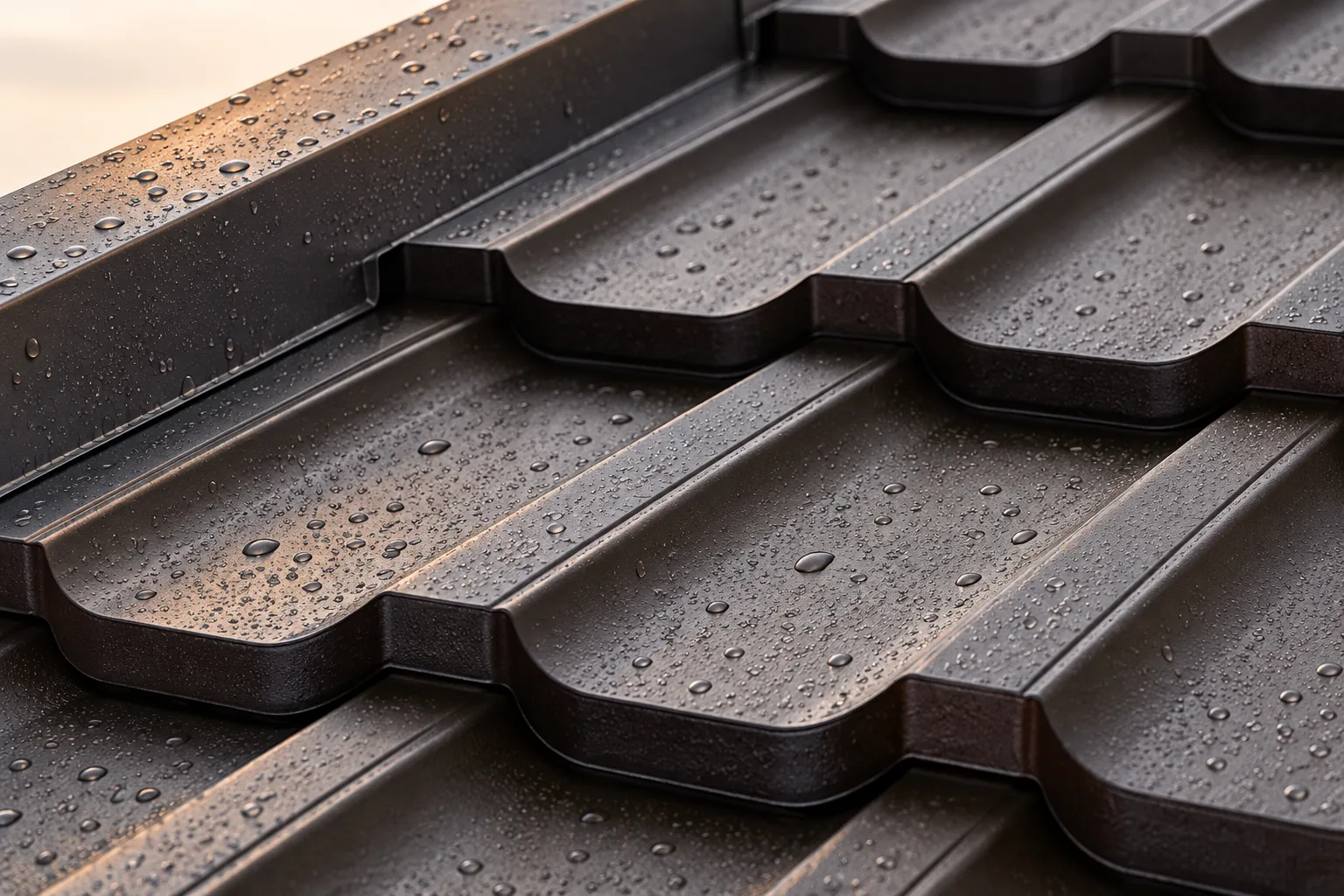
A metal roof's watertightness is settled at the design and installation stage. Pitch, substrate, joints and flashings all matter, and later maintenance cannot replace a faulty detail. Aim for an orderly drainage path and match components to the specific system. Pay attention to chimneys, valleys, eaves and service penetrations. The covering must suit the roof pitch, as water behaves differently on a steep slope than on a low one. Sheet lengths and transverse joints also count.

By |2026-11-14T20:37:41+01:002024-02-22|Building academy|Comments Off on Keeping sheet metal roofs watertight: where to check first

How to compare prices for insulated wall panels with a mineral wool core on a like-for-like basis?

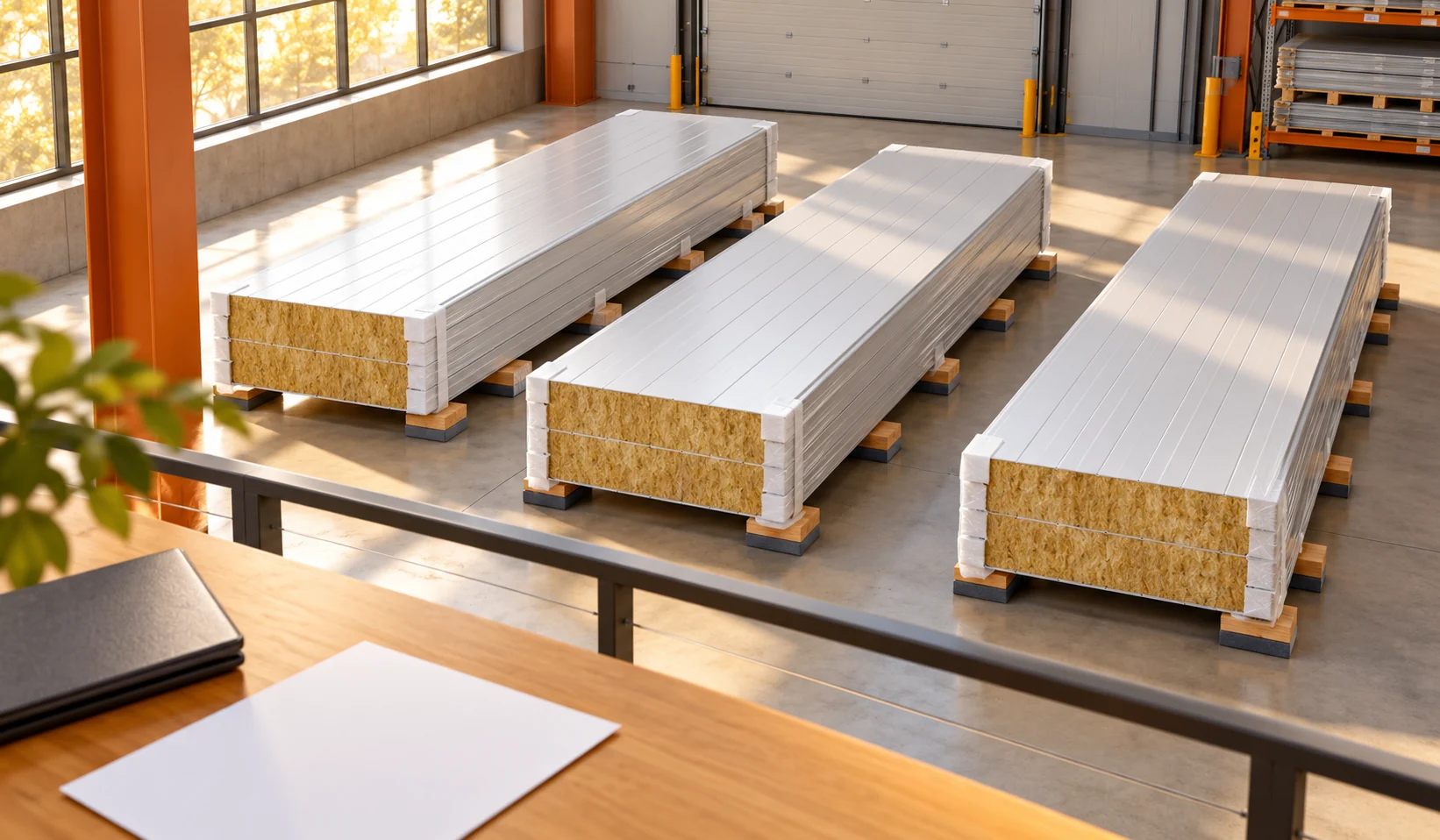
Two 100 mm insulated wall panels with a mineral wool core can have different prices and different properties. The price is affected by the facings, the coating, the fixing and the delivery conditions. A comparison only makes sense once the parameters have been aligned. It is also worth calculating the cost of the finished wall. A cheap panel in a non-matching size may require extras that eat up the initial saving. First establish the type of core and its thickness. Then check both facings, the type of coating and the fixing method. A panel with a visible fastener and a panel with a hidden lock may belong to different families. Their prices do not describe the same solution. A similar colour does not even out these differences.

By |2026-11-14T10:55:14+01:002024-02-21|Building academy|Comments Off on How to compare prices for insulated wall panels with a mineral wool core on a like-for-like basis?

Safe removal of moss and algae from metal roof tiles

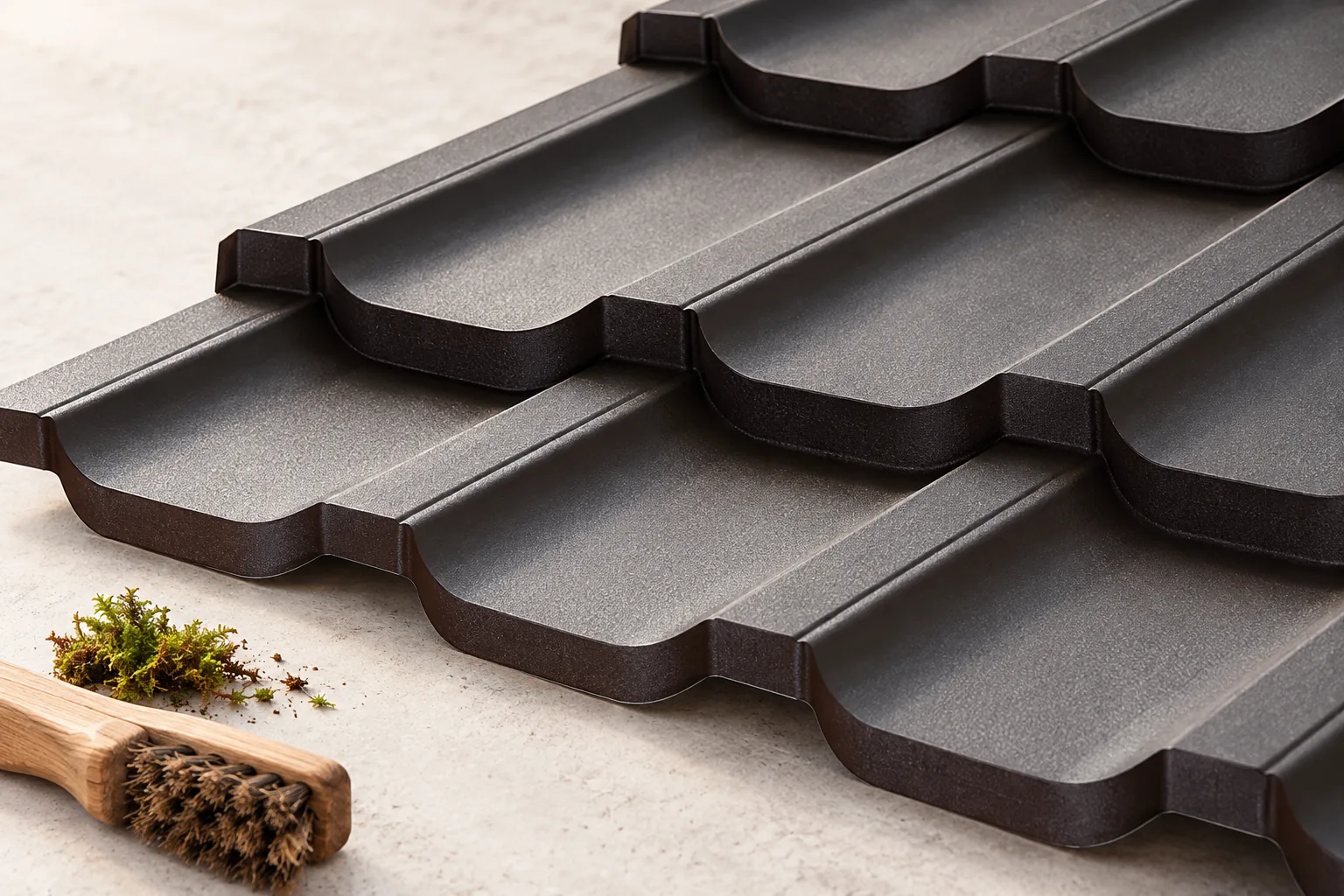
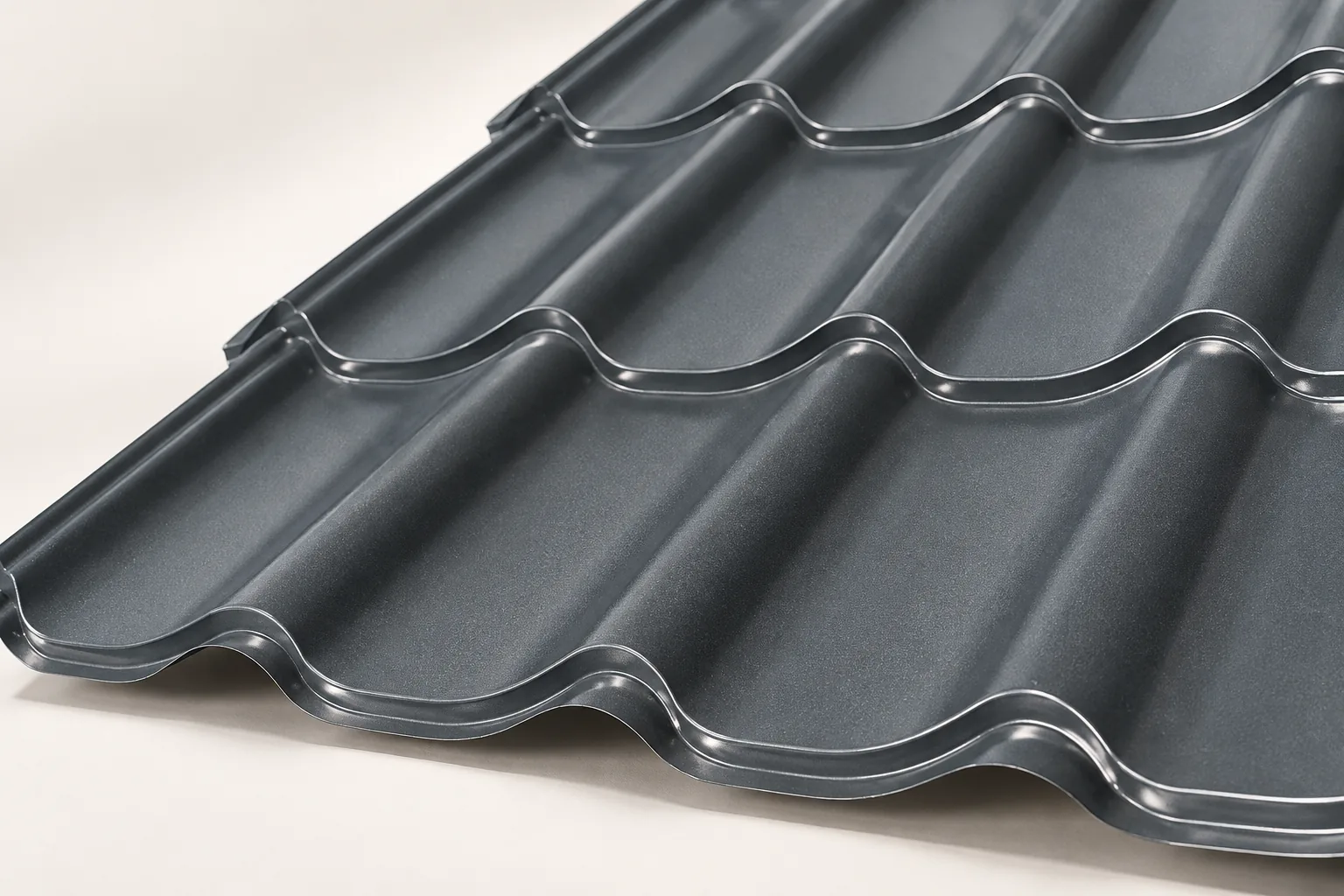
Safely removing moss and green film from coated steel roofing means gentle cleaning matched to the type of soiling and the condition of the coating, not merely a quick reveal of the sheet colour. First assess whether it is moss, a thin film of algae or dirt-bound deposit, and inspect the coating for flaking, scratches and corrosion. Check for water pooling and clear drainage, since washing alone will not remove the cause. Check the cleaning instructions for the specific coating before choosing a product. If the work requires access at height, agree on a cleaning method and safe access with the contractor.

By |2026-11-14T20:37:45+01:002024-02-19|Building academy|Comments Off on Safe removal of moss and algae from metal roof tiles

Why does a photovoltaic roof produce different power on sunny frosty days and in summer heat?

Strong sunlight is not the only factor determining the instantaneous output of a photovoltaic system. Cell temperature also matters. In typical silicon modules, cooler operation favours output at the same amount of light. This does not mean, however, that winter will deliver greater annual production than summer. Shorter days, the sun's angle, snow and weather can outweigh the benefit of lower temperature. Air temperature in the shade is not the temperature of the active roof surface. Cells absorb radiation and heat up during operation. Their conditions also depend on wind and heat dissipation through the covering. A summer ambient temperature reading alone therefore does not allow you to determine how the photovoltaic layer is performing.

By |2026-11-15T19:35:46+01:002024-02-14|Building academy|Comments Off on Why does a photovoltaic roof produce different power on sunny frosty days and in summer heat?

Which roof coverings can keep the weight down?

When choosing a lightweight roof covering, the key is to compare complete roof systems rather than the sheets alone. Metal roof tiles and trapezoidal sheets have low mass, which eases transport and can help during renovation. You should check whether the offer states the mass of the whole system, including battens, membranes and insulation, and whether both proposals use the same measurement boundary. It is also worth establishing which profile, steel thickness and support spacing are assumed, because stiffness depends on the entire assembly, not just the material name.

By |2026-11-15T00:23:40+01:002024-02-04|Building academy|Comments Off on Which roof coverings can keep the weight down?

What thickness of PIR can replace a layer of polystyrene?

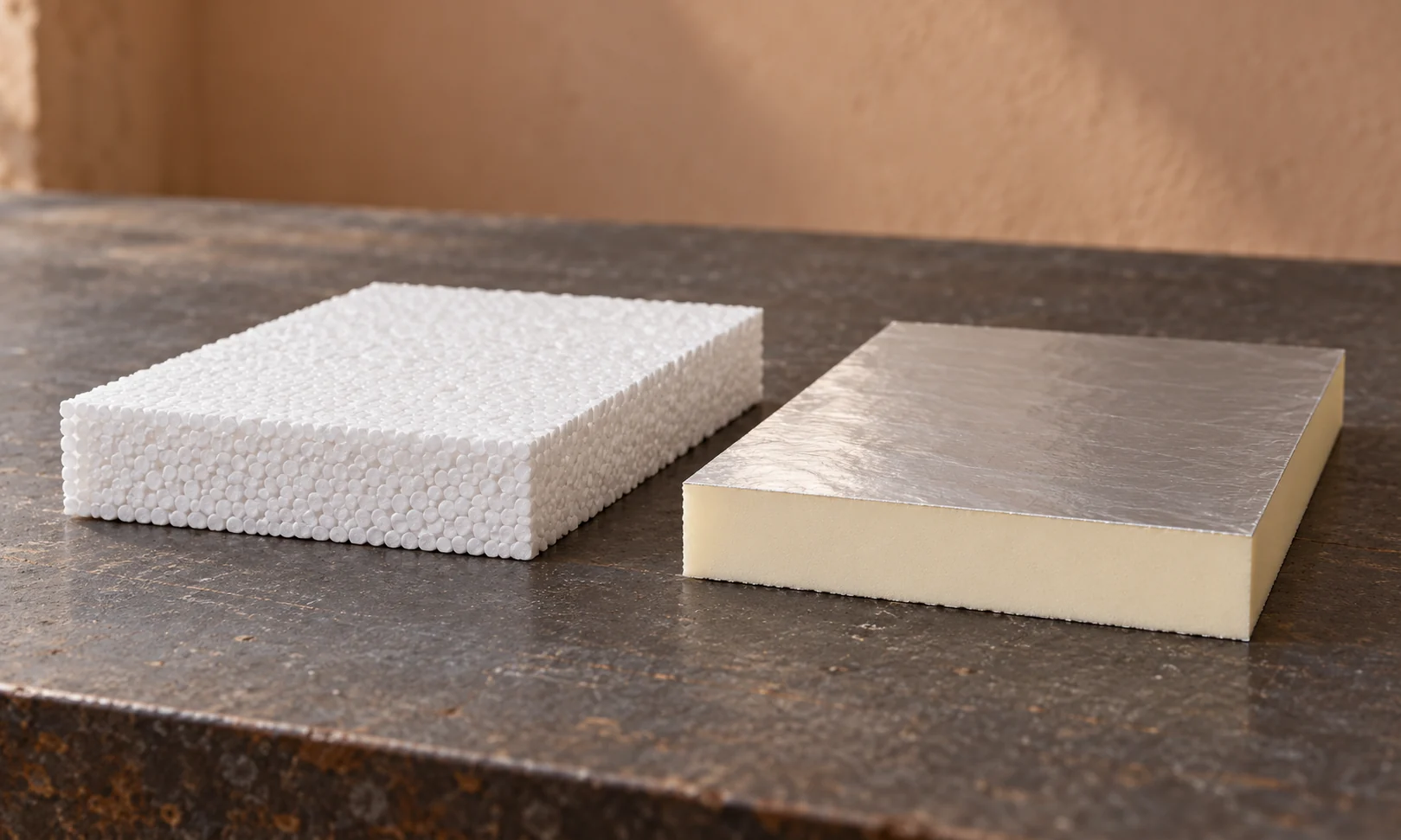
Replacing polystyrene with PIR starts with comparing thermal resistance. There is no single fixed thickness conversion factor for all products. Two λ values and a clear comparison objective are needed. Equal layer resistance does not yet mean that the materials can be freely interchanged in a façade or internal insulation system. PIR comes with different facings and declared properties. λ may also depend on the thickness range. Polystyrene is also not a single variant with a common parameter. Therefore, the statement “half the thickness is always enough” omits the data that determine the result. Specific materials must be compared.

By |2026-11-14T10:56:06+01:002024-02-03|Building academy|Comments Off on What thickness of PIR can replace a layer of polystyrene?

Sandwich panels and steel sections: their roles in a building enclosure

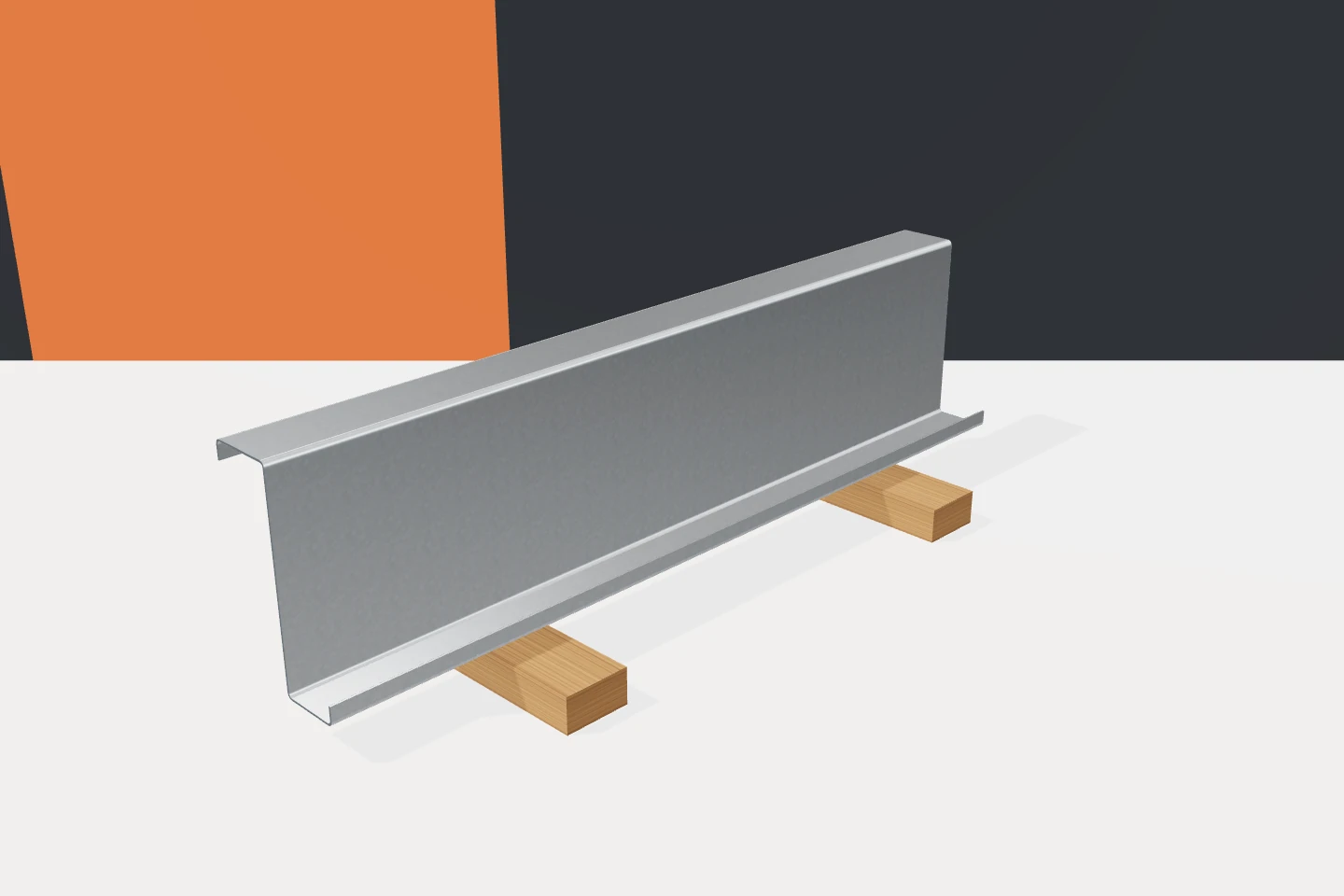
A roof or wall made of insulated sandwich panels looks like a single continuous surface once installed. Beneath it, however, various elements are at work. The panel transfers loads to the supports, and cold-formed profiles carry them onward to the main structure. Z-sections, C-sections, sigmas and omegas can perform different functions in this system. A sound connection between the envelope and the structure requires a clear division of tasks. It is not enough to buy a strong panel and a strong profile separately. The panel's span depends on its type, thickness, facings and load. The structural scheme also matters. A panel supported on two supports is not assessed in the same way as a continuous panel over several bays. That is why the spacing of purlins or rails is not chosen solely according to a convenient hall module. The documentation for the selected envelope must be checked.

By |2026-11-15T19:34:19+01:002024-02-02|Building academy|Comments Off on Sandwich panels and steel sections: their roles in a building enclosure
Back to top