What makes wall sandwich panels easier to install?

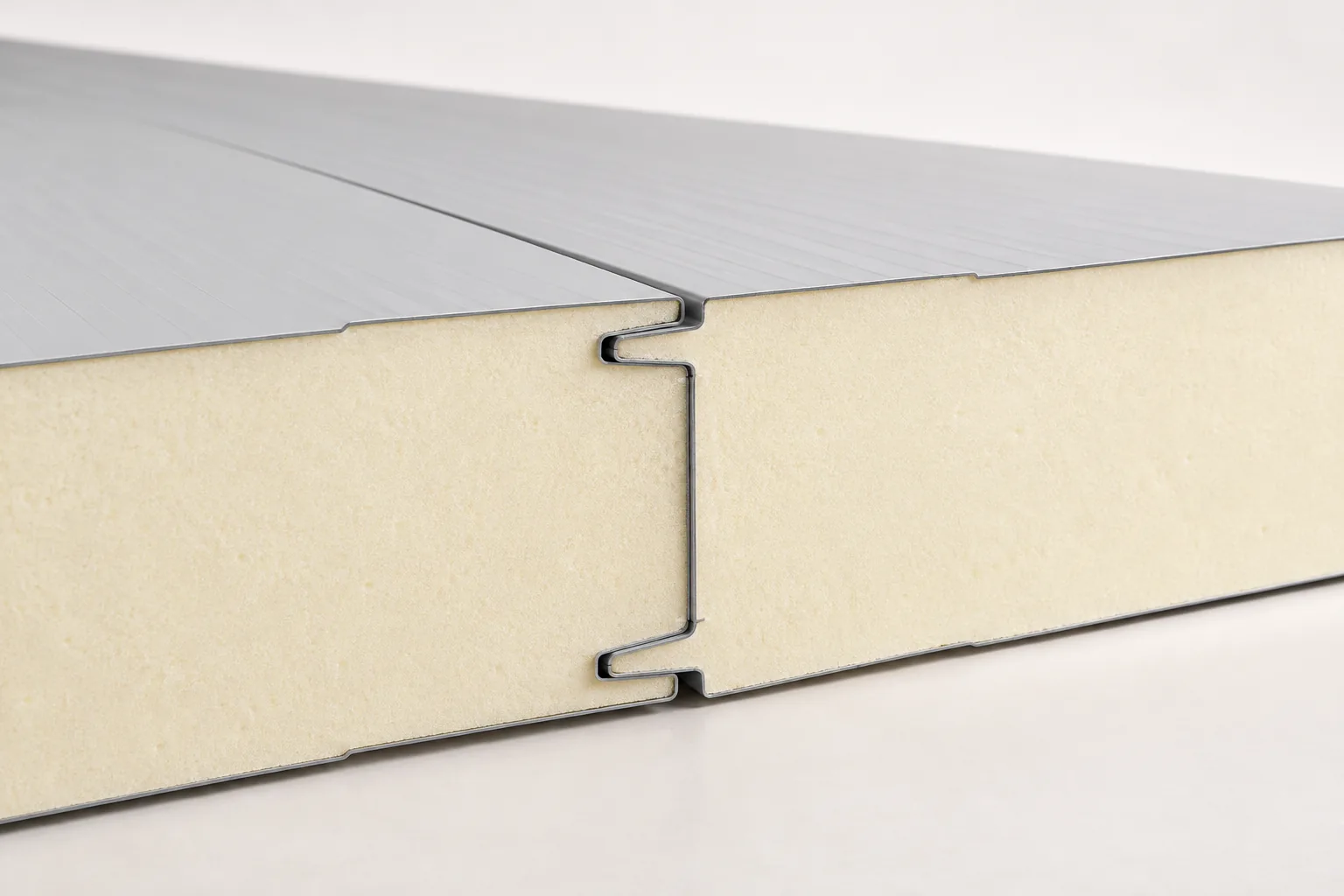
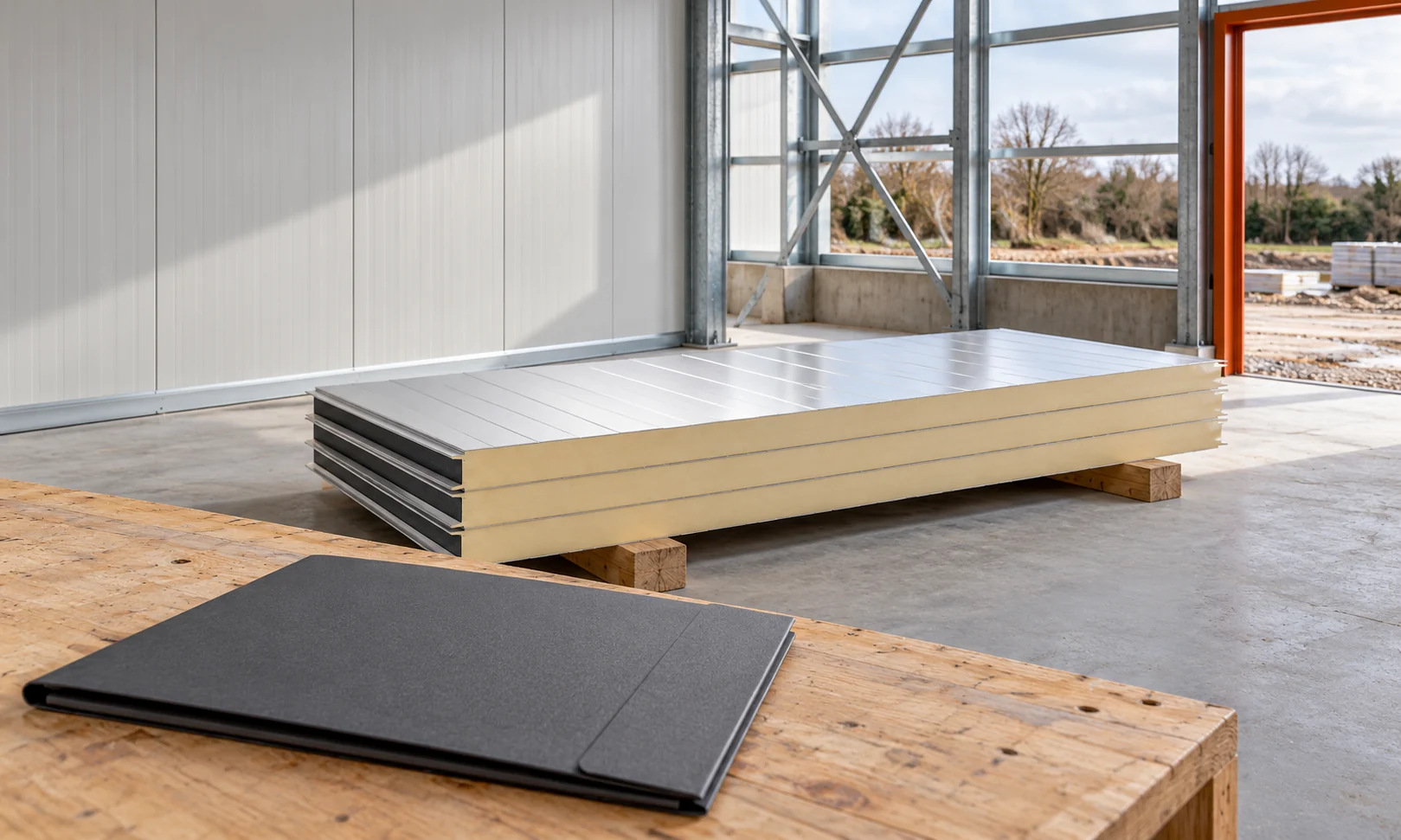
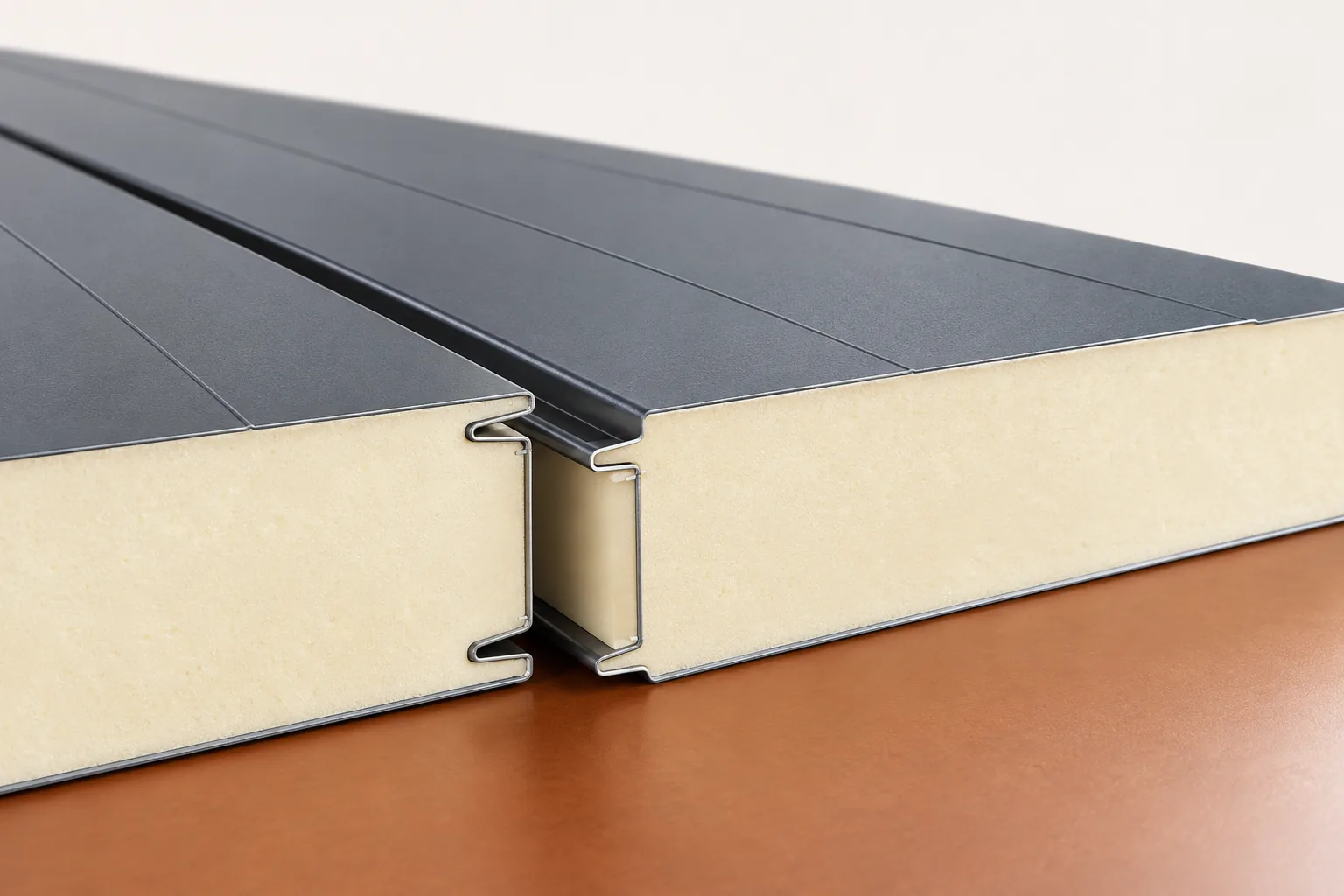
In Poland, installing a wall sandwich panel is made easier by the factory bonding of facings to the core, so that a ready-made cladding element arrives on site rather than several layers laid in stages. Before work begins, however, the spacing, plumb and plane of the supports should be checked, along with whether openings and flashings match the documentation. Equally important are the choice of fasteners and lifting equipment and the correct closing and sealing of joints. Measuring, the sequence of panel placement and careful detailing determine the pace and quality of installation.
By |2026-11-14T17:11:42+01:002026-09-28|Building academy|Comments Off on What makes wall sandwich panels easier to install?

A hole in a profile is no small matter. How do connections affect the structure?

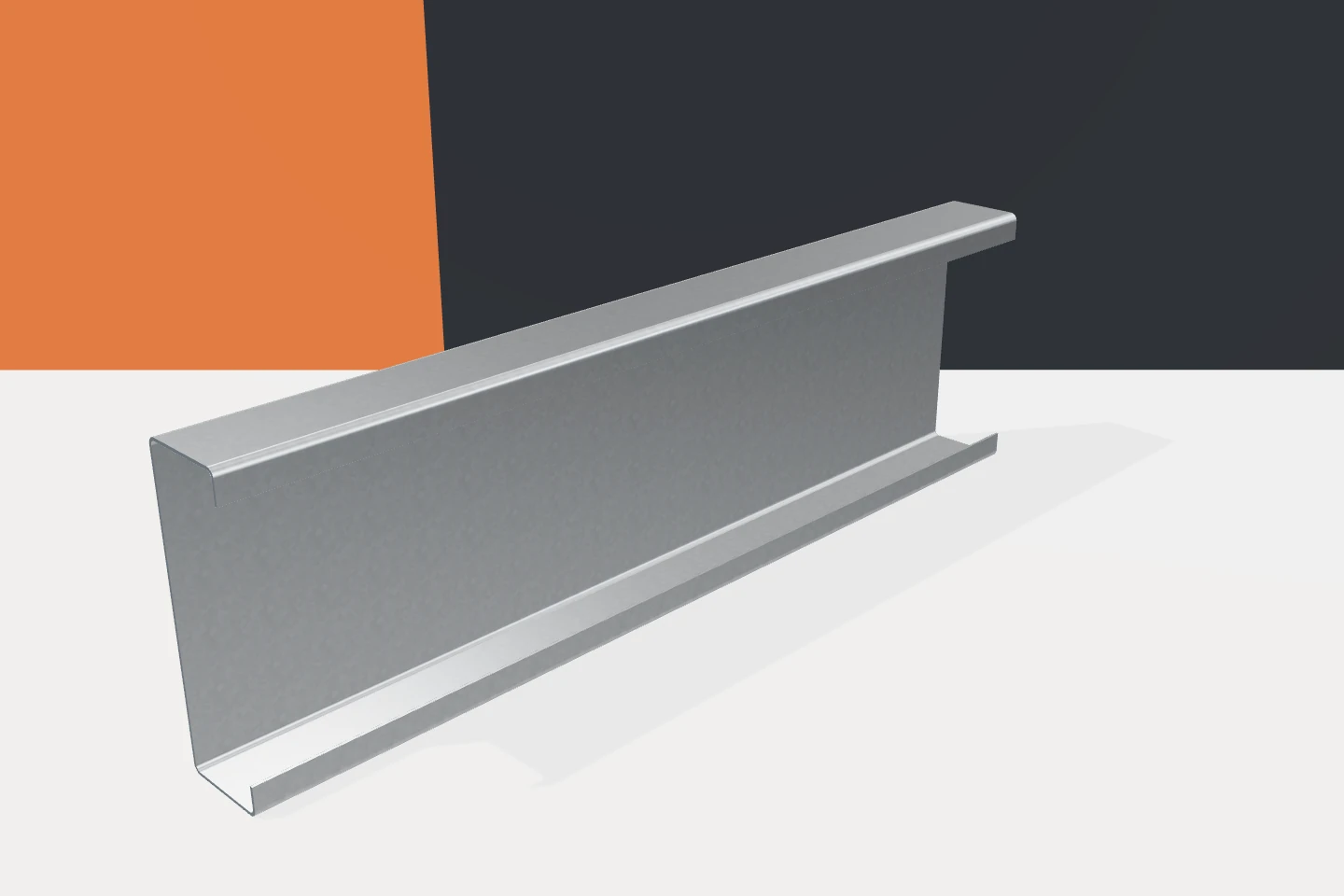
A bolt is small compared with a purlin several metres long. Nevertheless, it is around the bolt that forces pass from one element to another. Cold-formed profiles therefore require carefully designed connections. This applies both to roof z-purlins and to wall channel sections. Holes, washers and intermediate plates form a system with a specific task. Randomly matching components does not guarantee that this task is fulfilled. On a structural drawing, a connection often looks like a point. In the building it consists of plates, holes and fasteners of specific dimensions. Each part has limitations. A thin web may be sensitive to local bearing or tear-out. For this reason, a strong bolt does not yet guarantee an equally strong joint. The entire load transfer path is assessed.

By |2026-11-15T19:30:45+01:002026-08-01|Building academy|Comments Off on A hole in a profile is no small matter. How do connections affect the structure?

Stains below a parapet: checking the metal coping and its joints

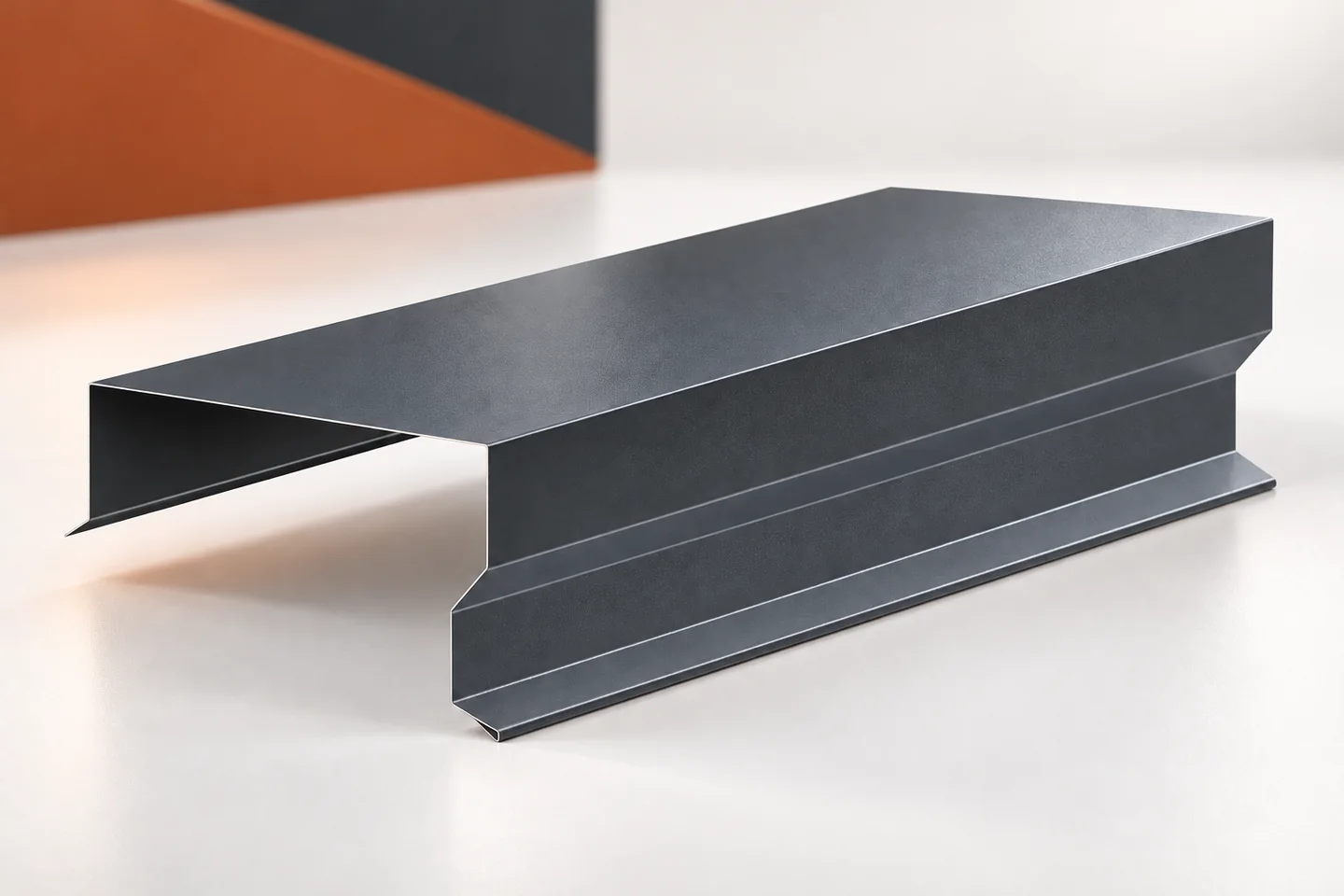
Dark streaks under a parapet are often the result of poorly directed water. Not every stain, however, means a leak through the flashing. Water may run down its outer surface or pass beneath a joint. The parapet coping should be assessed as a sequence of elements, corners and terminations. The roof's tightness also depends on the layers beneath the covering. The visible sheet metal alone does not describe the whole solution. A photograph of the façade taken after rainfall is useful. It shows whether water leaves a trace under every joint or only in one place. A regular pattern of streaks may suggest a repeating detail. A single stain at a corner, on the other hand, requires checking the local termination.

By |2026-11-15T04:22:38+01:002026-07-01|Building academy|Comments Off on Stains below a parapet: checking the metal coping and its joints

Sandwich panel façades: specifying the finish and fixing system

A facade made of sandwich wall panels needs a well-considered choice of appearance and installation. The panel consists of two metal skins bonded to an insulating core, so it quickly closes a wall and gives a regular layout. When selecting the profiling, colour and fixing method, take into account the internal temperature, fire requirements and the building structure. The tightness of the joint is as important as the colour of the visible surface. Remember that the panel requires support, fixings and flashings, while a facade sheet is a different scope of function.

By |2026-11-15T00:21:45+01:002026-05-20|Building academy|Comments Off on Sandwich panel façades: specifying the finish and fixing system

Is every roof with concealed fixings an integrated roof?

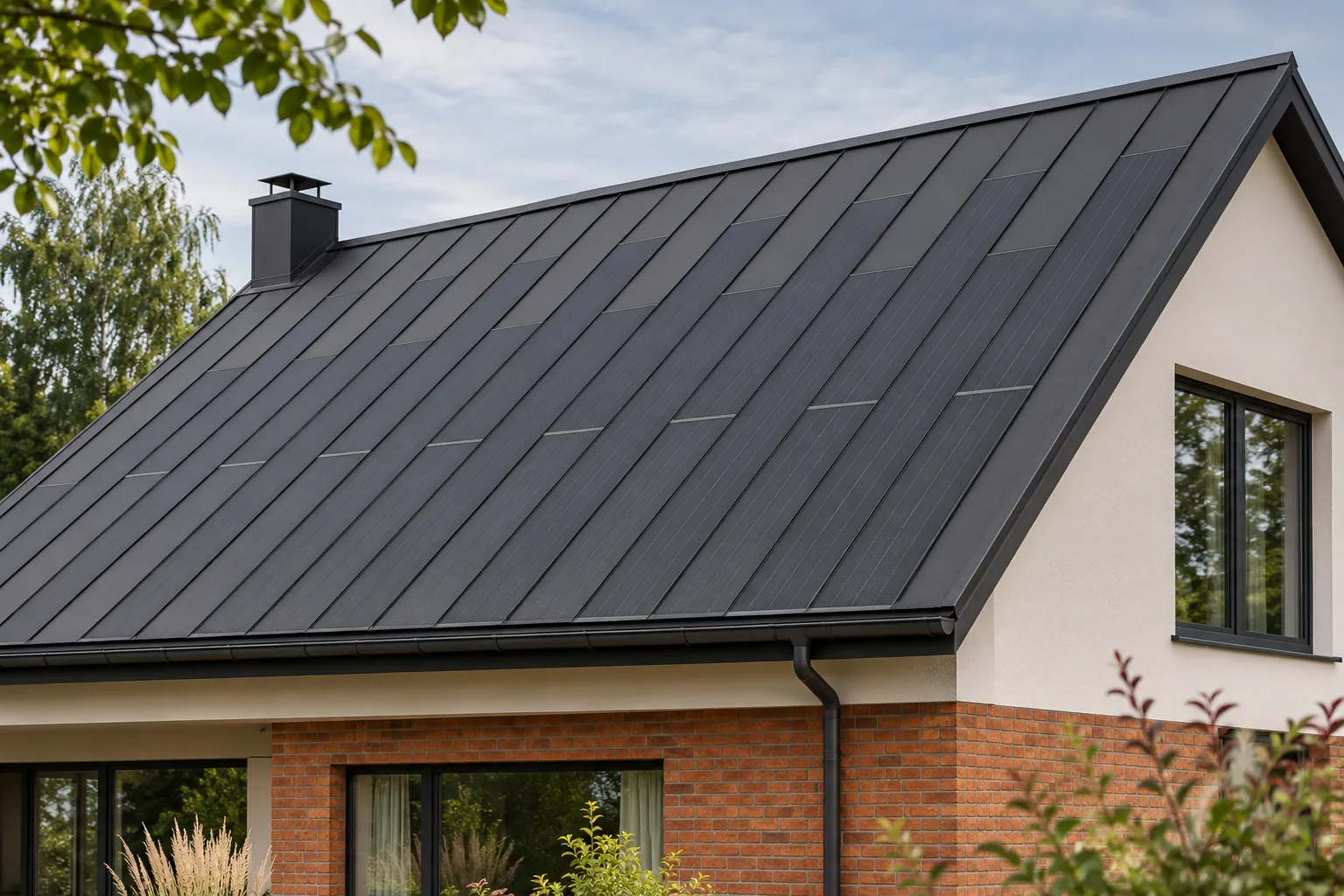
A neat installation can almost merge with the roof surface and yet remain an addition to a conventional covering. Integration is not determined by colour alone or by a hidden fixing. It must be established whether the photovoltaic element also performs a building function and what will remain once it is removed. This allows solutions to be compared by their actual construction, and not solely by photographs and the names used in advertising. Imagine removing an active section. If a complete covering remains beneath it that continues to fulfil all its functions unchanged, you most likely have an added installation. If a suitable roof element has to be inserted to restore the roof's function, the integration has a building dimension.

By |2026-11-15T19:35:57+01:002026-04-17|Building academy|Comments Off on Is every roof with concealed fixings an integrated roof?

Where should you start when installing sandwich panel cladding?

The sandwich panel is part of the cladding. It must fit the structure, openings and services. That is why preparing for installation begins earlier than unloading. First the panel layout and the sequence of details are established. Only then are the equipment and the crew selected. This plan limits cuts, downtime and corrections on a small building. Determine whether the interior will be permanently heated, periodically cooled or frequently washed. Moisture, temperature and the type of contaminants matter. Such a description allows the core, coatings and seals to be checked. The term ‘utility pavilion’ alone leaves too many unknowns.

By |2026-11-14T13:13:50+01:002026-03-27|Building academy|Comments Off on Where should you start when installing sandwich panel cladding?

How chimney flashings keep rain out at the roof junction

Chimney flashings are the elements that drain water where the roof slope is intersected by a chimney. When assessing them, check whether the arrangement of laps allows water to bypass the obstacle at the sides and return to the covering, rather than relying solely on a bead of sealant. The shape of the flashing depends on the sheet profile and the chimney's position, so not every detail suits every covering. The potential for movement between the structure and the chimney should also be considered to avoid breaking the seal of a rigid connection.

By |2026-11-15T00:22:51+01:002025-12-07|Building academy|Comments Off on How chimney flashings keep rain out at the roof junction

How to choose a joint for timber beams

How timber beams are connected follows from the forces in the joint, the timber cross-section and the bearing location – not from how solid the connection looks. Before installation, establish the geometry, the fasteners and the edge distances; this also applies when repairing an existing roof structure. A beam end resting on a post behaves differently, since part of the load can pass through contact pressure in the timber, from the joint between two lengths between supports, where force transfer, uplift, slip and possible torsion must also be checked.

By |2026-11-15T00:22:46+01:002025-12-05|Building academy|Comments Off on How to choose a joint for timber beams

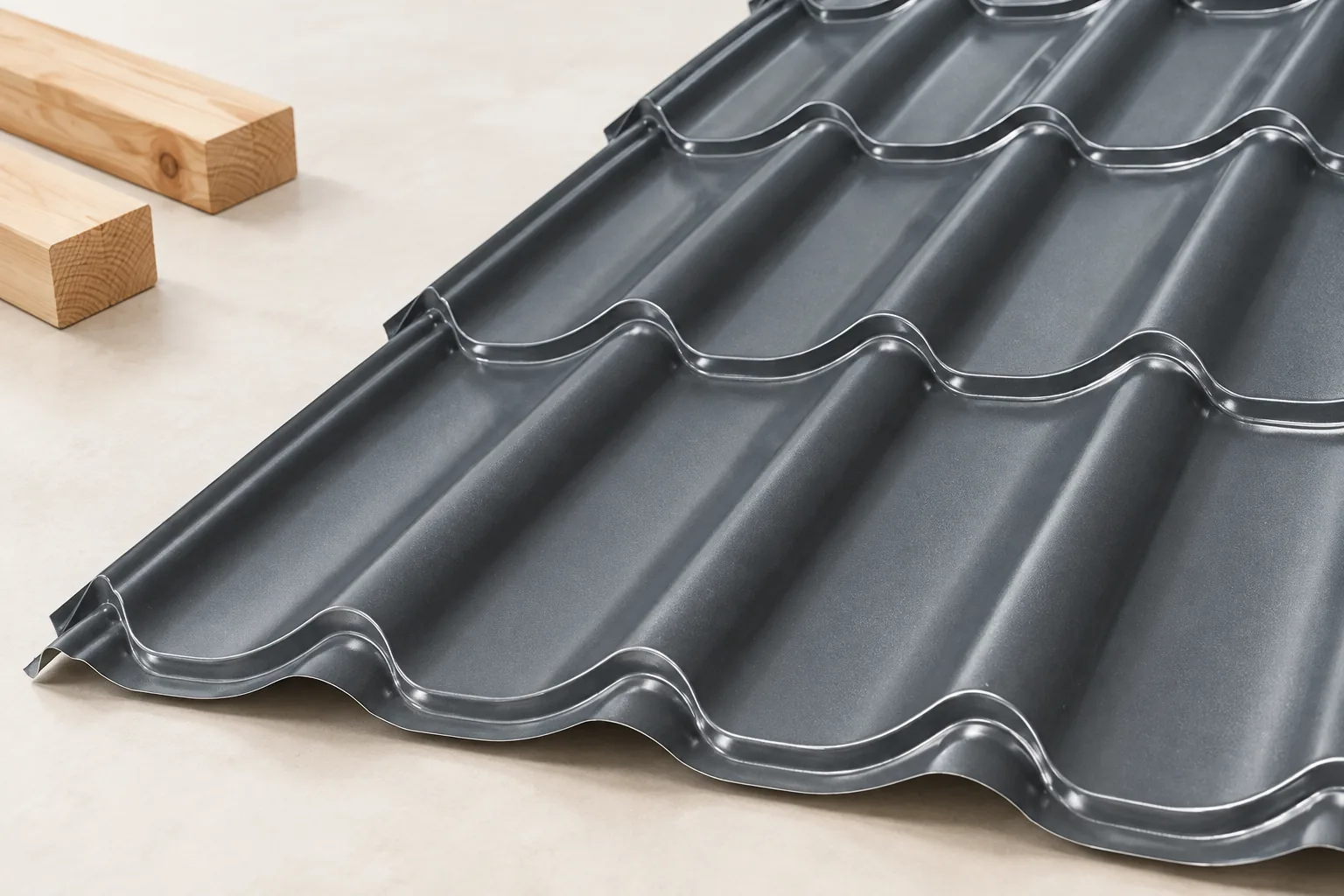
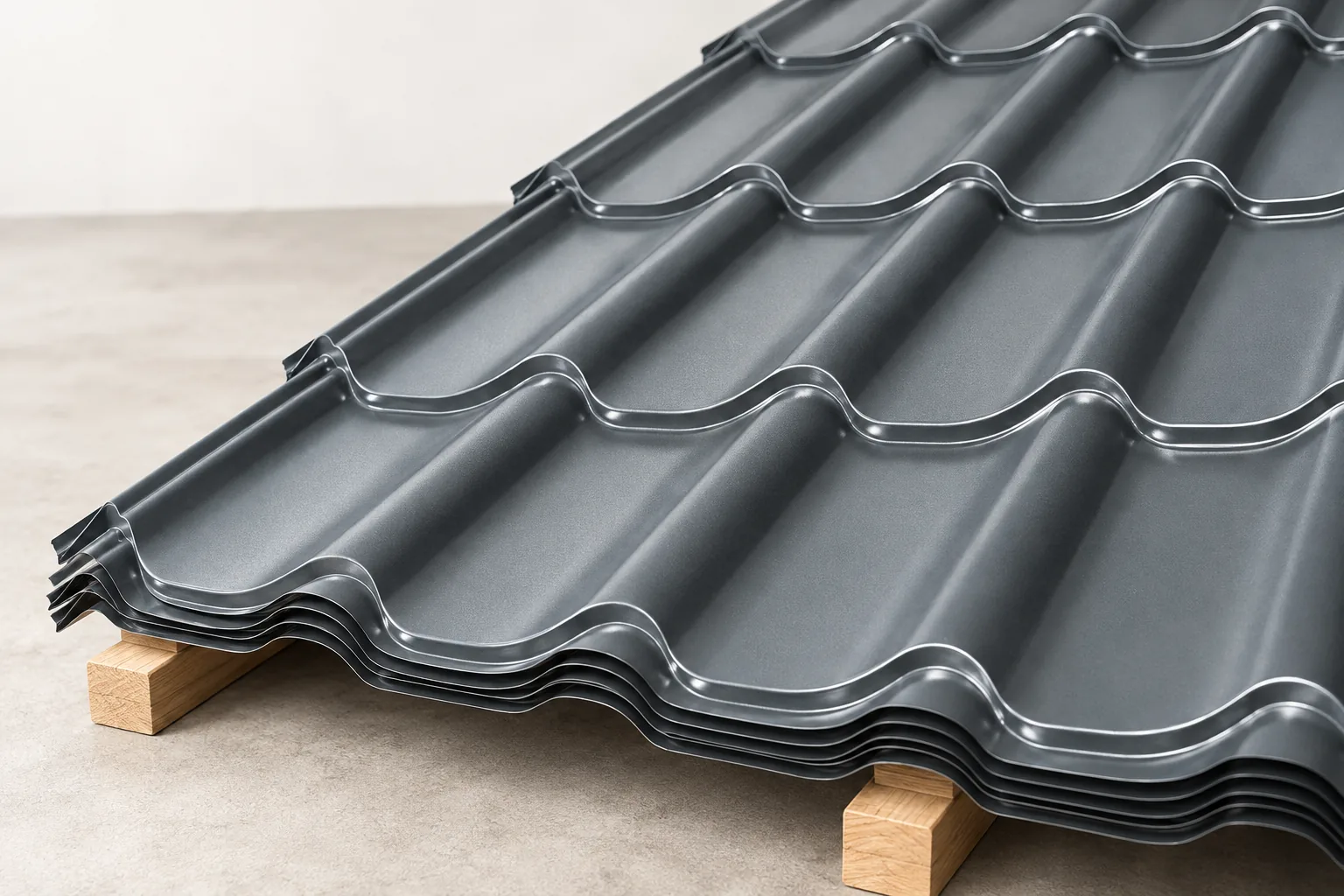
Metal roof tiles on site: taking delivery, storing sheets and drying a wet pack

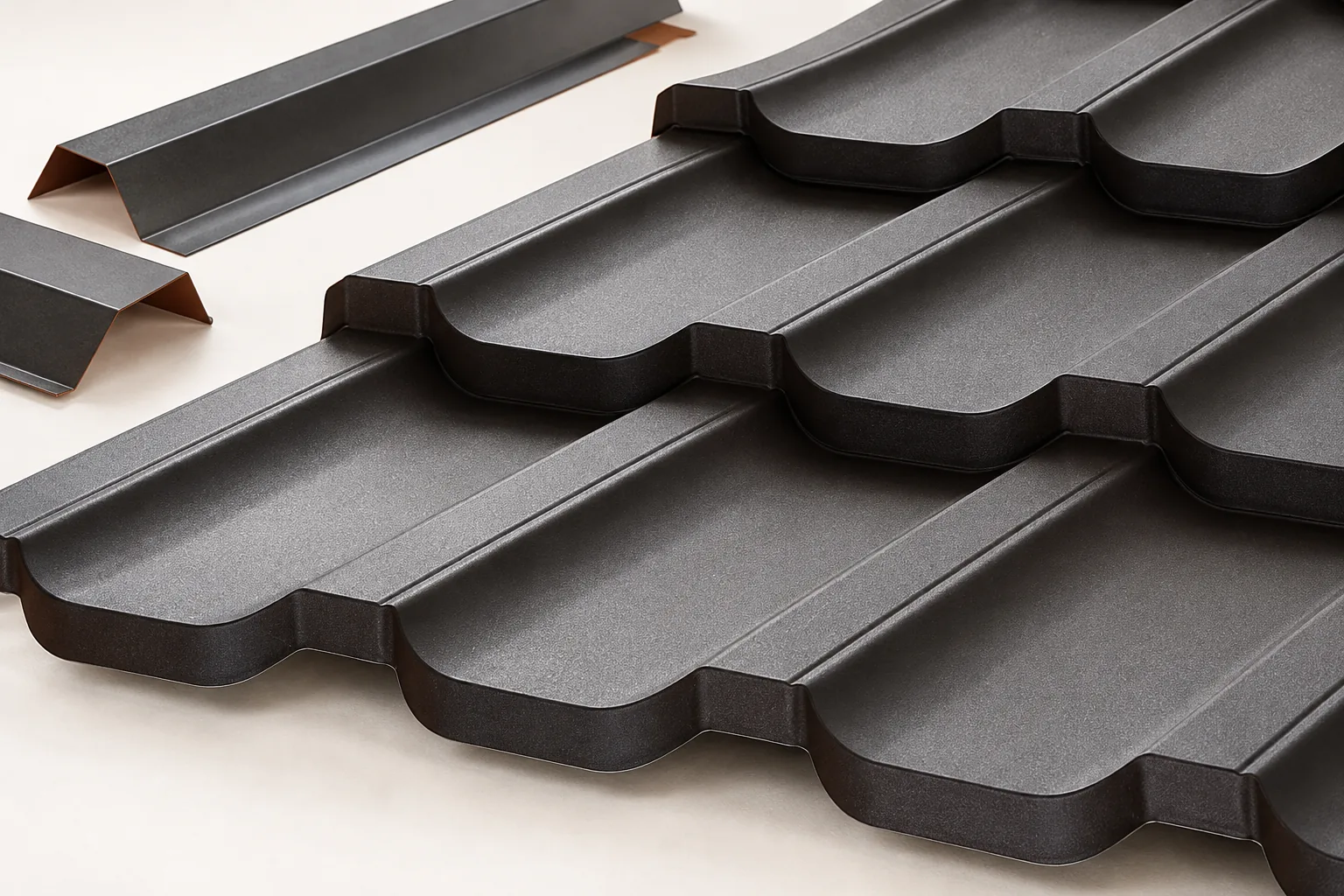
Before signing for a delivery of tile-effect sheets, compare the pack labels with your order. Do the sheet lengths, profile, finish and quantities tally? Look for dents in the packaging, signs that the sheets have slipped, and evidence of moisture. Photograph any damage before unloading, while it is still possible to show how the pack arrived. Choose a handling method suited to its weight and dimensions and a dry, ventilated storage space that meets the manufacturer’s instructions. An undamaged outer sheet can hide a wet or damaged sheet underneath.

By |2026-11-15T04:19:52+01:002025-10-28|Building academy|Comments Off on Metal roof tiles on site: taking delivery, storing sheets and drying a wet pack

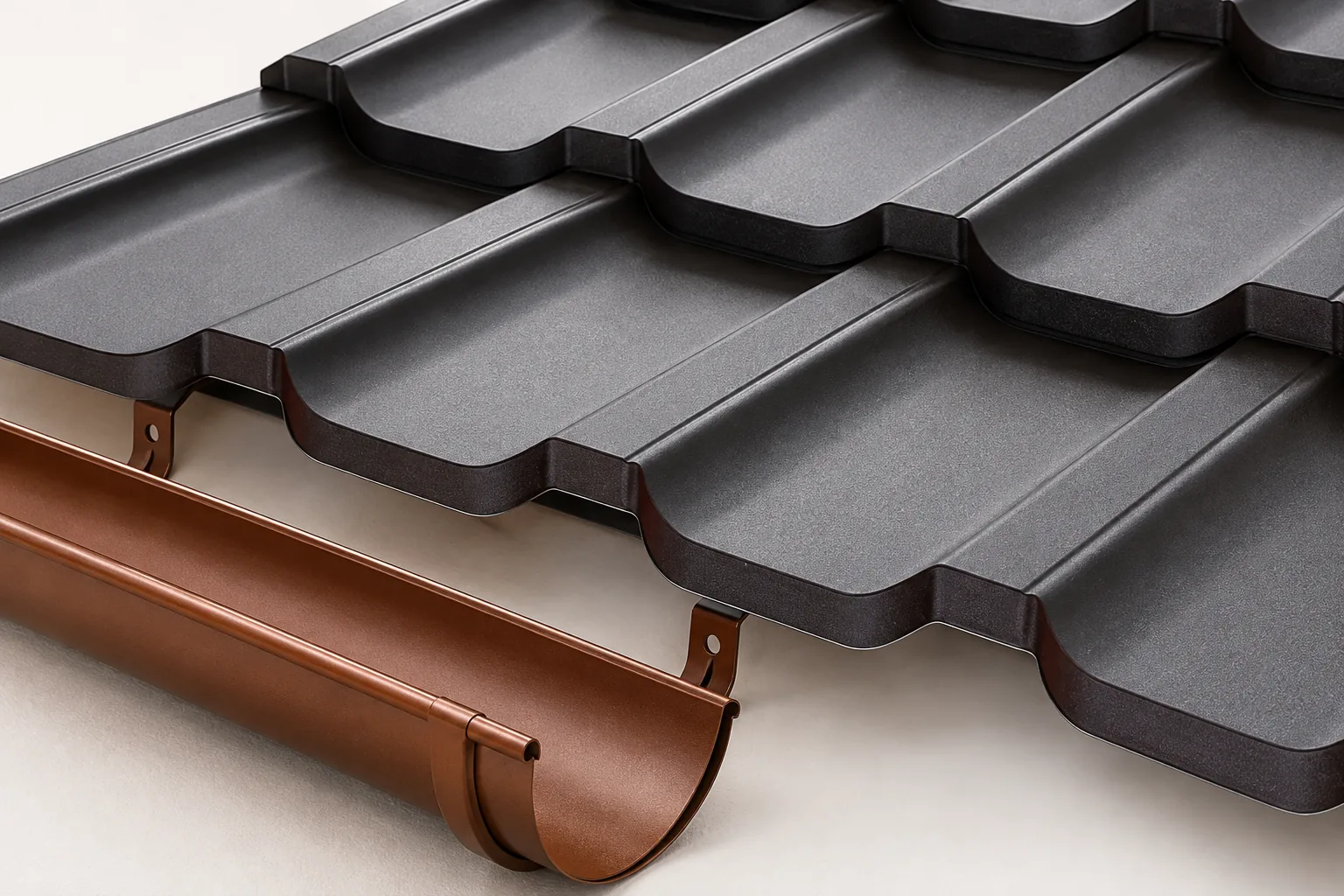
Fitting gutters so rainwater reaches the outlet

Whether roof water reaches the drain depends primarily on selecting adequate gutter capacity and positioning the downpipes, not on the eaves length alone. Check the effective drained area, the roof slope layout and points of increased inflow, such as a valley outlet. The setting of the brackets, the required fall and the allowance for thermal movement also affect water capture. Before closing the eaves with soffit, verify the gutter apron detail and the discharge of the underlay so that water does not reach the façade.

By |2026-11-15T00:23:57+01:002025-07-31|Building academy|Comments Off on Fitting gutters so rainwater reaches the outlet
Back to top