






Building academy
The Izoprofil.org building academy explains decisions made during construction and refurbishment. The articles start with the materials themselves, including sandwich panels, PIR insulation boards and profiled sheet metal. Learn the terms used in product descriptions and how several properties affect a complete assembly. Topics include thermal insulation, joints, moisture protection, roof coverings and purchasing. Each article includes a summary and contents to help you find the relevant detail. Use the guides alongside the drawings and product documentation for your own project.
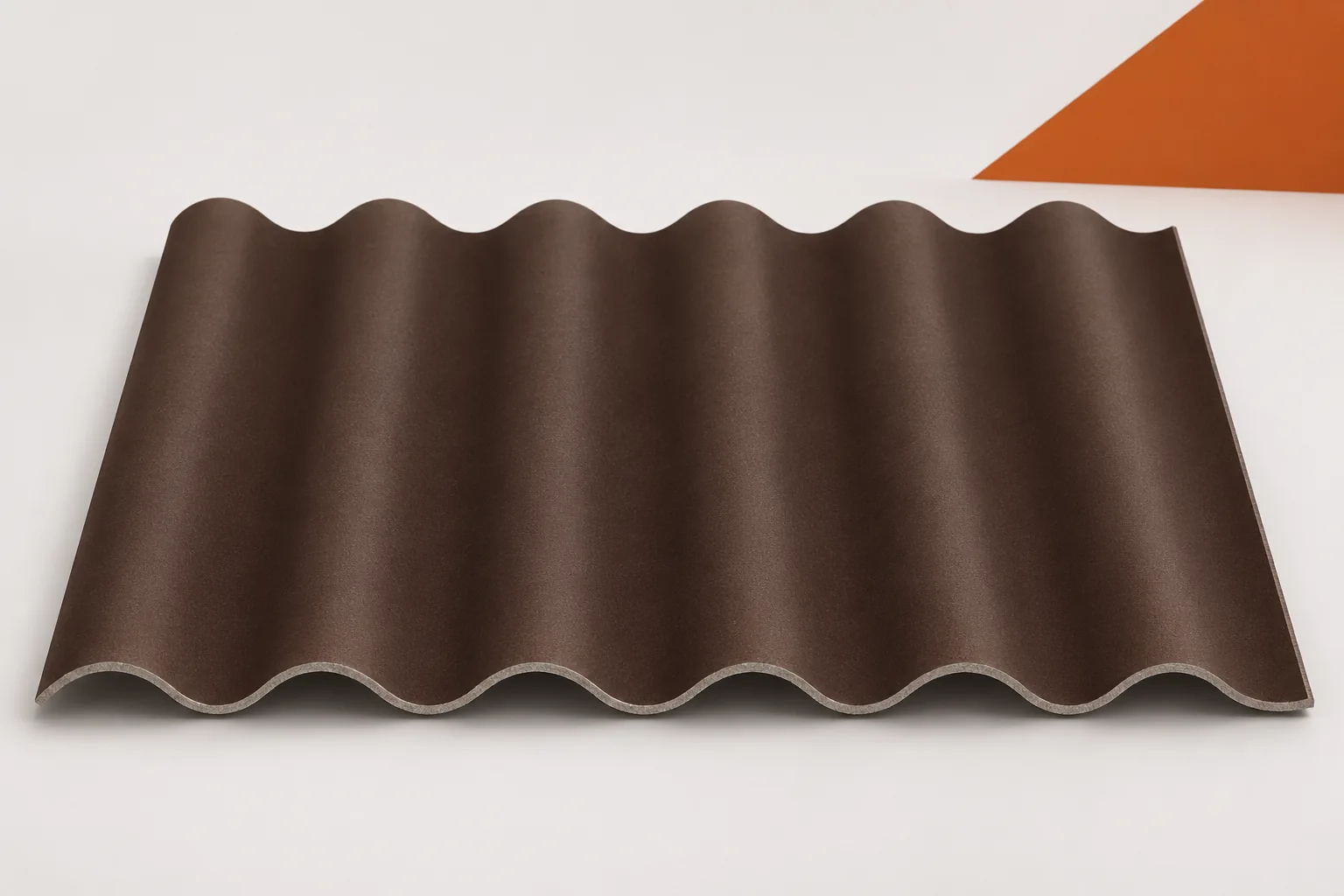
Is the old roof structure suitable for new corrugated roofing?
Replacing the sheets does not mean that the entire roof structure always has to be replaced. Nor does it justify leaving it without inspection. Corrugated fibre cement sheets require a structure suited to the weight, loads and method of fixing. Asbestos-free fibre cement can be considered for a renovated building only after assessing the existing roof. The key question is whether the old elements and connections will safely perform their function in the new arrangement. It is worth checking whether the roof was raised, extended or repaired after damage. Past alterations may not be visible on the original design. Periods of leakage, dampness and major internal alterations should be noted. Removing a wall or adding equipment may affect the structure.
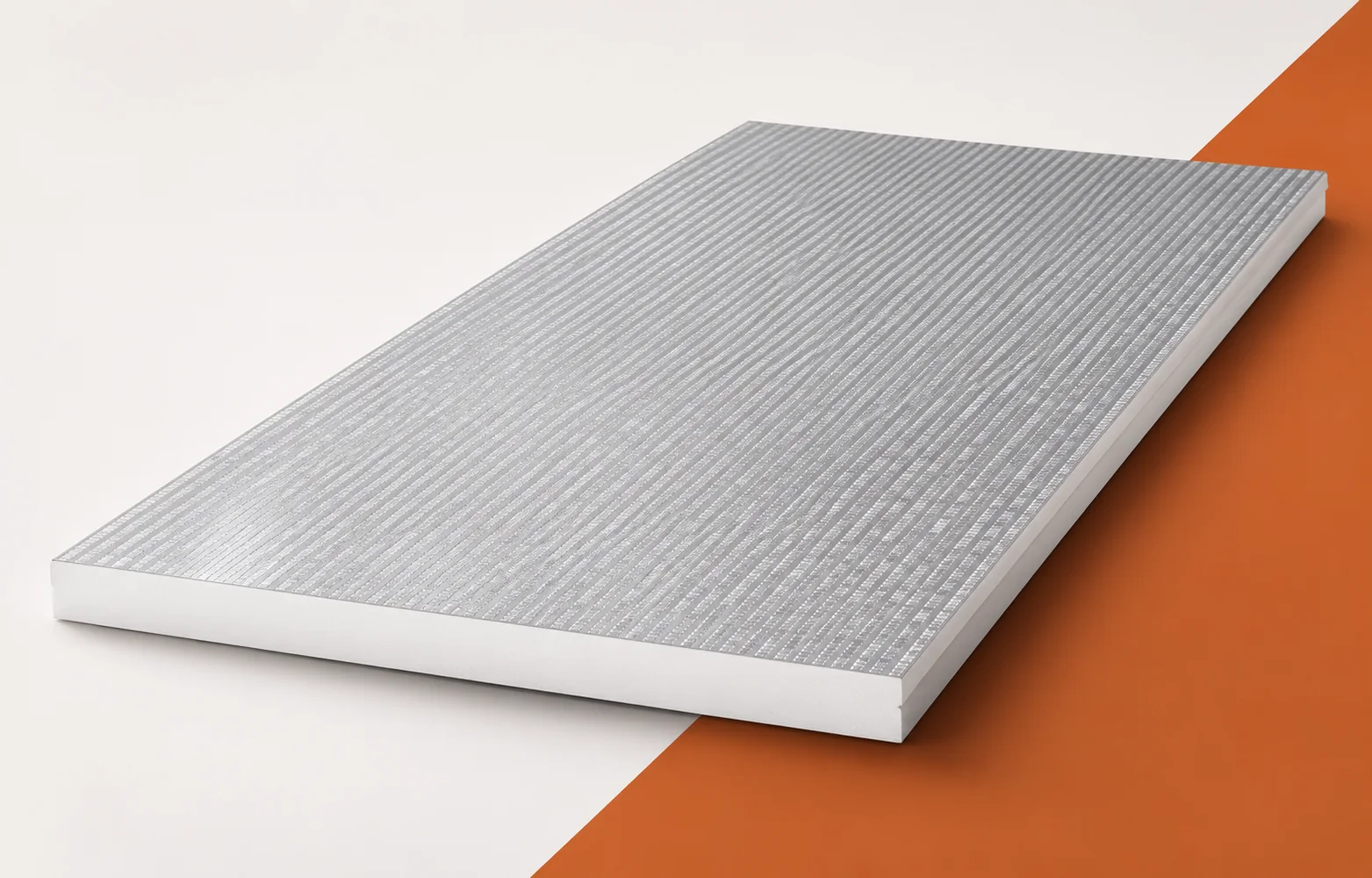
Thermano Roof and point loads: avoiding overestimates of board strength
The rigidity of Thermano Roof does not by itself determine the permissible loads: what matters is where the force is applied and how long it acts. The board is a rigid PIR product with a gas-tight multilayer aluminium facing on both sides; the manufacturer specifies it for, among other things, flat roofs and above-rafter insulation. In a pitched roof it lies above the rafters, so the assessment concerns its connection to the terminations at the eaves and at openings. The bearing surface, the duration of the load and the behaviour of the other roof layers determine whether the hardness of the board has been overestimated.
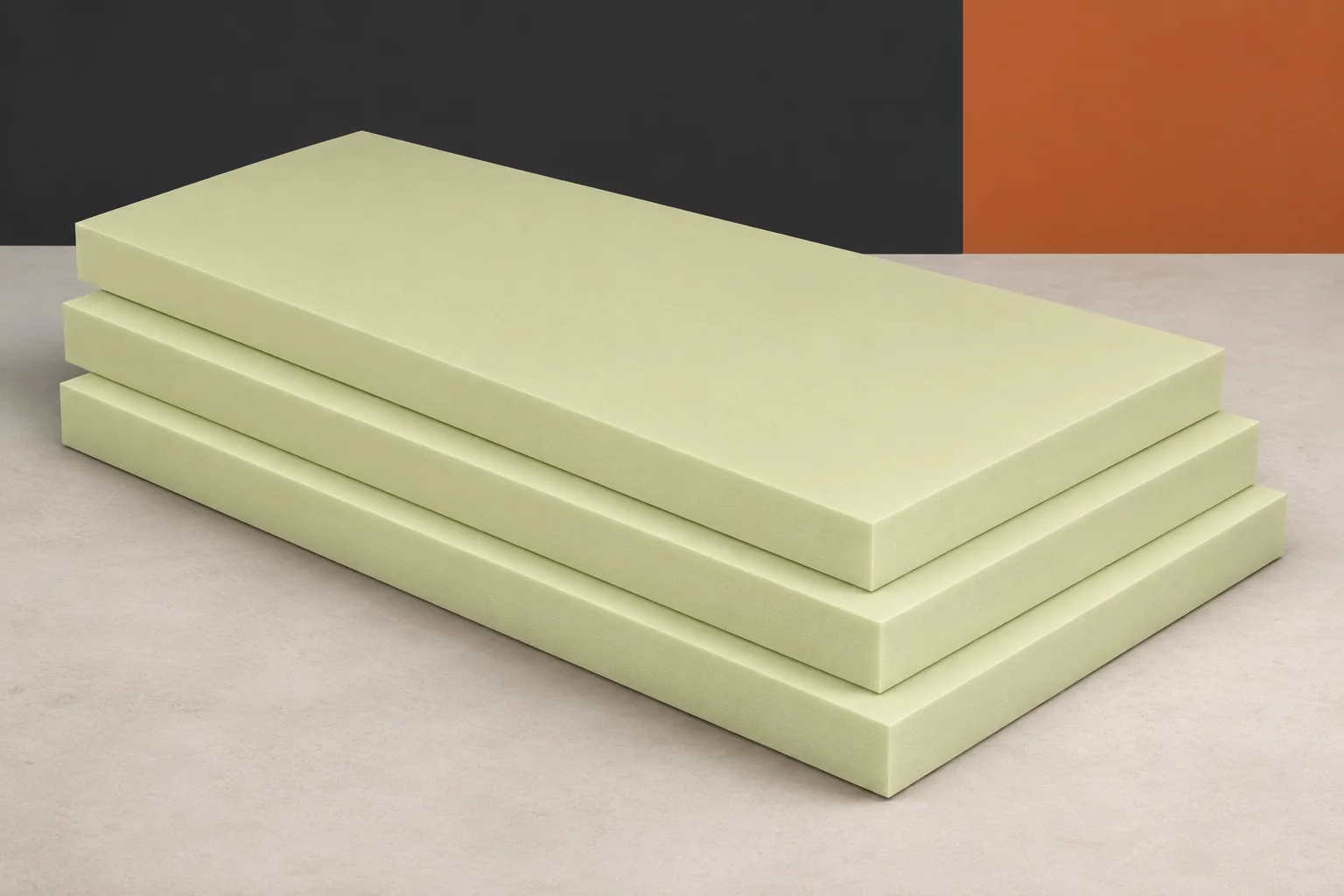
XPS in an inverted roof. How does the build-up above the waterproofing work?
In an inverted roof, the XPS boards lie above the waterproofing. This changes the conditions under which they perform. The insulation comes into contact with rainwater and carries the weight of the layers laid above it. Extruded polystyrene is suitable for such applications in appropriately selected grades. However, the material name alone does not describe the whole solution. The term styrodur is also used colloquially, but when ordering, specific XPS properties and the roof design are needed. In a classic flat roof, the layer protecting against rain is above the thermal insulation. In the inverted build-up, the order is different. First, a tight waterproofing is applied to the prepared substrate, and only above it is the XPS laid.
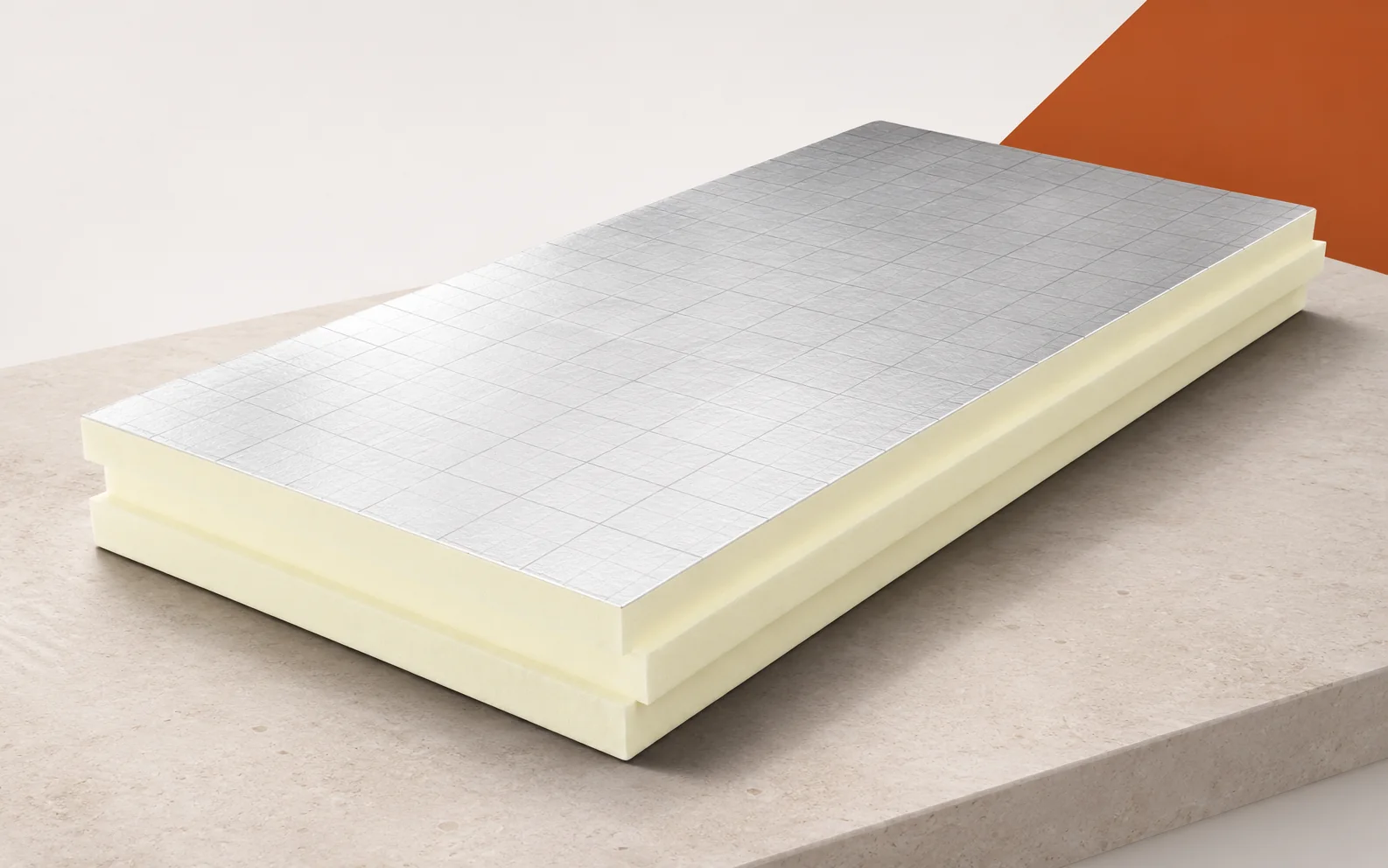
Do closed cells mean the same thing in PIR and XPS?
The PIR keyword instead of XPS sounds simple, but it hides several different questions. Is it about reduced thickness, performance under load, or contact with water? Each answer requires different data. PIR boards should be compared with a specific product and in a defined section, without creating a single ranking for all applications. In many comparisons, PIR boards with aluminium foil facing have a lower lambda than selected XPS boards. As a result, the required thermal resistance can be achieved with a smaller thickness. However, the value must be checked for both specific products. With XPS, as with some PIR variants, the thickness range can affect the declaration.
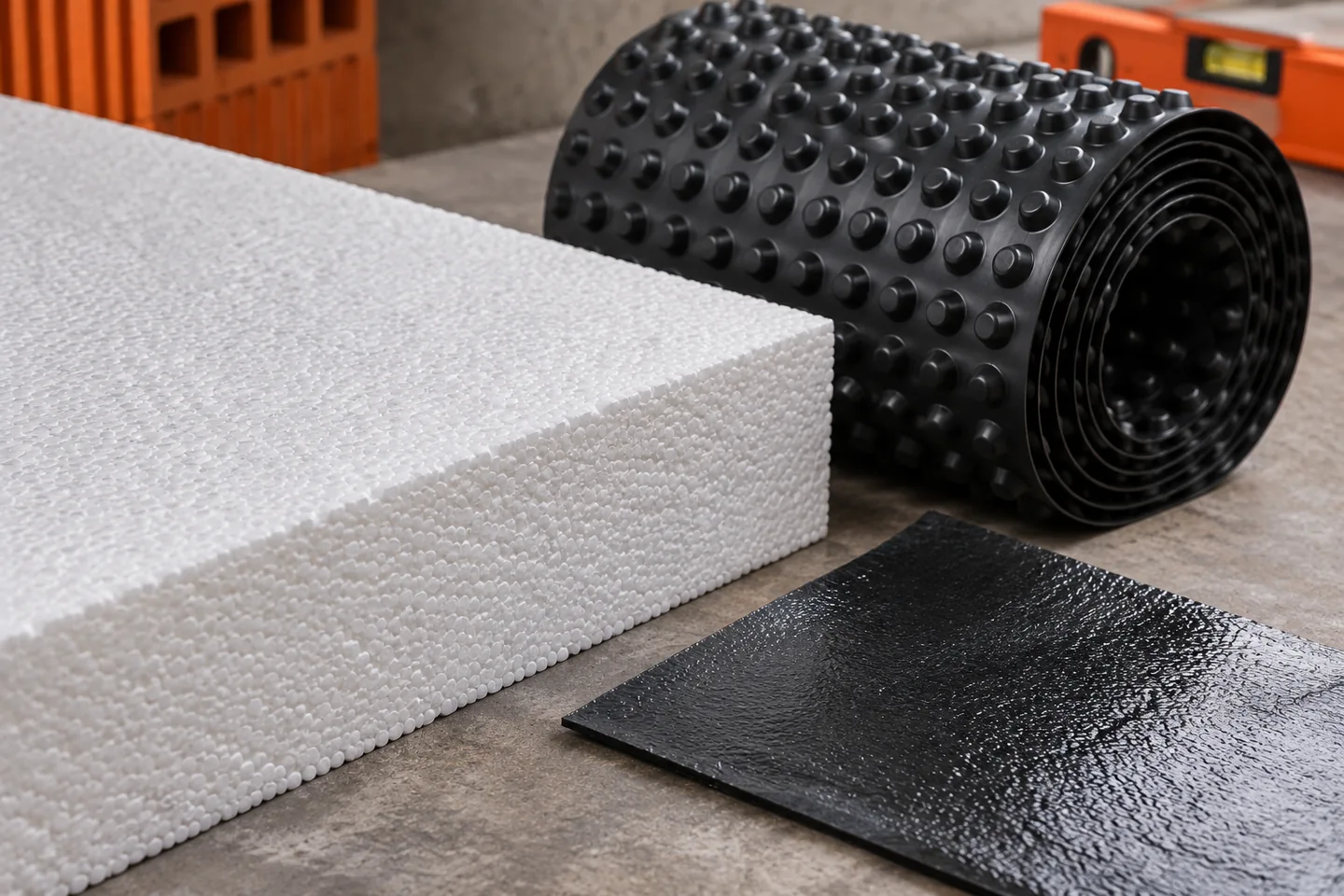
Does a dimpled membrane replace waterproofing alongside EPS insulation?
A dimpled membrane does not by definition replace foundation waterproofing. Depending on the product and the system, it may protect layers or take part in draining water. The tightness of the wall is ensured by separately designed protection. The type of membrane, the direction of installation, the termination at the top and the drainage outlet at the bottom must be checked. The dimples alone do not solve the water problem. The term dimpled membrane covers products with different functions. These may be simple embossed membranes or elements with a filter layer intended for specific drainage systems. They differ in resistance to pressure, method of joining and installation. They should not be treated as one interchangeable category merely because the surface has similar embossing.
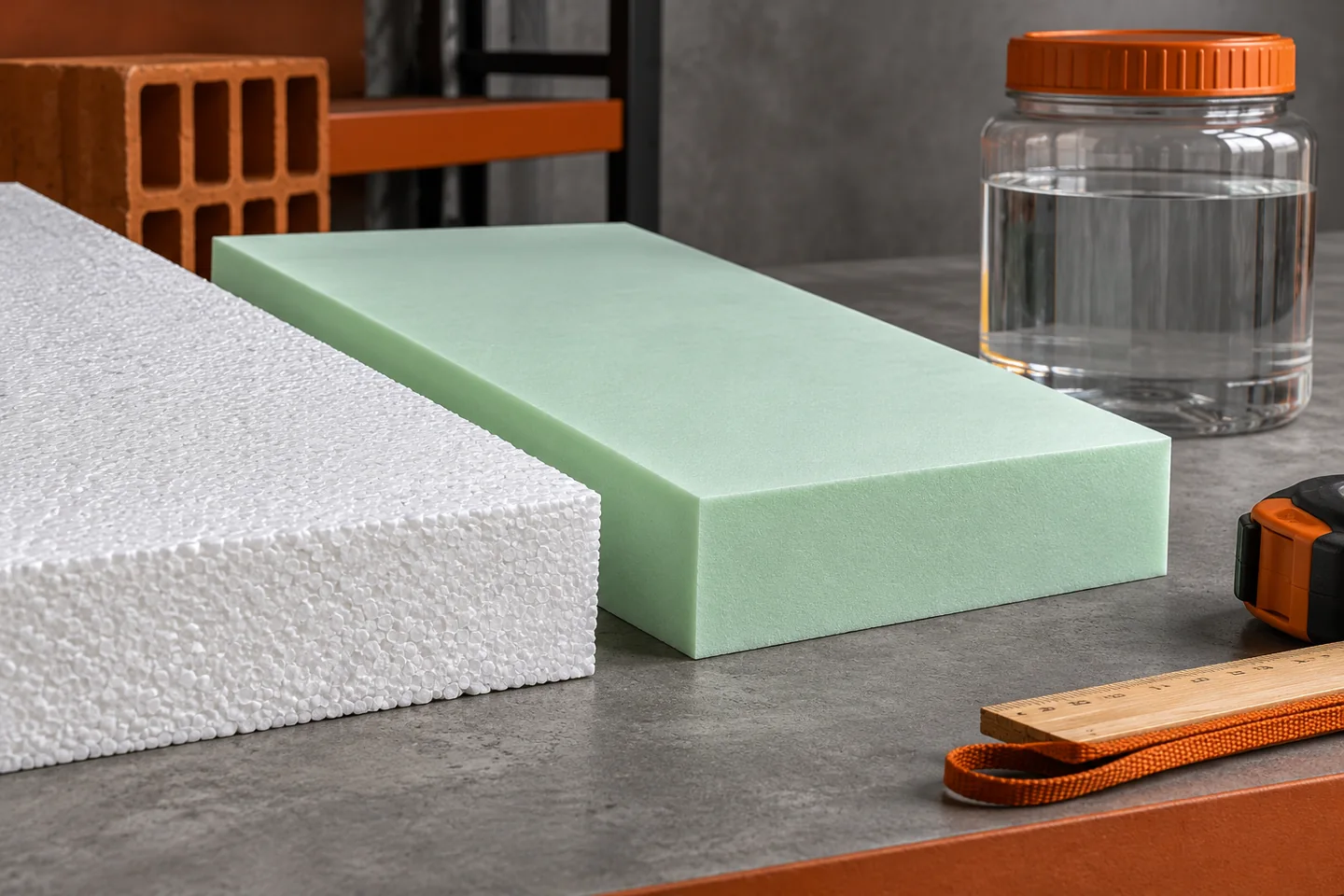
EPS or XPS with high groundwater? What to check?
With high groundwater, the insulation is not chosen solely on the basis of the price of EPS and XPS. First, the water conditions must be established and a watertight protection of the structure must be designed. Only then are specific boards compared, along with their water absorption and behaviour under load. The material name alone does not confirm suitability for permanent contact with water. Water may appear at the foundation seasonally or persist for a long time. It may also accumulate locally after heavy rainfall. For the design, what matters is the level, the duration of exposure and any pressure exerted on the building element. A single inspection of a dry excavation in summer does not give a complete picture of the conditions that will occur during the use of the house.