






Building academy
The Izoprofil.org building academy explains decisions made during construction and refurbishment. The articles start with the materials themselves, including sandwich panels, PIR insulation boards and profiled sheet metal. Learn the terms used in product descriptions and how several properties affect a complete assembly. Topics include thermal insulation, joints, moisture protection, roof coverings and purchasing. Each article includes a summary and contents to help you find the relevant detail. Use the guides alongside the drawings and product documentation for your own project.
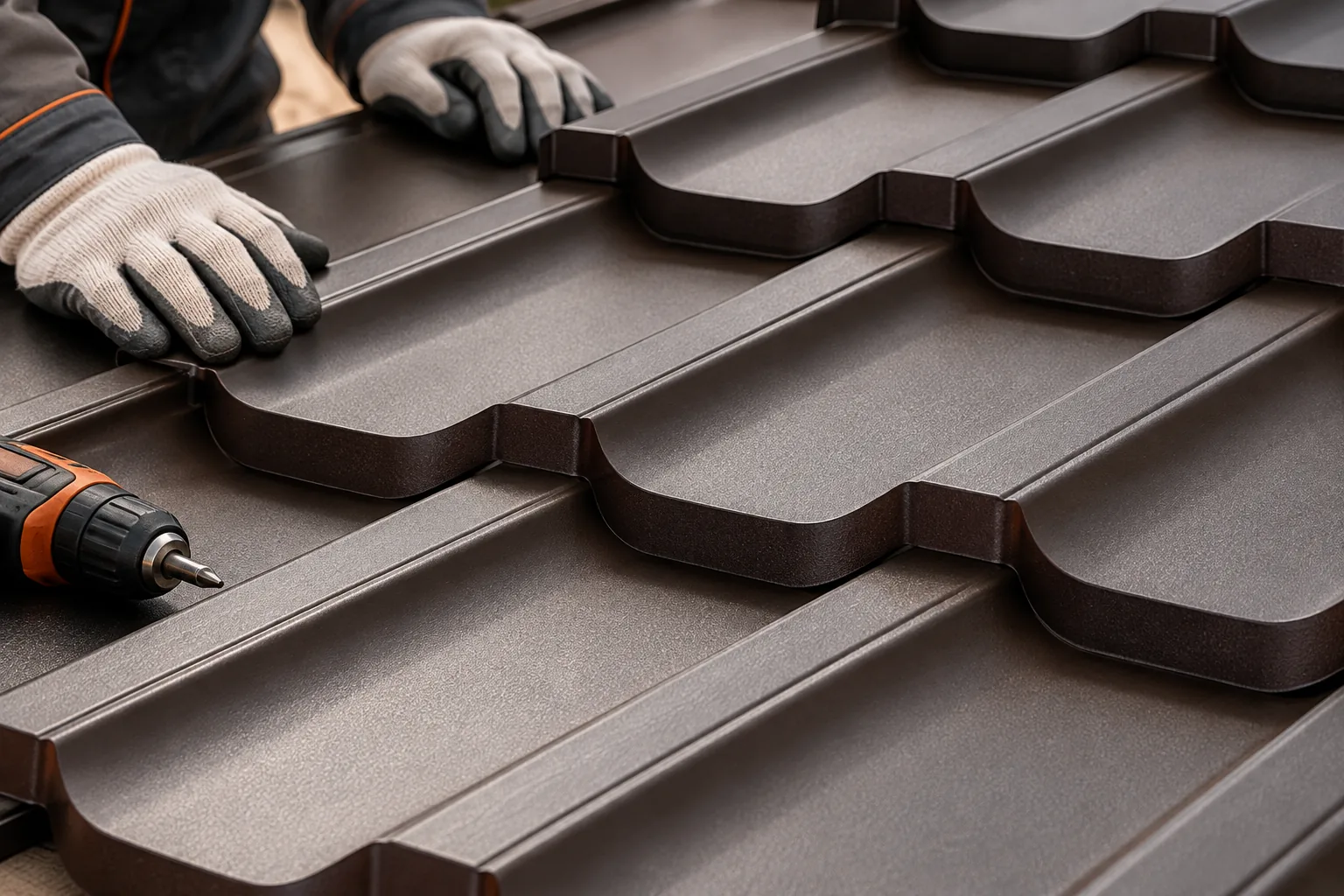
Choosing a roofer for the whole job, from covering to details
First, check how the roofer intends to resolve the specific roof details, not just the price per square metre. During the conversation, ask for a description of the substrate preparation, the fixing method for the covering and the sequence of work that will later be covered up. Note whether the contractor clearly separates material supply from labour and how they document any changes after uncovering the layers. Photos of valleys, eaves and chimneys give good insight, not only a view of the finished slope. On this basis it is easier to judge whether the offer matches the real conditions of your roof.
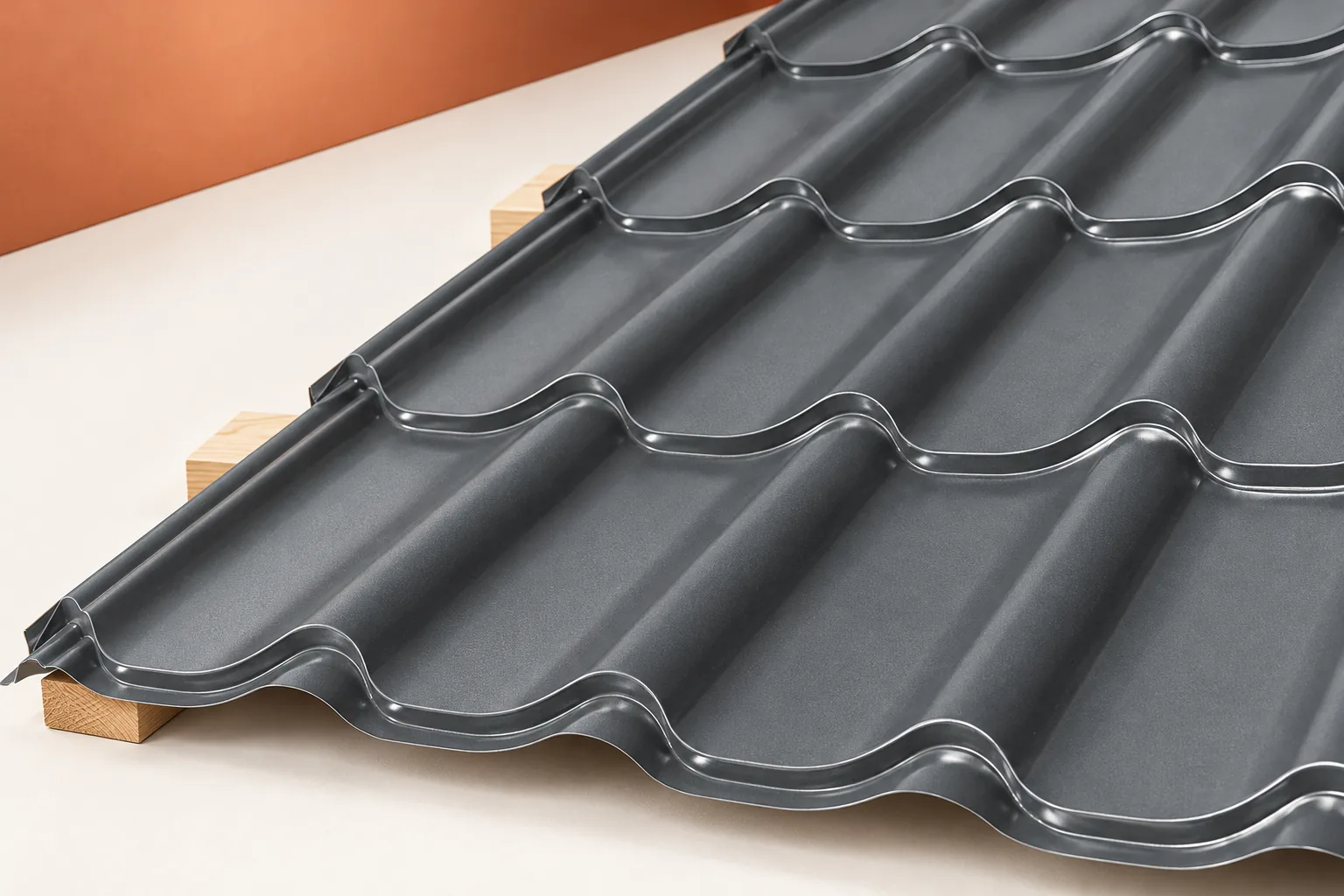
Where roof battens are needed and what they support
In Poland, roof battens serve as supports for the covering and transfer its loads to the roof structure. Readers should first check whether their dimensions and spacing match the specific metal roofing tile system, rather than merely following a crew's habitual practice. The starting detail at the eaves is often key, since the first batten frequently needs a different position from subsequent ones. It is also worth establishing how the air inlet and outlet are resolved, because adding timber alone does not guarantee ventilation. Design decisions remain with the designer.
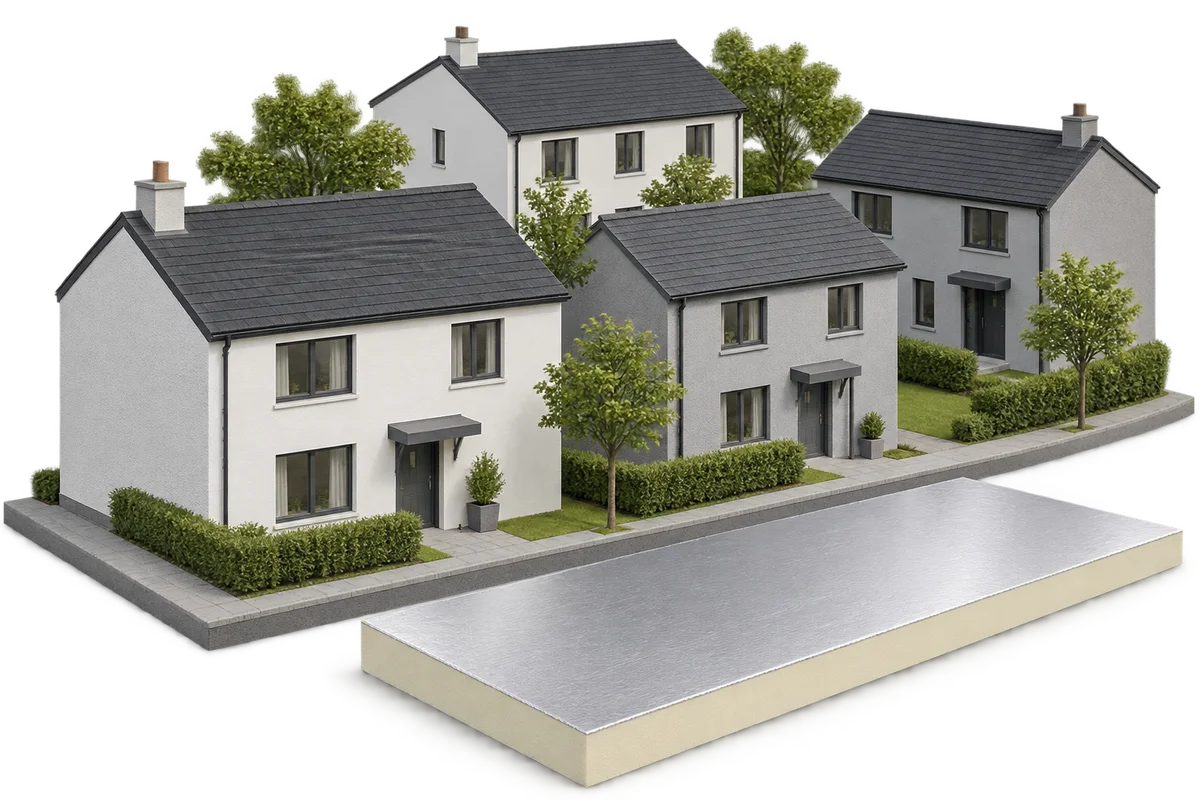
Does a lower bill after an energy renovation mean lower energy use?
A lower bill after insulating a building is not enough to assess energy savings. The bill is affected by prices, the billing period, the weather and how the building is used. The effect of thermal modernisation must be checked in units of energy, with a description of the conditions before and after the renovation. Izoprofil.org shows how to structure such a comparison for a house, a school or a group of buildings. We also explain why the whole change should not be attributed to a single material, for example PIR boards. Insulating the building envelope, adjusting the heating and changing the ventilation can all take effect at the same time. A reliable comparison separates costs, consumption and comfort, instead of turning the difference between two bills into a promise of an identical result for every subsequent investment. The reference point is measurements and a documented scope of works.
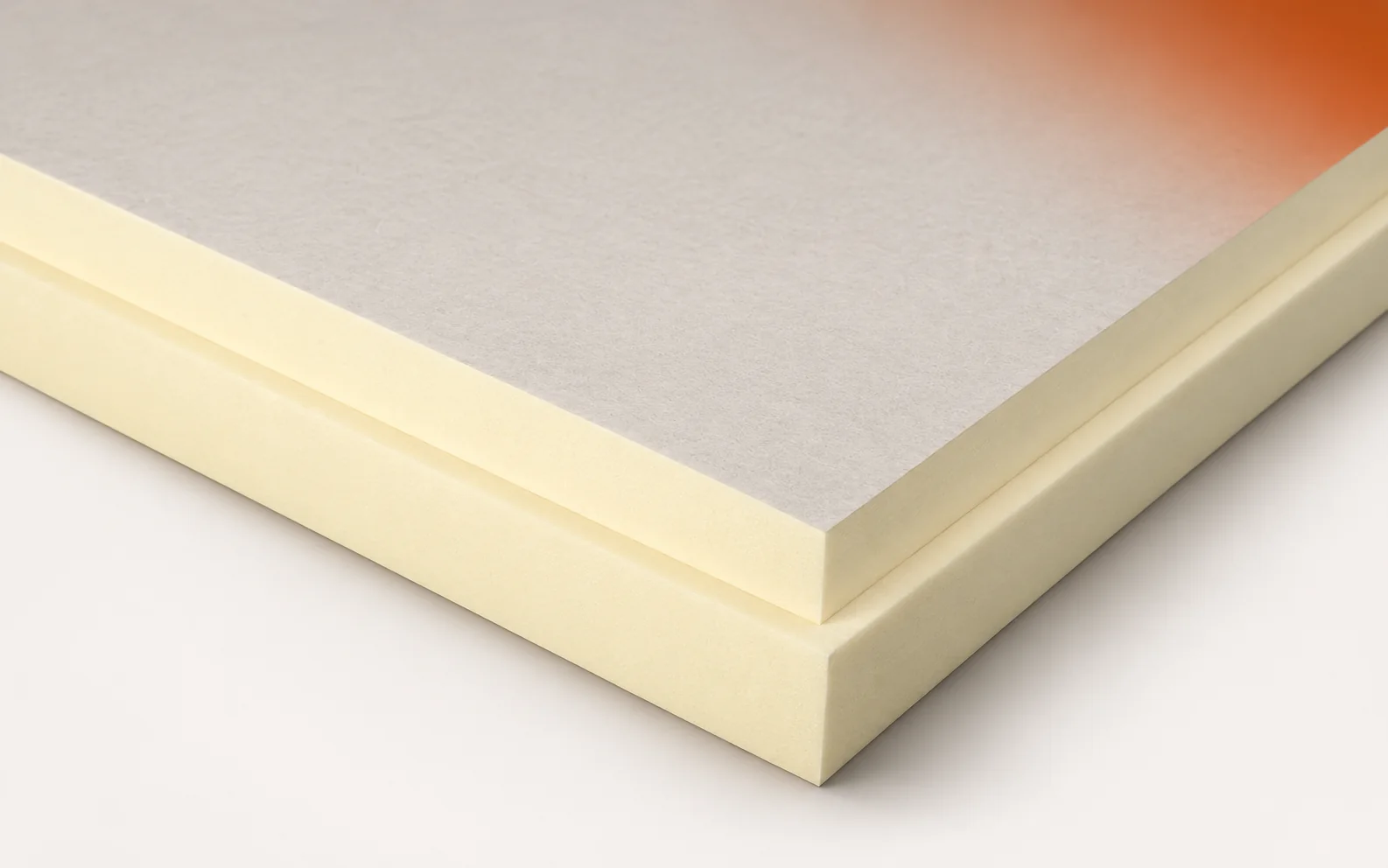
BauderPIR M/MF: the mineral facing and PIR foam core
The answer to the question of the difference between BauderPIR M/MF and a mineral wool board lies in the construction of the product: the matt mineral fleece is a facing on both sides, while the core is still PIR foam. The assessment of an existing roof must therefore start from the product designation, not from the appearance of the top surface. During an inspection of BauderPIR M/MF, it must be established whether the correct thickness has been retained beneath the waterproofing and whether the substrate and installation conditions correspond to the assumed system. The reference point is the documentation for the specific M or MF thickness together with the description of the connection to the covering.
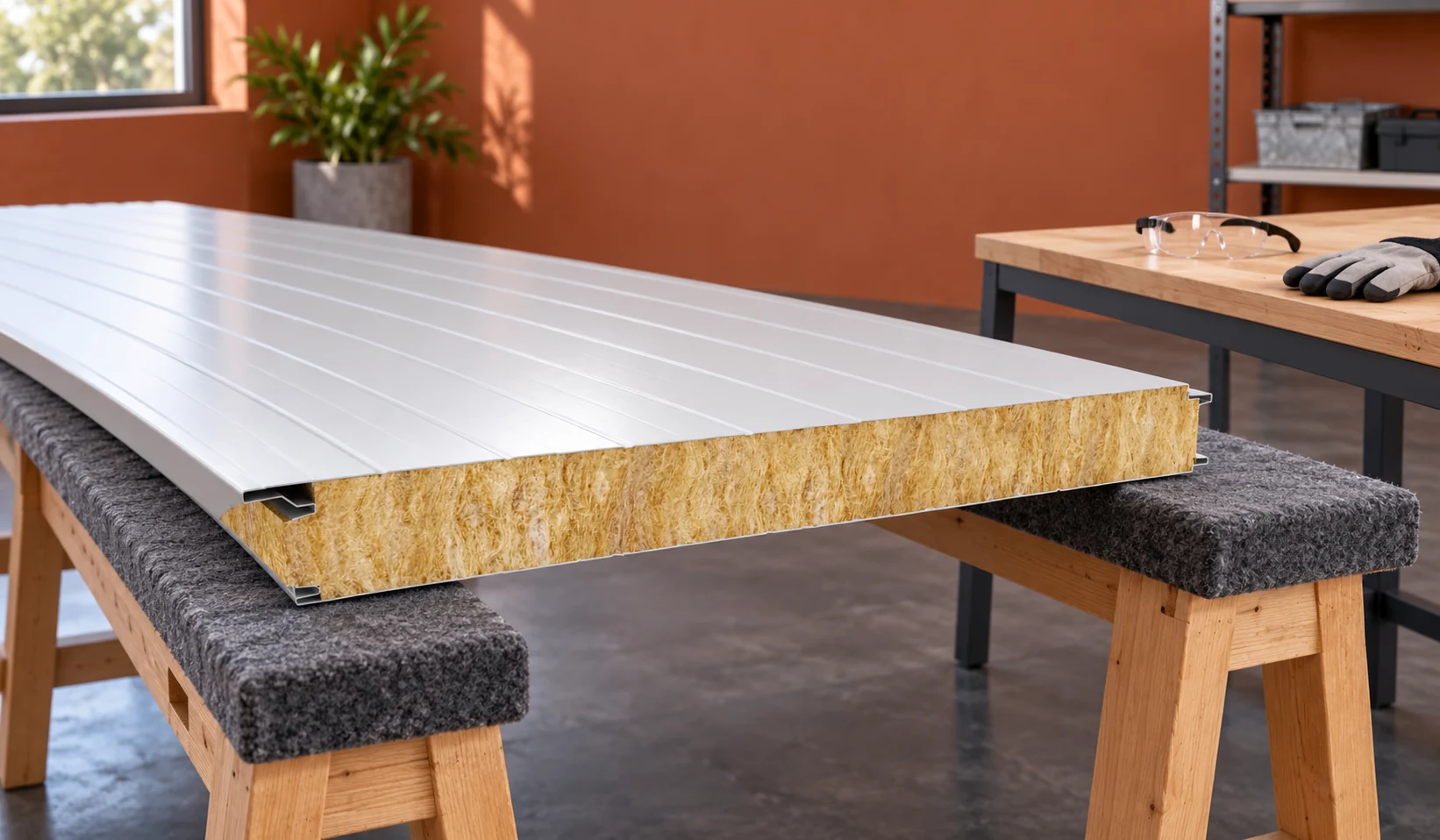
How do you cut an insulated panel and keep a good edge?
A good cut does not end with achieving the right length. The condition of the coating, the bond between the facings and the core, and the geometry of the edge must be preserved. Support and the removal of swarf matter. Hot cutting can damage the panel. The working method should correspond to the documentation for the specific product and the type of core. Shortening a full element differs from cutting an opening for a service. A large opening can change how the panel performs and may require framing. A narrow strip at the edge should also not be treated as a full panel. Before you make the cut, check its place in the design and the supports required.
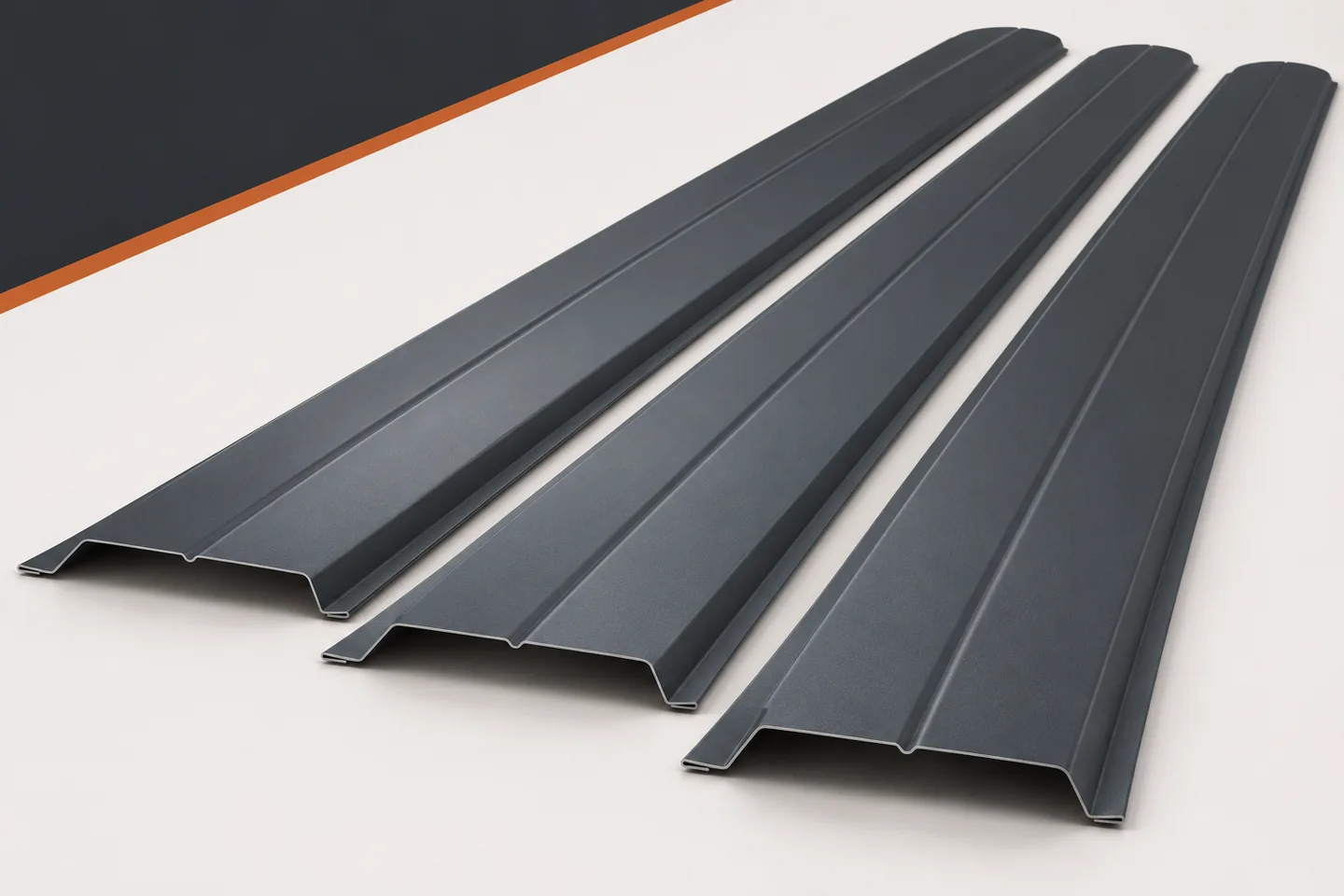
Are thicker metal fence pickets always stiffer?
In an offer, it is easy to find one number and take it as a measure of quality. For fence pickets, this is often the sheet thickness. The parameter matters, but it does not describe the whole product. Metal fence pickets work as formed elements connected to the structure. Their behaviour depends on several features at once. It is worth knowing them before you reject a light profile or buy a heavier one solely on the basis of advertising. Greater thickness can improve the stiffness of an element with the same geometry and from the same material. This is a useful rule, but the comparison must concern genuinely similar products. If you change the width, the depth of the profiling or the length, the result no longer follows from a single number. A fuller description is needed.