






Building academy
The Izoprofil.org building academy explains decisions made during construction and refurbishment. The articles start with the materials themselves, including sandwich panels, PIR insulation boards and profiled sheet metal. Learn the terms used in product descriptions and how several properties affect a complete assembly. Topics include thermal insulation, joints, moisture protection, roof coverings and purchasing. Each article includes a summary and contents to help you find the relevant detail. Use the guides alongside the drawings and product documentation for your own project.
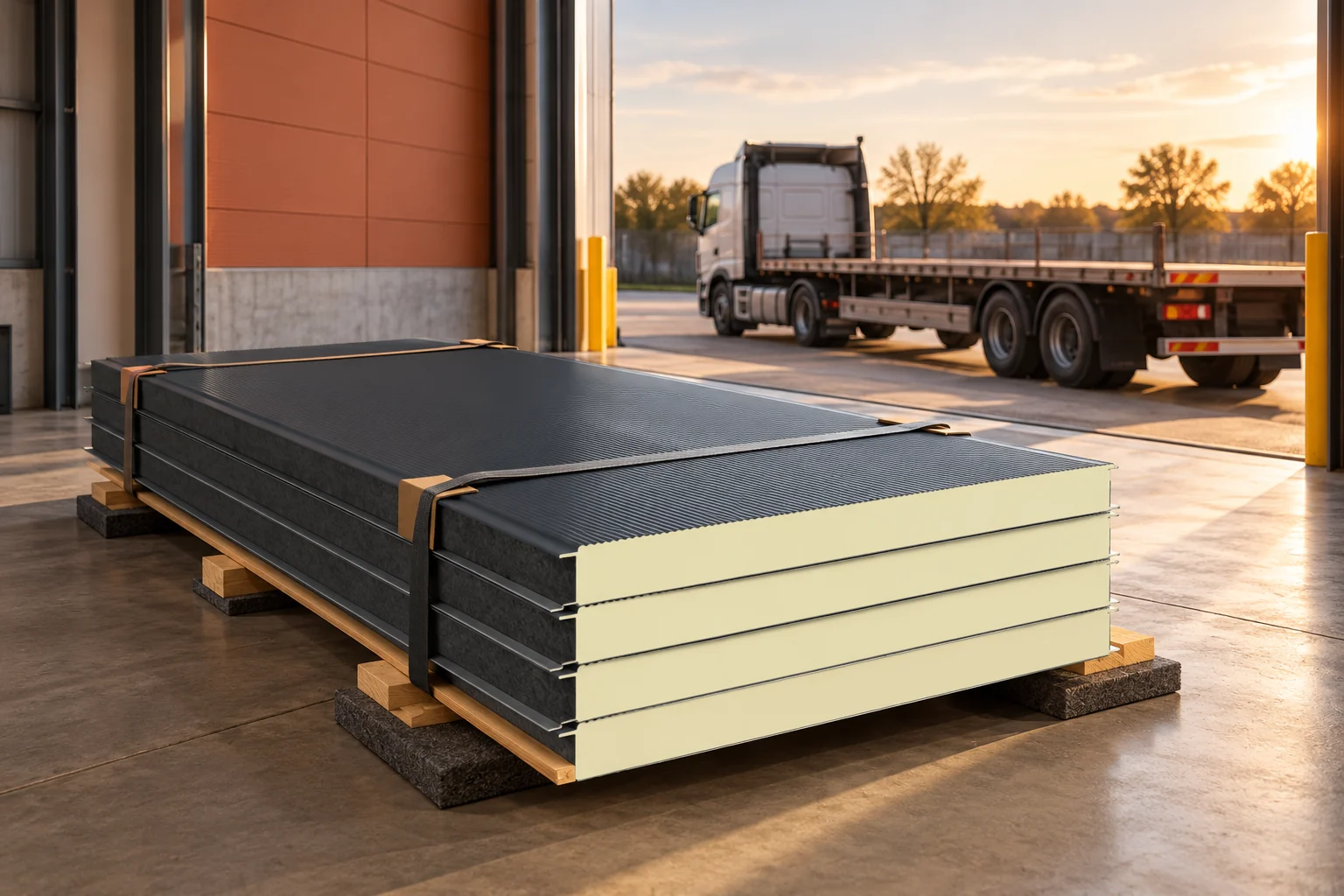
How to find the most advantageous offer for sandwich panels in Poland?
It is not possible to honestly identify a single cheapest place for all orders. The price depends on the variant, quantity, length and delivery. For a small batch, transport can reverse the comparison result. First, the right material must be determined. Then calculate the cost of obtaining a finished wall or roof area from two realistic offers. The price may refer to a square metre of covering, nominal area or a metre of length. Without this information, the numbers are not comparable. A panel with a module of 1.14 m has 1.14 m² of covering per metre of length. To convert a price per linear metre to m², divide it by 1.14.
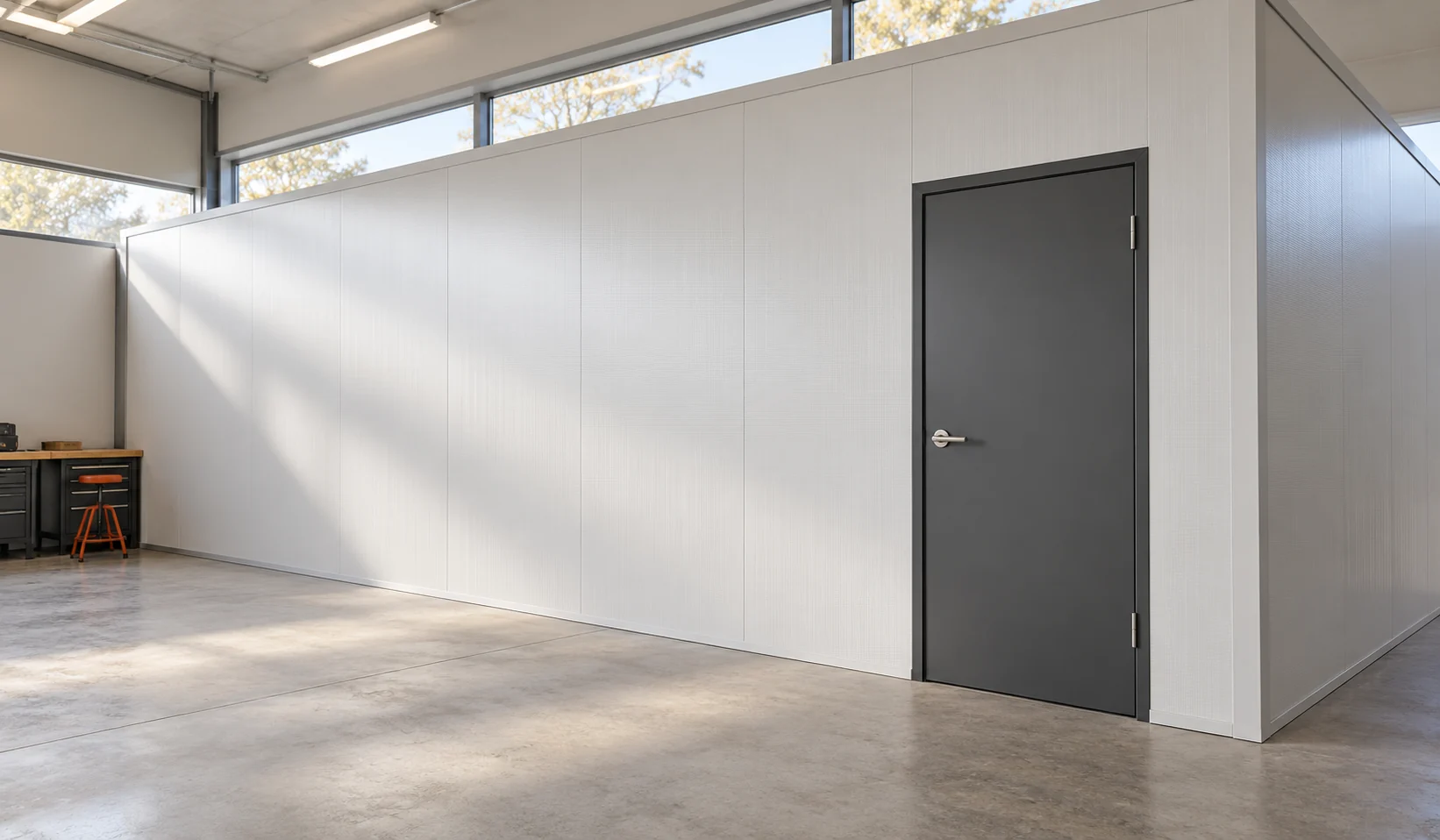
In which buildings does a wall with mineral wool offer a particular benefit?
Panels with mineral wool are often considered where fire requirements matter. Their use does not, however, end with a large hall. They can also form the walls of back-of-house areas or a small service building. Suitability is determined by the verified wall assembly, not by the mere presence of mineral wool in the core. It is worth taking openings and joints into account from the outset. Ready-made panels with mineral wool can have a favourable reaction-to-fire class. An example is A2-s1,d0 for a specific product. However, this does not automatically mean any given wall resistance. The latter property relates to the behaviour of the complete wall assembly during testing and is described by separate criteria.
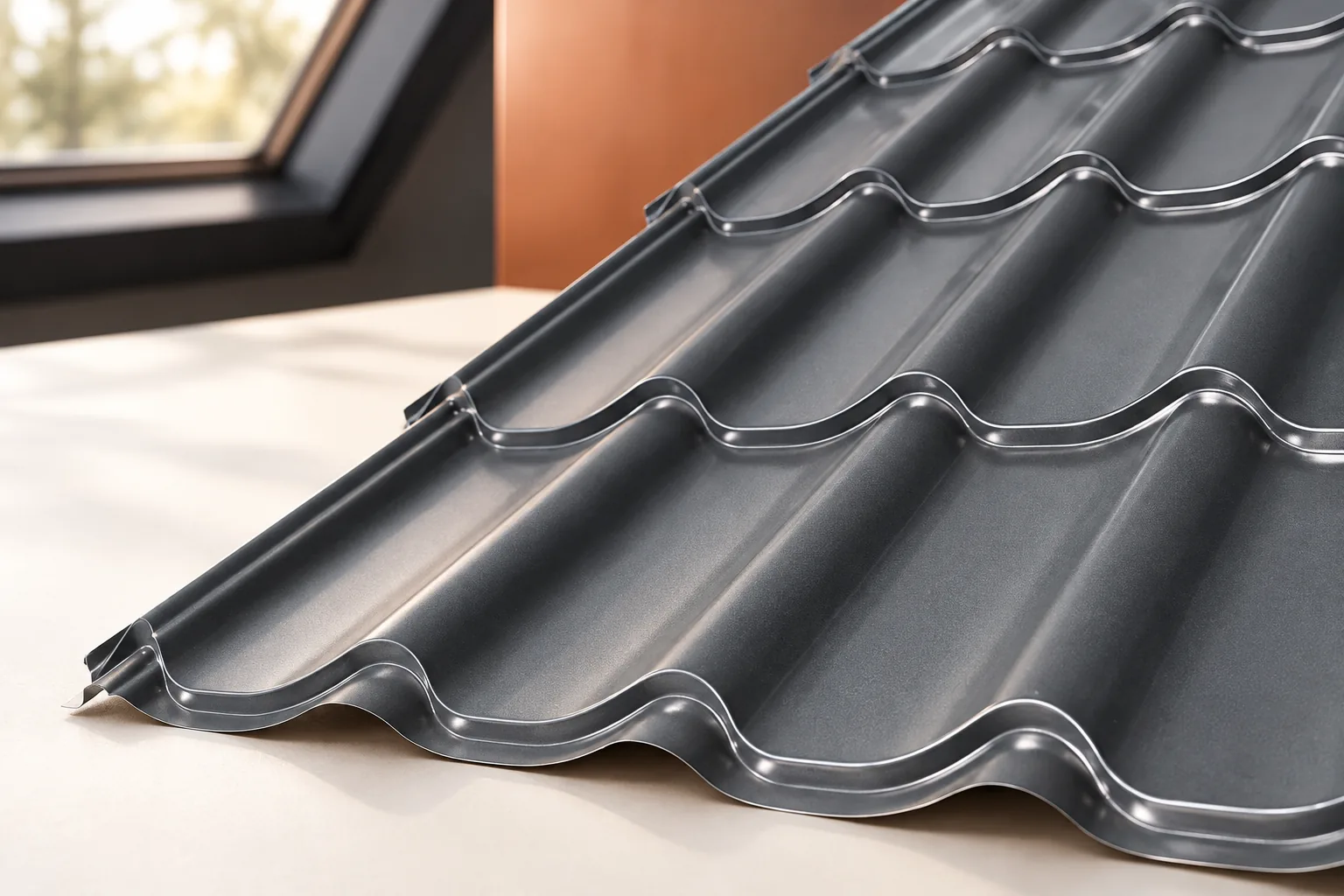
Rooflights: planning daylight for the room and the roof
Rooflights will only light the interior if they are matched to the roof covering, support spacing and thermal requirements, as well as to how the space is used. Before choosing, establish whether a point solution or a continuous lighting strip is needed, and relate the layout to the arrangement of racks, equipment and workstations. Also check the sealing of joints, protection against overheating and access for maintenance. Leave the structural and performance decisions to the designer, since one large opening does not always give even light.
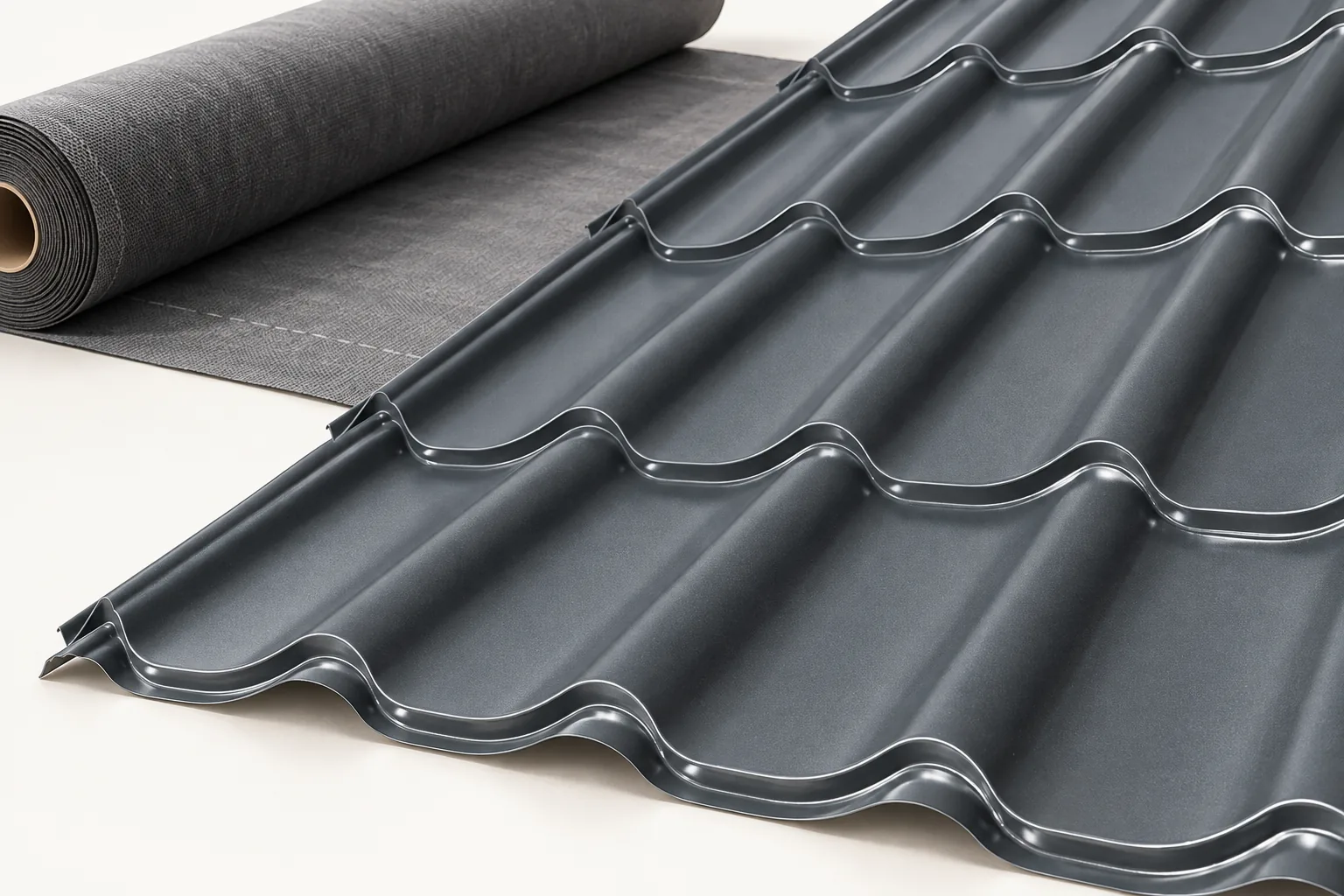
Roofing membranes: which properties matter when choosing an underlay?
A roofing membrane is a protective layer under the covering that drains water and affects roof drying. Before purchase, check watertightness, diffusion resistance, mechanical strength and service temperature. Grammage alone is not enough to judge quality. In a typical pitched roof, the membrane lies under the batten grid, shielding the structure and insulation. Do not confuse it with the interior vapour barrier – they serve different purposes. The Sd value expresses resistance to vapour, but the whole roof must be assessed, including interior airtightness. Also check laps, fixing and tape compatibility.
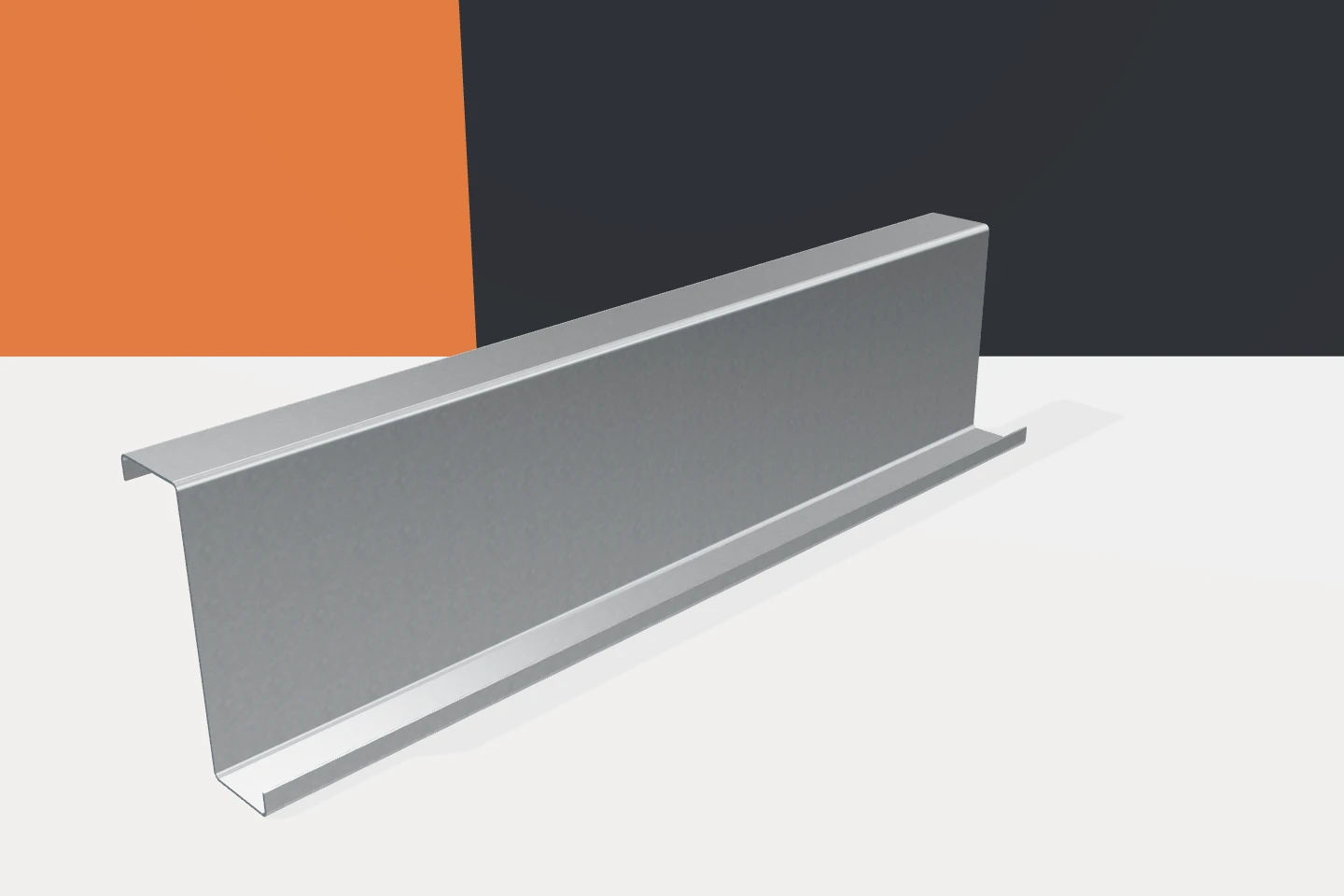
Why Z-sections are lapped and when the connection makes sense
On a hall roof, you can see Z-purlins overlapping above the supports. This is not a random surplus of material. In the designed arrangement, the lap helps transfer forces between successive sections. This allows cold-formed profiles to form purlins with a defined continuity. However, the benefits depend on the entire solution. Two profiles placed side by side do not automatically become one correctly functioning beam. The roof covering transfers load to the purlins, and the purlins transfer it to the main structure. The Z-section is one of the possible cross-sections for this element. It must carry actions resulting from, among other things, the weight of the roof, snow and wind. The purlin spacing also matters. The larger the roof area assigned to one purlin, the different the load the profile receives.
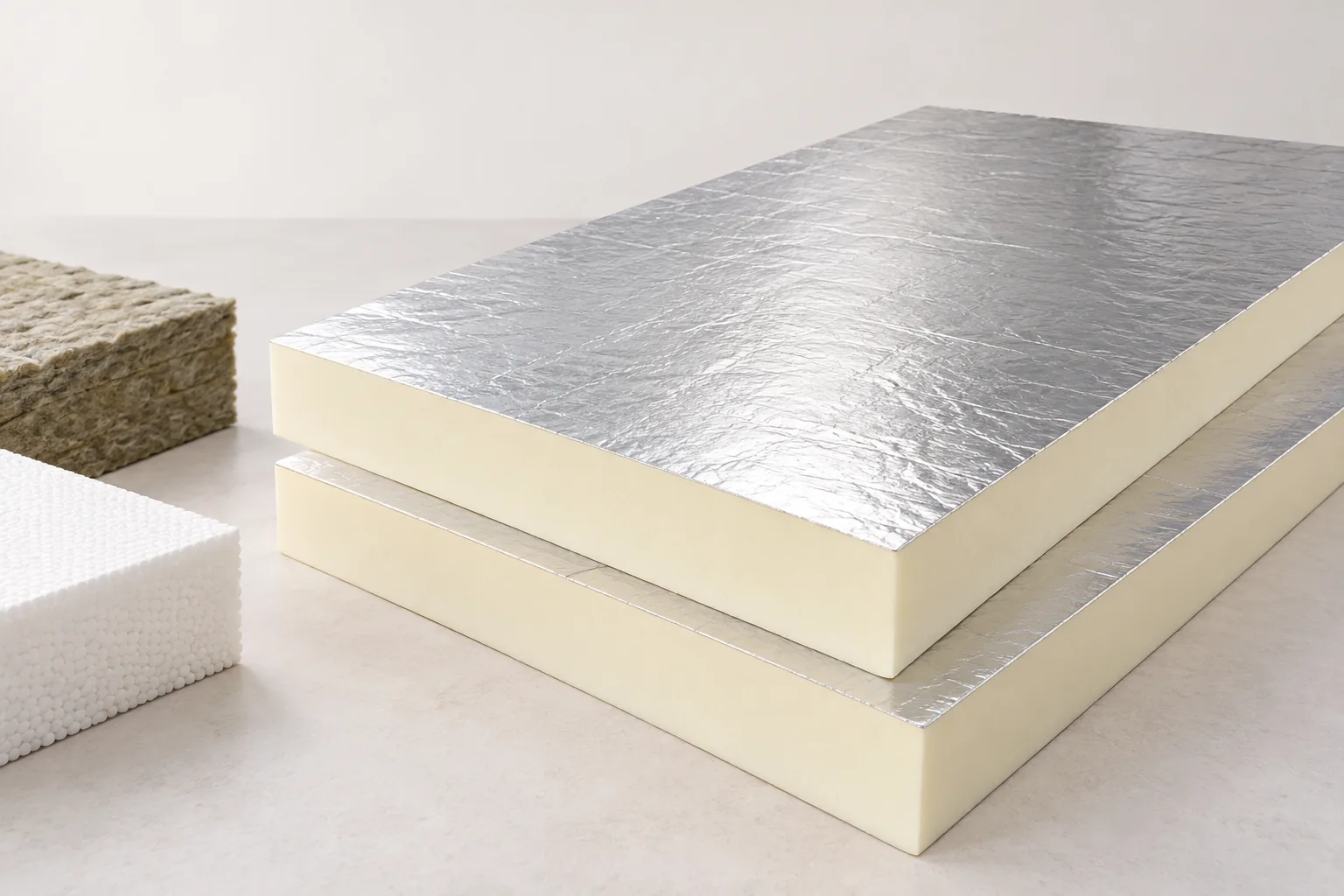
PIR, EPS, XPS or mineral wool: where do their properties differ?
A low eaves detail or a fixed floor level can leave little room for insulation. Compare PIR boards and EPS at the same required thermal resistance and use the declared thermal conductivity of each product to work out the thickness needed. If the insulation will be exposed to water, check water absorption, loading and the uses approved for the board. Where sound or fire performance matters, consult the documentation for the complete assembly. This shows when a thinner PIR board solves a space problem and when other properties favour EPS, XPS or mineral wool.