Insulation under load: reading the data for floor insulation boards

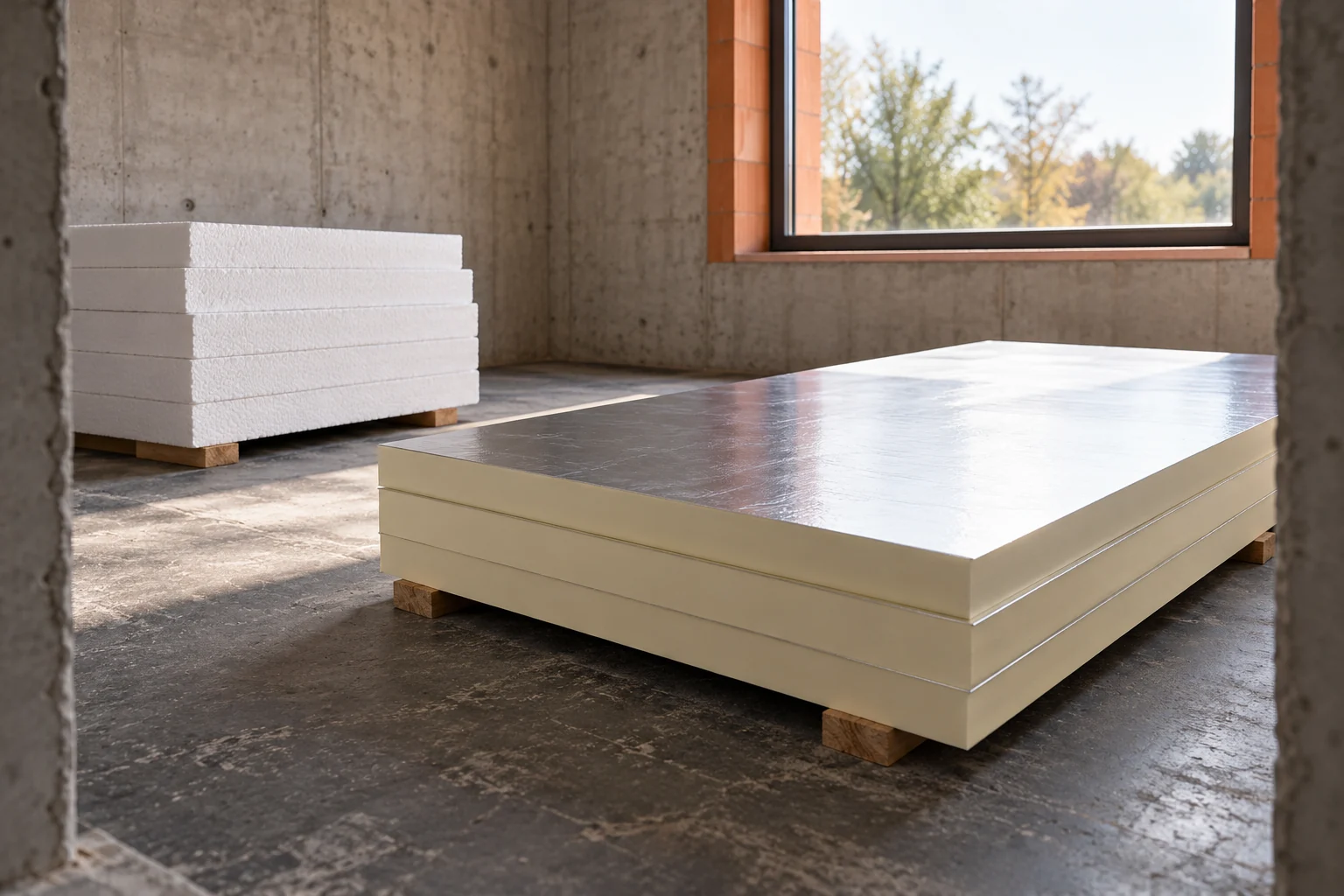
Selecting insulation beneath a loaded floor takes more than comparing conductivity and thickness. For PIR, EPS, XPS and mineral wool boards intended for such applications, check the properties of the exact product and the complete load-bearing assembly. A compression figure does not by itself specify how much equipment a room can carry. Test conditions, load duration, load distribution and the layers above the insulation all matter. This guide explains what to collect before speaking to the designer and how to avoid misleading comparisons between technical sheets. It is not a load calculator and cannot determine an allowable rack, machine or vehicle weight from a single board property.
By |2026-11-09T16:43:55+01:002026-11-09|Uncategorized|Comments Off on Insulation under load: reading the data for floor insulation boards

Insulating a home in stages: count the cost of stopping and restarting work

Insulating a home in stages spreads expenditure over time, but is not automatically cheaper than a single order. A comparison also needs the costs of renewed façade access, deliveries, protection of unfinished areas and restarting work. Some items may occur once; others can return at each stage. This guide helps organise a programme, identify unfinished junctions needing a technical solution, and distinguish a smaller first payment from a lower total project cost. It covers the records needed before a pause and when the contractor returns. It does not recommend leaving insulation exposed or dividing work at arbitrary points. Stage boundaries should follow the design, the selected construction system and the conditions of the particular building.

By |2026-11-09T17:31:06+01:002026-11-09|Uncategorized|Comments Off on Insulating a home in stages: count the cost of stopping and restarting work

Can PIR insulation be combined with mineral wool, EPS or XPS?

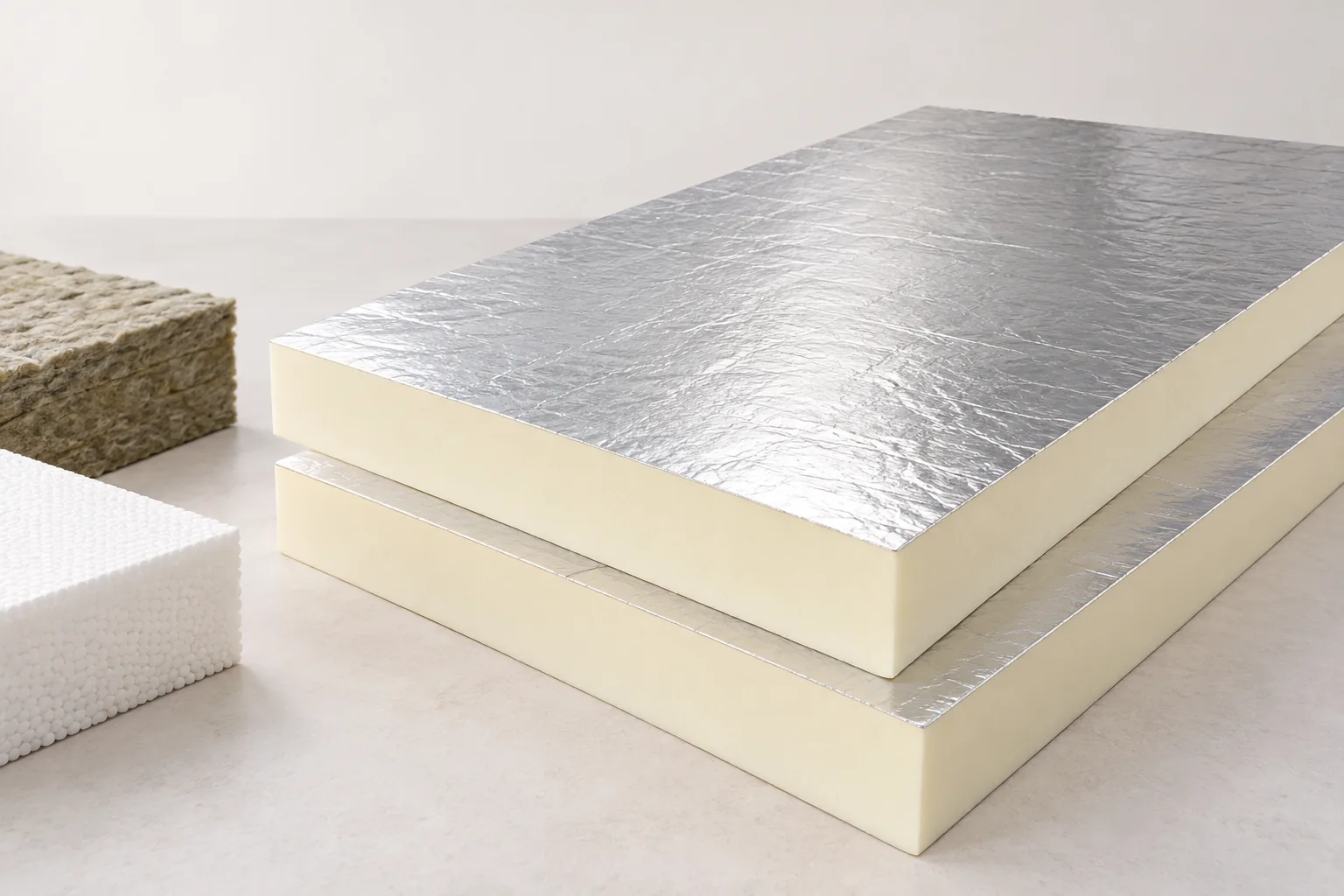
Different insulation materials can work together in one building element when each solves a specific problem. PIR can keep the build-up thin, mineral wool can contribute to fire protection or acoustics, and XPS suits certain applications exposed to moisture and compressive loads. The order of the layers, how they interact and the details of their installation determine whether the combination works. Adding their thermal resistances is not enough. In a roof retrofit, serviceable insulation can often stay in place while a new layer improves the whole assembly. In a floor, thermal insulation and a resilient layer for impact sound have different jobs. Combining materials is a design decision.

By |2026-11-09T07:11:57+01:002026-11-09|Uncategorized|Comments Off on Can PIR insulation be combined with mineral wool, EPS or XPS?

EPS, XPS or PIR: how to match insulation to the place of work?

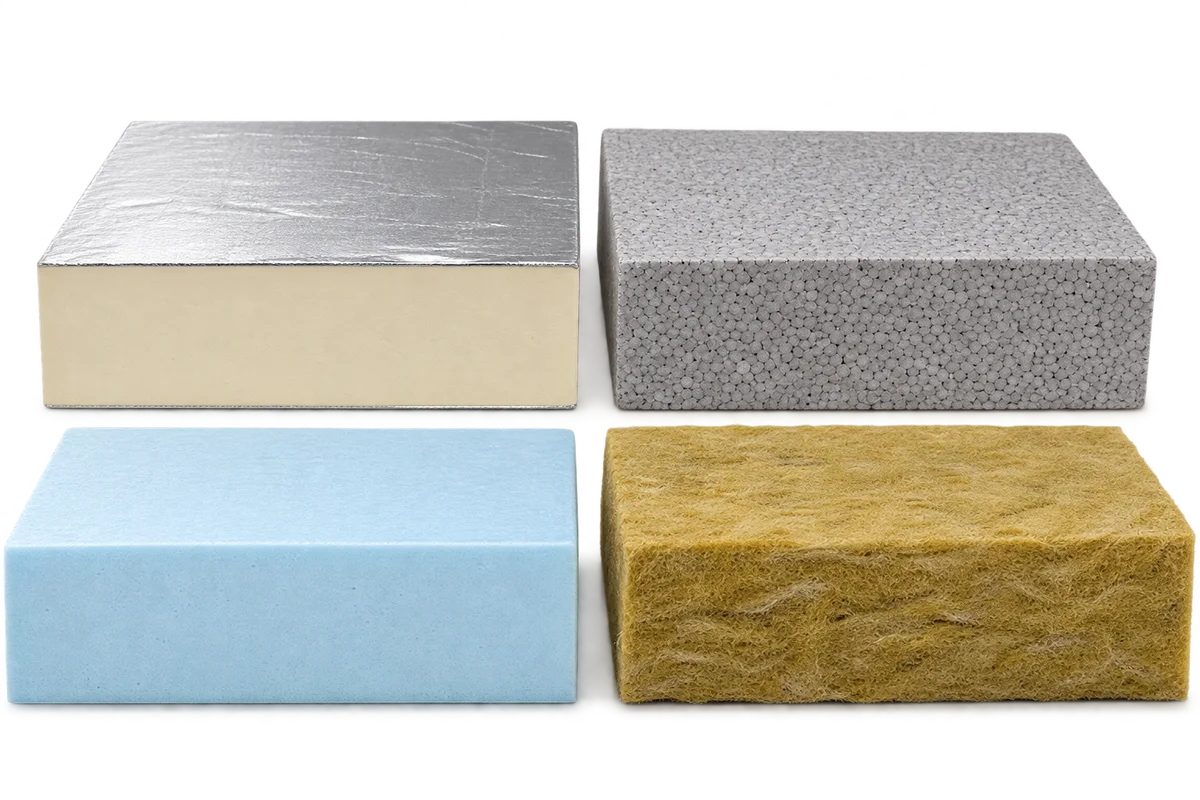
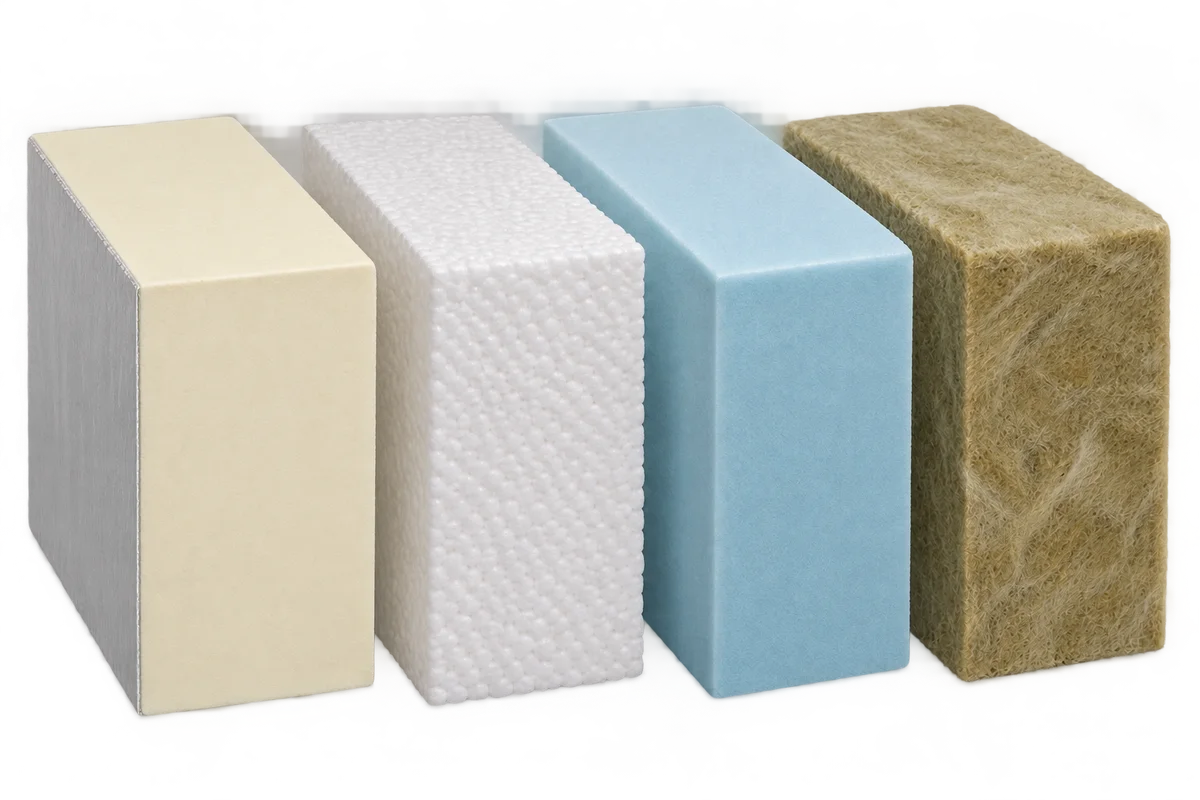
The insulation material must be matched to the place where it will work. A dry façade, a floor and an inverted roof have different requirements. EPS, XPS and PIR are not a single group of interchangeable products. They differ in structure and in their service variants. A good choice combines the required thermal resistance with resistance to conditions and compatibility of the whole system. EPS is expanded polystyrene. Its structure shows fused granules. XPS is produced by extrusion and has a more homogeneous closed-cell structure. PIR is rigid polyisocyanurate foam, often with a specified facing. These names should not be used interchangeably.

By |2026-11-14T13:13:15+01:002023-11-21|Building academy|Comments Off on EPS, XPS or PIR: how to match insulation to the place of work?

PIR, EPS, XPS or mineral wool: where do their properties differ?

A low eaves detail or a fixed floor level can leave little room for insulation. Compare PIR boards and EPS at the same required thermal resistance and use the declared thermal conductivity of each product to work out the thickness needed. If the insulation will be exposed to water, check water absorption, loading and the uses approved for the board. Where sound or fire performance matters, consult the documentation for the complete assembly. This shows when a thinner PIR board solves a space problem and when other properties favour EPS, XPS or mineral wool.

By |2026-11-15T00:23:38+01:002023-10-22|Building academy|Comments Off on PIR, EPS, XPS or mineral wool: where do their properties differ?

PIR or EPS for the roof of a pavilion used all year round?

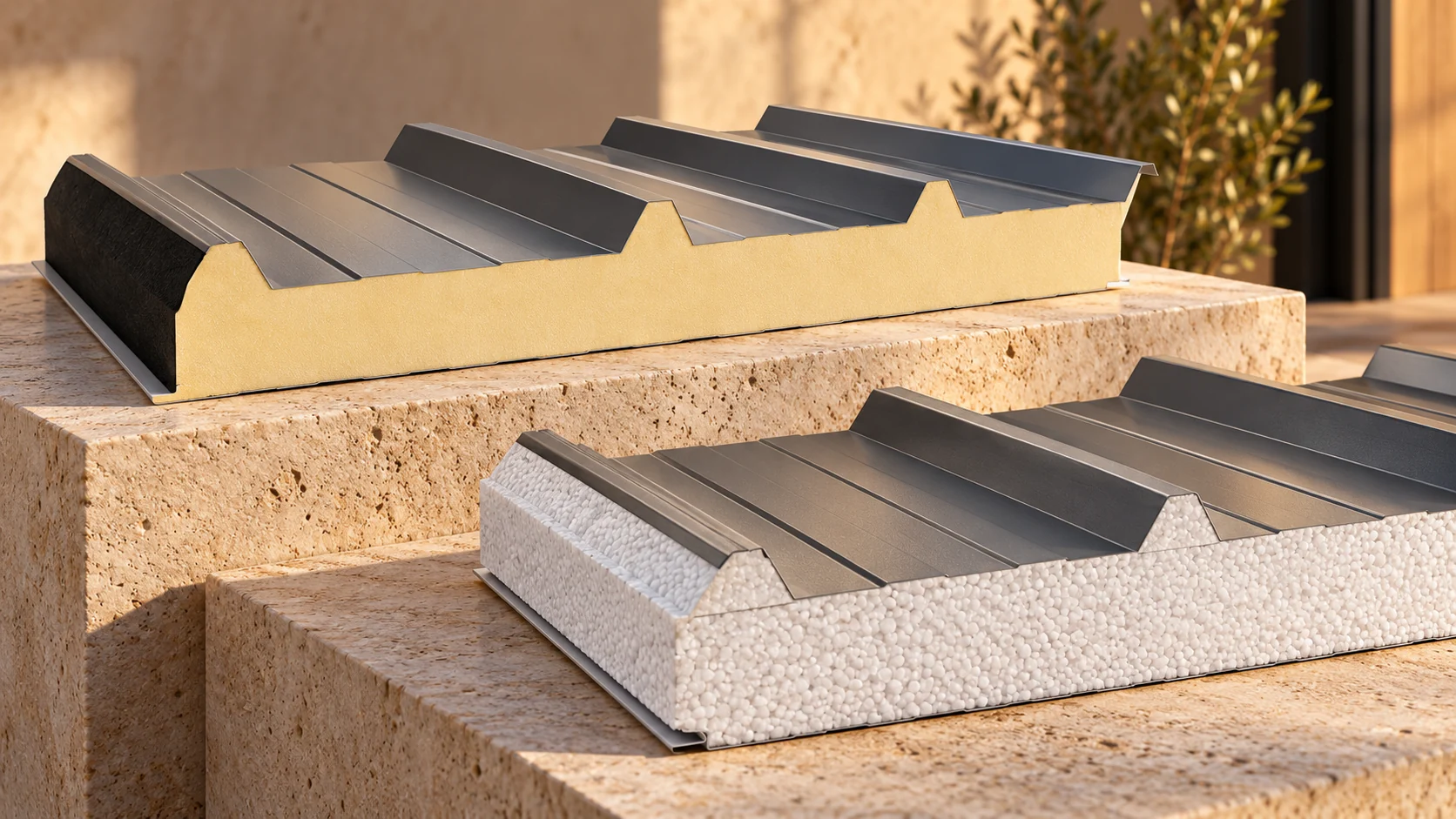
In an all-year-round pavilion, the roof should suit the heating, moisture and everyday operation of the interior. Choosing PIR or EPS therefore requires comparing whole panels. The same thickness does not mean the same thermal effect. It is also worth checking the coatings and joints, because the type of core does not solve every problem. Establish the operating temperature and heating periods. A facility opened for a few hours functions differently from a room maintained at a constant temperature. Doors, ventilation and the presence of heat-emitting equipment also matter. The roof is part of this system.

By |2026-11-14T13:15:27+01:002022-12-04|Building academy|Comments Off on PIR or EPS for the roof of a pavilion used all year round?
Back to top