PIR insulation
Insulation under load: reading the data for floor insulation boards
At a glance
Selecting insulation beneath a loaded floor takes more than comparing conductivity and thickness. For PIR, EPS, XPS and mineral wool boards intended for such applications, check the properties of the exact product and the complete load-bearing assembly. A compression figure does not by itself specify how much equipment a room can carry. Test conditions, load duration, load distribution and the layers above the insulation all matter. This guide explains what to collect before speaking to the designer and how to avoid misleading comparisons between technical sheets. It is not a load calculator and cannot determine an allowable rack, machine or vehicle weight from a single board property.
Describe the load as well as the material
The proposed equipment schedule should accompany the floor section.
List fixed equipment and anticipated changes in use. Where the documentation distinguishes operating and transport weights, record the relevant operating condition. Mark positions on the plan. A room-use label should not be assumed to replace information about a particular heavy item.
Check what the compression result represents
Read the full property name and test method on the board’s data sheet. Stress at a stated deformation describes a test condition, not permission for the finished floor to deform by that amount. Keep the qualifying information when transferring values into a comparison.
Do not convert an advertised kPa figure directly into a “floor capacity”. That omits the remaining layers, pressure distribution and serviceability criteria. If an allowable value is supplied for an assembly, request the scope and assumptions used to establish it.
Include the duration of loading
Distinguish a short-term compression test from data describing sustained loading. Documentation may give separate creep information. Read it with the stated duration and deformation criterion; values from different tests are not competing ratings of the same property.
If the sheet lacks information needed to assess sustained loading, leave the question unresolved. Do not invent the missing property as a fixed percentage of another value. The required evidence or assessment method must come from the relevant product documentation and design.
Distinguish total weight from support locations
An item may transfer its weight through a continuous base or several supports. Record their number, positions and dimensions from the equipment documents. Do not assume equal load sharing unless the construction and installation conditions support that assumption.
Show the designer the layers above the insulation, including joints and interruptions in the screed or subfloor. Load transfer needs assessment within the complete solution. Increasing the finish thickness or adding an improvised pad is not a verified method of raising capacity.
Compare data for the correct product grade
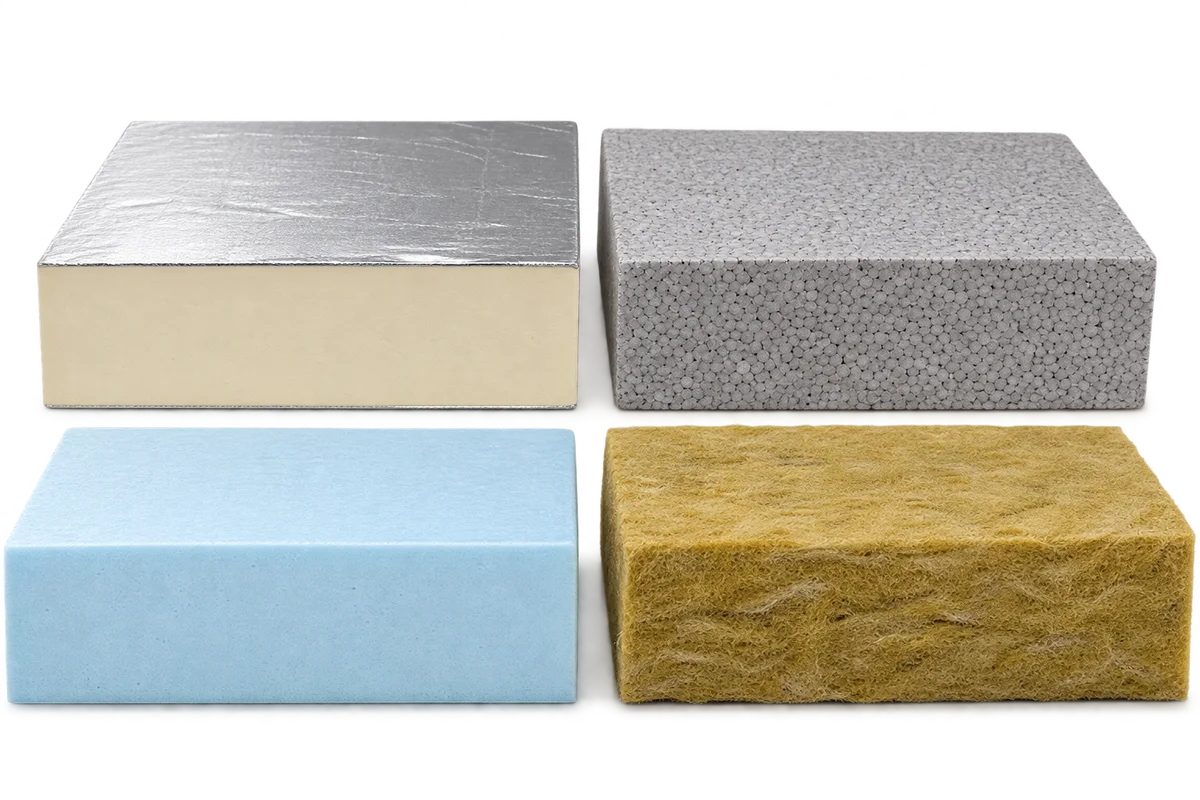
Compare quotations using the precise grade, thickness and intended application. Products within one material family can have different properties. The labels XPS, PIR, EPS or mineral wool do not establish suitability beneath a particular rack or authorise an unchecked substitution.
For a substitution, obtain the new sheet and flag every difference relevant to the assembly. Replace the original specification in the order only after assessment. Record who confirmed the change and its basis so the installer does not receive conflicting versions.
Record the agreed assumptions for use
Record the installed assembly and agreed room use in the handover documents. Where heavy equipment has designated positions, show them on the plan. This supports future alterations without reconstructing the assumptions from the insulation name alone.
Moving a machine, adding a tank or changing a rack can create conditions different from the original assumptions. Revisit the floor documentation before making the change. The absence of previous visible damage is not an assessment of the new loading.
7 branches. Materials closer to your project.

- SEROCK — Dzierżenin 34 E
- BŁONIE — ul. Sochaczewska 138A
- RADOM — ul. Grobickiego 8
- ŁÓDŹ — Natolin 8
- OLSZTYN — Barczewo, ul. Prosta 9
- WROCŁAW — ul. Jerzmanowska 10C
- GORZÓW WLKP. — ul. Zielona 33/34