






Building academy
The Izoprofil.org building academy explains decisions made during construction and refurbishment. The articles start with the materials themselves, including sandwich panels, PIR insulation boards and profiled sheet metal. Learn the terms used in product descriptions and how several properties affect a complete assembly. Topics include thermal insulation, joints, moisture protection, roof coverings and purchasing. Each article includes a summary and contents to help you find the relevant detail. Use the guides alongside the drawings and product documentation for your own project.
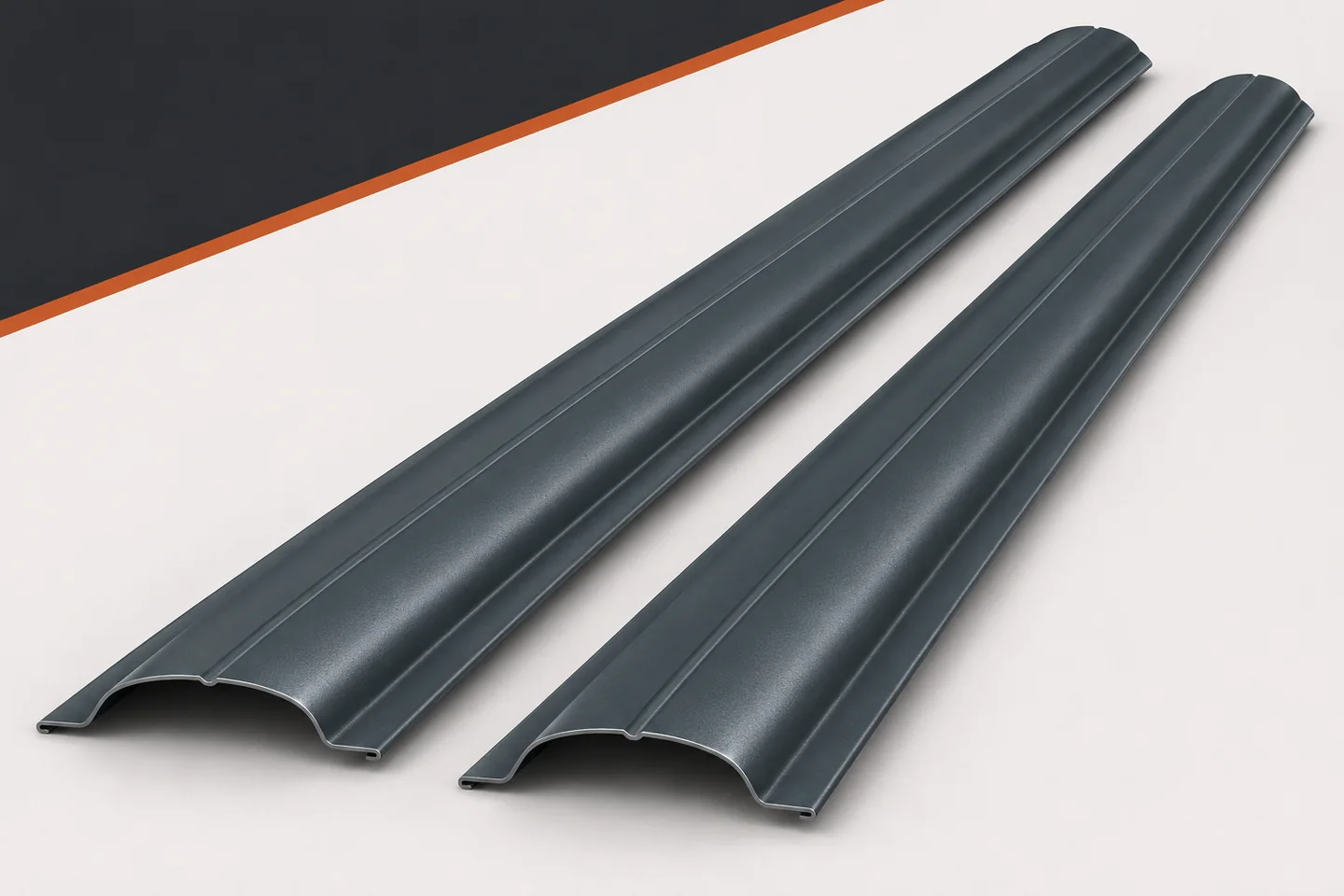
Sheet-metal fence pickets and hollow sections: why they behave differently
The term "metal fence" covers a range of different solutions. One bay may have thin-walled sheet metal pickets, while another has an infill made of closed profiles. From a distance, both look similar. However, they differ in construction, method of fixing, and the information that needs to be checked before purchase. It is worth starting the comparison with the cross-section, not with the name used in the advertisement. Metal fence pickets are formed from a strip of material. In many models, the back remains open and the edges are folded. Longitudinal pressings run along the front, giving the product its shape and rigidity. Such a product is designed as a thin-walled fence element. It should not pretend to be a solid board or a massive bar.
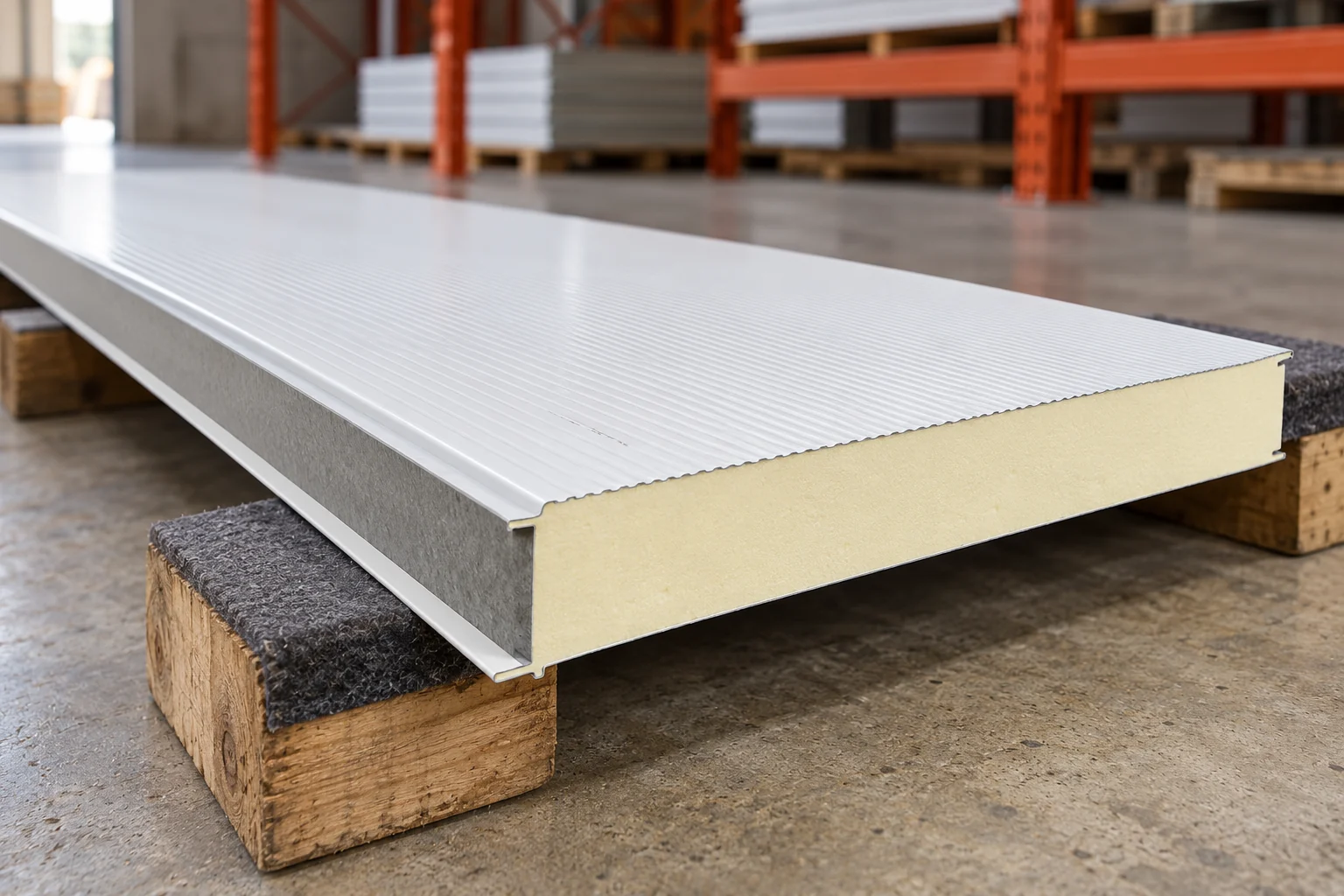
When does a white PIR board 100 mm in second grade suit a project?
A white wall PIR board 100 mm with a length of 2480 mm can be considered for a small building. However, its exact variant and the reason for classification as second grade must be checked. The finished length does not suit every wall. This description shows how to assess such a batch. It does not confirm current stock levels or a price offer. The core, thickness, length, cover width and joint type are needed. The white colour must be specified by number and coating finish. Different whites and gloss levels can look different on one façade. Also check the colour of the inner face, the sheet thicknesses and the intended use of the coatings.
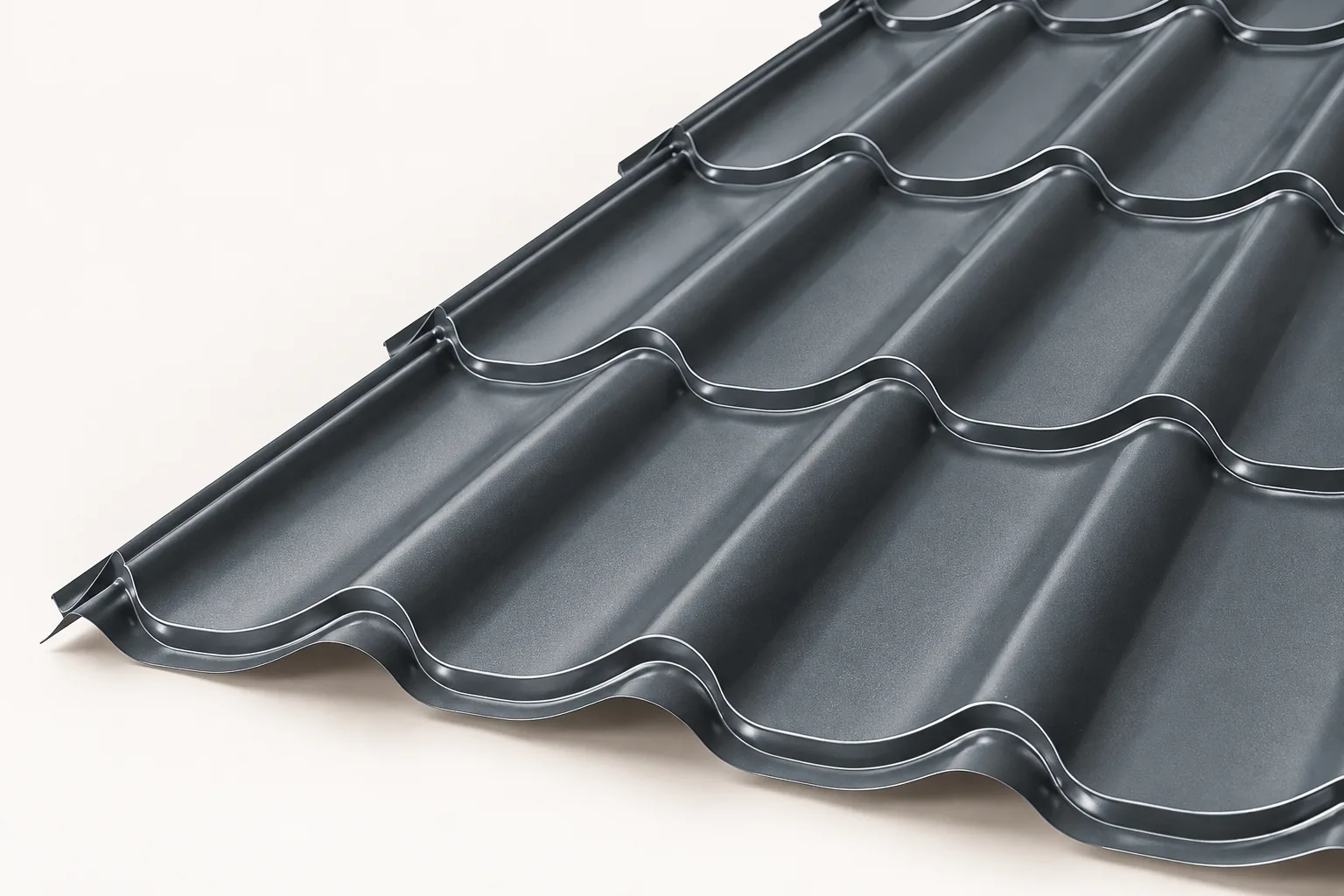
Modular metal roof tiles or cut-to-length sheets for your roof?
The choice between modular and cut-to-length metal roof tiles depends mainly on the roof geometry and how the work is organised, not on the format alone. Check whether the sheet length can be delivered and carried onto the slopes safely without bending, and whether the cutting plan limits waste around valleys and dormers. Compare a full cost estimate that includes transport and labour as well. Leave the final decision to the designer, because the format alone does not determine the quality of the steel or the durability of the covering.
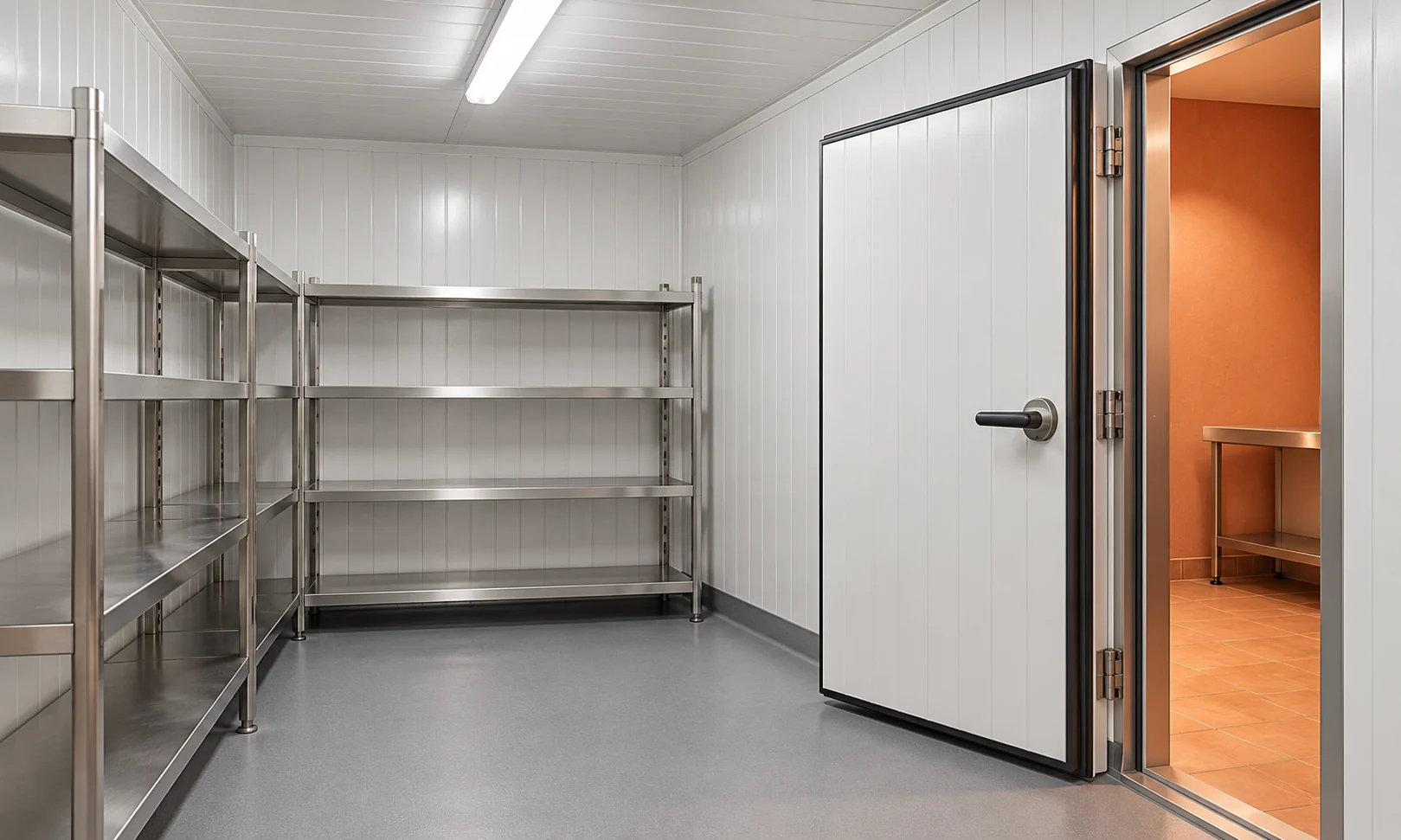
How to choose panels for cold rooms and freezers without guessing the thickness?
For a cold room, you do not choose a panel solely by the temperature shown on the thermostat. What matters is the conditions outside, door openings, the goods and the operating time. The thickness of the enclosure affects heat flow, but it is part of a larger balance. A freezer requires particularly careful joints as well as a floor and penetration solution. State the internal temperature and the ambient conditions. Determine whether the chamber stands inside a building or is itself an external structure. The quantity of goods introduced, their temperature and the frequency of door openings are significant. A small chamber with constant door traffic may have a different balance from a larger one that is rarely opened.
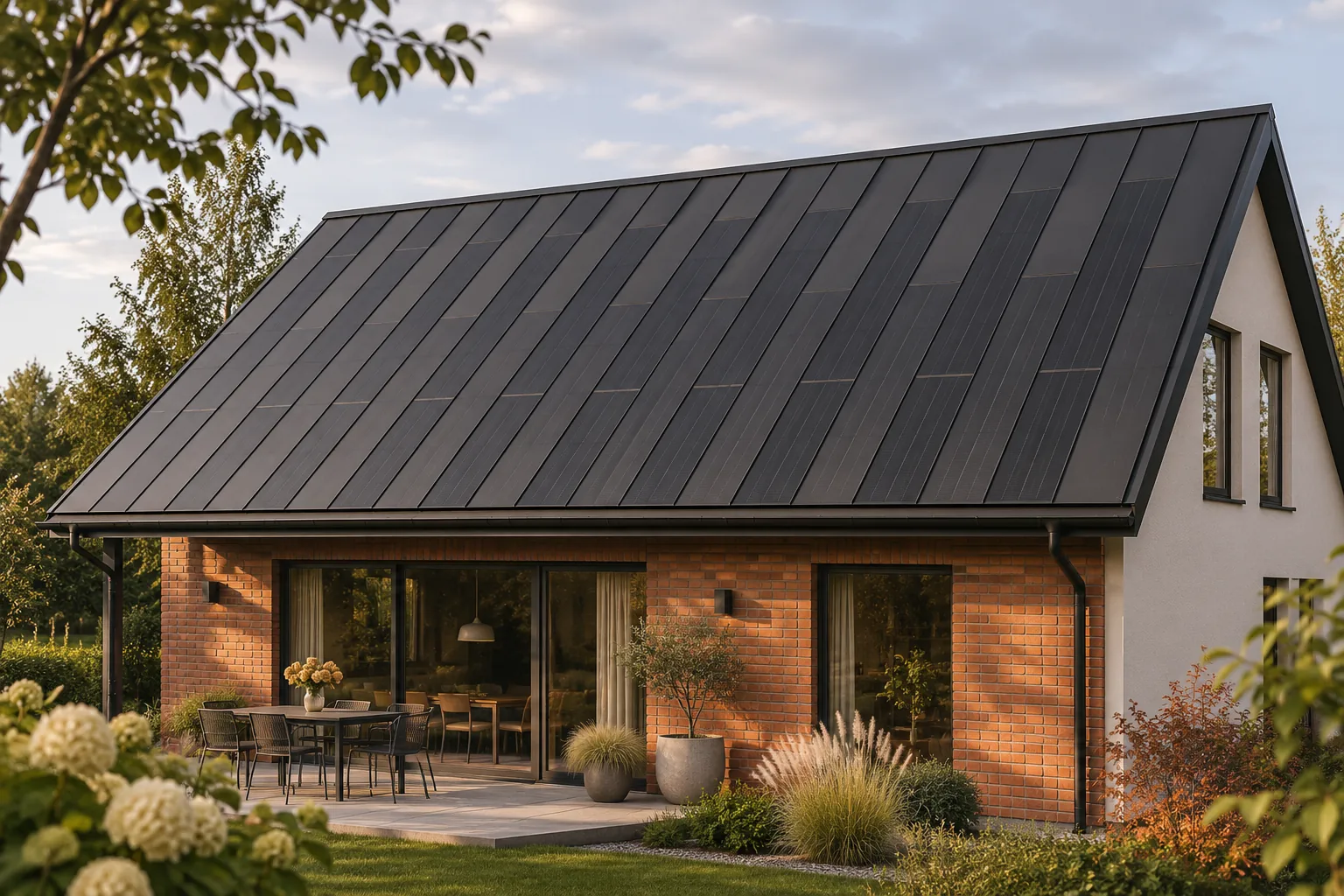
Does a photovoltaic roof protect the house even when it is not producing electricity?
A roof integrated with photovoltaics has two tasks. It shields the building from the weather and converts light into electrical energy. Night, cloud cover or inverter shutdown limit the second function, but in themselves do not take away its weathertightness. This is an important difference between an electrical fault and damage to the covering. When buying, both areas of responsibility and the method of repair must be checked. When the inverter stops working, the steel covering element does not disappear or change shape. It still drains water in accordance with the roof slope. Flashings at the chimney, ridge and eaves work in the same way. The condition is correct installation and the absence of mechanical damage. Electricity production is not needed to maintain this function.
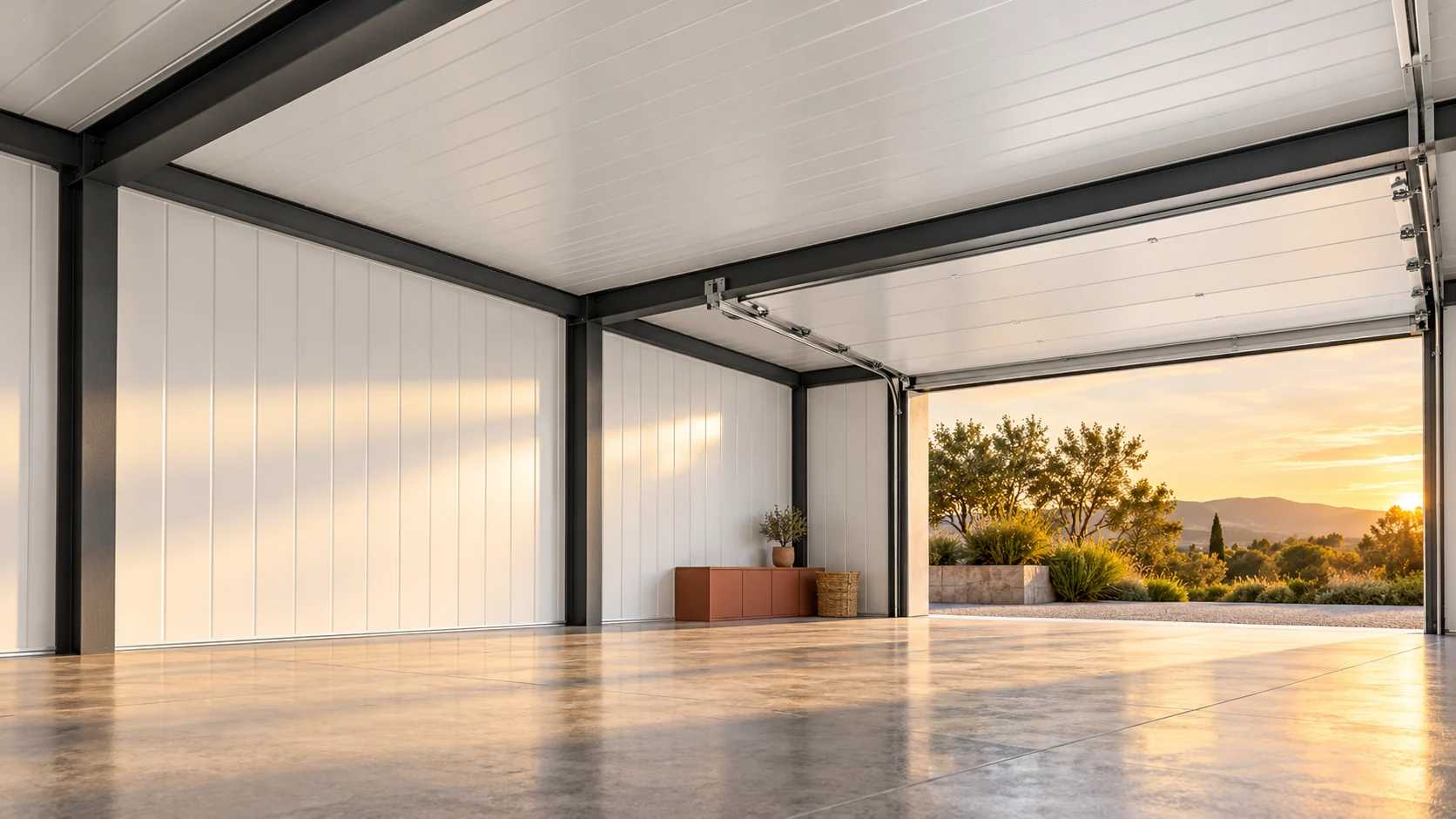
How do you choose the thickness of roof panels for garage conditions?
A garage can be a cold parking space or a heated workshop. That makes a big difference for the roof. Panel thickness must be matched to temperature, humidity and support spacing. The garage's floor area alone does not provide the answer. It is worth considering future use straight away, because adding insulation later requires checking the entire layer build-up. In an unheated building, thermal expectations may differ from those in a workroom. Condensation, ventilation and protection of stored items still matter. A thin panel does not guarantee a dry interior. Moisture can come from the car, the ground or the way the space is used.