Metal fence pickets and fences
Sheet-metal fence pickets and hollow sections: why they behave differently
In brief
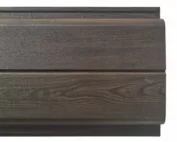
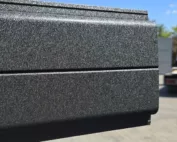
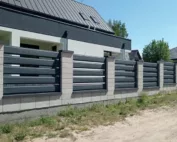
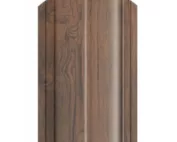
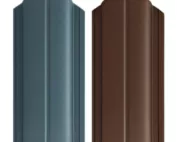
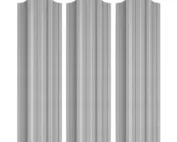
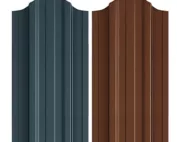
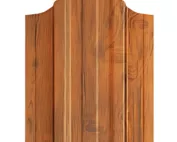
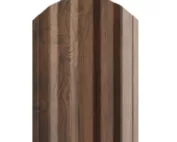
The term “metal fence” covers a range of different solutions. One bay may have thin-walled sheet metal pickets, while another has an infill made of closed profiles. From a distance, both look similar. However, they differ in construction, method of fixing, and the information that needs to be checked before purchase. It is worth starting the comparison with the cross-section, not with the name used in the advertisement. Metal fence pickets are formed from a strip of material. In many models, the back remains open and the edges are folded. Longitudinal pressings run along the front, giving the product its shape and rigidity. Such a product is designed as a thin-walled fence element. It should not pretend to be a solid board or a massive bar.
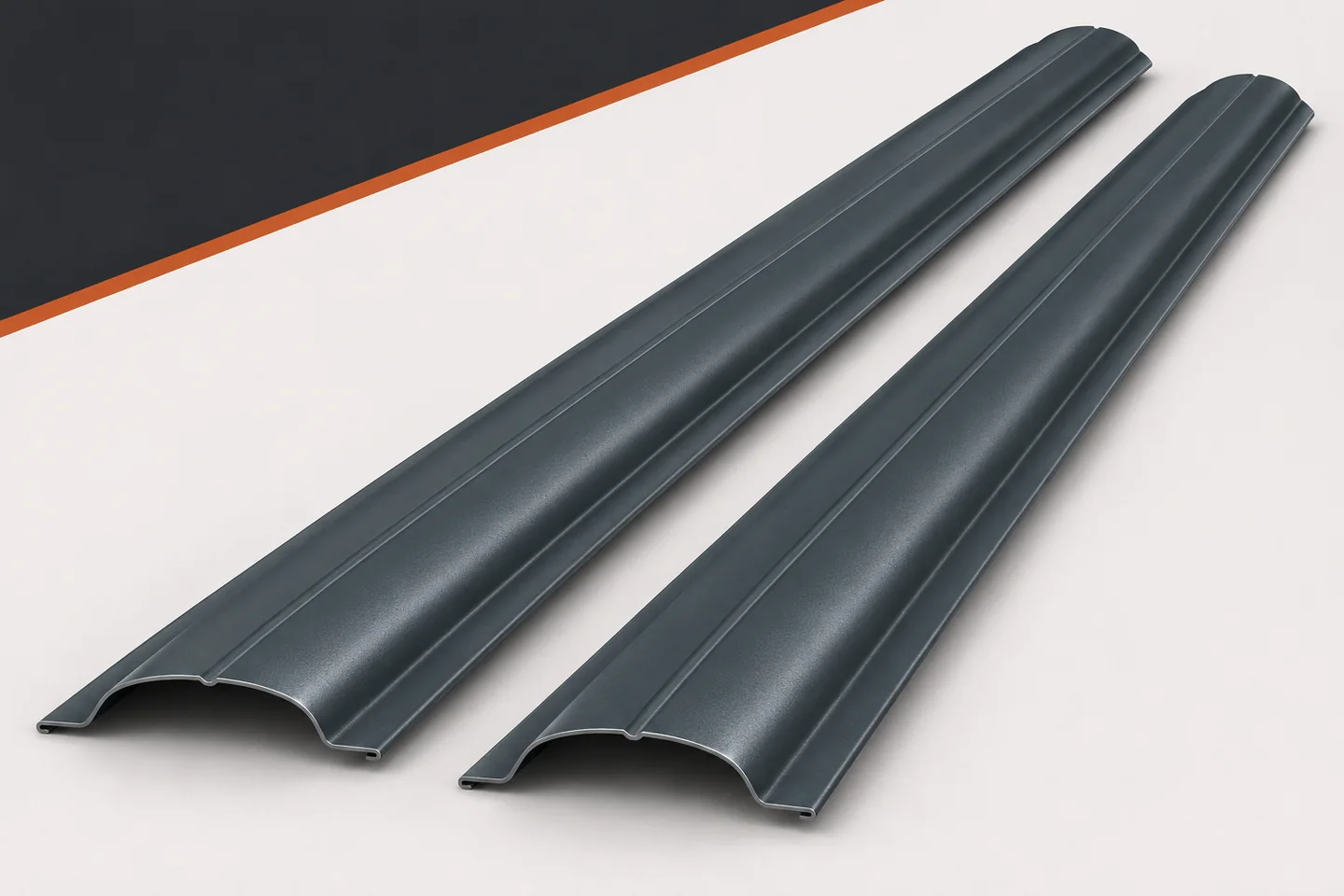
An open cross-section is not a defect
The open form reveals the reverse of the coating and the fixing points. The sample should therefore be viewed from both sides. Judging only the front can lead to disappointment after installation. In a garden, the structure and the rear of the pickets are often more visible than from the street side. This is a characteristic of the design that is worth consciously accepting.
A closed profile has a different geometry
In a closed profile, the walls enclose an empty space. The word “closed” therefore does not mean a solid steel cross-section. What matters is the width, height and wall thickness. Two elements with the same visible width can differ in weight and in behaviour under load. The front appearance alone does not show this.
A closed shape should also not be equated with the finished resistance of the whole structure. The result depends on the material properties, the support and the connections. A profile used as infill requires a different assessment from a post or beam. The documentation must make clear what function a specific element performs.
Factory coating and finish of the finished product
Sheet metal pickets are often made from material that has already been protected. The coloured surface is then part of the supplied sheet. Other fence elements may undergo a different protection process after the shape has been formed. These technologies must not be compared using only the general word “painted”.
For both solutions, the method of protecting edges, openings and connections must be established. The presence of colour on the visible side does not explain the protection of the entire product. It is worth asking for a description of the process and maintenance instructions. A well-documented material is easier to assess than a fence advertised solely as thick and strong.
Weight helps, but does not decide on its own
Lighter infill can make handling and installation easier. It also matters when assessing the leaf of a gate or driveway gate. However, it does not mean that any existing frame can be clad with any pickets. The total weight, the arrangement of elements and the area exposed to wind must be taken into account. These are different loads.
A heavier component is not necessarily the better choice for every project. It may require a different structure or make it harder to replace a single section. Conversely, a lightweight metal picket is not automatically too weak. It must be used within the limits intended for its cross-section, length and fixing.

Fixing method changes how repairs are carried out later
Metal fence pickets are fixed to a prepared support using the method specified by the manufacturer. Popular systems use screws or rivets. Replacing a damaged component can then involve just one picket. However, access to the connections is required and a compatible replacement must be selected.
Do not transfer the pattern of a welded fence to thin coated sheet. Welding locally changes the condition of the material and damages the coatings in the heat-affected zone. The joining method must follow from the design of the given product. If the offer does not explain the fixing, there is not yet a basis for a reliable comparison of installation costs.
A similar shape can look different from behind
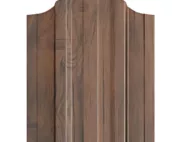
Some pickets have a shape inspired by palisades. The front may appear massive, even though the component is made of thin, profiled sheet. This form is a fully valid solution, provided the buyer knows its construction. A problem arises only when the photo suggests a different product than the technical description.
Ask for a photo of the end of the component, its rear side and a completed connection. A sample of the actual length or a small section with a visible cross-section is also useful. This allows you to assess the pickets in a way close to everyday use. The general term “metal profile” is not sufficient for this task.
Compare function and the complete assembly
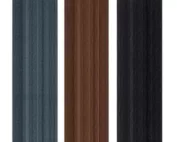
For a lightweight infill of a bay, metal sheet pickets can be a practical choice. They offer various colours, end shapes and spacings. For a different function, the design may specify a different component. There is no honest answer that one type of metal always wins. Solutions intended for the same application must be compared. In the comparison of offers, also note whether the stated weight refers to the infill alone or to the complete panel with frame. Without this, the figures do not describe the same scope.
The comparison should cover the supporting structure, surface protection, fasteners, weight, repair method and appearance of both sides. Only then is it worth analysing the cost. This avoids comparing the price of a single picket with the price of a complete bay. In a well-described order, each of these components has a clearly defined place.
7 branches. Materials closer to your project.

- SEROCK — Dzierżenin 34 E
- BŁONIE — ul. Sochaczewska 138A
- RADOM — ul. Grobickiego 8
- ŁÓDŹ — Natolin 8
- OLSZTYN — Barczewo, ul. Prosta 9
- WROCŁAW — ul. Jerzmanowska 10C
- GORZÓW WLKP. — ul. Zielona 33/34