






Building academy
The Izoprofil.org building academy explains decisions made during construction and refurbishment. The articles start with the materials themselves, including sandwich panels, PIR insulation boards and profiled sheet metal. Learn the terms used in product descriptions and how several properties affect a complete assembly. Topics include thermal insulation, joints, moisture protection, roof coverings and purchasing. Each article includes a summary and contents to help you find the relevant detail. Use the guides alongside the drawings and product documentation for your own project.
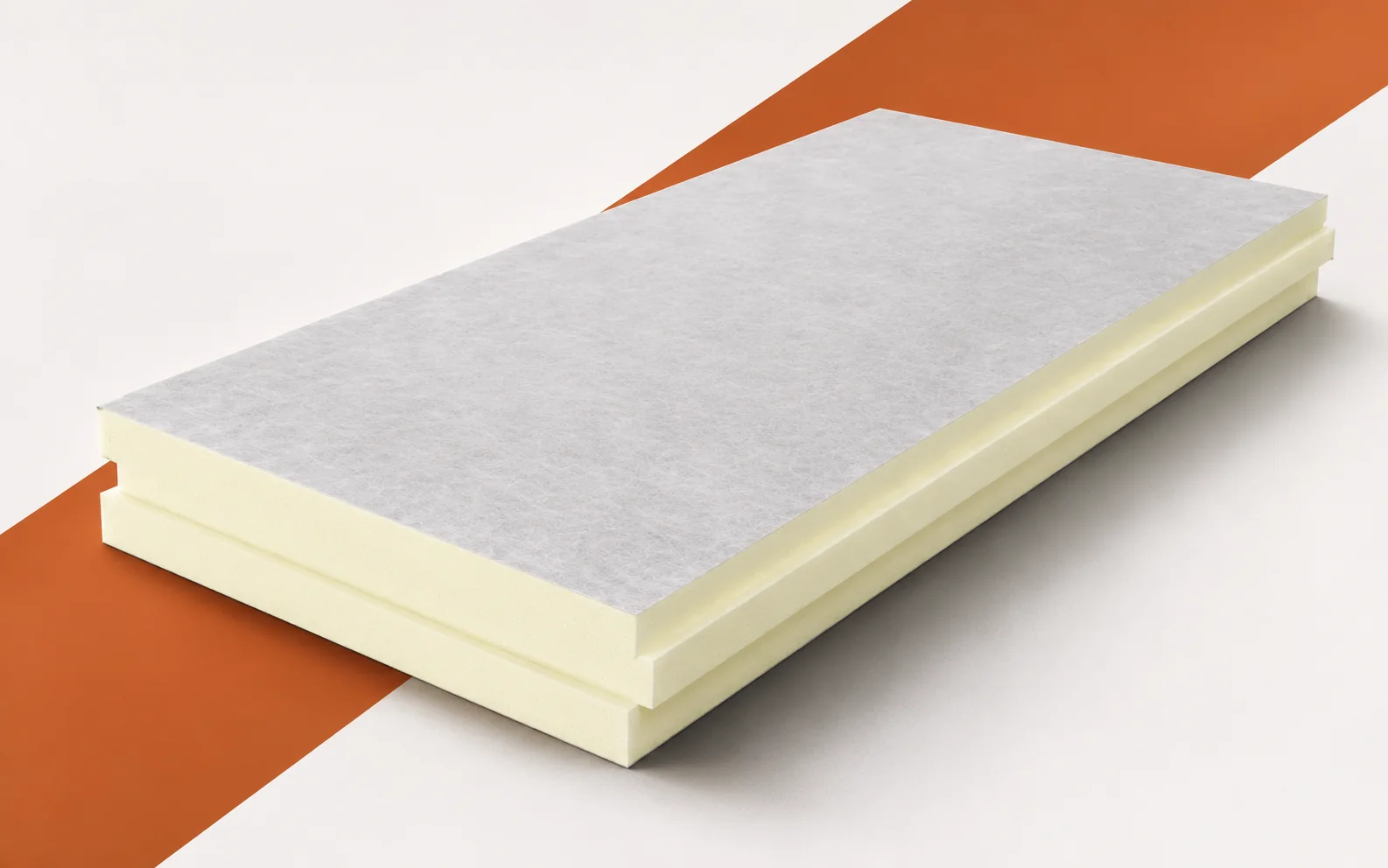
Glass fleece on termPIR WS: why it differs from aluminium foil
The glass fleece in termPIR WS performs a different function from aluminium foil, so the two facings cannot be treated as interchangeable. The termPIR WS board consists of a PIR core with a gas-permeable glass fleece facing on both sides, whereas the aluminium laminate is gas-tight. The colour of the core alone says nothing about the surface that the adhesive, membrane or covering will have to bond to. On an existing roof, the assessment begins by establishing which facing is actually on the board and how it connects with the other layers and with the fixing of the covering. Only this actual condition allows an assessment of whether the fleece fulfils its role in the building element.
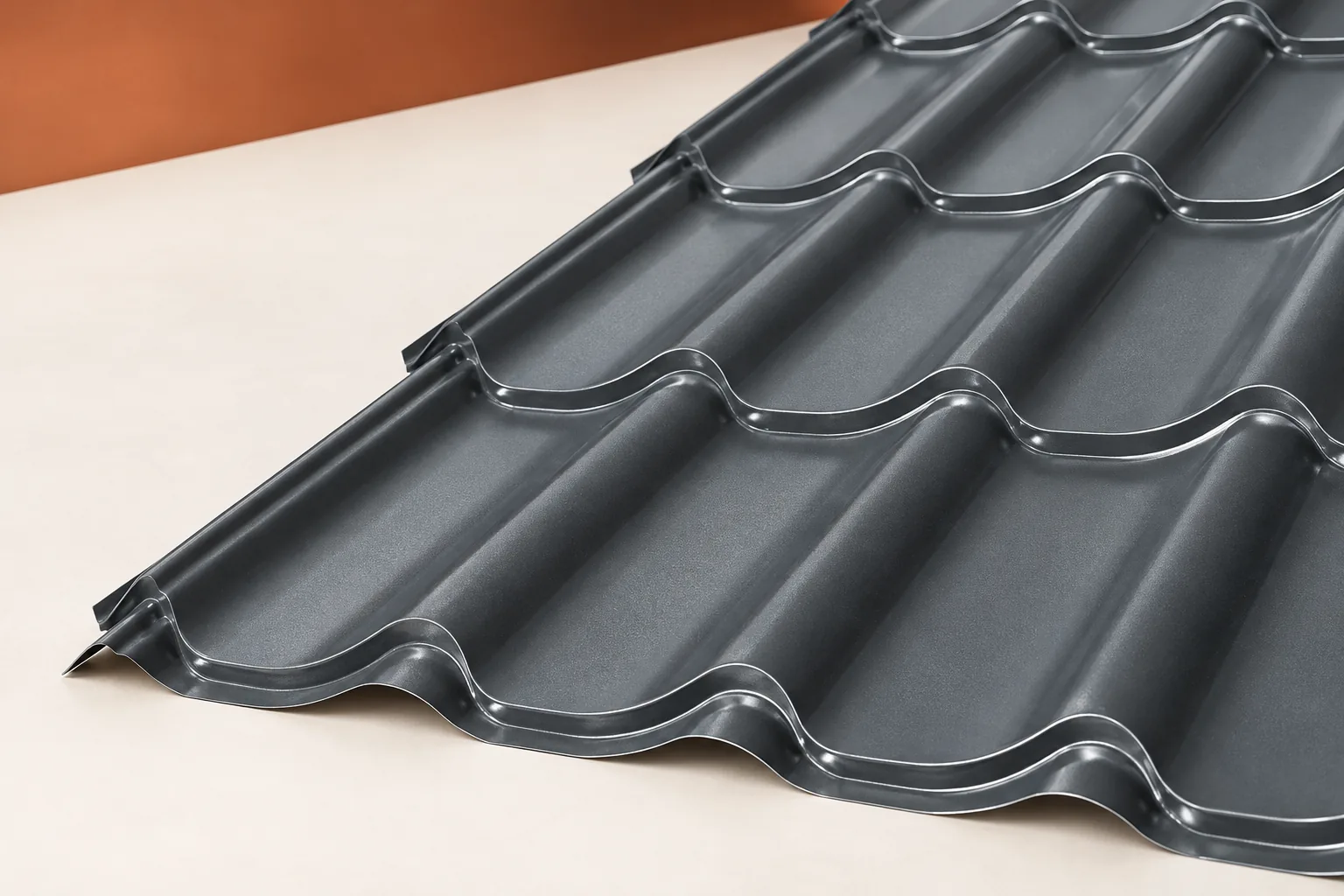
What shapes the design and construction of modern tile-effect metal roofing?
In Poland, the construction and appearance of modern metal roof tiles are determined primarily by matching the profile, coating and sheet format to the roof geometry and installation conditions. Rather than relying solely on corrugation height, check whether the chosen variant can be safely laid out and delivered onto the roof without permanent deformation. Corrugation height is not an independent indicator of the whole roof's strength, because sheet thickness, supports and fixings also govern how the covering performs. Compare a sample with the façade, joinery and guttering, and leave the cutting plan and fixing decisions to the designer.
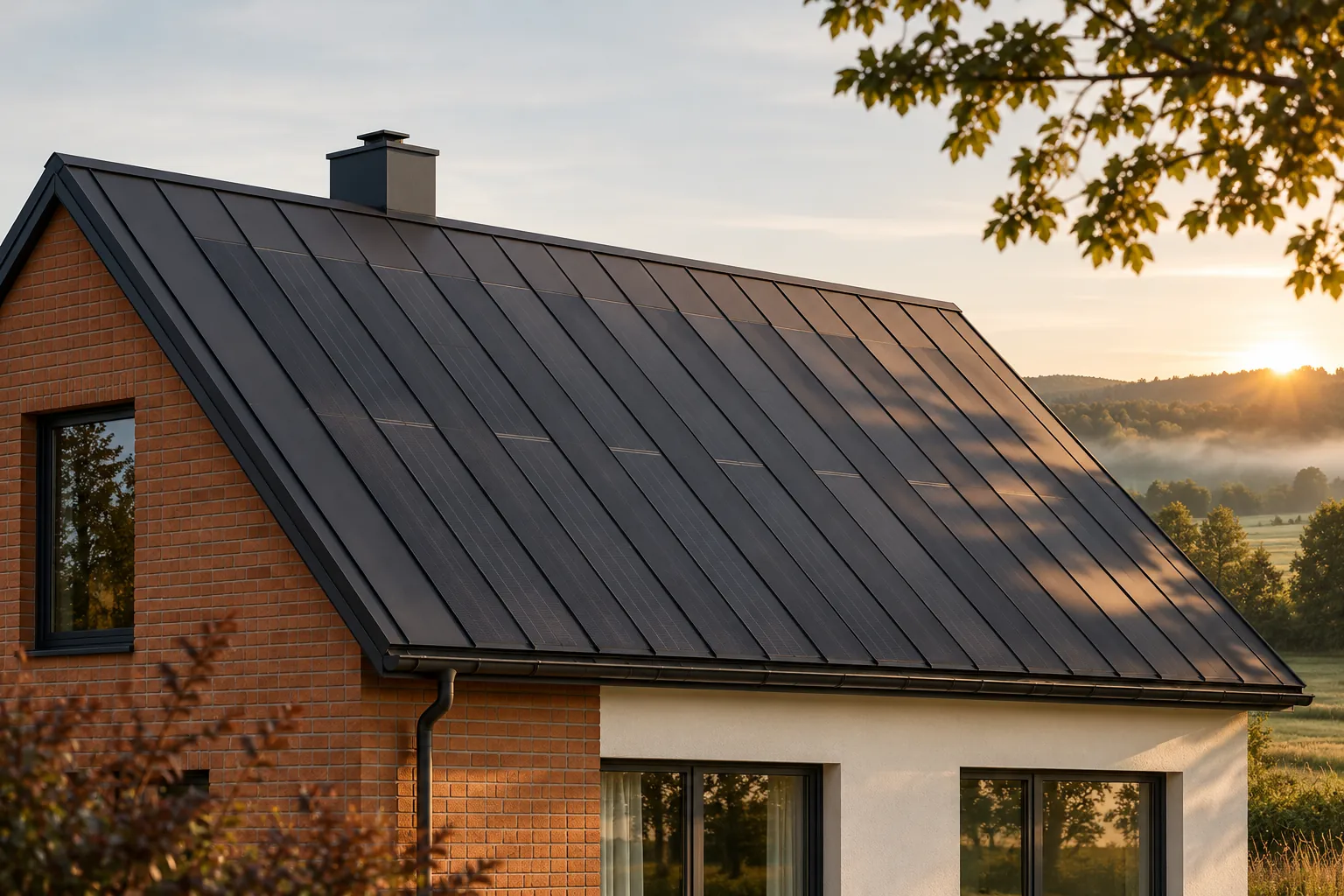
Why doesn’t roof capacity in kWp tell you how much electricity will reach your home?
The capacity stated in kWp describes a photovoltaic roof under defined measurement conditions. It is not a promise of constant output, nor a number of kilowatt-hours available every day. Actual yield is determined by light, temperature, roof geometry and system losses. The benefit to the household budget also depends on when energy is generated and when it is consumed. Cell and module parameters are compared under repeatable laboratory conditions. This allows different products to be compared on a common basis. On a roof, conditions change constantly. Irradiance in the morning differs from that at midday, and cell temperature need not be the same as air temperature.
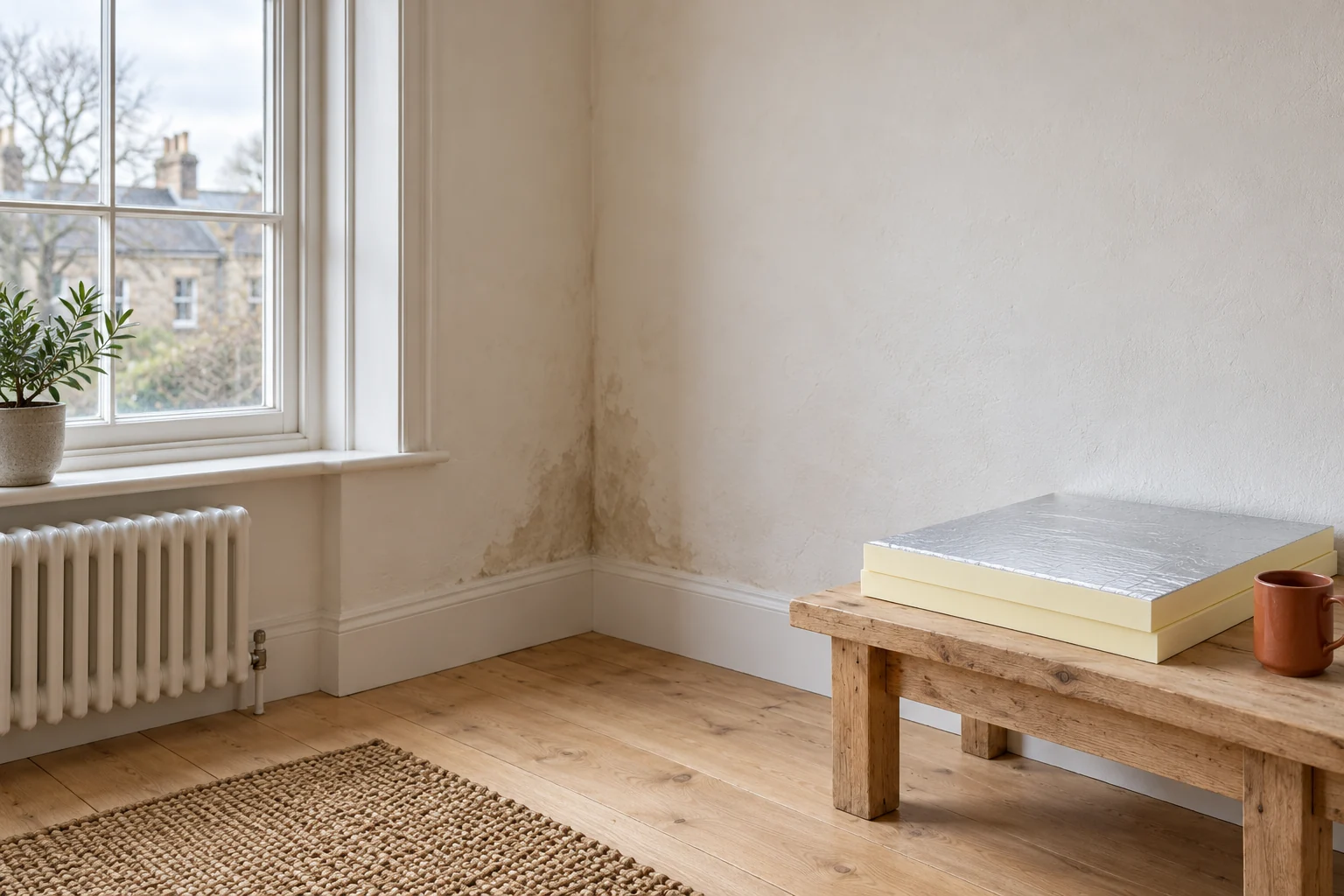
Why does the north wall get damp and how can you find the cause?
Stains on the north wall do not point to a single cause. Water may come from a leak, the ground or humid air in the room. Less sunlight makes drying more difficult and encourages cooler surfaces. Before choosing insulation, establish the source of the problem. Covering the stain with a board may only hide further dampness. Observe the connection between the stains and rain and wind direction. Check gutters, flashings, window sills and cracks in the façade. A mark under the window may result from a leaking detail. Dampness at the floor may require an assessment of the insulation at ground level. However, the shape of the stain alone does not give a reliable diagnosis.
Do galvanised profiles really never rust? Facts about steel protection
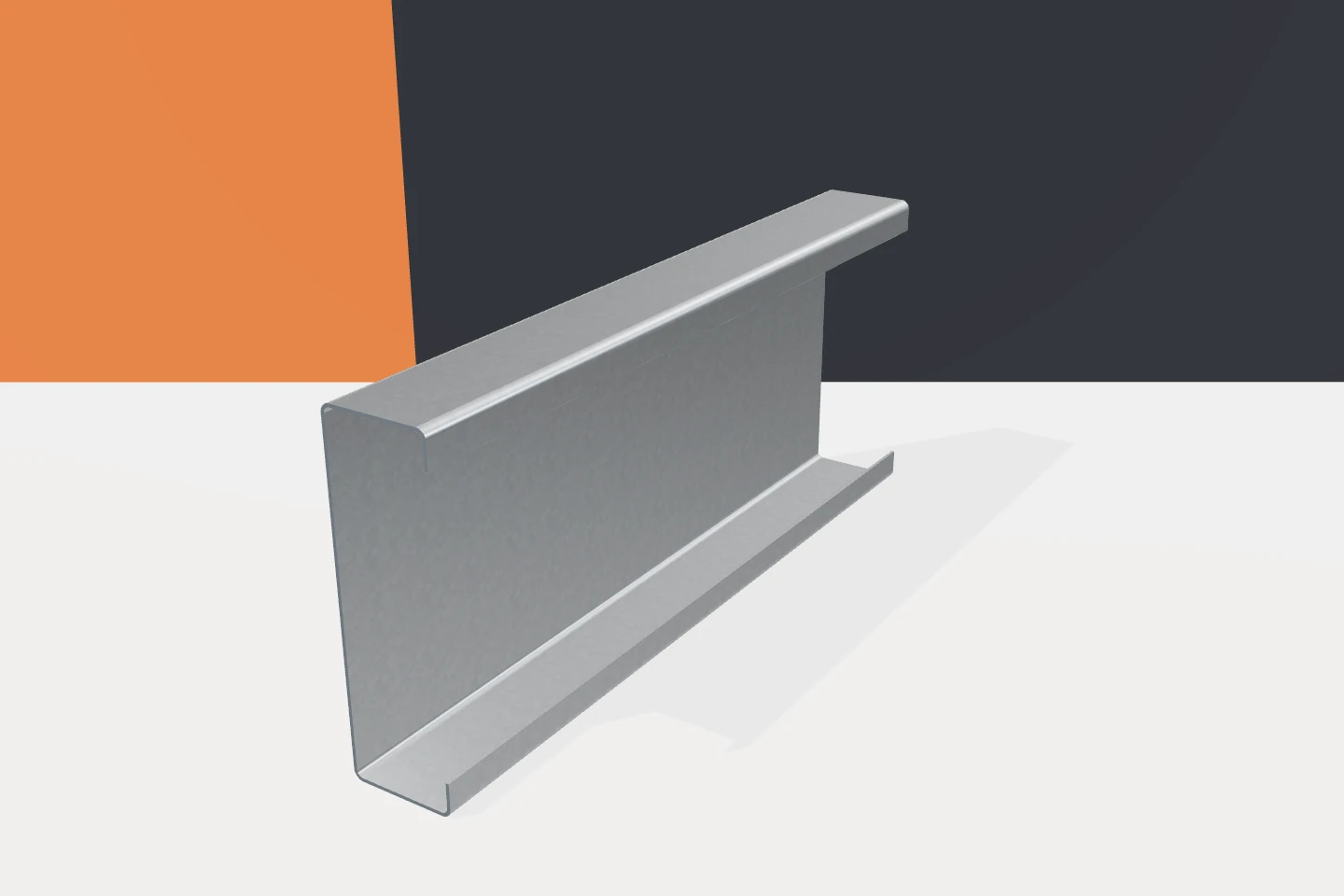
The silver coating is often treated as a guarantee of durability without any conditions. That is an oversimplification that goes too far. Galvanised profiles are protected against corrosion, but how they are used still matters. This applies to Z-sections, C-sections, sigma profiles and omega profiles. Good protection is created together by the right product, the correct detail, dry delivery and subsequent inspection. The colour of the surface alone does not replace any of these elements. The zinc coating separates the steel from its surroundings and provides electrochemical protection under certain conditions. It is not an inert layer that remains the same throughout. Reactions involving air and moisture take place on its surface. The rate of change depends on the environment. Durability therefore cannot be reduced to a single period valid for all structures.
Roof valleys: how to detail the junction to prevent leaks
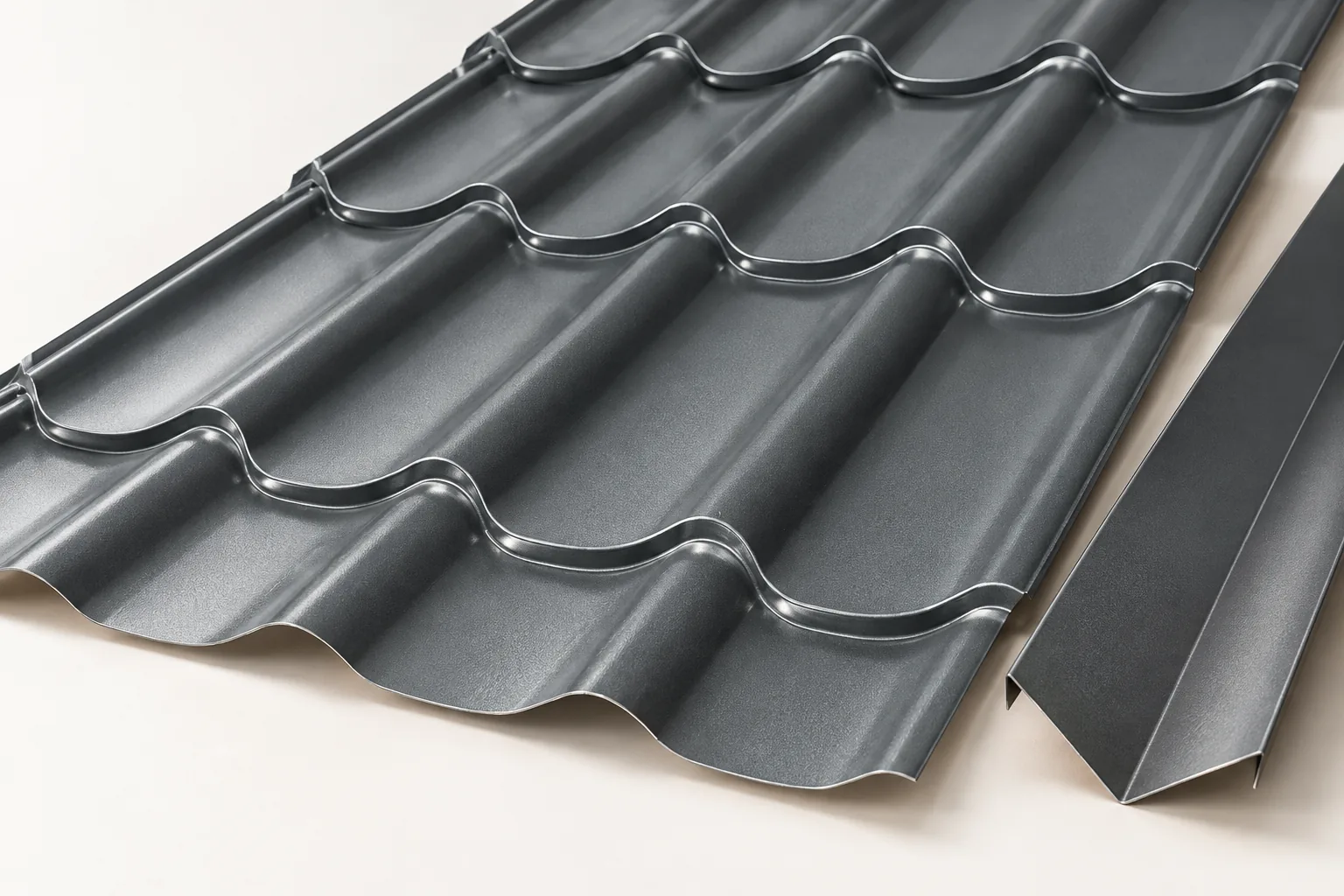
A valley gutter carries water from two roof slopes that meet in a concave junction. The whole detail, not just the sheet width, determines watertightness. Before installation, check the valley line, continuity of support and underlay, and whether water can flow smoothly to the eaves. Consider the valley length, roof pitch and covering type rather than the appearance of the channel alone. Fixings must not interrupt the drainage path, and laps should lead water from the higher element to the lower one. Also remember that leaves, needles and snow collect there.