






Building academy
The Izoprofil.org building academy explains decisions made during construction and refurbishment. The articles start with the materials themselves, including sandwich panels, PIR insulation boards and profiled sheet metal. Learn the terms used in product descriptions and how several properties affect a complete assembly. Topics include thermal insulation, joints, moisture protection, roof coverings and purchasing. Each article includes a summary and contents to help you find the relevant detail. Use the guides alongside the drawings and product documentation for your own project.
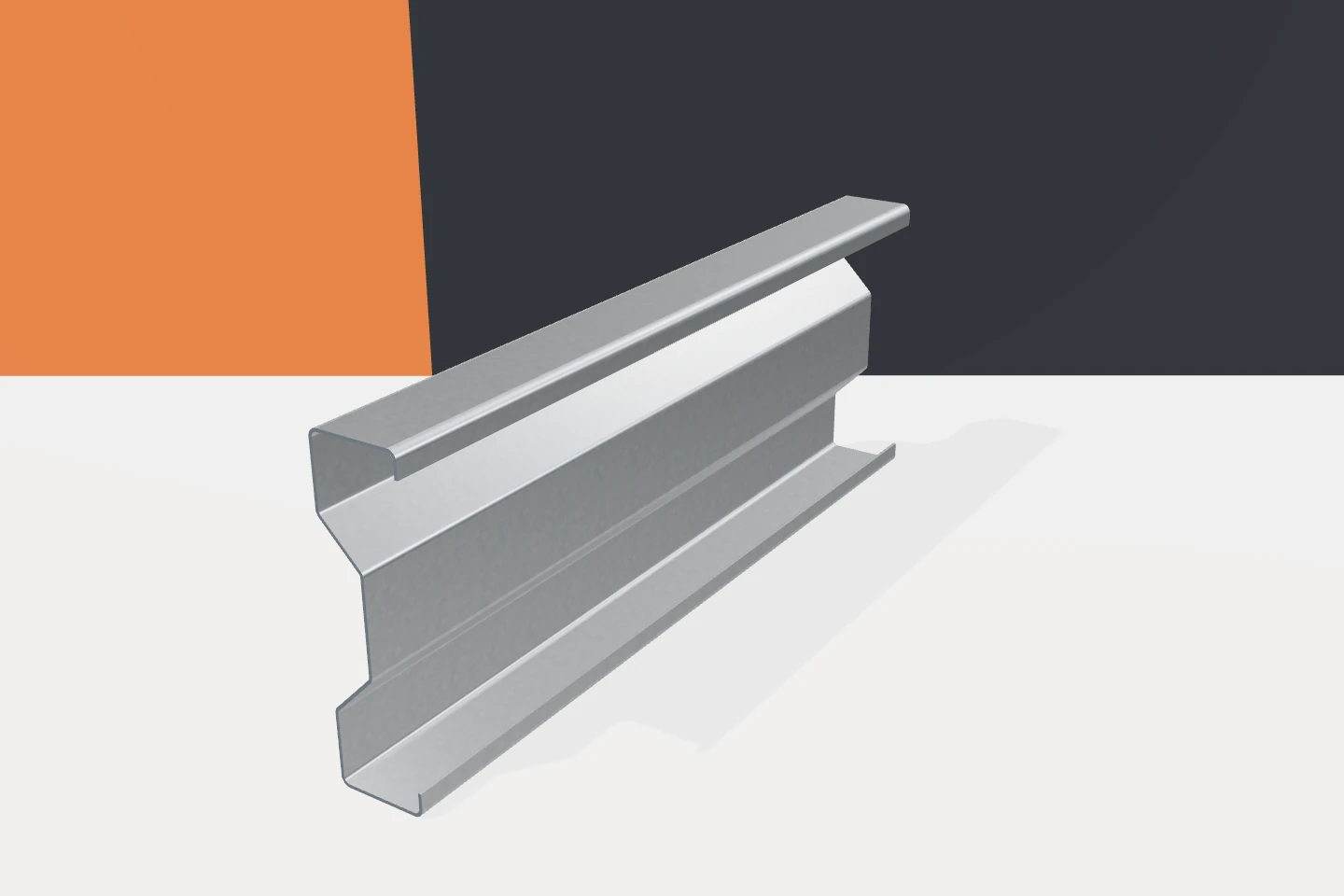
How much load can a cold-formed section carry? Why the answer varies
The question of a profile's load-bearing capacity seems simple. In practice, it cannot be answered with a single number without additional data. The same channel section can act as a post, a rail or a purlin. A zed profile can have a different span and different lateral support. Cold-formed profiles must be assessed within a specific arrangement. It is worth understanding what information changes the result before comparing tables or offers. A uniformly distributed load does not act the same as a single force at mid-span. The direction of the action also matters. A roof is subject to self-weight, snow and wind, not just a mass placed on top. Suction can change the sign of bending and the working conditions of the flanges. A wall rail, in turn, receives loads from the cladding and wind in a different arrangement.
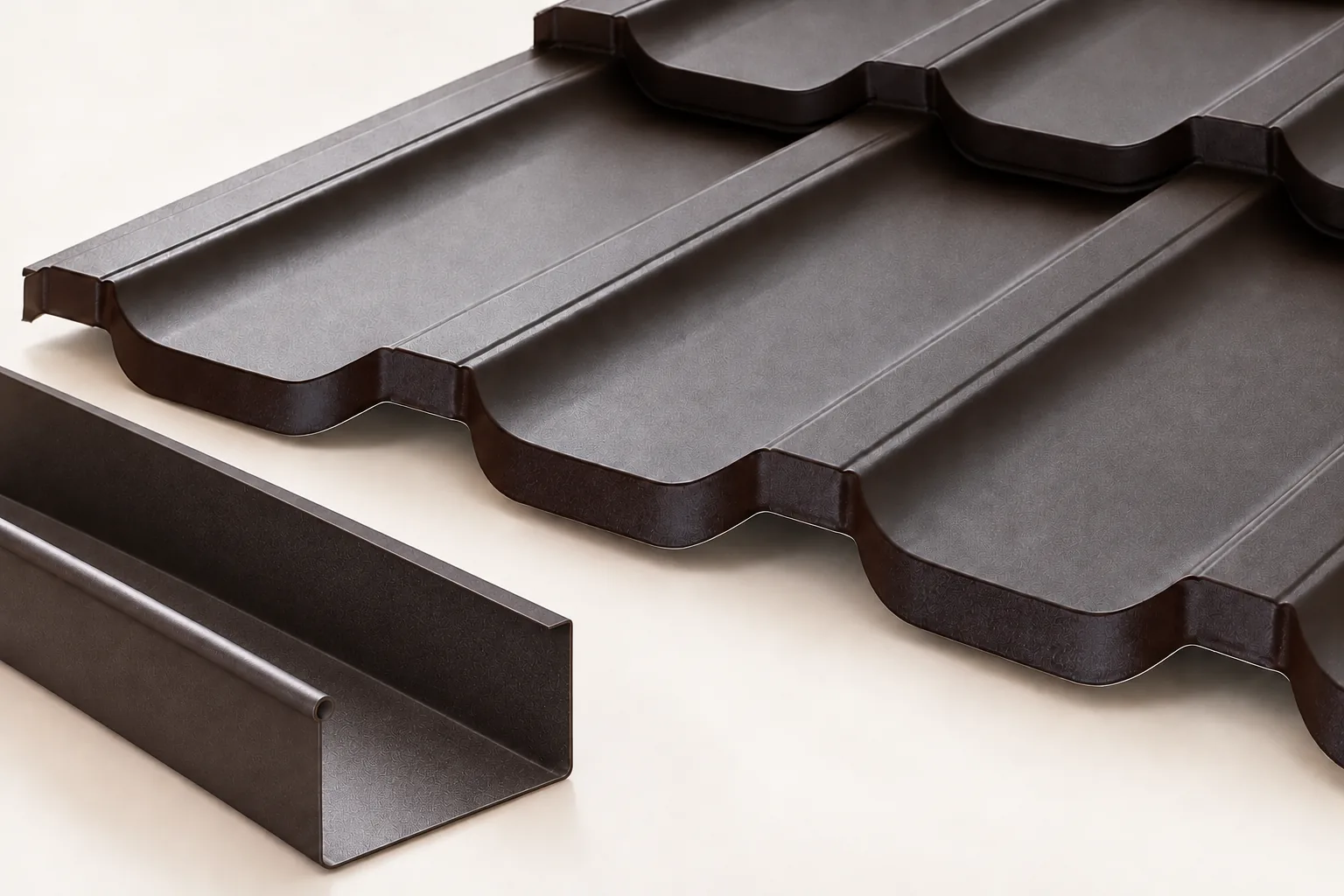
When does a concealed gutter system make sense?
A concealed gutter system will suit above all buildings where it was planned from the outset, and investors who value a calm roof line and limited visibility of drainage on the façade. Before choosing, establish exactly what the set includes, how the downpipe runs, and whether service access for cleaning and repairs is provided. Also assess how the system behaves during a blockage and coordinate details with the wall insulation and structure. Leave the layout decision to the designer.
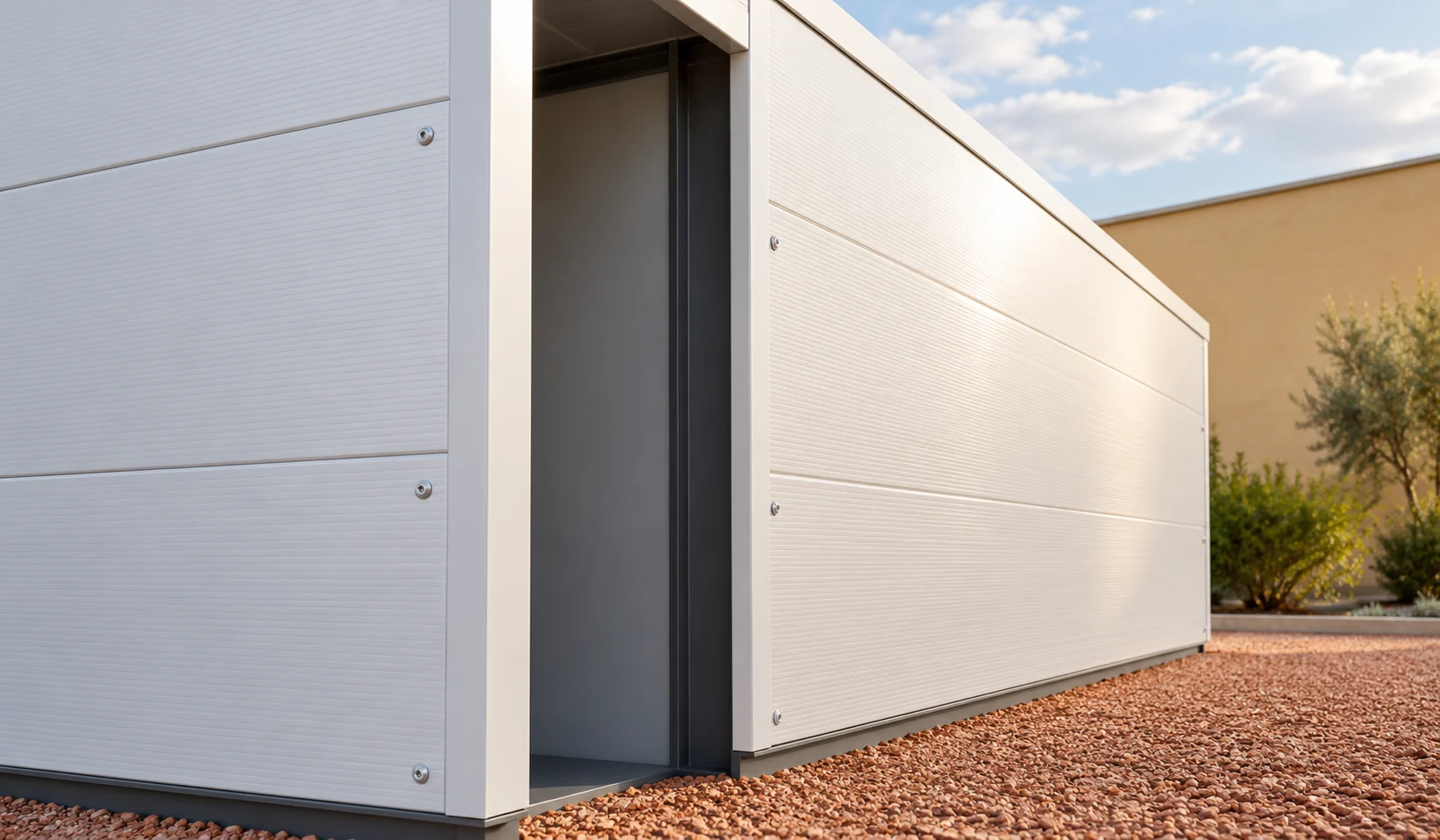
How to choose fixings for insulated wall panels with a mineral wool core?
A screw for a panel with a mineral wool core must connect the panel to the correct support and maintain the sealing of the fixing point. It is not selected solely by core thickness. The steel facings, the material of the structure and the wind load are important. The number and arrangement of fasteners are determined for the specific wall. A universal number of pieces per metre can be misleading. The panel thickness, the type of fixing and the material of the support must be known. Steel, timber and a subframe fixed to masonry place different requirements. With steel, the drilling range of the fastener and the thickness of the element are important. A screw intended for a thin wall is not automatically suitable for a thicker section.
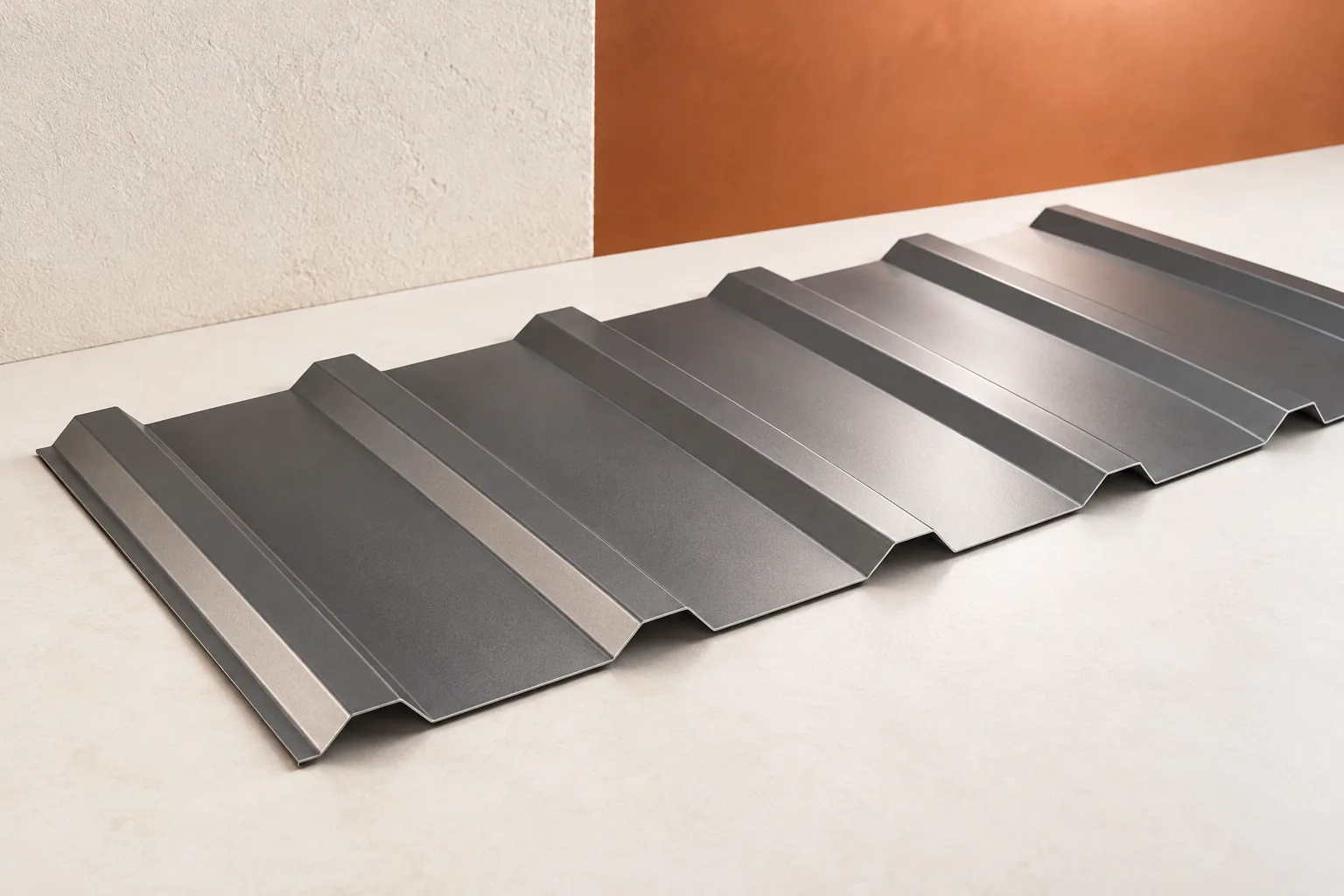
Why use sheet metal to clad a building façade?
Lightweight metal cladding works well where a large wall area needs covering quickly and a tidy arrangement of divisions is wanted. It can suit industrial halls, workshops, garages and selected parts of a house. Its advantages are low weight and a wide choice of coatings. Even so, the substructure, connections and wall layers must be designed. The cladding alone does not make the whole building insulated or airtight, and its lightness does not remove the need to assess the substrate and anchoring, since it transfers wind loads.
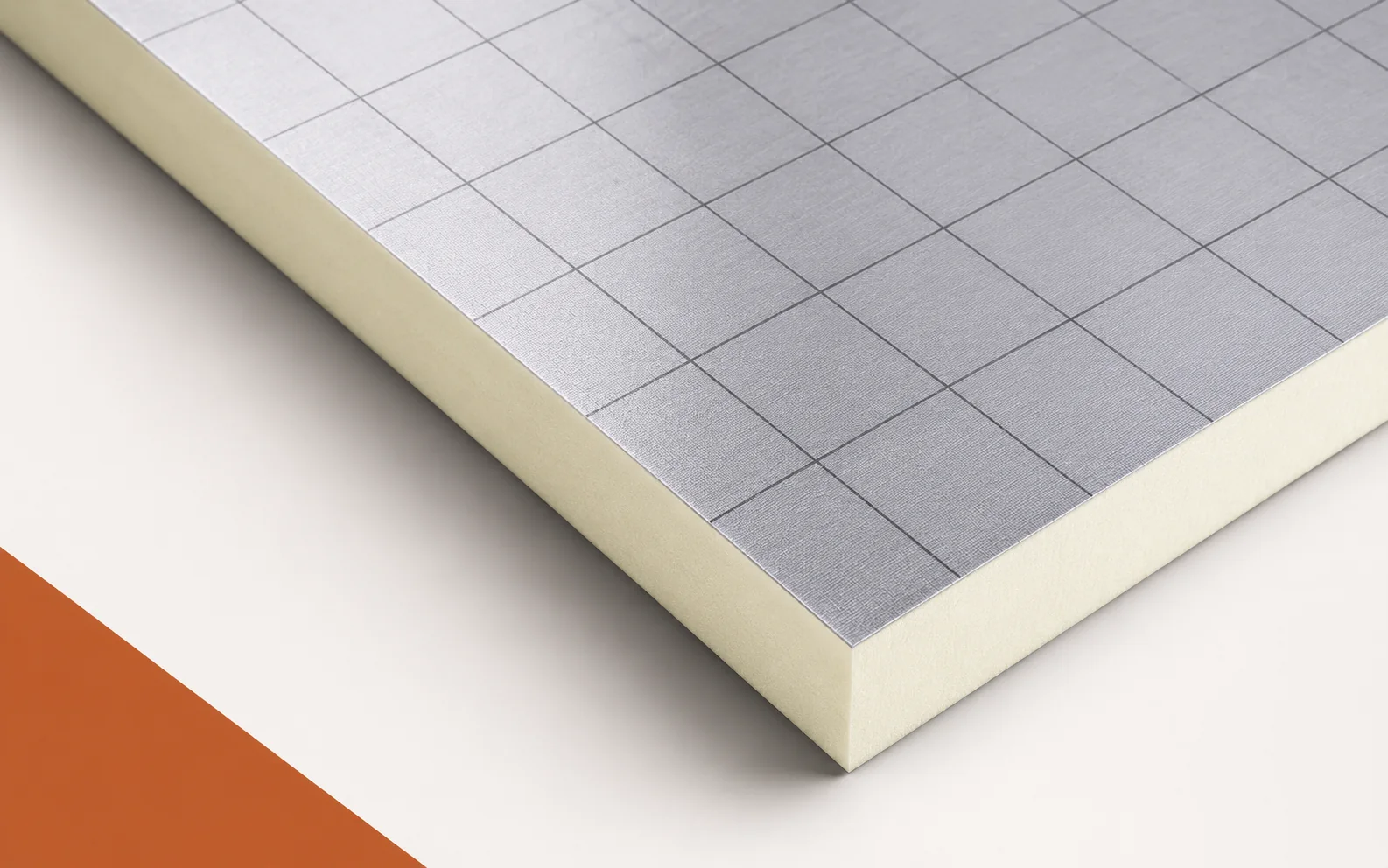
Eurothane Silver: why the board and assembly have different fire classifications
Fire safety for a roof with Eurothane Silver requires checking the classification that applies to its actual build-up. Eurothane Silver is a PIR board with multi-layer gas-tight foil on both sides and a printed grid, intended in the current datasheet for flat roofs in a classic build-up. The fire class assigned to the board alone and the class for a specific end use come from separate assessments, so they cannot be compared without checking what each entry refers to. This distinction helps avoid both unjustified concerns and presenting PIR as a non-combustible material.
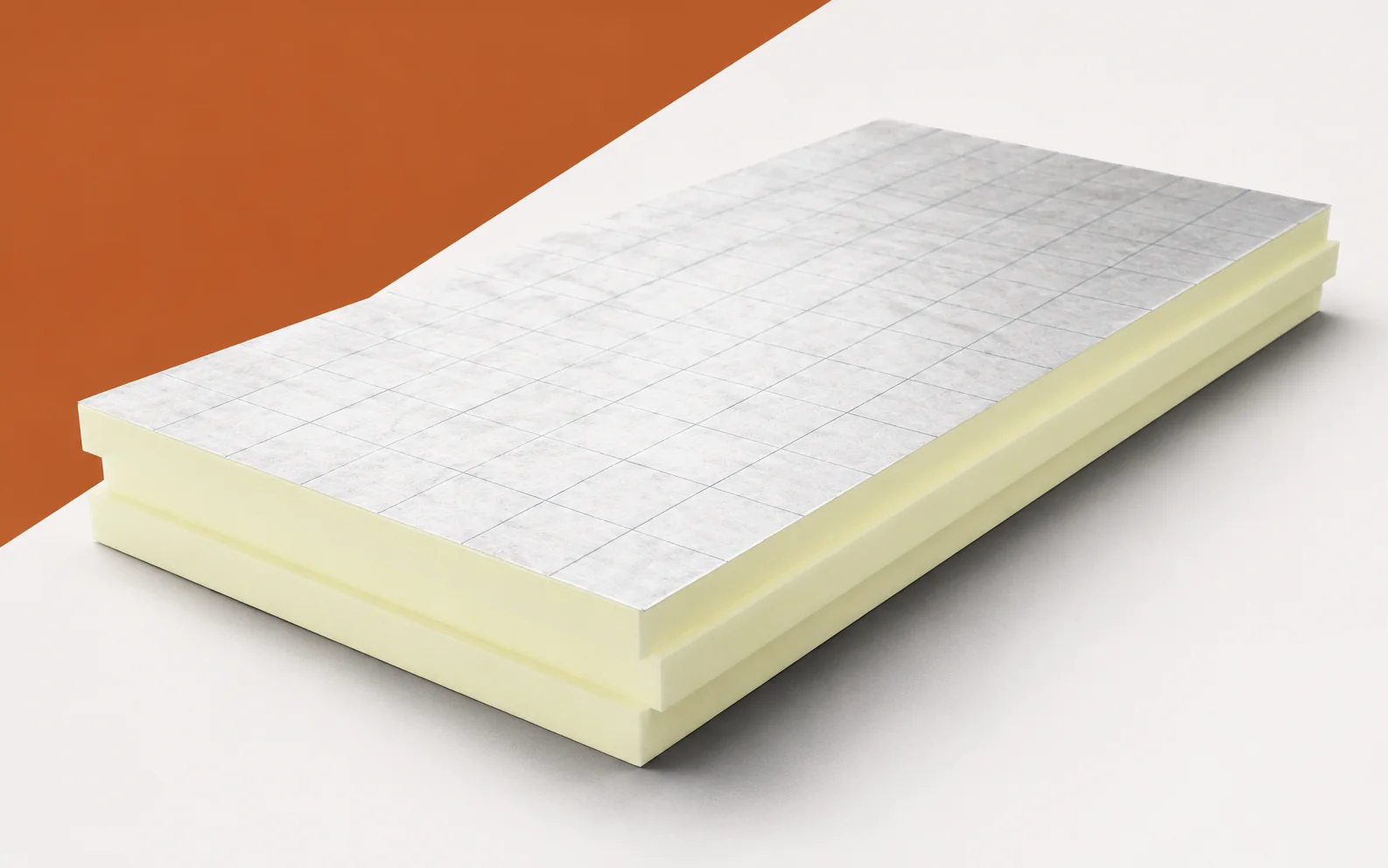
Lambda 0.019 for termPIR MAX 19 AL: interpreting the figure correctly
The value 0.019 in the termPIR MAX 19 AL designation is the declared thermal conductivity λ of the board, not a measure of surface temperature and not a promise of a specific percentage saving. The board is made of rigid PIR foam and faced on both sides with a gas-tight laminate of aluminium, paper and polyethylene, and this level of thermal conductivity is precisely its distinguishing feature. The figure can only be read meaningfully once it is known how much space for insulation the existing detailing leaves and which layers accompany it. The material designation alone therefore does not say how the entire building element will behave.