






Building academy
The Izoprofil.org building academy explains decisions made during construction and refurbishment. The articles start with the materials themselves, including sandwich panels, PIR insulation boards and profiled sheet metal. Learn the terms used in product descriptions and how several properties affect a complete assembly. Topics include thermal insulation, joints, moisture protection, roof coverings and purchasing. Each article includes a summary and contents to help you find the relevant detail. Use the guides alongside the drawings and product documentation for your own project.

What determines the durability of an insulated wall panel with a mineral wool core?
It is not possible to fairly assign a single number of years of service life to all panels with wool. Durability is determined by operating conditions, the coating and the execution of joints. What happens after building handover is also important. A well-selected panel can retain its functions for a long time if its edges remain dry and damage is noticed early. A sandwich panel combines steel facings with a wool core. The external surface is exposed to sun, water and contamination. The internal surface works under indoor conditions. The core should remain covered. The durability of the wall depends on the interaction of all these parts and the joints between panels.
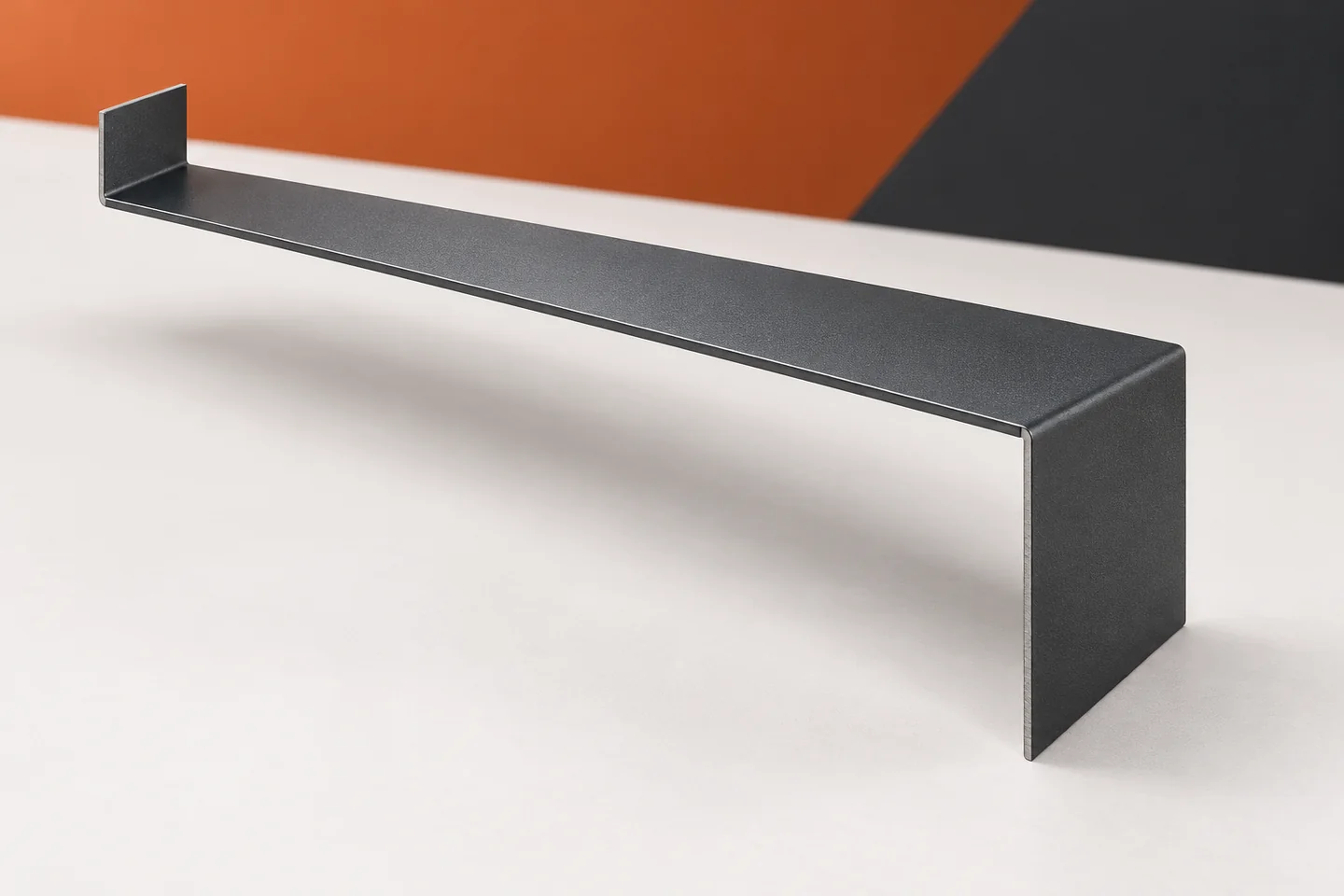
When standard flashings do not fit: ordering a custom folded profile
A ready-made profile makes purchasing easier if it matches the actual detail. The problem starts when it has to be bent heavily on site, joined with random strips or used to mask large gaps. Bespoke sheet metal flashings allow the cross-section to be matched to the location. However, they are not a way of avoiding measurement. A well-prepared order begins with establishing the function of the element and the reason why the standard does not fit. The mismatch may relate to the angle, the length of the leg, the width of the cover or the position of the bend. These are different problems. If the barge flashing is too low, changing only the length of the section will not improve anything. If the gutter apron has the wrong angle, cutting its end will not solve the matter either.
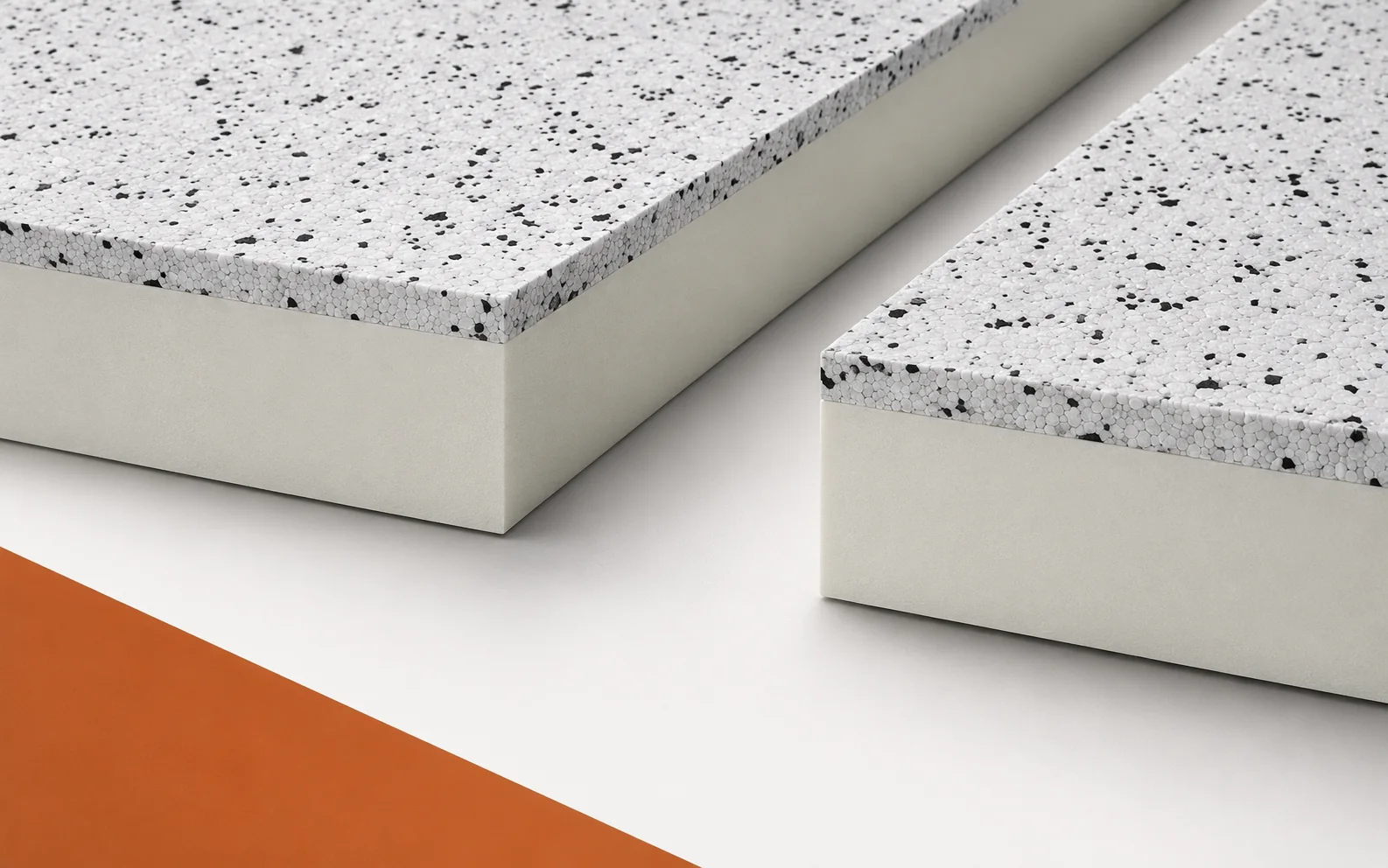
Is Thermano ETICS an ordinary PIR board? Construction and intended use
Thermano ETICS is not a homogeneous PIR board, even though its name and surface might suggest otherwise. It is a composite: the outer 20 mm is EPS, behind which lies the PIR core with gas-tight multilayer facings containing aluminium. This arrangement defines the product's intended use and is the starting point when investigating the causes of defects in existing façades — it allows the properties of the board itself to be separated from the behaviour of the entire building envelope and reduces the risk of an incorrect substitute. During inspection, therefore, identify the cross-section: the PIR core and the outer EPS layer 20 mm thick, which is part of the composite and not an arbitrarily selected layer.
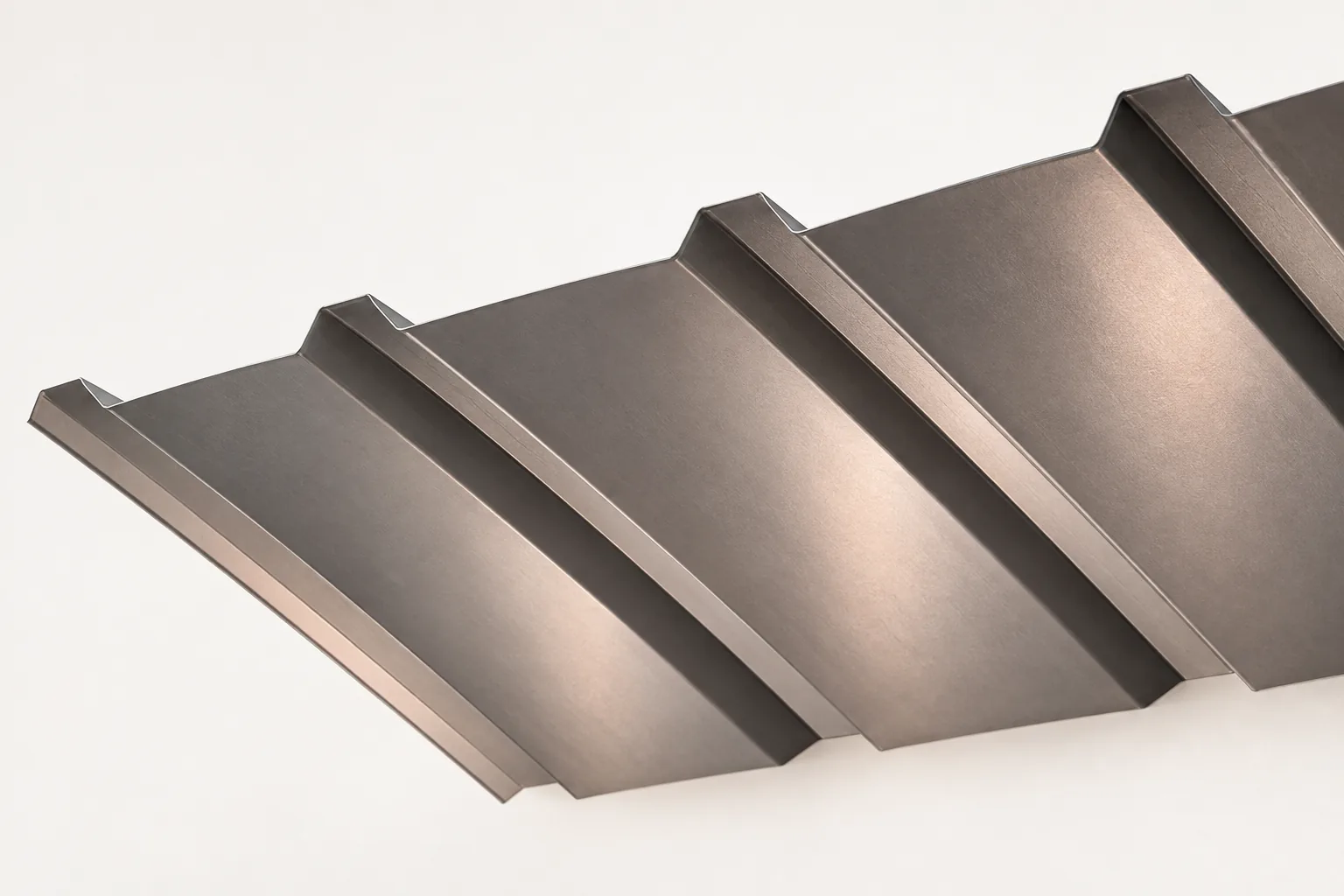
Trapezoidal steel soffits: choosing the profile and finishing the eaves
Trapezoidal sheet cladding tidies the eaves and conceals the underside of the roof overhang. To work properly, fixing, edge details and roof ventilation must be planned separately. The T18 profile is one possible choice – judge its height on a sample, as it looks different up close than across the whole slope. Properly protected joints and openings can limit bird access, but the cladding does not take the place of the underlay or the water-draining flashings.
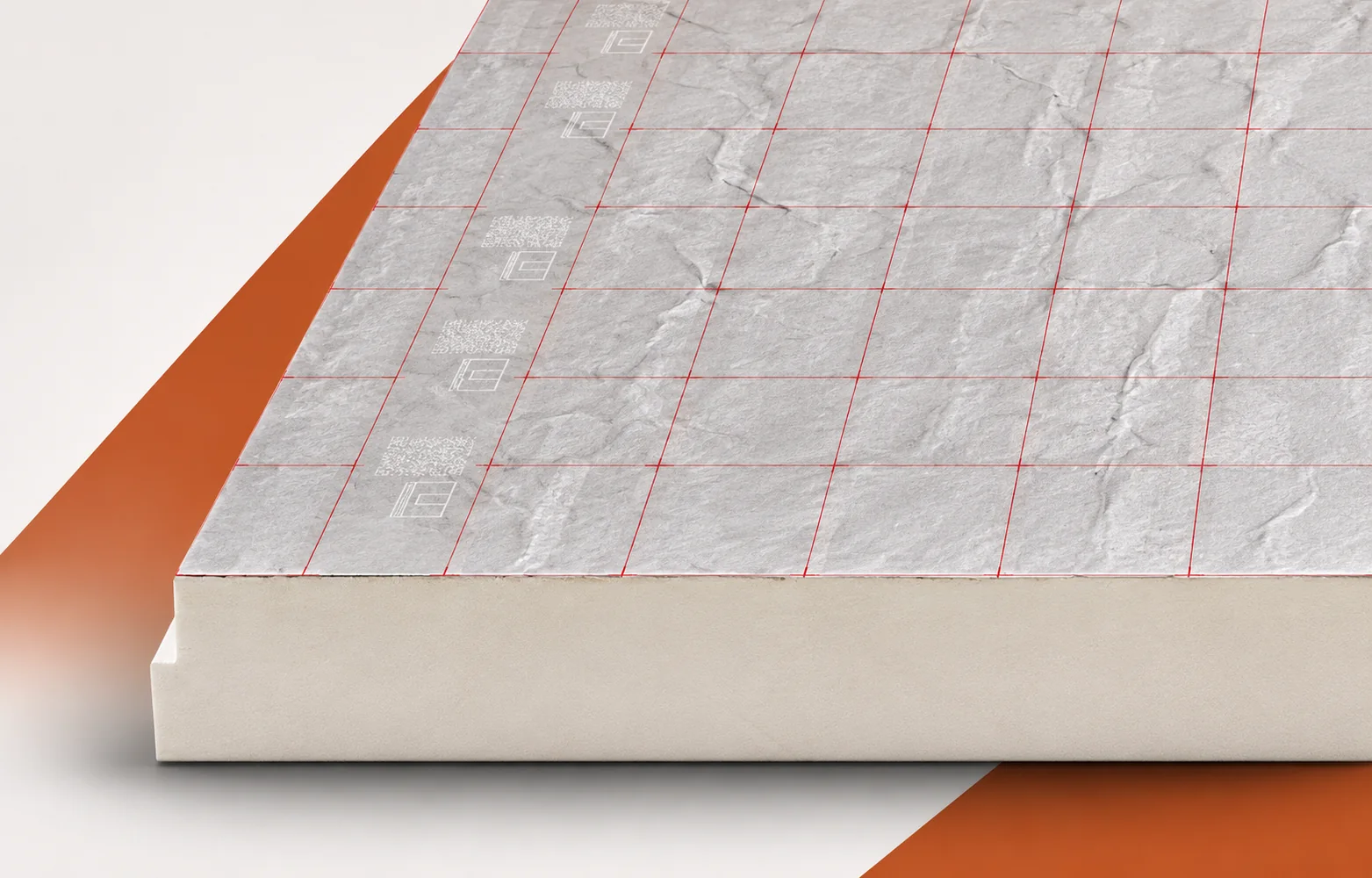
Can Thermano Deck carry roof loads? Understanding CS and system data
In Thermano Deck, CS is not the permissible roof load but the result of a test at a defined deformation. The question of whether the roof will carry the load therefore requires separating two things: the mechanical parameters of the PIR board with multi-layer, gas-tight facings containing aluminium on both sides, and the behaviour of the entire flat roof assembly. The product is intended for, among other things, classic flat roofs, but equipment or a PV installation requires separate verification of the loads and of how they are transferred. The CS declaration alone therefore does not answer whether the roof will carry the load — the substrate, vapour control layer and waterproofing must also be established.
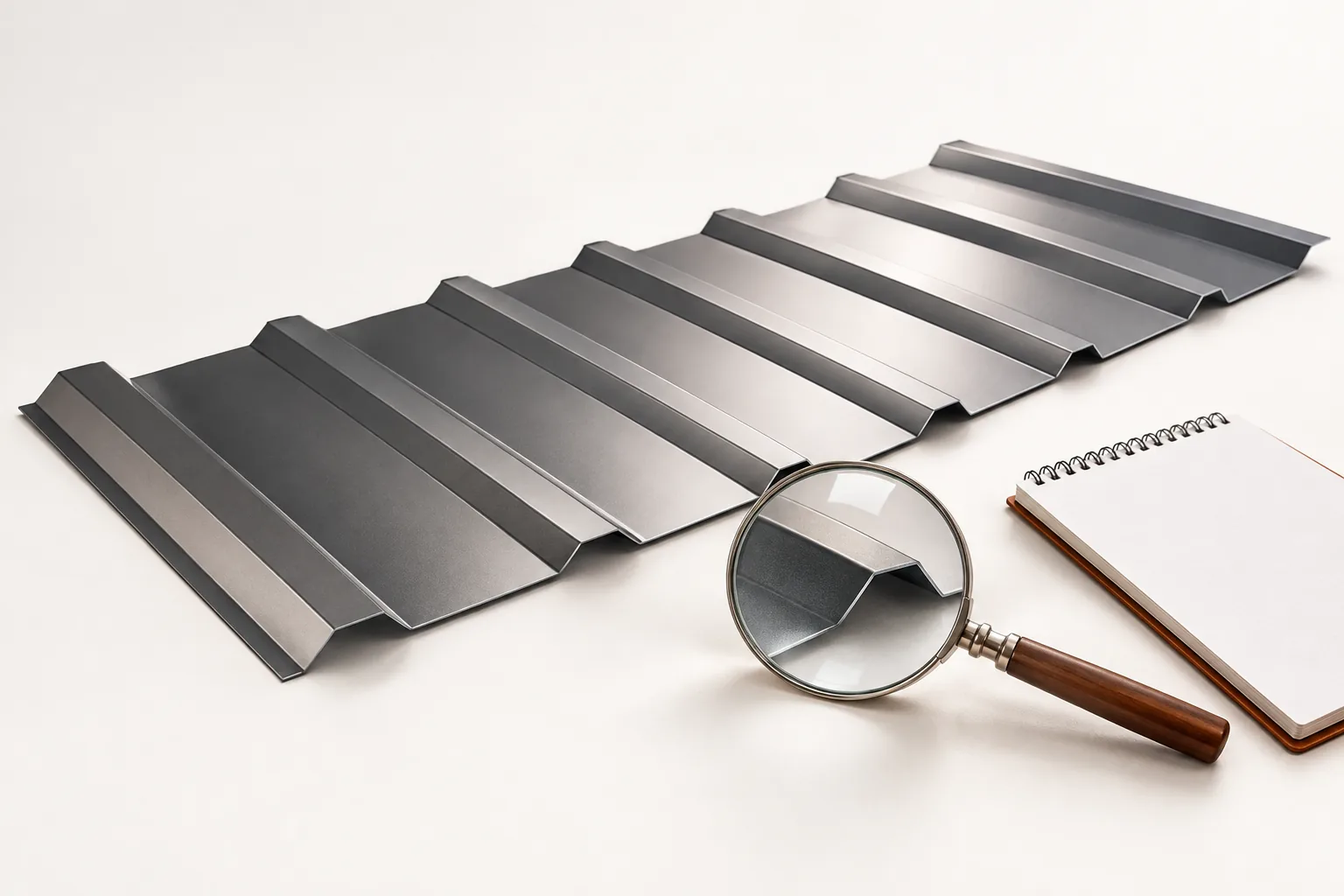
Roofing sheet damage: which mistakes can lead to a disputed claim?
Before you submit a claim for roof sheeting, establish whether the mark arose before installation or after the sheets were laid on the roof. Document scratches, dents and deformations together with their location, because a similar symptom can have different causes. Also check how the sheet was lifted and whether it was dragged across the pack. Examine moisture between sheets and cutting residue separately. Without data on specific reports, the most common faults cannot be reliably ranked, so diagnose your own case.