






Building academy
The Izoprofil.org building academy explains decisions made during construction and refurbishment. The articles start with the materials themselves, including sandwich panels, PIR insulation boards and profiled sheet metal. Learn the terms used in product descriptions and how several properties affect a complete assembly. Topics include thermal insulation, joints, moisture protection, roof coverings and purchasing. Each article includes a summary and contents to help you find the relevant detail. Use the guides alongside the drawings and product documentation for your own project.
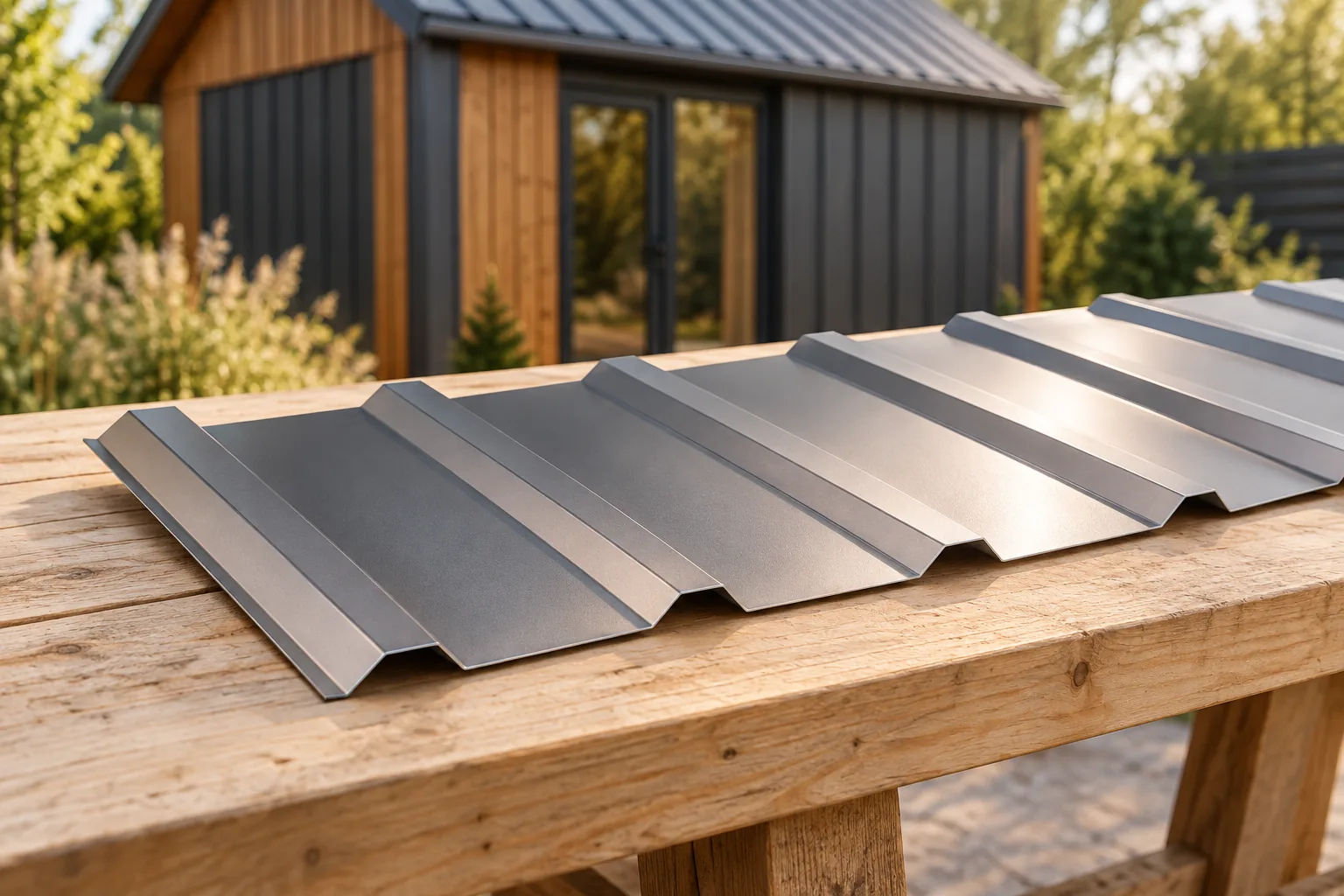
Which roofing material suits a seasonal holiday home?
The choice of roofing is determined primarily by how the holiday cottage is used, not by its small area. Establish whether the building will be seasonal or used all year, as this affects insulation and ventilation requirements. Check the weight of the covering, the required pitch, the risk of condensation and comfort during rain. If winter use is planned, analyse the layer build-up with future insulation in mind. Also remember to refine the structure and drainage, even on a small roof area.

What pitch allows water to drain from a sandwich panel roof?
The pitch of a sandwich panel roof must suit the chosen system and drain water effectively. The limit value depends on, among other things, the joints and openings in the roof slope. In service, deflection, clean gutters and the condition of the seals also matter. A well-chosen fall helps, but does not make good execution defects. The roof must direct water to the designed drainage. Standing water extends the contact of the surface and joints with moisture. If leaves or dust collect in a depression, drying takes even longer. This does not mean that every visible drop indicates a defect. The problem is water permanently retained in a place that was meant to drain it away.
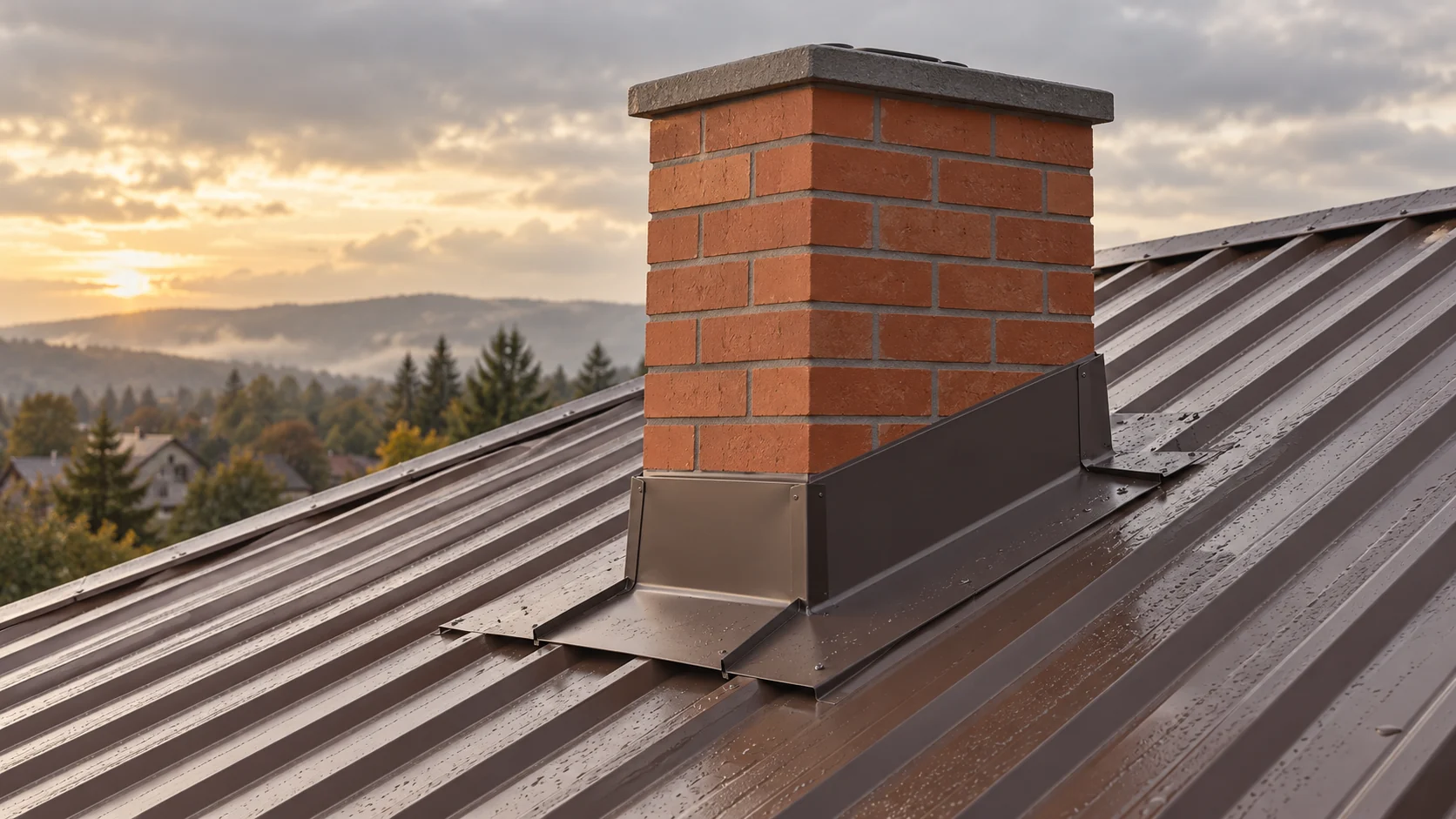
Where does water under the steel sheet come from and how do you find the right cause?
A wet patch under the roof does not show exactly where the fault is. Water can travel along the sheet, the membrane or the structure. It can also be the result of vapour condensing. First you need to establish when the moisture appears. Only then can you choose the repair. Sealing all the joints at random often makes it harder to find the problem. Note the time the patch appears and the conditions outside. A leak during wind-driven rain may point to a different place than dripping after calm, prolonged rainfall. Moisture after a frosty night, with no rain, directs attention to condensation. The operation of the heating and the amount of vapour produced inside also matter.
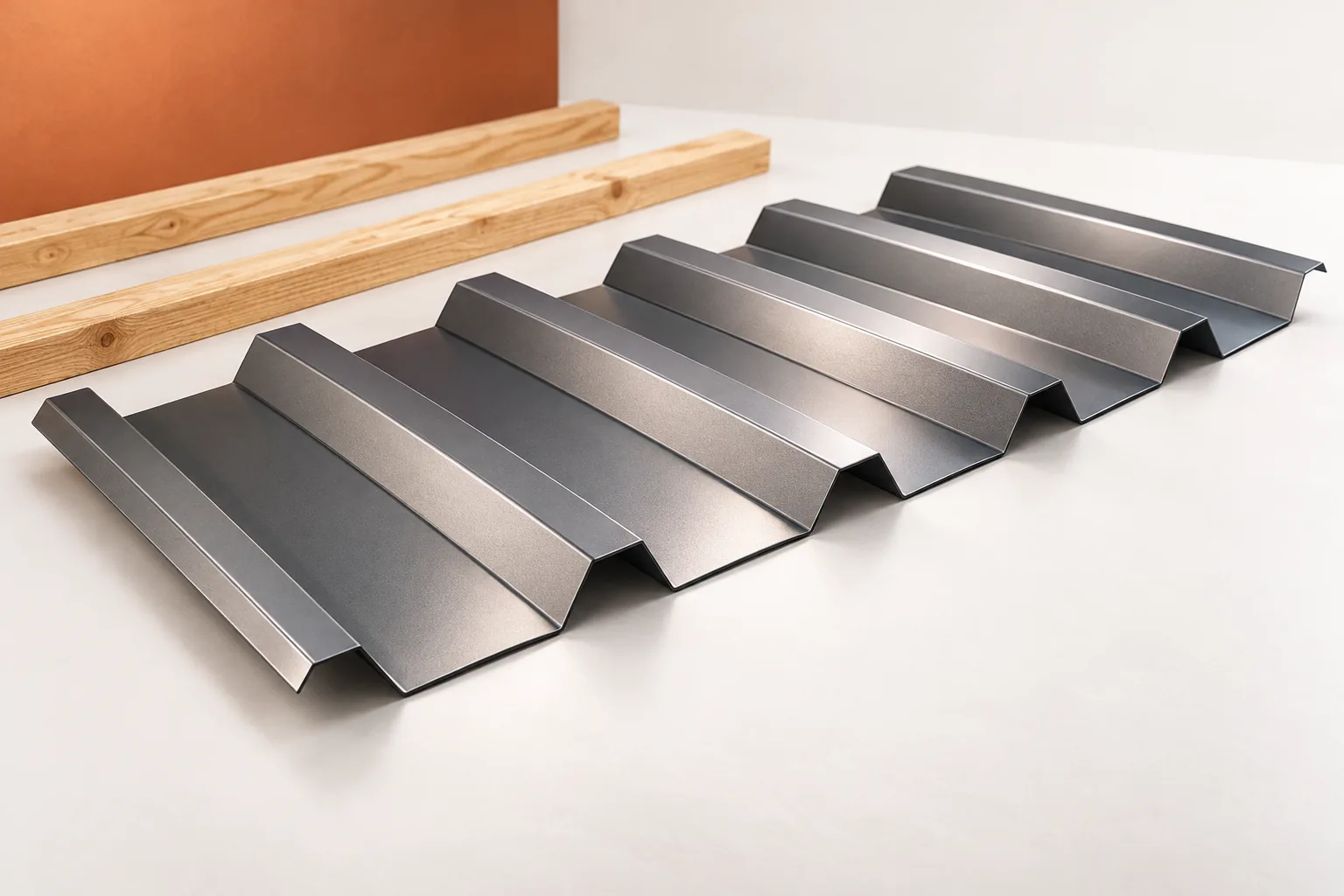
Planning the batten supports for trapezoidal steel roofing
The spacing of battens is governed by the load-bearing capacity of the specific trapezoidal sheet, not by the profile symbol alone. Before installation, it is worth confirming that the product documentation and structural check match the steel thickness, span and support arrangement on the roof. It should also be established whether the system is single-span or multi-span, since load tables distinguish these cases. Edge and corner zones also need checking, as fixing there may differ from the middle of the slope. An even batten and counter-batten grid creates a safe path for transferring loads to the roof structure.
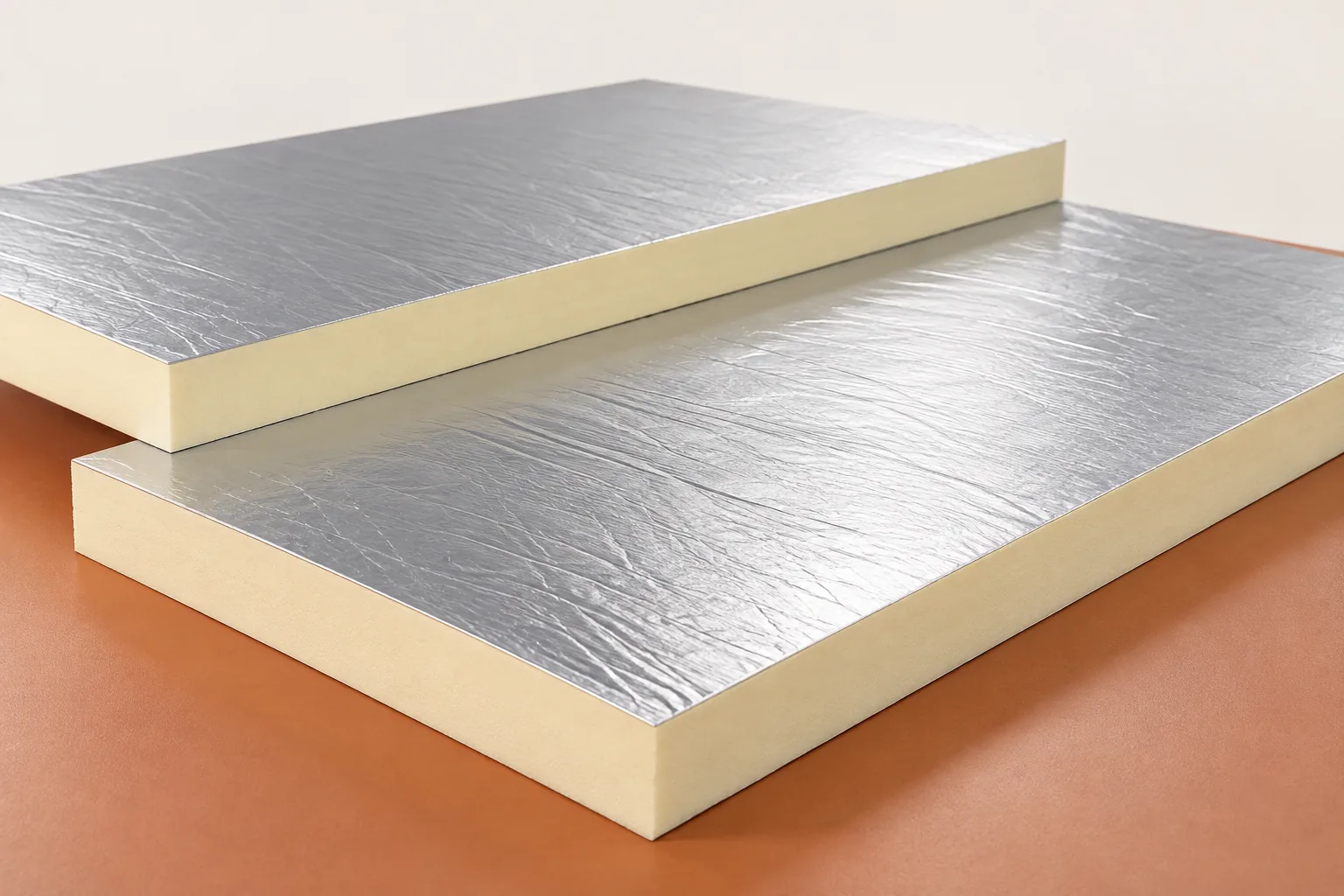
Where do rigid PIR insulation boards work best?
PIR boards are rigid thermal insulation offering good insulating performance at a small thickness, useful especially where space is limited or a continuous insulation layer is needed. Before choosing, however, check the facing, edges and dimensions, as these affect the intended use and the method of joining. Compare materials intended for the same job and a similar thermal resistance, taking moisture, loads, acoustics and fire requirements into account. PIR is not a universal replacement for EPS, XPS or mineral wool, and the design of the building envelope should be left to the designer.
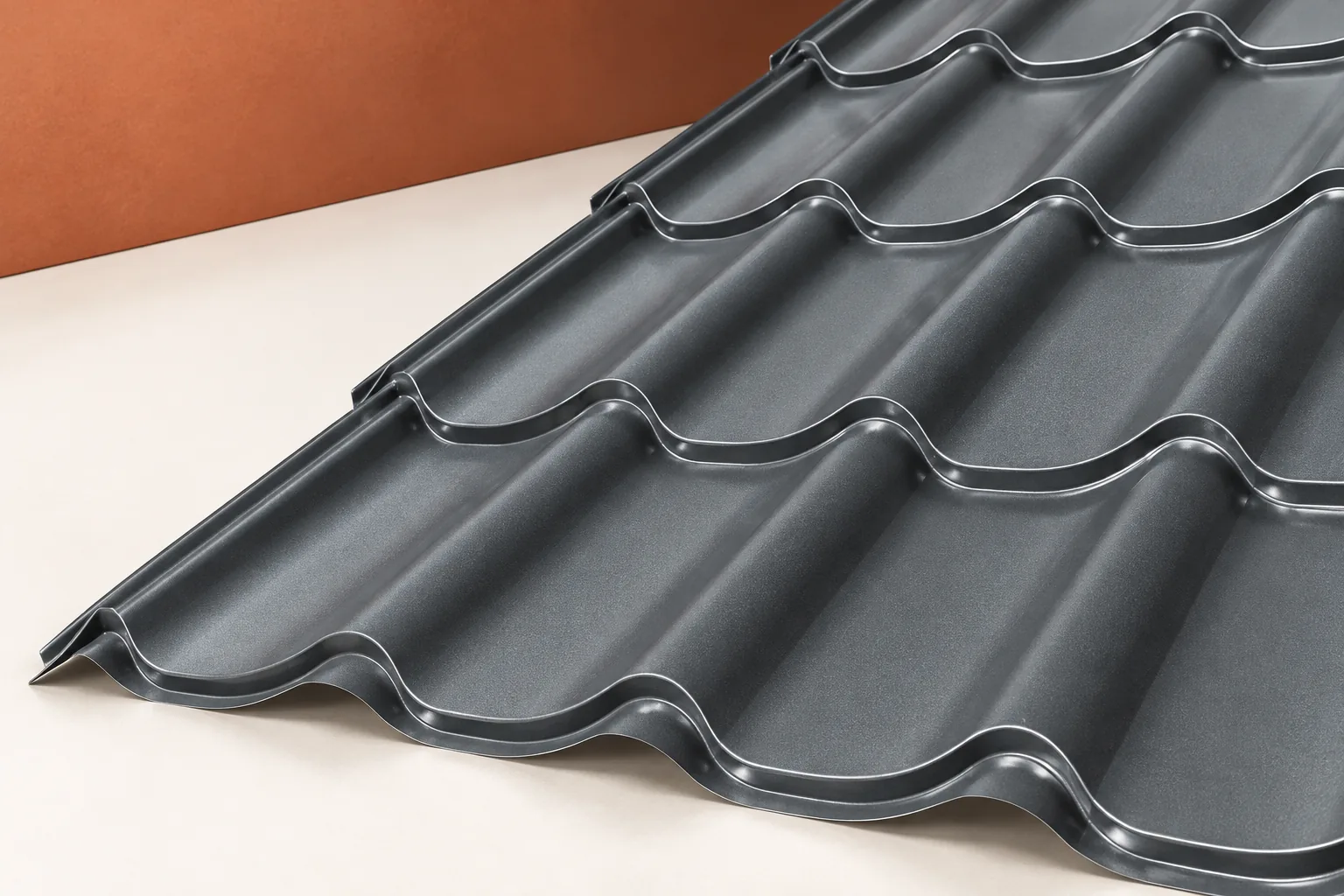
Cut-to-length tile-effect roofing: when does it make sense?
Blachodachówka cut to size stands out because its sheets are ordered in lengths matched to the specific roof, following the production rules of the chosen profile. On simple slopes it reduces the number of transverse joints and makes installation more efficient, but it requires accurate measurement of the built structure and careful transport. It is worth checking the sheet layout, distinguishing overall width from effective width, and comparing it with the modular variant, especially where there are many dormers and valleys. The decision on format should be left to the designer or contractor after analysing roof shape, the number of cuts and site organisation.