Leaking roof valleys: blockage, insufficient overlap or too little drainage space?

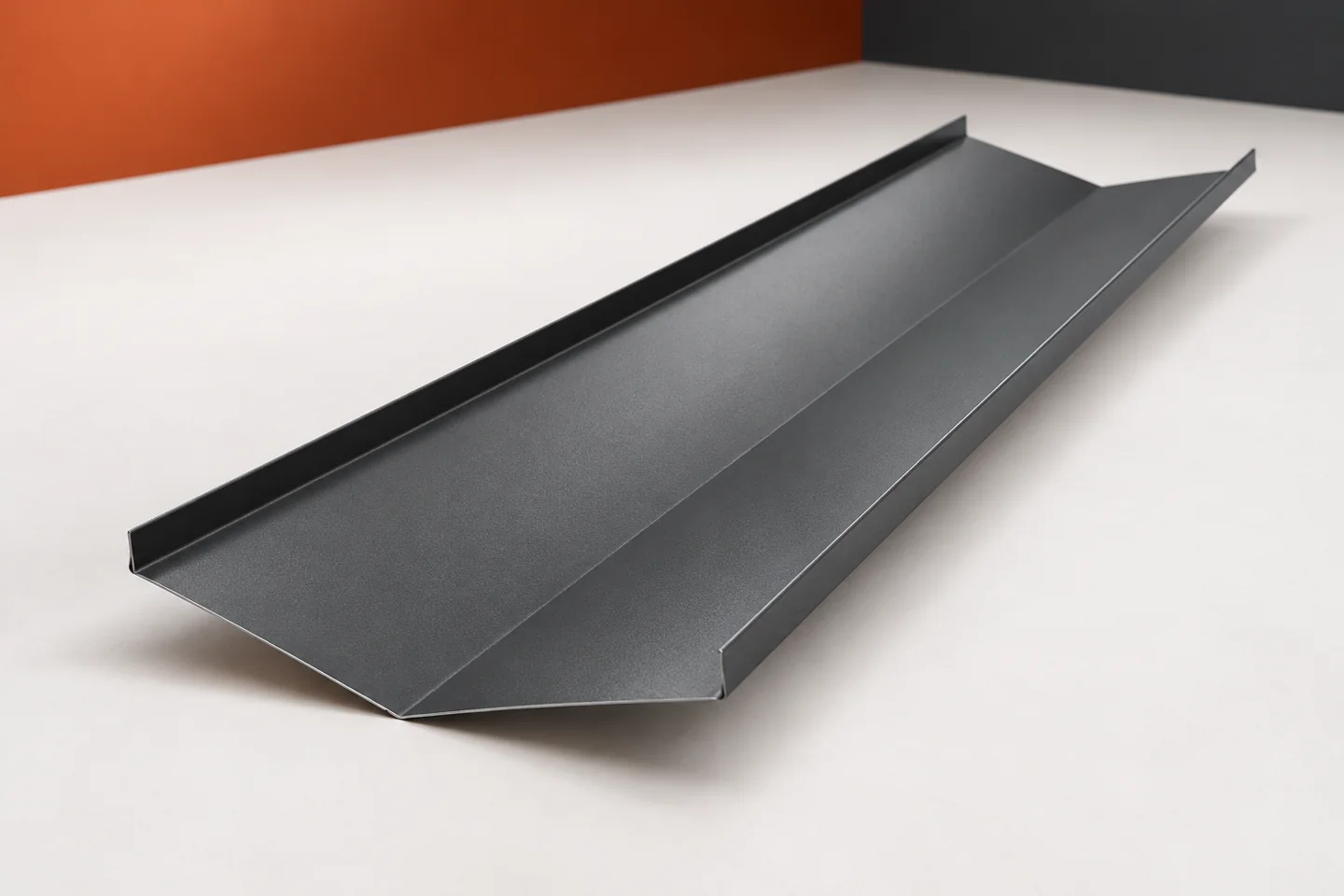
A roof valley collects water from the adjacent roof slopes. That is why a small error in this area can become more apparent than on a straight section of roof. A roof valley needs an unobstructed drainage path and correct connections. If damp patches appear, it is worth checking both the sheet metal itself and the arrangement of the covering at its sides. Replacing the sealant will not help when the real problem is a blockage or an incorrect cross-section. During the inspection, it is necessary to establish from which parts of the roof water reaches the given valley. Changes in roof slope, dormers and outlets from higher sections are important. A large roof does not always have a single simple drainage layout. The concentration of water at a specific point requires assessment of the entire junction.
By |2026-11-15T04:22:36+01:002026-08-14|Building academy|Comments Off on Leaking roof valleys: blockage, insufficient overlap or too little drainage space?

Insulating a loft and keeping junctions airtight

Before lining the roof slopes, inspect the junctions at walls, windows, the chimney and service penetrations. Check the roof for leaks, examine the timber, and identify the underlay and the ventilation gaps the roof needs. If insulation is wet, find the source of the water before concealing it behind new boards. Then mark out the boundary of the heated space, the position of the lining framework and the service runs. This lets you follow the insulation line from one junction to the next and spot gaps while they are still accessible.

By |2026-11-15T04:21:21+01:002025-12-29|Building academy|Comments Off on Insulating a loft and keeping junctions airtight

Roof valleys: how to detail the junction to prevent leaks

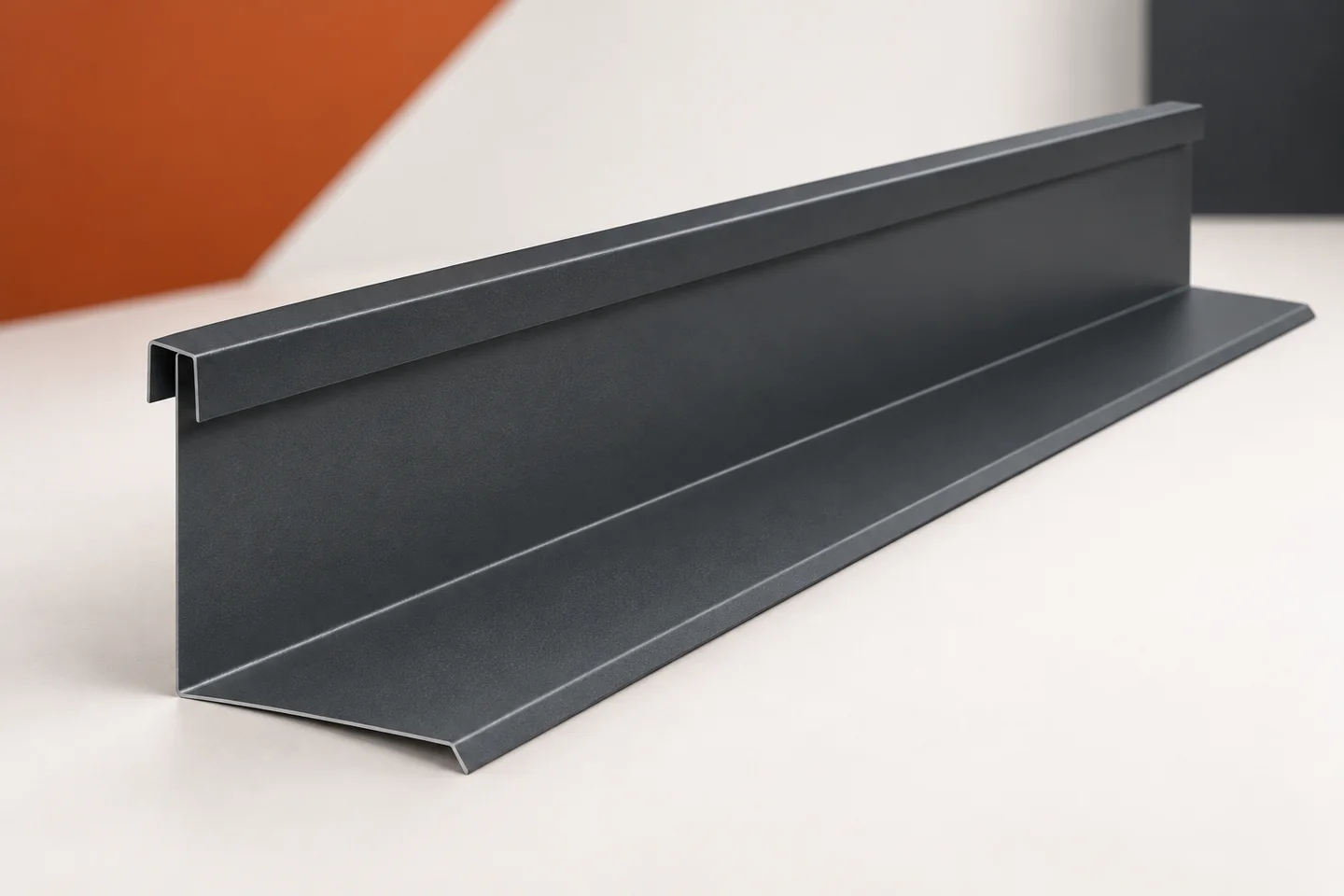
A valley gutter carries water from two roof slopes that meet in a concave junction. The whole detail, not just the sheet width, determines watertightness. Before installation, check the valley line, continuity of support and underlay, and whether water can flow smoothly to the eaves. Consider the valley length, roof pitch and covering type rather than the appearance of the channel alone. Fixings must not interrupt the drainage path, and laps should lead water from the higher element to the lower one. Also remember that leaves, needles and snow collect there.

By |2026-11-15T00:23:21+01:002025-05-05|Building academy|Comments Off on Roof valleys: how to detail the junction to prevent leaks

What installation errors lead to leaks and damage in panels?

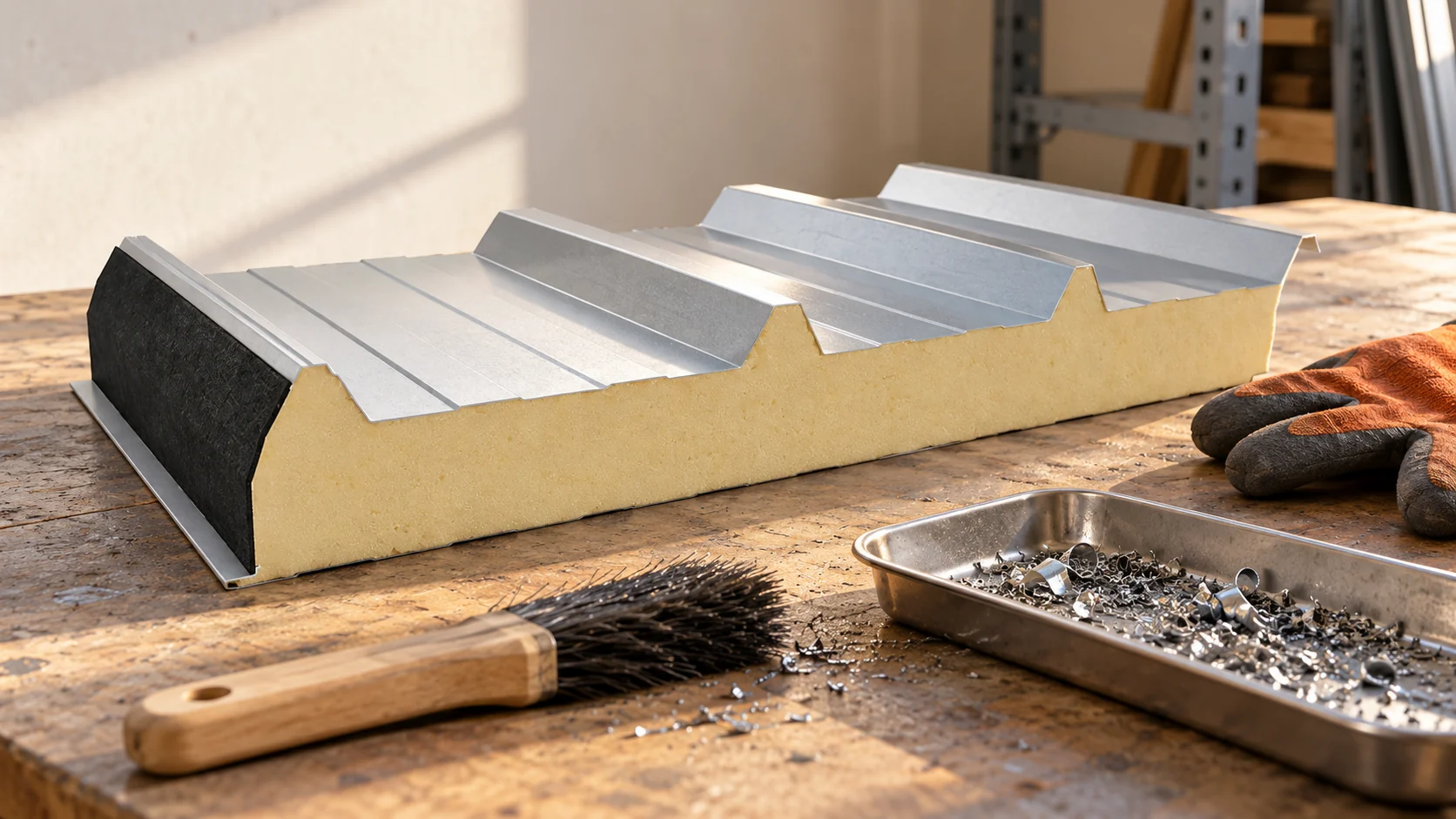
Problems with the building envelope often begin with small decisions on site. An incorrect measurement, swarf or insufficient screw pressure can have consequences many months later. Inspection should therefore accompany installation, not appear only when a leak occurs. Below are the places where an error is easier to stop before the joint is covered. Crooked supports and incorrect spacings make correct panel bedding difficult. Tightening the sheet with a screw does not level the structure. It can instead deform the cladding or the interlock. Before work, verticals, horizontals and the position of components at openings must be measured.

By |2026-11-14T13:15:16+01:002025-03-14|Building academy|Comments Off on What installation errors lead to leaks and damage in panels?

Recurring leaks around chimney flashings: where to look for the cause

A fresh layer of sealant at the chimney sometimes holds back water only briefly. This happens when the repair covers the visible gap rather than the actual cause. Chimney flashings form a system of several connected parts. Each is meant to take water from a specific direction and pass it on. A leak may involve the sheet metal, the junction with the wall or the layer beneath the covering. An accurate diagnosis requires separating these locations. First, it is worth checking when the sign of moisture appears. The intensity of the rainfall, the wind and the time since the thaw all matter. The inspection should also cover the condition of the chimney's external surface. Water may enter the masonry above the flashing and show up lower down.

By |2026-11-15T04:22:25+01:002024-10-03|Building academy|Comments Off on Recurring leaks around chimney flashings: where to look for the cause

Repair the roof or replace the covering? What the condition survey can tell you

Whether a repair will suffice or the covering must be replaced depends on the cause and extent of the damage, not on the roof's age. Before deciding, the owner should inspect the slope from outside and from the loft and establish whether the planned work will remove the source of the problem rather than only the visible symptom. It is worth checking the condition of flashings, fixings and service penetrations, as well as hidden layers such as the membrane or insulation. Recording after which weather a mark appears helps diagnosis.

By |2026-11-15T04:21:04+01:002024-10-01|Building academy|Comments Off on Repair the roof or replace the covering? What the condition survey can tell you

What role does the aluminium facing play in internal insulation?

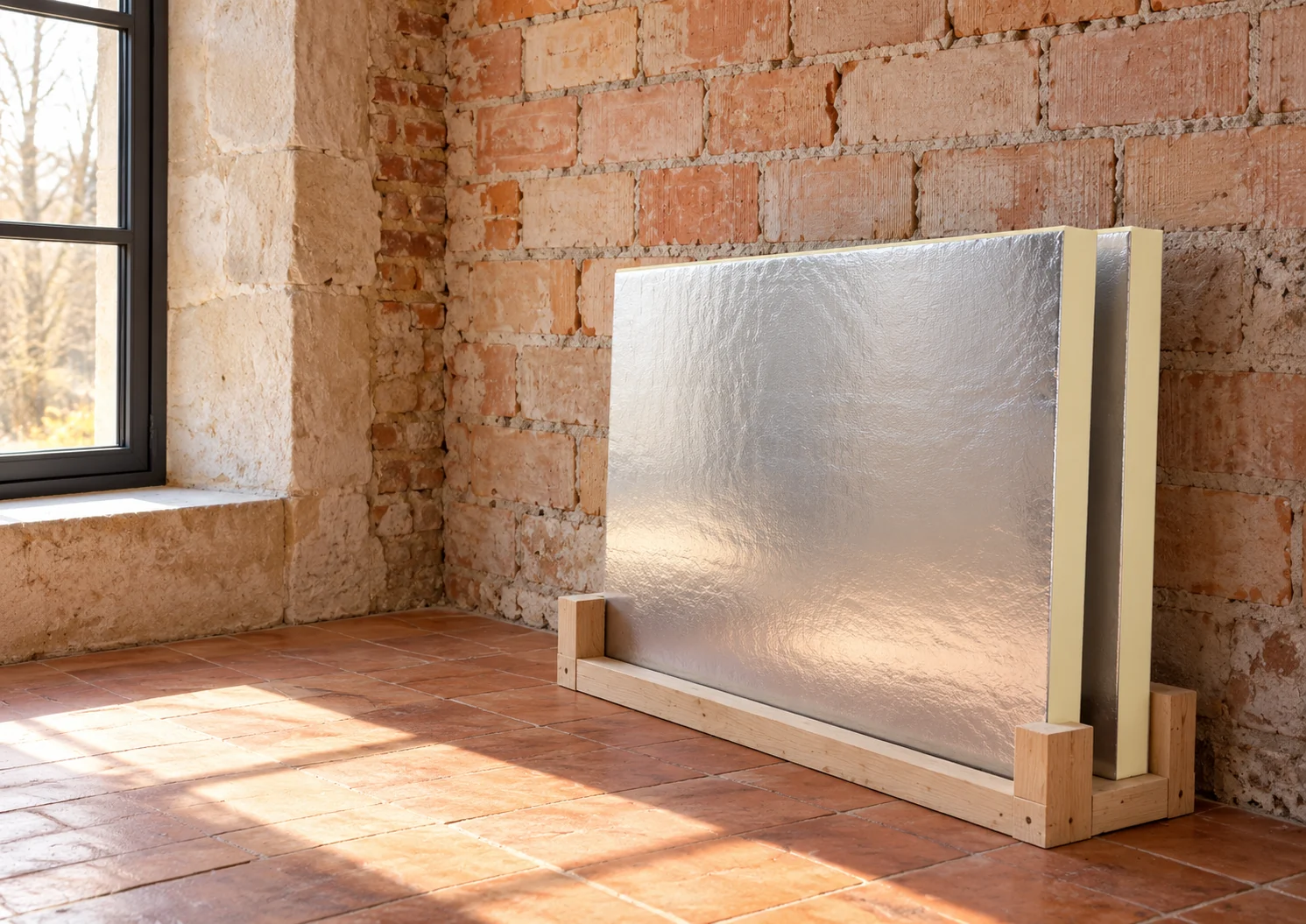
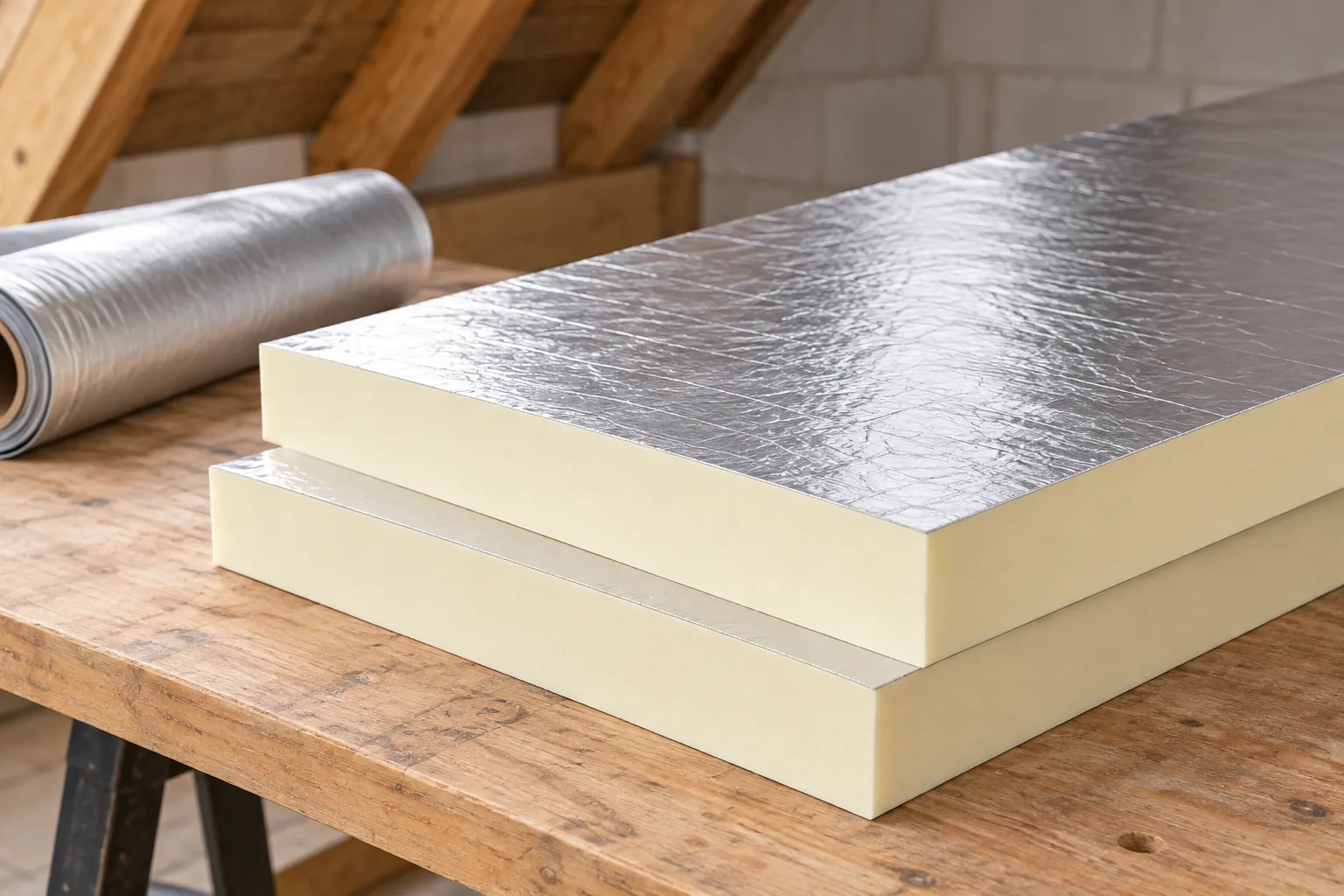
Foil-faced PIR board can reduce the thickness of insulation required. Its facing also affects water vapour transmission. This matters for internal insulation, but it does not automatically permit any wall build-up. An assessment of the masonry, moisture and continuity of seals is needed. Simply bonding the boards does not close the matter. The new layer restricts heat flow from the interior to the existing wall. The room surface may become warmer, and the masonry behind the insulation cooler. Drying conditions and the temperature distribution change. Internal insulation therefore requires assessment of the whole system. It is not merely transferring an external wall solution to the other side.

By |2026-11-14T10:55:48+01:002024-05-23|Building academy|Comments Off on What role does the aluminium facing play in internal insulation?

Keeping sheet metal roofs watertight: where to check first

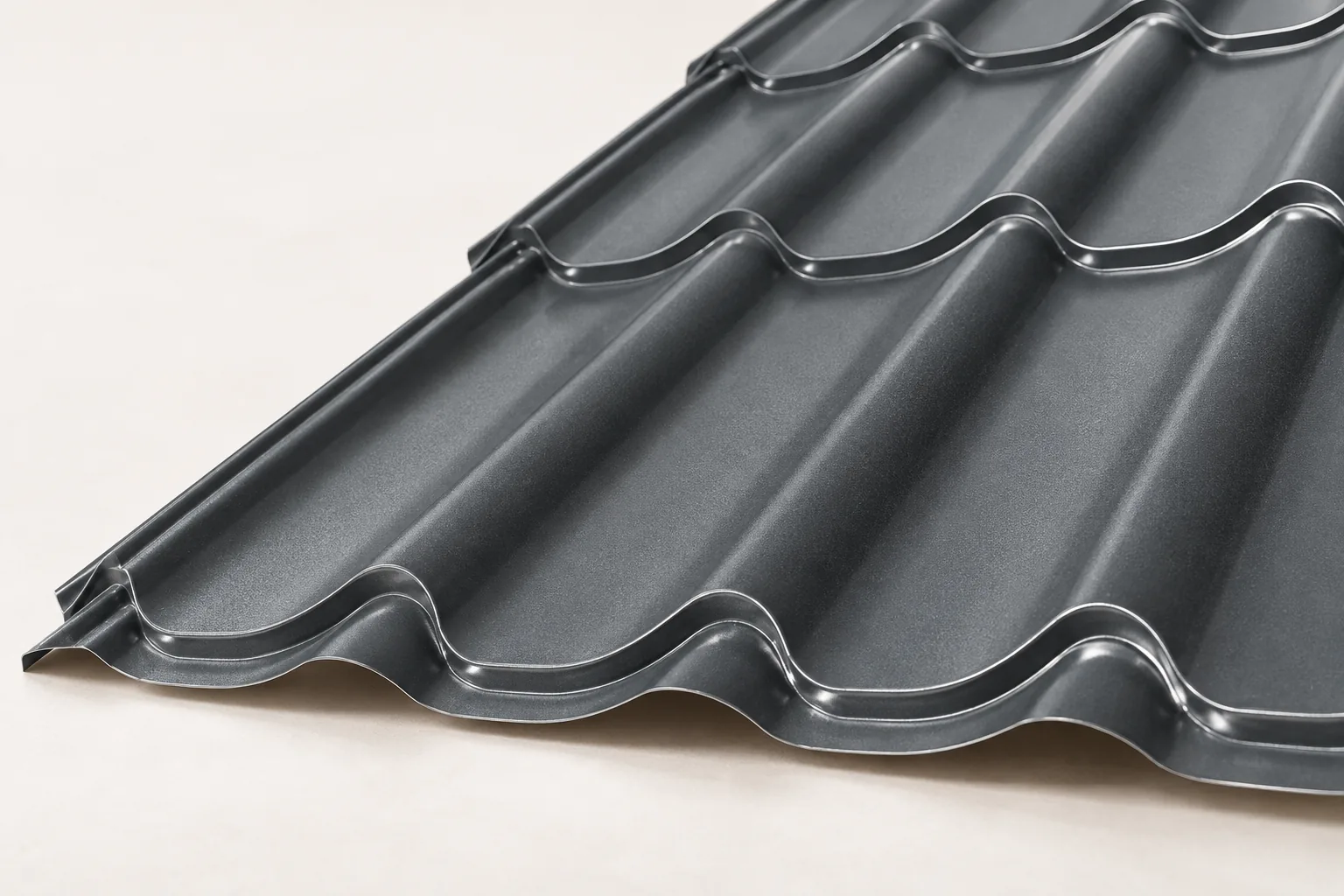
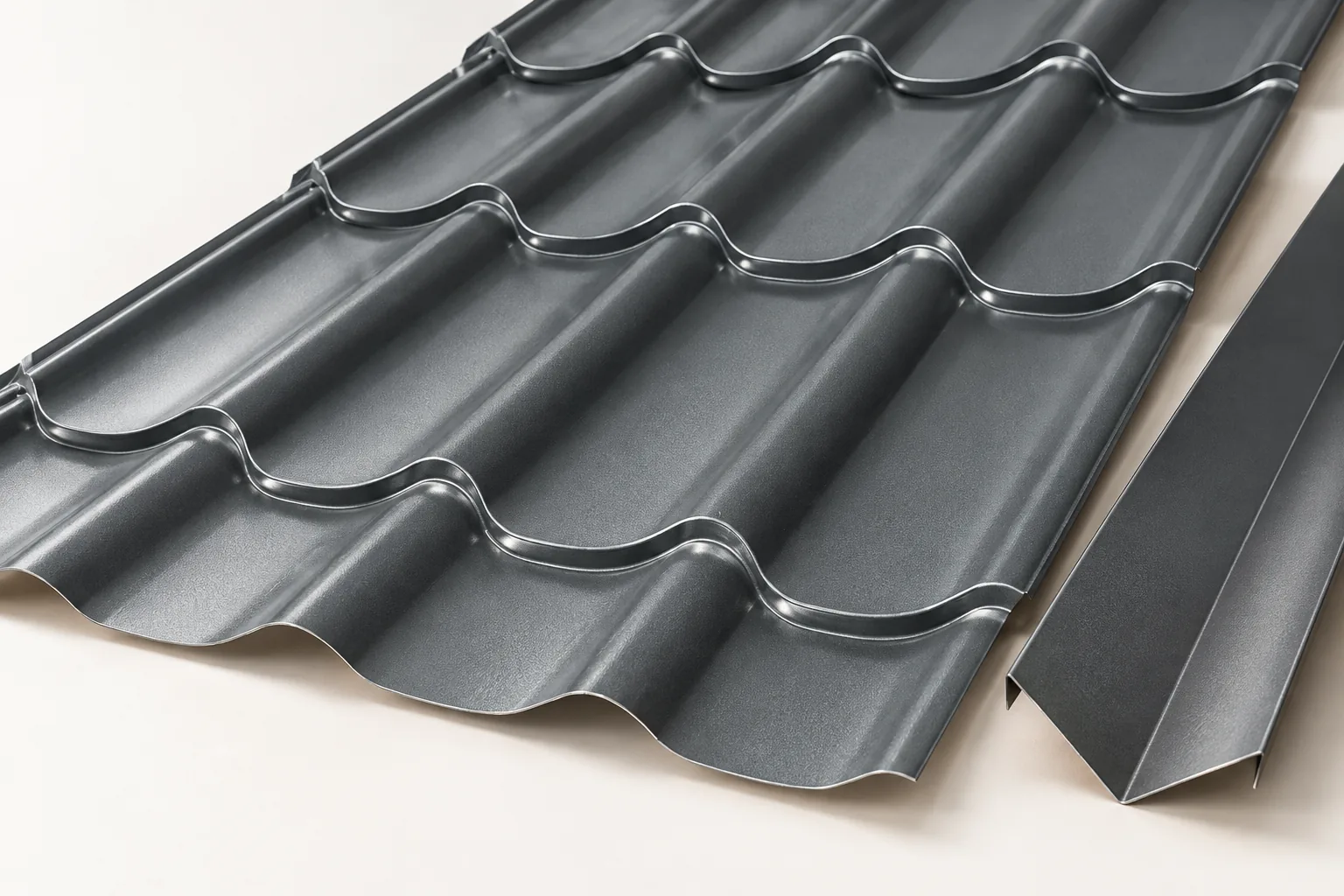
A metal roof's watertightness is settled at the design and installation stage. Pitch, substrate, joints and flashings all matter, and later maintenance cannot replace a faulty detail. Aim for an orderly drainage path and match components to the specific system. Pay attention to chimneys, valleys, eaves and service penetrations. The covering must suit the roof pitch, as water behaves differently on a steep slope than on a low one. Sheet lengths and transverse joints also count.

By |2026-11-14T20:37:41+01:002024-02-22|Building academy|Comments Off on Keeping sheet metal roofs watertight: where to check first

Roofing membranes: which properties matter when choosing an underlay?

A roofing membrane is a protective layer under the covering that drains water and affects roof drying. Before purchase, check watertightness, diffusion resistance, mechanical strength and service temperature. Grammage alone is not enough to judge quality. In a typical pitched roof, the membrane lies under the batten grid, shielding the structure and insulation. Do not confuse it with the interior vapour barrier – they serve different purposes. The Sd value expresses resistance to vapour, but the whole roof must be assessed, including interior airtightness. Also check laps, fixing and tape compatibility.

By |2026-11-15T00:24:28+01:002023-10-25|Building academy|Comments Off on Roofing membranes: which properties matter when choosing an underlay?

Winter roof maintenance: which checks help prevent damage?

Before winter arrives, the owner should establish which drainage and fixing faults need repairing ahead of frost rather than leaving them until later. It is worth checking that gutters and downpipes flow freely, the condition of flashings and the completeness of snow guards, and removing leftovers from earlier work. For sandwich panels, the tightness of joints and the condition of the core are assessed. A fault list makes it easier to plan actions before the weather hampers access and the use of repair materials.

By |2026-11-15T04:21:16+01:002023-10-08|Building academy|Comments Off on Winter roof maintenance: which checks help prevent damage?
Back to top