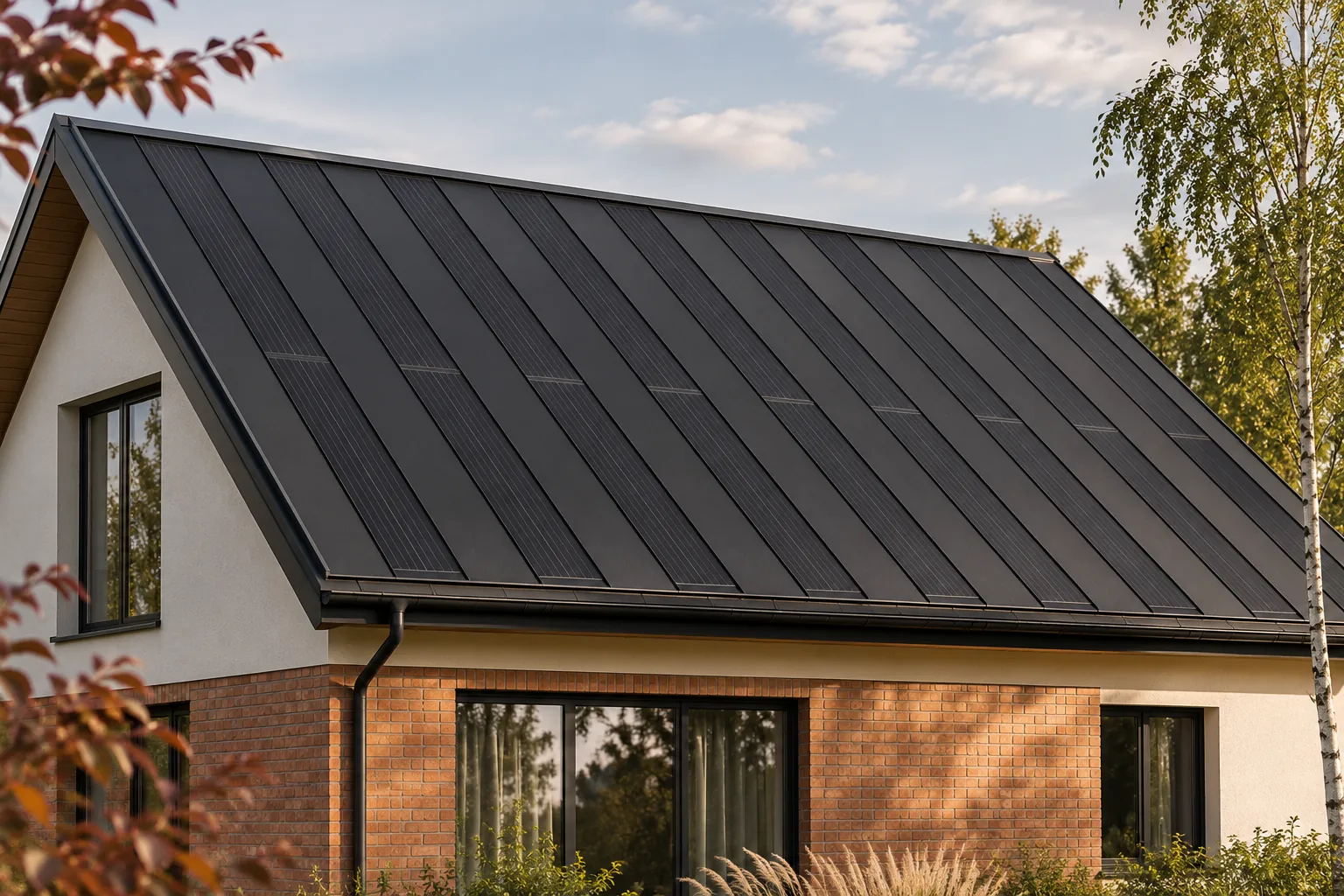
Does an integrated photovoltaic roof replace insulation?

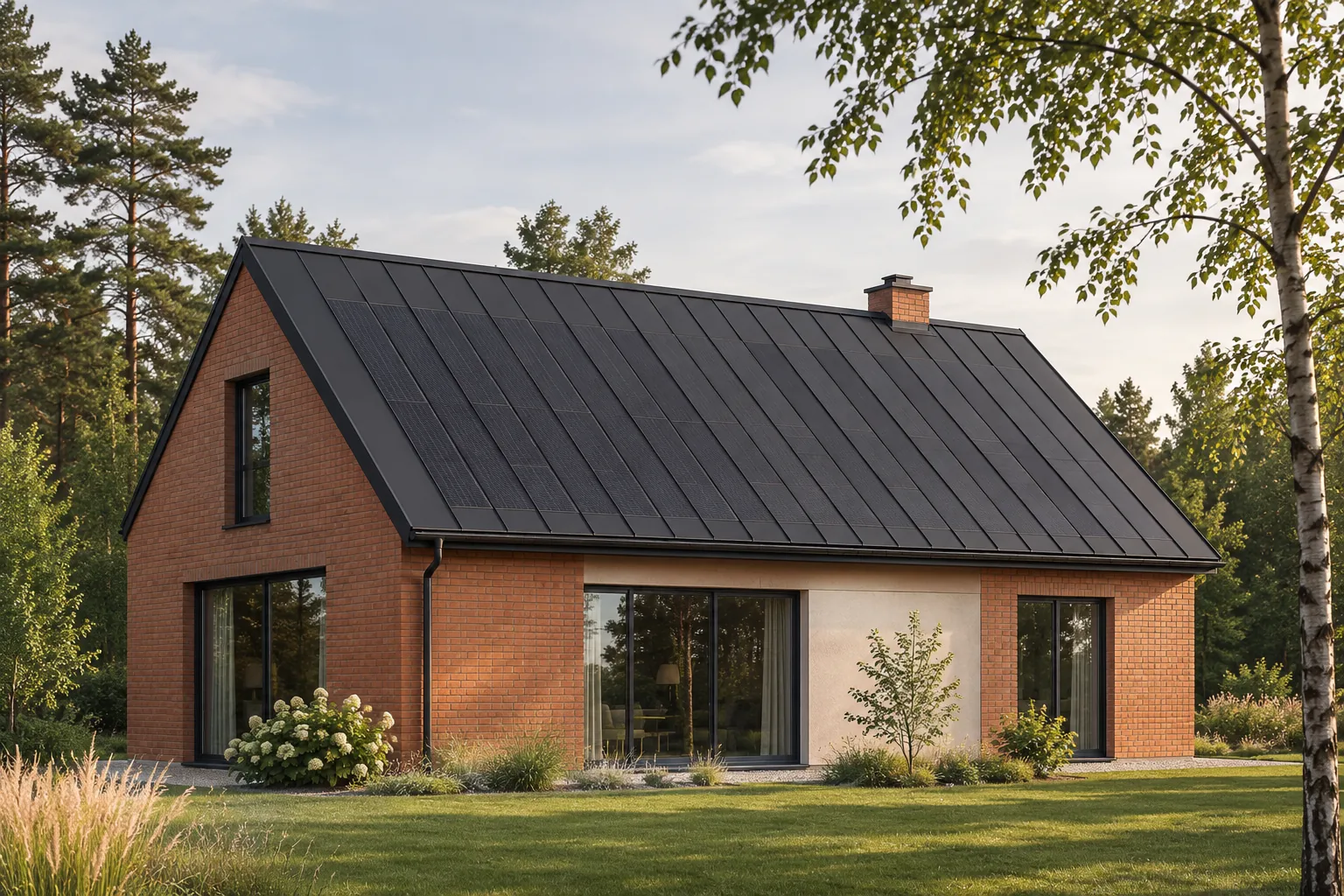
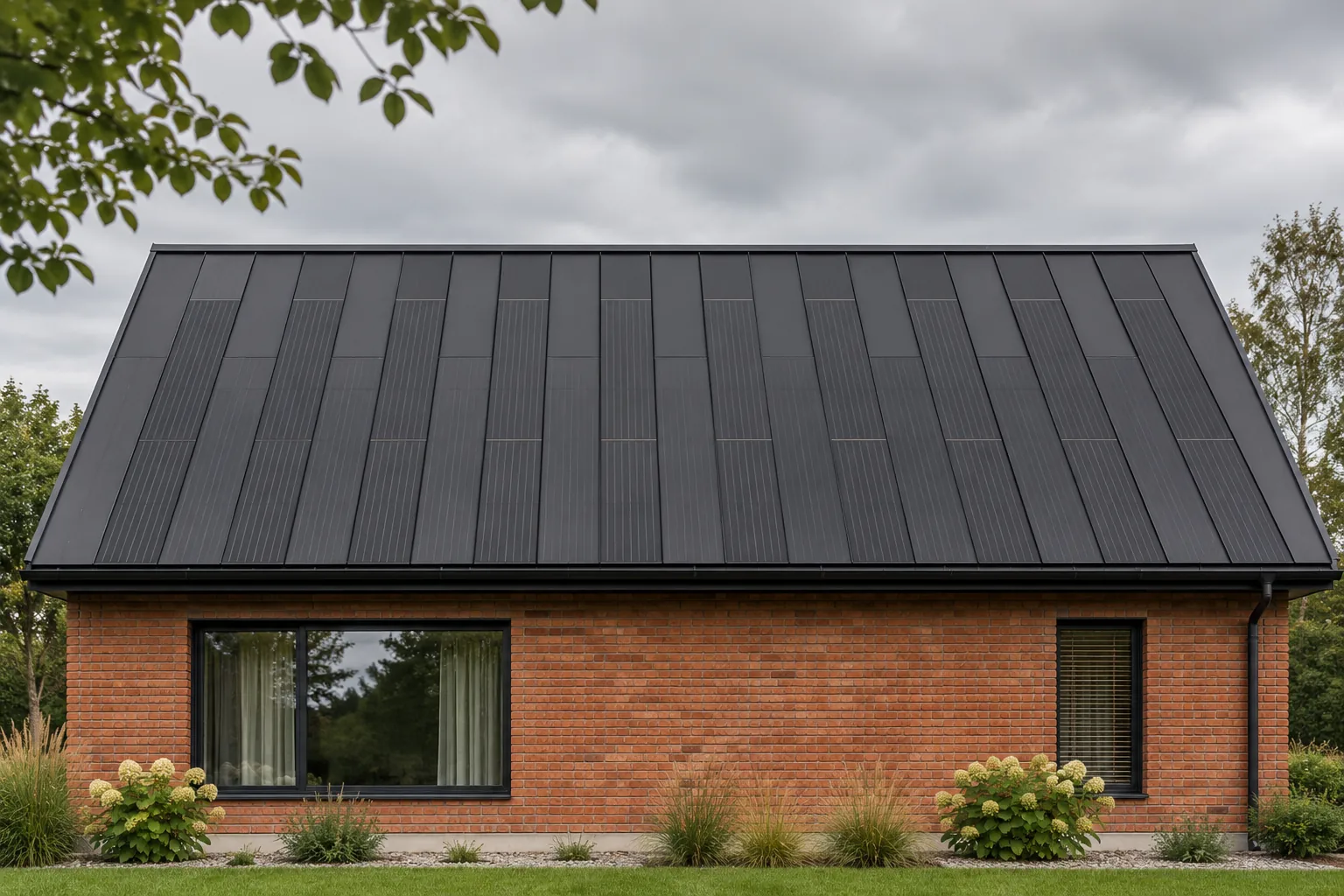
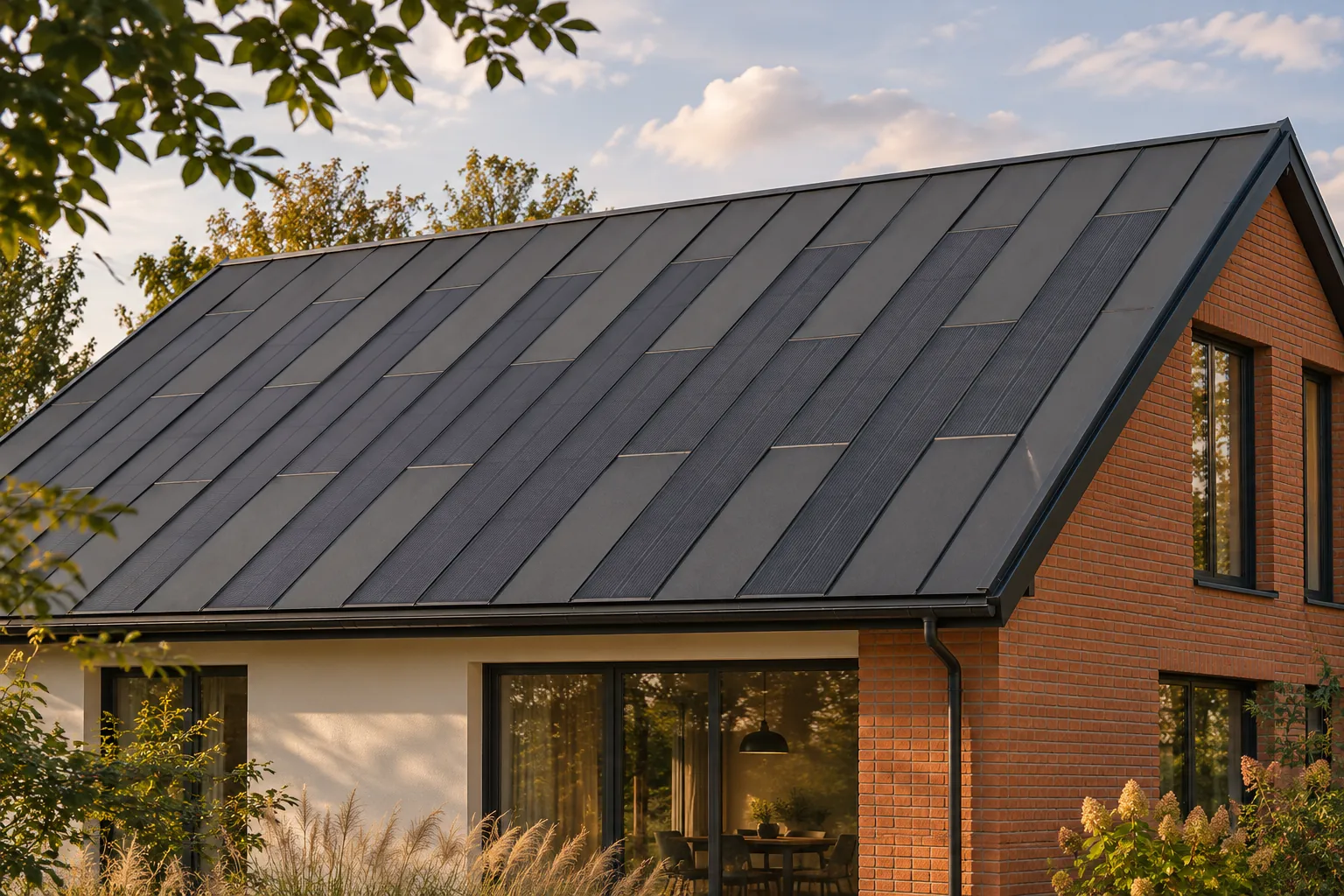
A photovoltaic roof can replace part of the traditional covering while generating energy. This does not mean it takes over the task of thermal insulation. Warmth in winter and comfort in summer depend on the entire building envelope, including insulation, airtightness and protection against moisture. Integrating the cells organises the outer layer of the roof, but does not remove the need to design what lies beneath it. The covering primarily shields the building from the weather. In its active version it additionally produces electricity. Thermal insulation limits heat flow. The other layers can control the movement of water vapour, drain moisture and provide airtightness. A single shared term 'roof' does not mean a single material function.
2026-11-15T19:35:29+01:00

Does hail mean the entire photovoltaic roof must be replaced?

After a hailstorm, you should assume neither that the roof is fully functional nor that it needs to be completely replaced. The outcome depends on the event, the construction of the covering and the actual damage. With an integrated roof, you need to assess watertightness, the condition of the active layer and how the installation is performing. Product hail testing is important information, but it does not guarantee resistance to every possible weather event. Testing is carried out under defined conditions. The size and speed of the impacting objects, the number of impacts and the criteria for assessing the sample all matter. The phrase 'hail-resistant' on its own is therefore incomplete. Ask for the document, the method and the product version. Do not compare different results on the basis of a single highest figure.

2026-11-15T19:35:43+01:00

Does a photovoltaic roof protect the house even when it is not producing electricity?

A roof integrated with photovoltaics has two tasks. It shields the building from the weather and converts light into electrical energy. Night, cloud cover or inverter shutdown limit the second function, but in themselves do not take away its weathertightness. This is an important difference between an electrical fault and damage to the covering. When buying, both areas of responsibility and the method of repair must be checked. When the inverter stops working, the steel covering element does not disappear or change shape. It still drains water in accordance with the roof slope. Flashings at the chimney, ridge and eaves work in the same way. The condition is correct installation and the absence of mechanical damage. Electricity production is not needed to maintain this function.

2026-11-15T19:35:24+01:00

Is it safe to walk on a photovoltaic roof?

An integrated photovoltaic covering is not a terrace or a universal route to the chimney. The permissible way of moving across it depends on the specific product, its supports and the manufacturer's instructions. Even a component that withstands a defined load in a test may not be intended for casually standing on its surface. Access for inspection and repairs must be planned before installation, together with fall protection. A load distributed over a sample and the pressure of a boot are two different situations. The position of the support, the way the force is applied and the shape of the component all matter. A general strength declaration therefore does not mean you may stand at any point. Two systems that look alike do not necessarily have identical access rules.

2026-11-15T19:36:12+01:00

Why does a photovoltaic roof produce different power on sunny frosty days and in summer heat?

Strong sunlight is not the only factor determining the instantaneous output of a photovoltaic system. Cell temperature also matters. In typical silicon modules, cooler operation favours output at the same amount of light. This does not mean, however, that winter will deliver greater annual production than summer. Shorter days, the sun's angle, snow and weather can outweigh the benefit of lower temperature. Air temperature in the shade is not the temperature of the active roof surface. Cells absorb radiation and heat up during operation. Their conditions also depend on wind and heat dissipation through the covering. A summer ambient temperature reading alone therefore does not allow you to determine how the photovoltaic layer is performing.

2026-11-15T19:35:46+01:00

Does an east-west photovoltaic roof make sense?

A roof does not need a single slope facing south for photovoltaics to be worth considering. An east-west layout can spread production across different hours of the day. This does not automatically mean a higher annual yield or better profitability. What matters is the building geometry, shading and the pattern of energy consumption. In an integrated system, both orientations can be incorporated into a coherent roofing concept. The eastern part of the roof benefits from different hours of sunlight than the western part. Instead of one strong midday peak, a broader distribution of system operation can be achieved. The details depend on the pitch and site conditions. Tall trees to the east or a neighbouring building to the west can significantly change the expected effect.

2026-11-15T19:35:44+01:00

What to check before installing a photovoltaic array on a metal roof

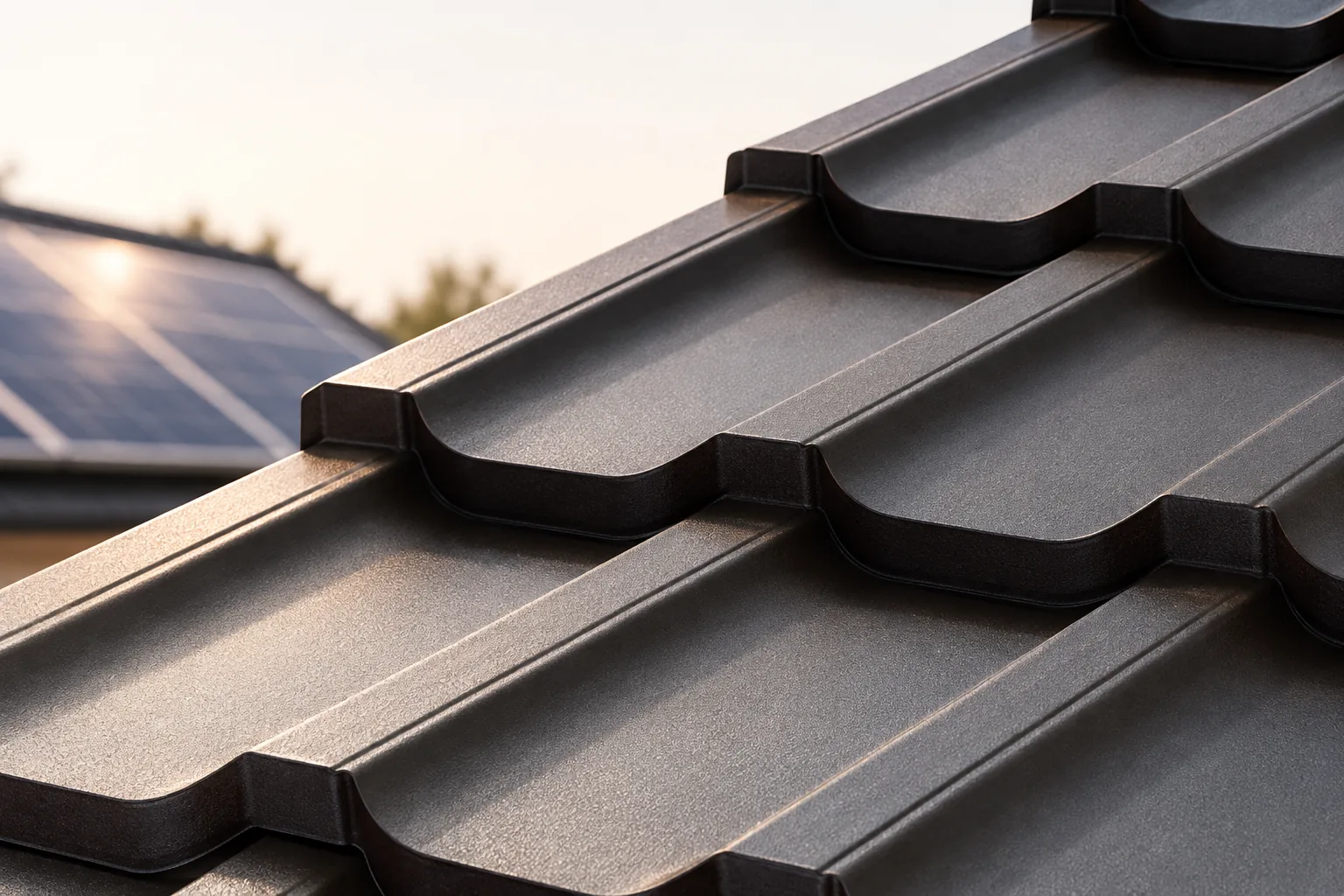
In Poland, photovoltaic panels can be installed on a metal roof, provided the mounting structure is matched to the specific covering and the load-bearing capacity of the entire roof is verified. Before deciding, it is worth establishing whether the documentation specifies the exact sheet model and thickness – without this, the assessment of fixing suitability may be uncertain. The condition, age and geometry of the roof should also be checked, along with how wind and snow loads are transferred to the building structure. If the covering needs repair, it is better done before installing the system.

2026-11-14T17:11:02+01:00
Back to top