What does a construction site manager do in Poland, and what should you agree with them?

In Poland the construction site manager (kierownik budowy) organises and directs the work in accordance with the design, applicable rules and safety requirements. The job includes keeping site records and acting on problems as they arise. The final signature is only one part of it. Before work starts, agree how to contact each other, when inspections will take place and how changes will be reported. Give particular attention to work that will later be concealed. Statutory duties include formally taking over and securing the site and ensuring that required tasks, such as setting out the building by survey, are carried out. The manager’s involvement should reflect the design and the nature of the project throughout the build.
By |2026-11-09T00:41:20+01:002026-11-09|Uncategorized|Comments Off on What does a construction site manager do in Poland, and what should you agree with them?

Roof and wall insulation in a heated home: checking the U-value of the whole assembly

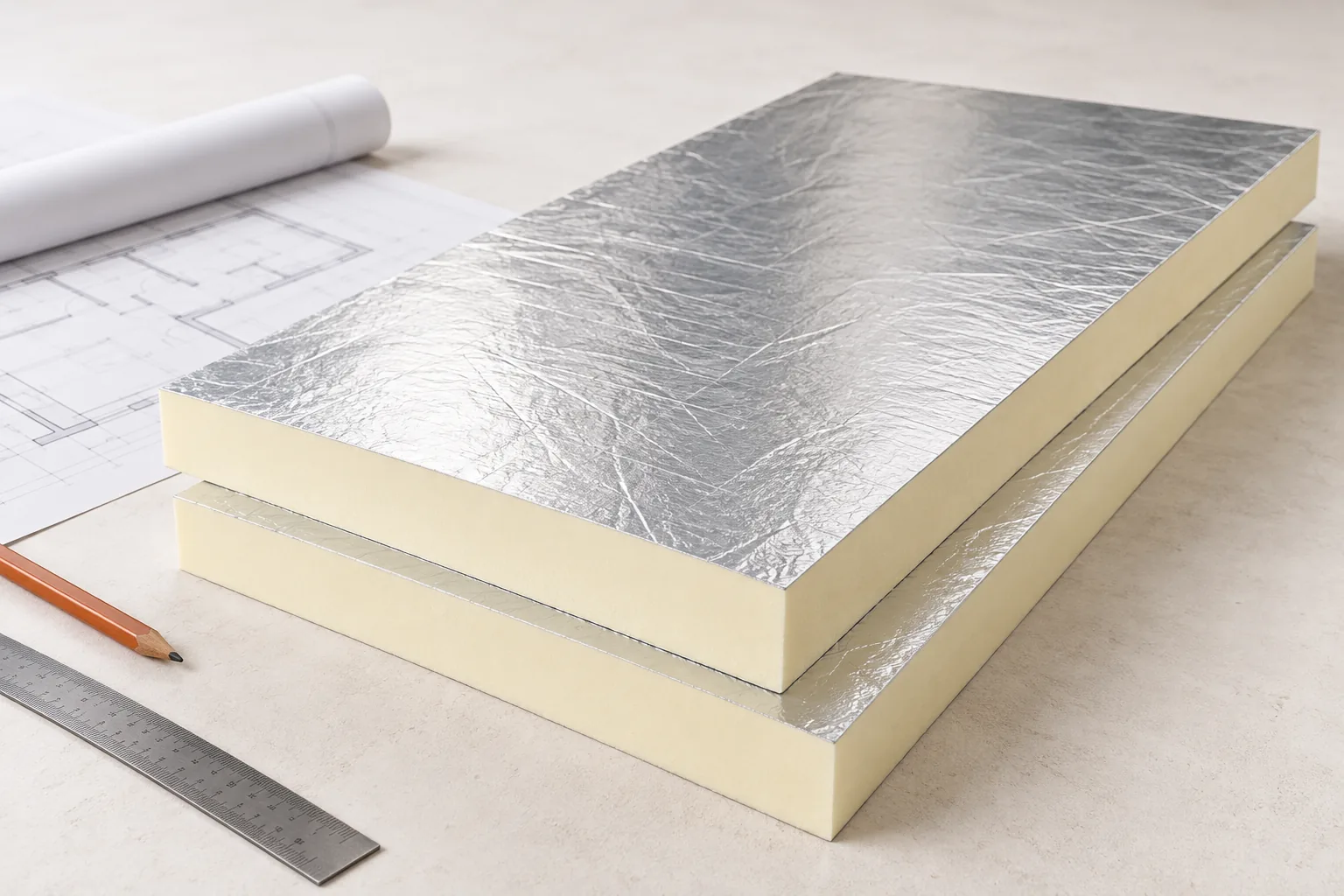
Check whether the designed layer build-up meets the U-value limit for the whole partition, not just the declared lambda of the board. For a heated house, first establish the applicable transitional provisions and the design temperature of the rooms, as these determine the required values. Then ask the designer to calculate thermal resistance including fixings, joints and thermal bridges, especially at the wall plate and service penetrations. Before closing the structure, compare the ordered boards with the design and check insulation continuity and joint tightness. Only such a result confirms that the roof and walls meet the requirements.

By |2026-11-15T04:21:03+01:002026-11-01|Building academy|Comments Off on Roof and wall insulation in a heated home: checking the U-value of the whole assembly

Changes to Polish building regulations in 2026: what matters for your project?

In Poland, much of the amendment adopted at the end of 2025 entered into force on 7 January 2026, but not every provision takes effect on the same date. An investor should check the scope of the planned works, the date they are undertaken and the documents for the specific project, rather than relying on the year in the Act's title alone. Selected exemptions from formalities and the procedure for departures from the design have their own scopes, and the rules allow the previous technical conditions to be applied temporarily. Design decisions are left to the designer.

By |2026-11-14T17:10:07+01:002026-11-01|Building academy|Comments Off on Changes to Polish building regulations in 2026: what matters for your project?

When does building or altering a roof in Poland require a permit in 2026?

In Poland, whether building or reconstructing a roof requires a permit depends on the scope of works, not the name of the covering. Before ordering materials, it is worth listing the planned works and establishing whether notification suffices or a permit is needed. The legal position as at 1 November 2026 indicates that renovation alone restores the original condition, while reconstruction changes utility or technical parameters. The scope should be assessed by a designer before any order is placed. Comparing with a neighbour's renovation is not enough, because the structure, impact area and conservation protection matter.

By |2026-11-14T17:09:55+01:002026-11-01|Building academy|Comments Off on When does building or altering a roof in Poland require a permit in 2026?

Documents and approvals to prepare before construction starts in Poland

In Poland, preparing a build starts with establishing which documents and approvals are needed for the specific plot and scope of work. Check the land use and development conditions, because the local plan may define roof geometry, pitch or covering appearance, and its absence does not mean full freedom. For a renovation, review existing documents, especially truss drawings, which may differ from the built work. Describe what will be created, removed and left unchanged, distinguishing covering, structure, insulation and attic use.

By |2026-11-14T17:10:26+01:002026-11-01|Building academy|Comments Off on Documents and approvals to prepare before construction starts in Poland

Polish VAT on roof coverings and roof renovation work

In Poland, a customer buying roofing sheets, tiles or insulation without installation generally pays 23% VAT. If a contractor supplies the materials as part of a roof renovation, eligibility for the 8% rate depends in part on the work covered by the contract, the type of building and its usable floor area. To compare quotations, establish what each contractor will supply, fit and take responsibility for. Check that the quoted total includes VAT and covers all of that work. Ask the party accounting for VAT to explain the rate used.

By |2026-11-15T00:24:46+01:002026-11-01|Building academy|Comments Off on Polish VAT on roof coverings and roof renovation work

How to check whether Polish grants cover asbestos removal and re-roofing

In Poland, begin the procedure at the municipal office responsible for the property. Ask whether a call is open and what work the support covers. Funding may pay for dismantling, collection, transport or disposal of waste, but it does not replace payment for a new roof covering. Before signing a contract, confirm the conditions, deadlines and how the contractor is chosen. Also find out how to report asbestos-containing products and what the funded scope includes. Do not order demolition in the hope of later reimbursement.

By |2026-11-14T20:34:50+01:002026-11-01|Building academy|Comments Off on How to check whether Polish grants cover asbestos removal and re-roofing

Unauthorised works in Poland: consequences and options for legalisation

In Poland, the consequences of unauthorised construction depend on the type of irregularity: missing required consent, failure to notify, or a significant deviation from the approved design may lead to supervisory proceedings, an obligation to prepare documentation, a fee, or demolition. Legalisation is not automatic. Before renovating an old roof, it is worth establishing both the condition of the structure and the legal scope of earlier works, because the irregularity may concern the whole building or part of it. It is essential to determine the date of the works, the requirements in force at that time, and the actual extent of the changes.

By |2026-11-14T17:10:09+01:002026-11-01|Building academy|Comments Off on Unauthorised works in Poland: consequences and options for legalisation

Roofing defects: finding the cause and documenting a complaint

When reporting a roof problem, start by separating the visible symptom from its source. A crack, colour change or leak may come from the material, transport, installation or use. In your report, state the facts and where the issue appears. Delivery documents, photos of the work stages and product data help; without them, responsibility and the right repair are hard to judge. Describe what you observe, when it began and under what conditions. For a leak, note the rainfall circumstances; for discolouration, say whether it covers the whole slope, one sheet or the chimney area. A general claim of a defect gives the contractor or supplier too little to assess.

By |2026-11-14T20:37:22+01:002025-10-17|Building academy|Comments Off on Roofing defects: finding the cause and documenting a complaint

Preparing the site for safe re-roofing work

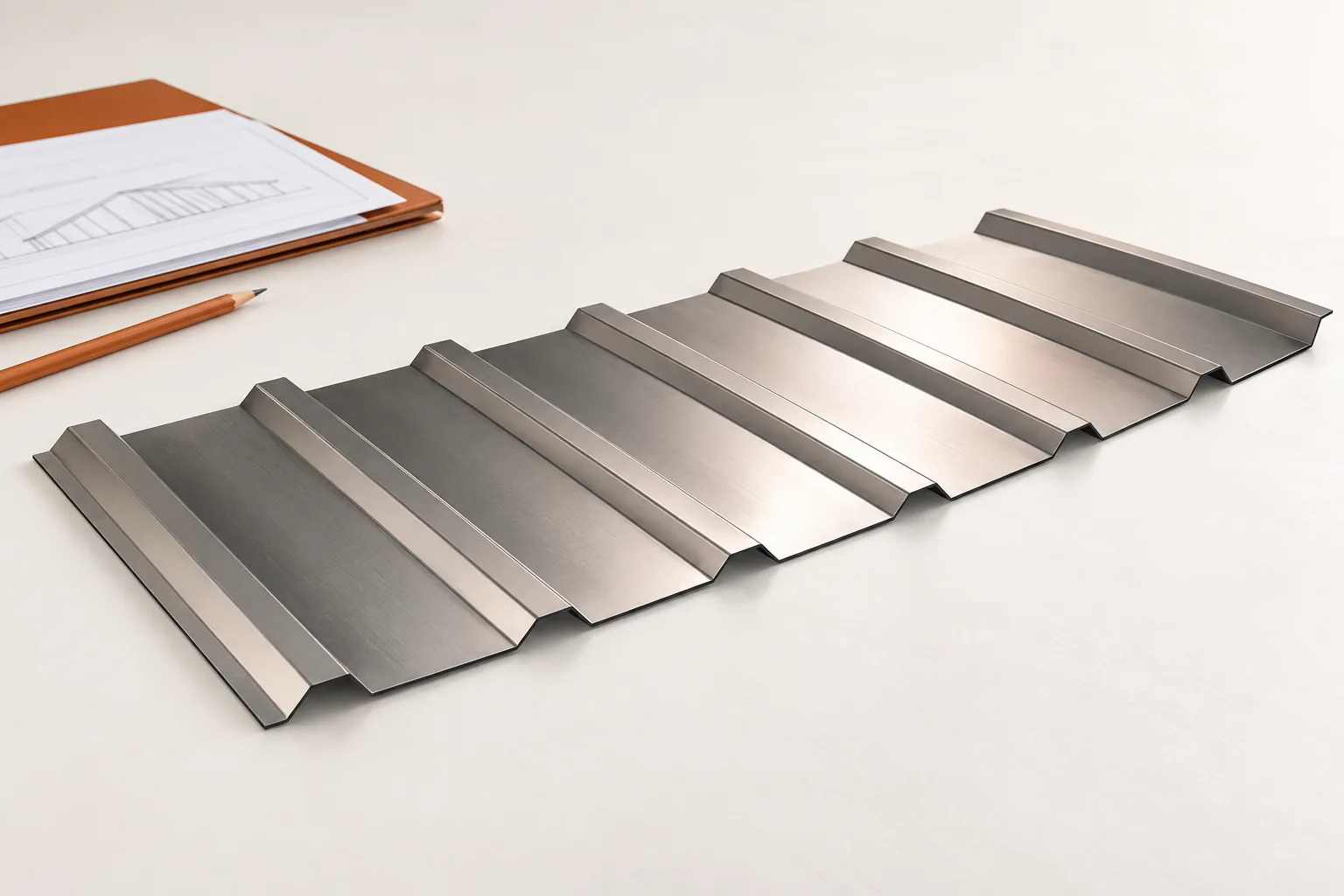
Before you strip the old covering, plan the whole process. Inspect the structure and the layers hidden beneath the sheets, because what is visible on the roof does not reflect the condition of battens, timber or connections. Establish which formalities are needed and how waste will be managed. The new metal sheeting must suit the roof, and the crew should have safe access and a clearly agreed scope of work. Remember to protect the interior from the weather and provide temporary drainage.

By |2026-11-14T20:35:51+01:002024-07-14|Building academy|Comments Off on Preparing the site for safe re-roofing work
Back to top