Costs and formalities
Changes to Polish building regulations in 2026: what matters for your project?
In brief
In Poland, much of the amendment adopted at the end of 2025 entered into force on 7 January 2026, but not every provision takes effect on the same date. An investor should check the scope of the planned works, the date they are undertaken and the documents for the specific project, rather than relying on the year in the Act’s title alone. Selected exemptions from formalities and the procedure for departures from the design have their own scopes, and the rules allow the previous technical conditions to be applied temporarily. Design decisions are left to the designer.
From what date must the new rules be checked?
A significant part of the amendment adopted at the end of 2025 came into force on 7 January 2026. However, the year in the title of the Act alone does not say when each of its provisions is to be applied. Some regulations have different entry-into-force dates. Information about the publication of the amendment is not yet an answer as to whether it covers the planned construction.
For renovation or reconstruction of a roof, check the legal status as at the date of the action taken. The situation of a new application, ongoing proceedings and works already commenced is determined separately. This article describes the status verified as at 1 November 2026. A later project requires the regulations to be checked again.
Can more works be carried out without a permit?
The amendment extended selected exemptions, but each has its own scope. No general rule has been created that a small structure or a lightweight roof requires no formalities. The statutory characteristics of the investment are decisive. A carport and a garage that look similar may require separate analysis.
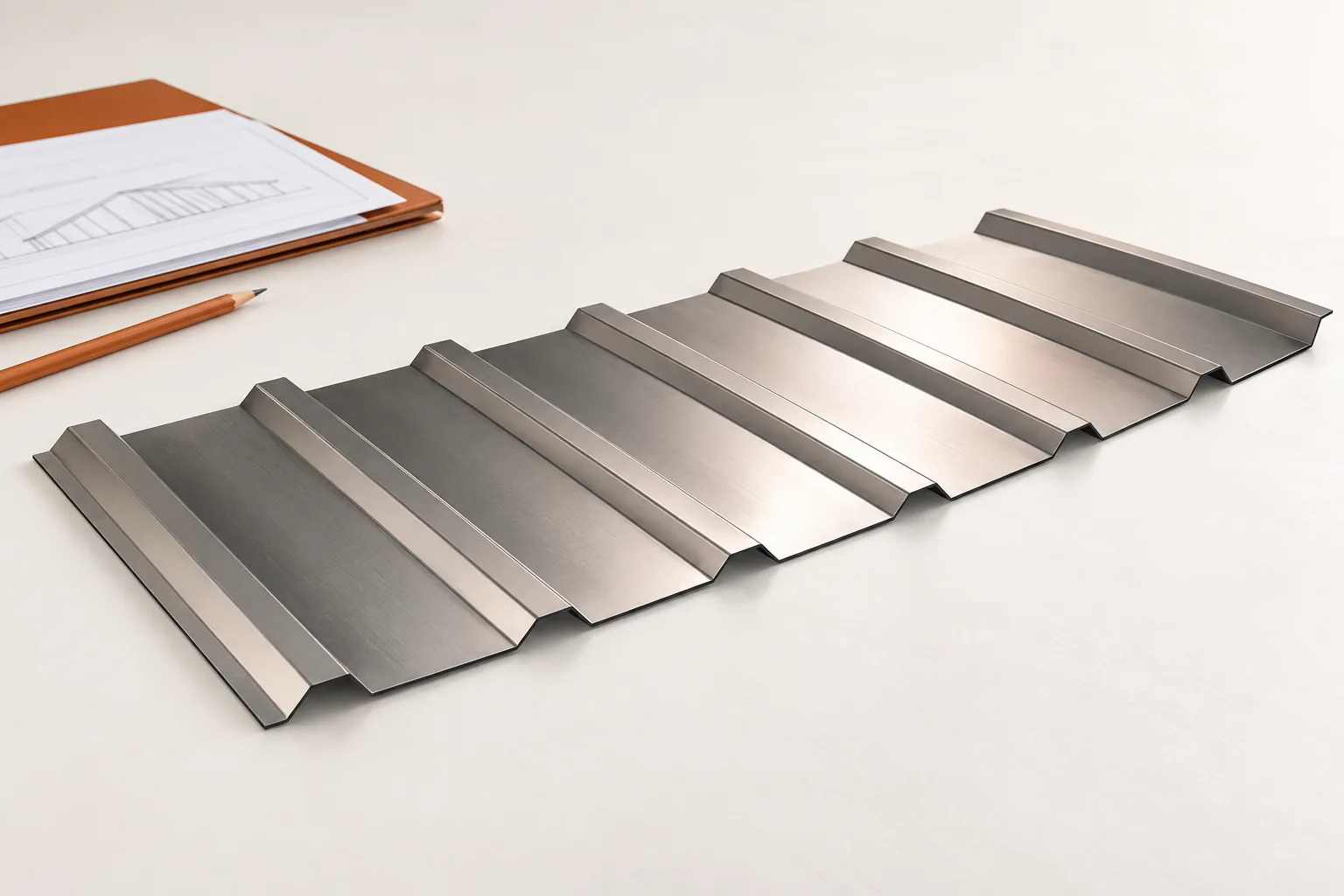
Before ordering T18 or T35 trapezoidal steel sheet, describe the structure to the designer. Provide the intended use, dimensions, location and method of fixing to the ground. For an existing building, indicate whether you are changing the structure and performance parameters. The material name on the invoice does not determine the application of the exemption.
What does the possibility of instructing the investor involve?
For certain significant deviations from the permit, the design or the regulations, the supervisory authority may instruct the investor on the need to bring the works into compliance. The instruction is documented. The authority checks that the correction has been made after 60 days or earlier if the investor requests it.
This is a power of the authority in the situation indicated in the Act. It is not an automatic period of impunity nor consent to commence construction without the required documents. Nor should it be assumed that any arbitrary change to the roof truss can be approved later. The safety of the structure remains a separate obligation.

Does the problem of unauthorised construction disappear after ten years?
There is no such general rule. The provisions relating to works completed at least ten years earlier cover specific situations. In the case of significant deviations from the permit or the design, they may lead to the appropriate application of a simplified legalisation procedure.
The basic case of construction without the required permit or notification is different. The general threshold for simplified legalisation remains linked here to the lapse of at least twenty years from completion of construction. Even then, the conditions must be met and documents submitted. The mere passage of time does not replace a decision by the authority.
What technical conditions apply after September?
From 20 September 2026, the eighteen-month period provided for in the transitional provisions begins. It allows the previous technical requirements to be applied under specified rules. For a design submitted for a permit or notification, the investor’s declaration made to the competent authority is significant. The Act also regulates works that do not require either procedure.
It is therefore not enough to find a draft of the new regulation online. A draft is not yet binding law. Conversely, a description of the status of the older regulation alone does not explain the possibility of its continued application under the Act. The designer should indicate the basis adopted in the documentation.
What do these changes mean for roof insulation?
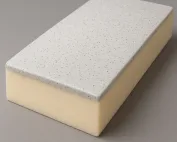
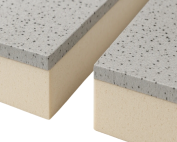
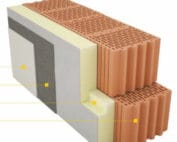
It is not worth starting the selection of insulation with a promise that a given thickness will always comply with the regulations. The entire building envelope is assessed. The roof layers, thermal bridges, fasteners and room temperature matter. A PIR insulation board can make it easier to achieve the required thermal resistance with limited thickness, but it requires a correct design.
The product documents should correspond to the variant being ordered. This also applies to sandwich panels and their locks. A change of core, thickness or connection method may affect the parameters of the building envelope. The regulations do not replace the declaration of performance, and the declaration alone does not settle the building formalities.
How to prepare an investment without unnecessary risk?
Ask the designer for a brief summary of the bases adopted for the investment. They should cover the building procedure, the technical requirements and the scope of any arrangements. In the contract with the team, specify how it reports the need to change the design. Do not leave such decisions solely to verbal agreements on the roof.
Order the material only once the dimensions and solutions have been finalised. Keep the approved drawings, the roofing specifications and the delivery documents. At acceptance, compare the execution with the agreed scope. This makes it easier to detect an error before it is covered by the next roof layer or the loft conversion.
7 branches. Materials closer to your project.

- SEROCK — Dzierżenin 34 E
- BŁONIE — ul. Sochaczewska 138A
- RADOM — ul. Grobickiego 8
- ŁÓDŹ — Natolin 8
- OLSZTYN — Barczewo, ul. Prosta 9
- WROCŁAW — ul. Jerzmanowska 10C
- GORZÓW WLKP. — ul. Zielona 33/34