






Building academy
The Izoprofil.org building academy explains decisions made during construction and refurbishment. The articles start with the materials themselves, including sandwich panels, PIR insulation boards and profiled sheet metal. Learn the terms used in product descriptions and how several properties affect a complete assembly. Topics include thermal insulation, joints, moisture protection, roof coverings and purchasing. Each article includes a summary and contents to help you find the relevant detail. Use the guides alongside the drawings and product documentation for your own project.
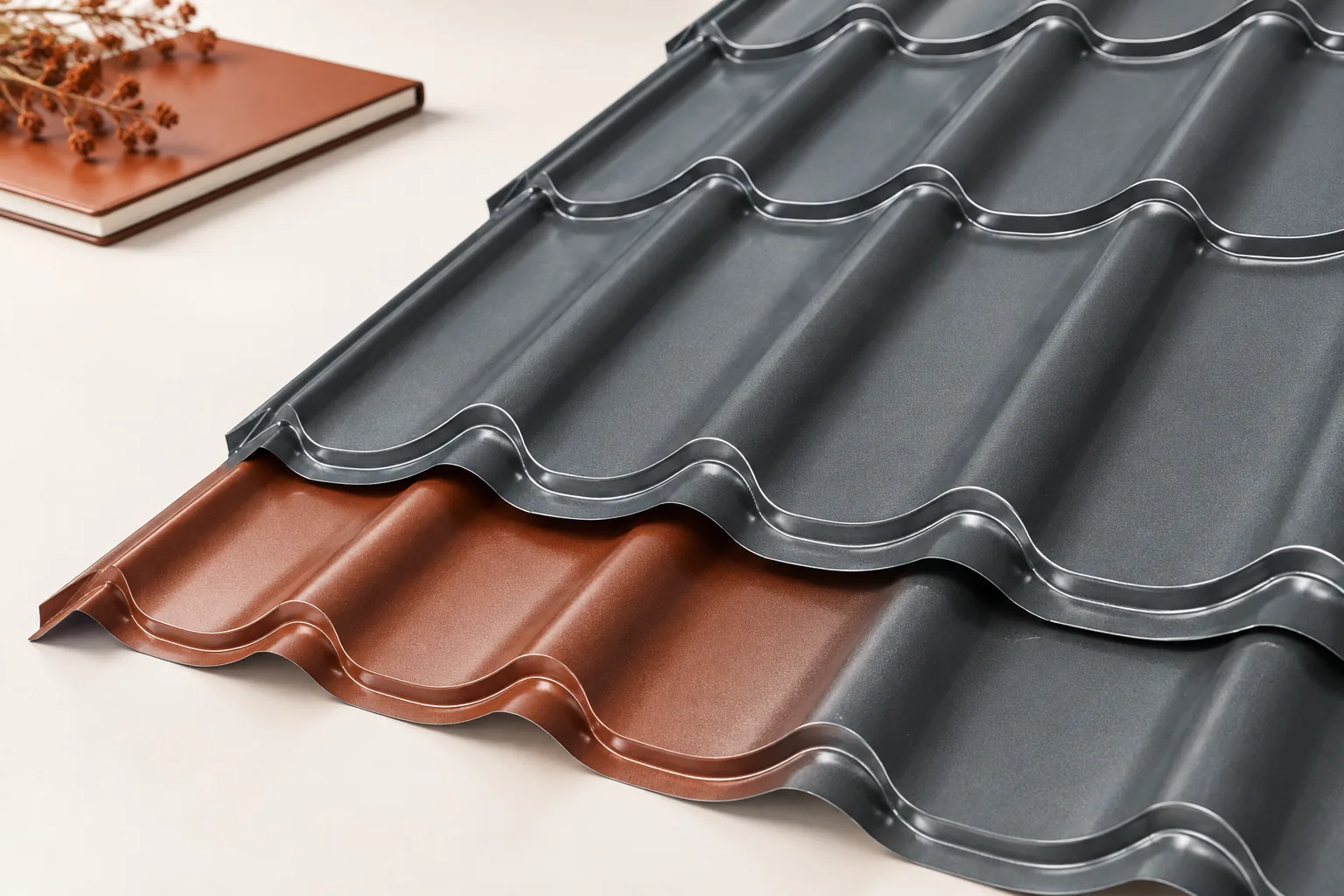
Where cutting costs on a roof covering can prove expensive
When buying roof covering, look at the whole system, not just sheet prices. The quote should include flashings, fixings, underlayers, drainage, transport, unloading and labour. Standardise the billing unit, thickness, profile and coating, because a square metre of sheet does not equal a square metre of coverage. Check fixing and flashing compatibility and the warranty scope. Leave final parameter selection to the designer, as a thinner sheet may need a different support arrangement.
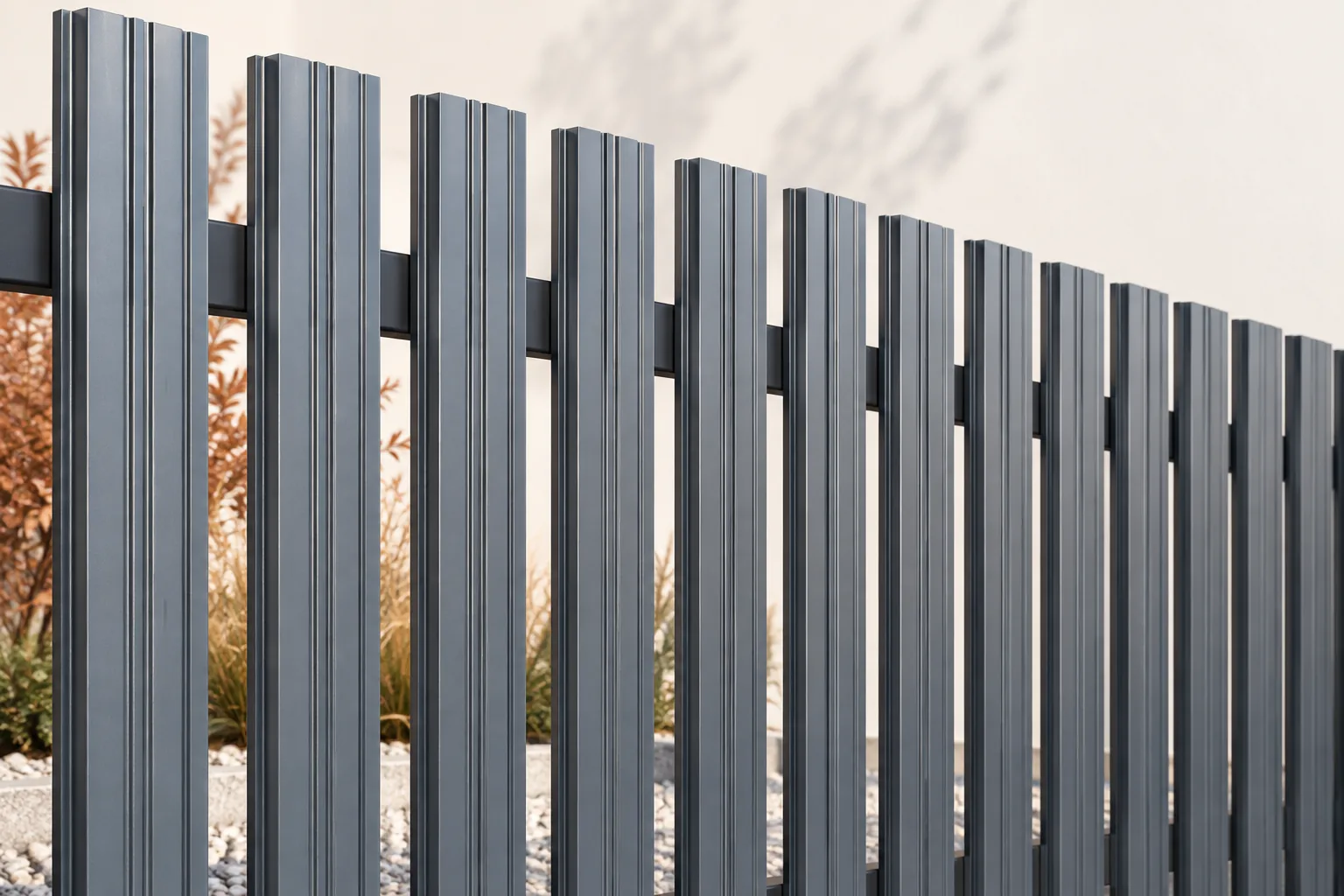
Is a metal picket fence suitable for your plot?
Metal pickets work well when you want a tidy appearance with limited maintenance, but they will not always provide the same privacy as a full screen. Before deciding, assess the entire bay together with the posts, because the cost of a single picket does not reflect the properties of the finished fence. Pay attention to the structure, which must account for height, span and the actual sheltered area. Also check the condition of existing posts and foundations if you plan to replace the infill. Remember that coated steel only needs washing and coating checks, not impregnation like raw wood.

Tracing the cause of a leak before arranging roof repairs
In Poland, a roof leak first requires rapid protection of the interior and identification of the cause, not merely hiding the stain. Readers should check whether water is reaching the electrical installation and secure items beneath the leak. A ceiling stain does not indicate the exact point of damage to the covering, so the inspection should cover the slope above and adjacent details such as chimneys, windows, valleys and service penetrations. Equally important is distinguishing a leak from condensation, which may call for a different solution than external sealing.
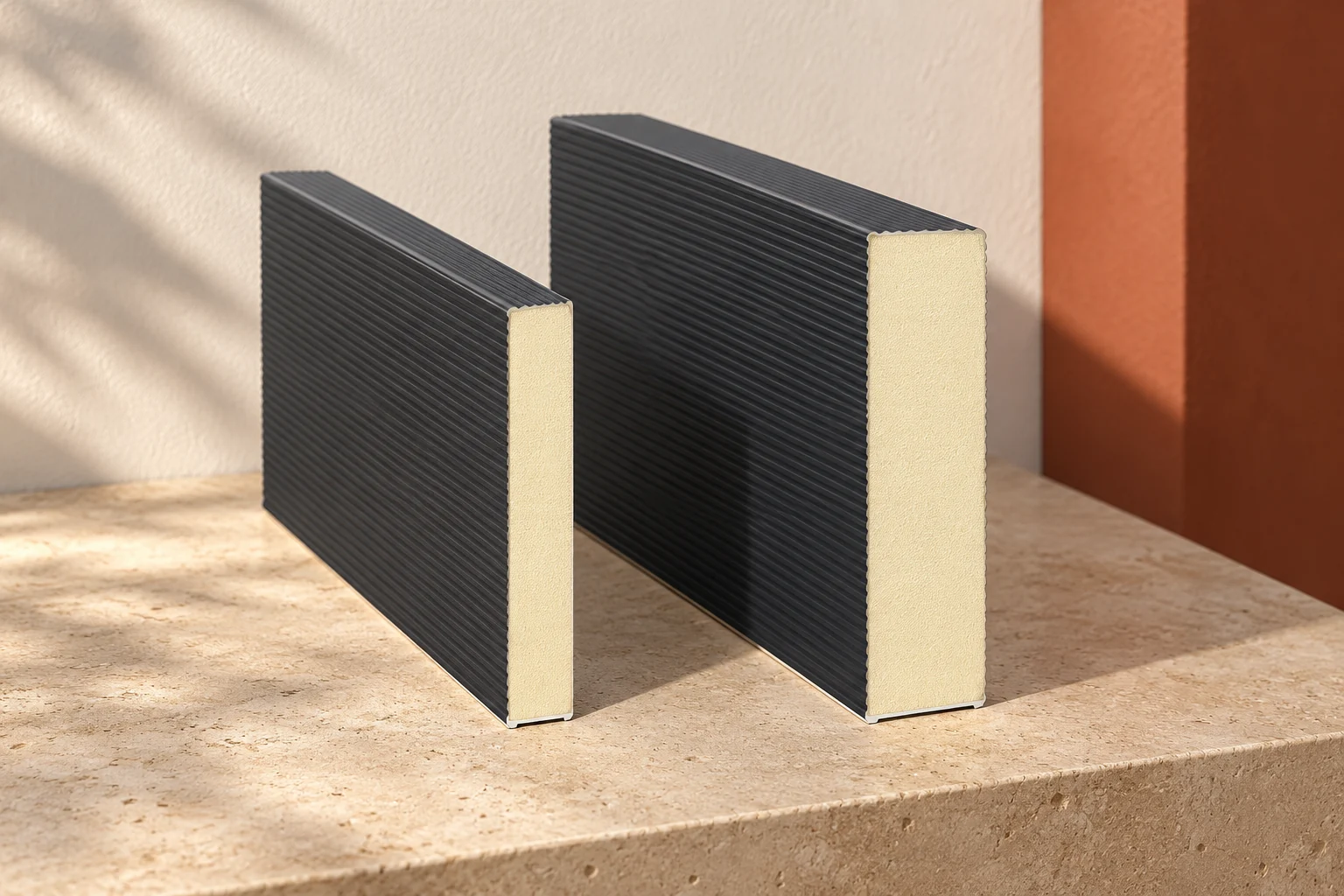
How do you match the thickness of a wall PIR panel to the indoor temperature?
Choosing the PIR thickness starts with the conditions of use. Temperature, heating duration and humidity matter. Next, the specific panel's parameter and the joints are checked. More millimetres usually restrict heat flow, but do not fix a leaky joint. A good choice also covers load-bearing capacity, coatings and fire requirements. Determine the target temperature and how long it is maintained. A small service point operating daily differs from a storage room heated occasionally. Frequent door opening and ventilation also matter. The panel requirements must be linked to the whole building's balance.
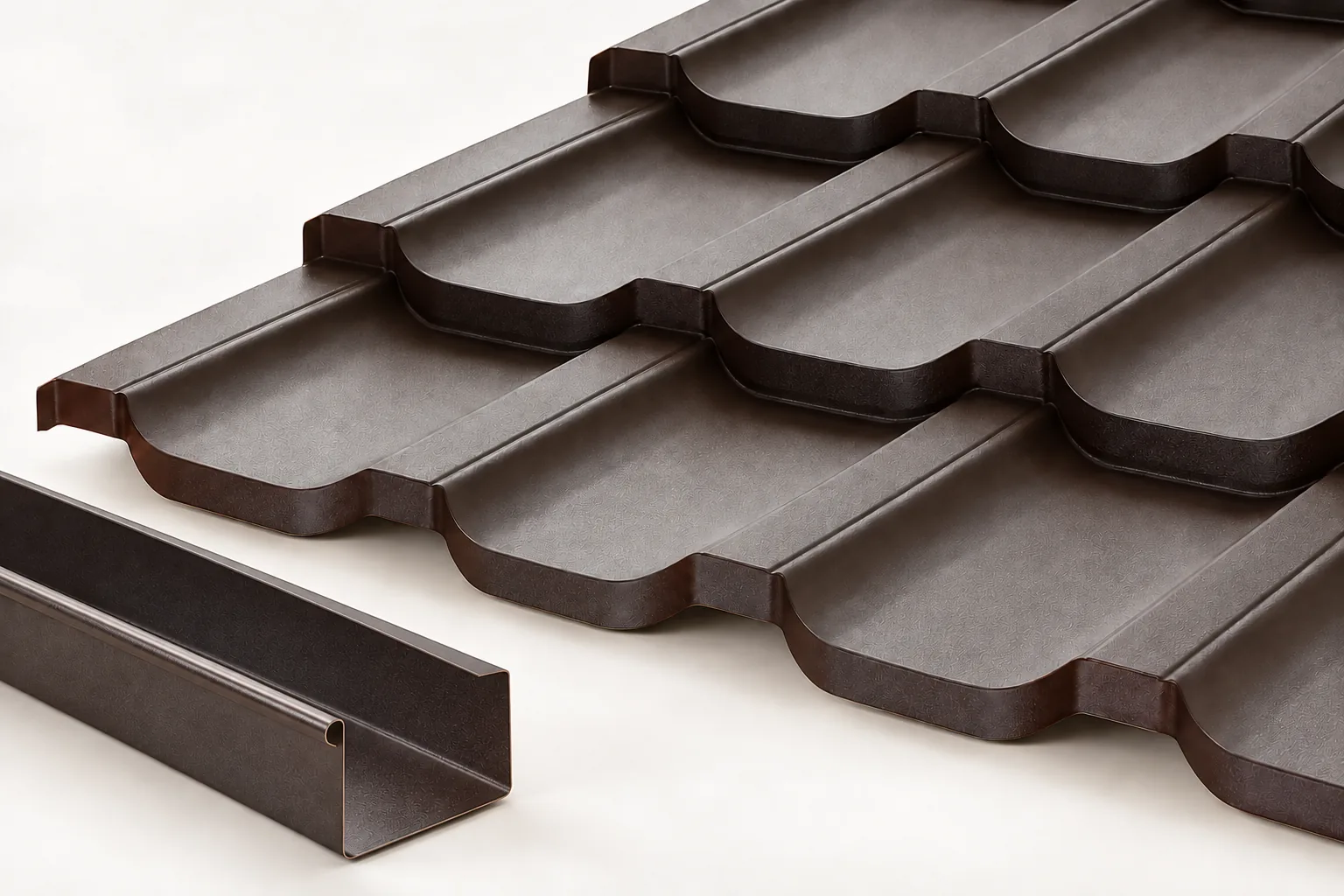
How do square gutters differ from traditional gutter profiles?
In Poland, choosing square gutters instead of traditional half-round ones requires the same attention as with half-round gutters: assessing performance, outlets and fixing method. The shape does not guarantee greater capacity, so before deciding it is worth checking the eaves cross-section, the layout of downpipes and the runoff zones from valleys and roof slope breaks. It should also be established whether the system will be visible, covered by a fascia or concealed, and components from a single manufacturer should be selected to avoid connection problems.
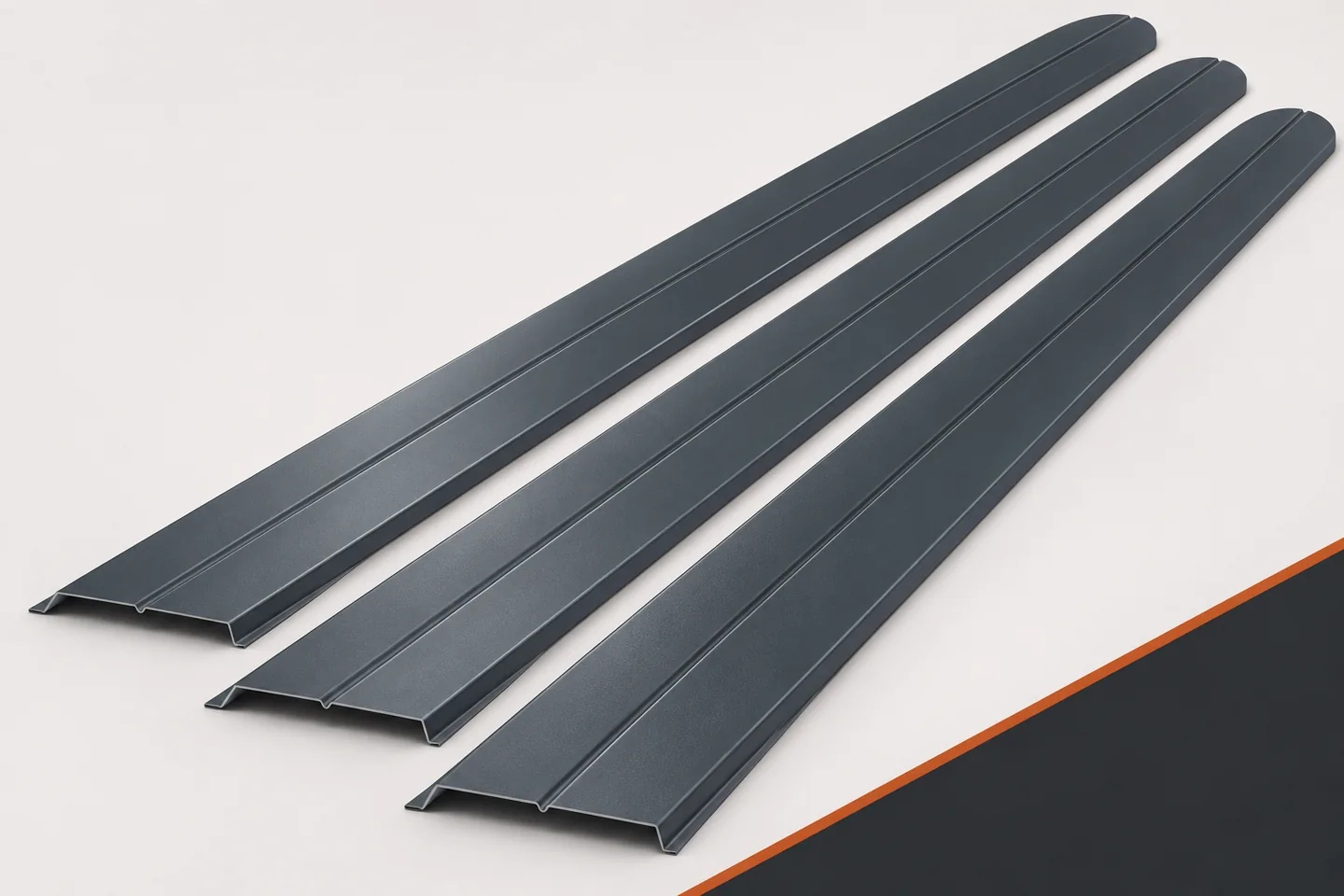
Why do the same metal fence pickets age differently on two plots?
Two fences made from similar pickets can look different after years. This is not always due to a difference in quality. The surroundings, installation and maintenance all matter. Metal fence pickets are exposed to the ground, plants, roads and buildings. These conditions are worth describing before purchase. This allows the material to be chosen more sensibly than by comparing colour and sheet thickness alone. Water from dew, watering or condensation can settle on the surface. What matters is not only the presence of moisture but also the ability to dry out. A permanently sheltered and dirty location can behave differently from an exposed front. Inspections should therefore cover both sides and the lower part of the fence.