Costs and formalities
What single-module tile-effect roofing sheets offer
In brief
In Poland, single-module metal roof tiles can be useful on roofs with complex geometry and limited access, but they are not universally the cheapest or fastest to install. Before choosing, compare the coverage area rather than the external dimension, check the cutting plan and panel count, and inspect a sample joint between two rows. Assess the total cost, waste and work organisation, not the price per piece. Steel and coating parameters remain as important as the format. Leave the layout decision to the designer.
What does one module mean?
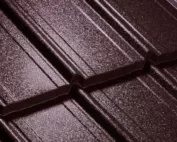
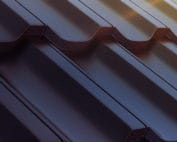
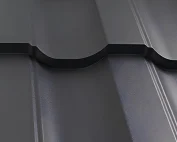
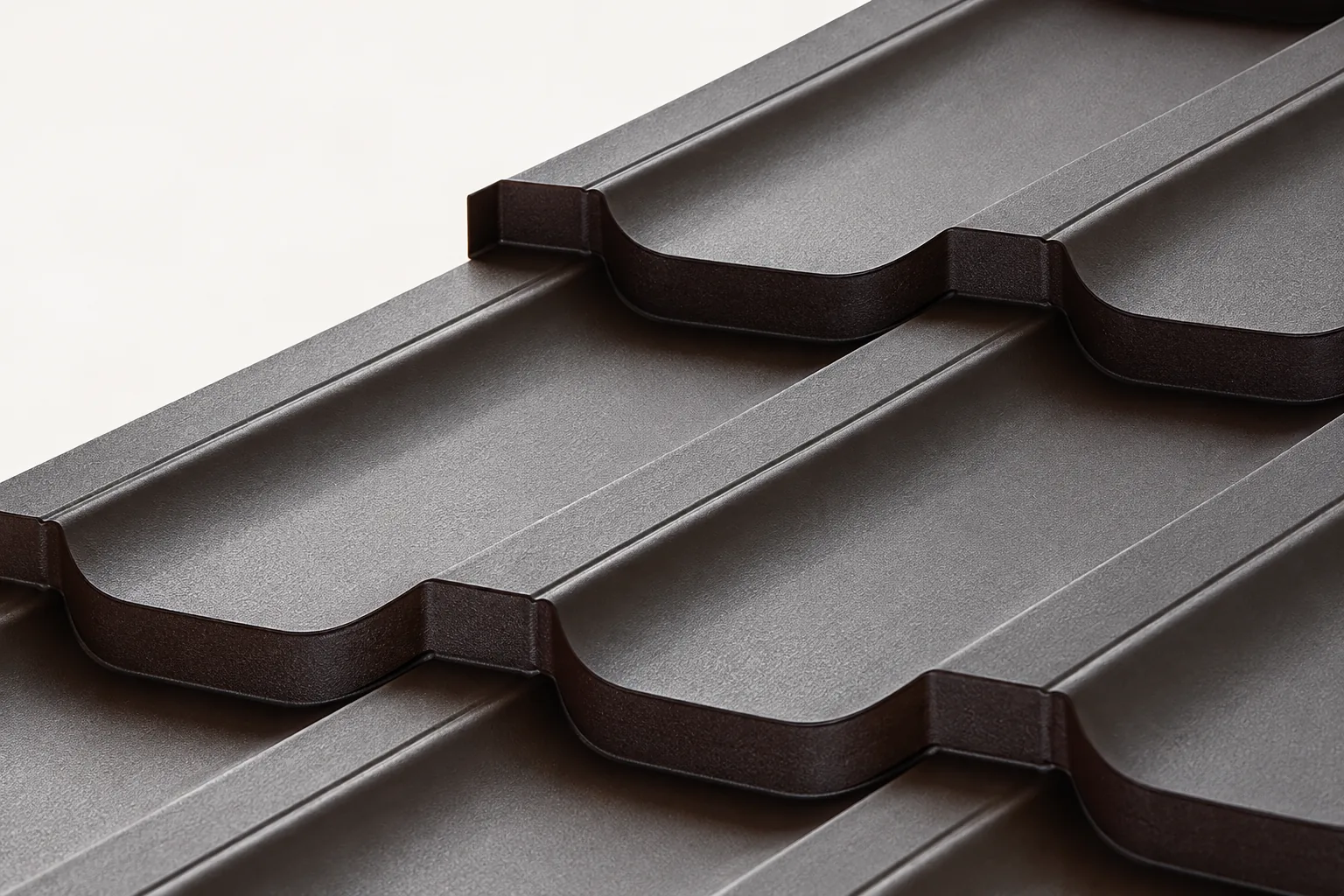
A module is a repeating section of the profile along the roof slope. A single-module panel covers one such row. It should not be confused with a single small roof tile, because one panel usually contains several pressings side by side. Its width, overall length and coverage area depend on the documentation for the specific model.
The overall length is greater than the effective length, because part of the material forms the joint. When comparing offers, therefore, check the covering area, not just the external dimension. Two small panels from different systems may have different yields. A price per piece without this data does not give a fair comparison of the cost of the roof area.
Why does the small format make work easier?
A shorter element is easier to carry and pass up onto the roof than a long sheet. It is also easier to plan the storage of a small number of panels near the work station. This can help on a site with difficult access or when renovating part of a roof. The coating must still be protected and the rules for safe work at height observed.
A small panel is not resistant to improper handling. Dragging it over other elements can scratch the surface, and pressure at an unsupported point can deform the profile. The organisational benefit does not replace the installation instructions. Proper support and the method of fixing successive rows remain particularly important.
Does a single-module panel reduce waste?
On a roof with dormers, roof valleys and short sections, the small format can make cutting easier. It is easier to match the number of full elements to part of the roof area. However, this is not a guarantee of a specific saving. The result depends on the roof shape, the direction of the laps and whether the cut-off fragment can be used.
Not every offcut can be turned around or moved to the other side of the roof. The covering side and the rhythm of the profile must be maintained. It is therefore worth comparing the laying plan for single-module panels, two-module panels and cut sheets. On a simple rectangle, a long sheet may use the material just as well and require fewer transverse joints.

What are the requirements for laying?
The battens are prepared according to the module and the start detail of the given system. The accuracy of the first rows affects the further course of the roof area. Small deviations can accumulate with the number of panels. The alignment must be checked and errors should not be compensated for by over-tightening successive elements.
A larger number of small panels means more handling and joining operations. This does not have to slow down a prepared crew, but it is worth taking into account in the quote. The number of screws and fixing points follows the instructions. They should not be calculated solely on the basis of one fixing per visible module.
Is a roof made of small panels easier to repair?
The smaller format can make it easier to limit the scope of replacement when a section of the covering is damaged. However, access depends on the overlaps and the installation sequence. Sometimes adjacent elements also have to be removed. It should not be promised that every panel can be removed independently like a loose tile.
When reordering, profile, coating and colour-batch compatibility are important. Even the same colour code does not guarantee a perfect visual match after years of use. It is worth keeping the order documentation and material markings. They will make it easier to select the element and discuss the possible scope of repair.
When is this format a sensible choice?
Consider it for complex geometry, more difficult transport and short roof slopes. The free quote should include accessories and installation. Check whether the crew knows the chosen overlap arrangement and can show correct details. The small format only brings a benefit when it is well used in a specific project.
On a simple, large roof, compare it with two-module panels and made-to-measure sheets. Assess the total cost, waste and work organisation. The steel and coating parameters remain just as important as the panel size. One module defines the product format, not automatically its durability, tightness or highest quality.
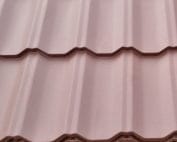
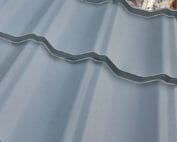
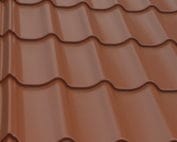
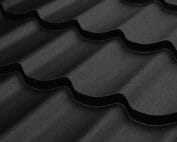
Before deciding, look at a sample of the joint between two rows. It allows you to assess the rhythm of the pressings and the appearance of the overlap line up close. Then look at a photo of an entire roof slope made with this system. The effect on a large roof may be different from in your hand, especially with a strongly defined profile and light falling at a low angle.
7 branches. Materials closer to your project.

- SEROCK — Dzierżenin 34 E
- BŁONIE — ul. Sochaczewska 138A
- RADOM — ul. Grobickiego 8
- ŁÓDŹ — Natolin 8
- OLSZTYN — Barczewo, ul. Prosta 9
- WROCŁAW — ul. Jerzmanowska 10C
- GORZÓW WLKP. — ul. Zielona 33/34