Roof and structure
Traditional or contemporary metal roof tiles: choosing a profile to suit the house
In brief
The choice between a classic and a modern look for a metal roof tile depends mainly on how well it suits the building’s form, not on the technology. An owner should check how a given profile appears across a large roof slope and in real light, not just on a small sample. It also matters whether the roof will be clearly visible from street level and how it works with the façade and surroundings. A farmer, by contrast, may be concerned above all with the building’s function and the way it is used. It is worth assessing the coherence of the whole rather than following a style label alone.
What creates the classic character of the covering?
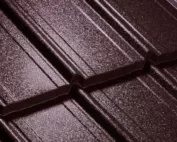
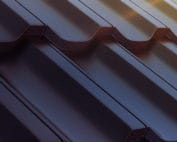
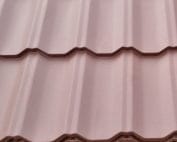
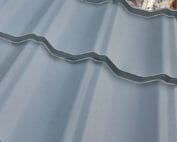
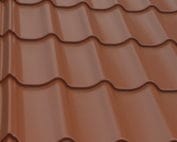
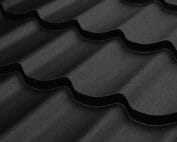
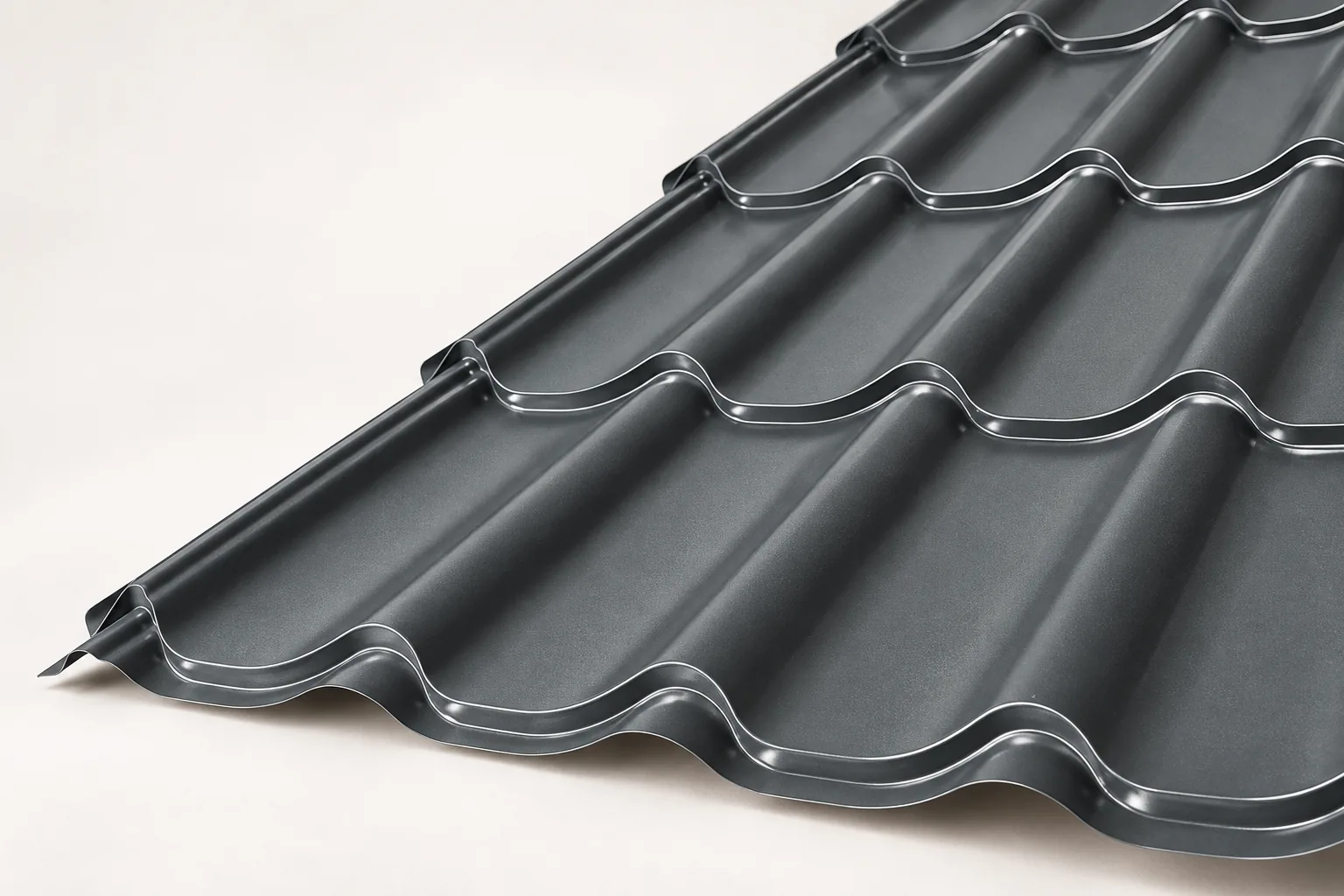
A distinctly corrugated profile and a regular rhythm of pressings echo traditional roof tiles. Such a covering can work well with a house featuring eaves, dormers and calm façade proportions. Colour also shapes the impression. Warm shades and graphite produce a different effect, although the geometry of the sheet remains the same.
A classic profile is not reserved for old buildings. On a simple new volume it can introduce a distinct texture. It is worth viewing a larger section of the roof, however, because a small sample does not show the rhythm of the entire slope. From a distance the detail of the pressing may be barely visible, and colour and the way light is reflected become the most important factors.
How to recognise modern design?
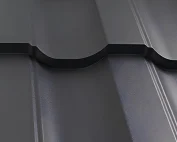
Simpler lines, a calmer profile and a reduction of visual divisions often accompany contemporary architecture. A matt finish can reduce the intensity of reflections. This does not mean, however, that every dark roof is modern or every tall profile traditional. Appearance results from a combination of several features, not from a single label in a catalogue.
On a large regular slope even small differences in geometry can be visible. The alignment of the sheets and the straightness of the rows are essential. A profile with a calm pattern will not hide substrate errors or poorly fitted flashings. In such a project it is worth devoting much attention to the eaves, ridge and transitions, which become strong compositional elements.
How to match the covering to the building’s form?
With an elaborate roof featuring dormers and valleys, the shape of the slopes alone creates many divisions. A strong profile can further increase the impression of complexity. On a simple volume, by contrast, a pronounced pressing can be a deliberate accent. There is no single correct combination. It is worth assessing the covering on a visualisation of the whole house, together with the walls, windows and doors, and gutters.
The visibility of the roof from street level also matters. On a low building with a steep slope, the covering occupies a large part of the image. At a smaller angle, the viewer sees much less of it. Differences between similar profiles may then matter less than the proportions of the eaves and the colour of the flashings. The choice should take the actual viewing point into account.

Does a modular format mean a modern style?
The format describes the size of the elements and the way the covering is planned, not the era of its appearance. Modular tile-effect metal roofing can have a classic corrugated profile. A sheet cut to size, in turn, can create a calm, contemporary pattern. It is not worth choosing a format solely because of the name of a style. Its suitability is determined by the roof geometry and the organisation of installation.
On a complex roof slope, modules can help make efficient use of the material. On a regular roof, long sheets allow transverse joints to be reduced. In both cases, the cutting plan and transport must be checked. The final result depends on correct installation, so the aesthetic decision should be coordinated with the installer before the substrate is prepared.
How should colour, texture and accessory matching be assessed?
A sample is best viewed in daylight, including in shadow. A screen can change both the shade and the degree of gloss. A large roof area looks different from a small piece of sheet metal. It is worth comparing the sample with the façade and the windows and doors rather than choosing the roof in isolation from the other materials. The appearance of the surroundings should also be borne in mind.
Flashings, gutters and accessories should form the intended set. The same colour number does not always mean an identical shade across different coatings. The availability of all required components must be checked. If the design calls for a clear contrast, it should be deliberate. An accidental difference in gloss can look like a mismatched delivery.
Which technical matters must not be overlooked?
Every selected model must suit the roof pitch and the support arrangement. The core thickness, coatings, fixings and warranty conditions must be checked. A modern appearance does not automatically provide higher resistance, and a classic profile does not mean an inferior material. Aesthetics and quality should be assessed in two separate stages.
Before purchase, it is worth comparing complete offers for several variants. The price should cover the cutting plan, flashings and required accessories. If the parameters and installation conditions are suitable, the final choice can come down to taste and the character of the house. The best visual effect comes from overall consistency, not from following a trend name alone.
7 branches. Materials closer to your project.

- SEROCK — Dzierżenin 34 E
- BŁONIE — ul. Sochaczewska 138A
- RADOM — ul. Grobickiego 8
- ŁÓDŹ — Natolin 8
- OLSZTYN — Barczewo, ul. Prosta 9
- WROCŁAW — ul. Jerzmanowska 10C
- GORZÓW WLKP. — ul. Zielona 33/34