Insulation and energy
Insulating a loft for better comfort in summer and winter
In brief
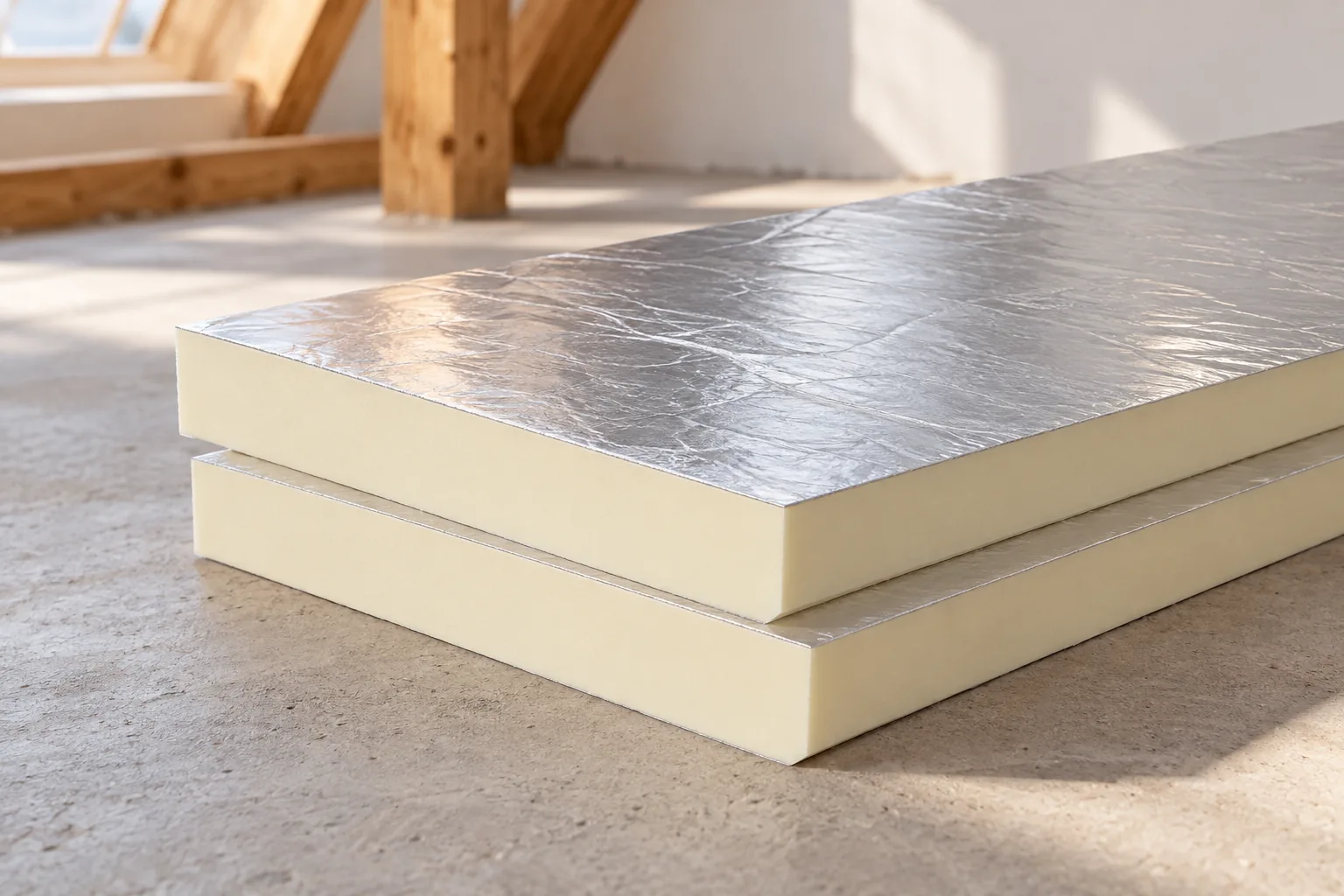
Comfort in a loft depends on the whole assembly, not just insulation thickness. Before choosing a material, note whether the problem is cold, overheating, draughts or damp, as these symptoms have different causes. Check the condition of the existing roof, the operation of heating and ventilation, and the airtightness of junctions at the wall plate, windows and walls. The choice also depends on how the rooms are used and the planned finish. PIR boards and mineral wool offer different advantages, and the designer should decide the layer arrangement.
What causes the most discomfort in the current loft?
Note whether the problem is cold, overheating, draughts or moisture. These symptoms can have different causes. A cold surface at the window points to a different detail than a generally low room temperature. Before renovating, it is also worth checking the heating and ventilation.
If there are damp patches, the source of the water must first be eliminated. Insulating a wet roof will not permanently improve comfort. The inspection should cover the structure, the substrate and the junction points. Measurements and an airtightness test carried out under suitable conditions can be useful.
How do I choose a material for the available space?
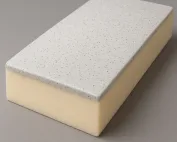
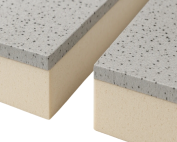
PIR boards have good insulation performance at a relatively small thickness, depending on the declared lambda. They can be helpful when you do not want to reduce the room height excessively. However, rigid boards require precise fitting and a proper joint layout. They do not fill irregularities like a soft mat.
Mineral wool adapts more easily between structural elements and can be advantageous in acoustic systems. Fire and moisture properties also influence the choice. The material should be intended for the given application. Not every insulation board is suitable for any location in the roof.
Is it better to insulate from the inside or above the rafters?
Work from the interior can be convenient when the covering remains in good condition. However, it takes up part of the attic height and requires careful execution of the details. An arrangement between the rafters inherently leaves the wooden elements affecting heat flow. The design may provide for an additional continuous layer.
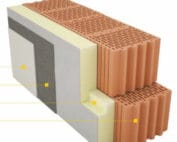
Above-rafter insulation allows the layer to be run over the structure. It usually involves removing the covering and altering the details at the eaves and chimneys. It is worth considering when a roof replacement is planned. The choice should take into account access, costs and the planned interior finish.

Why is airtightness just as important as insulation?
Warm, moist air can pass through gaps into cooler parts of the roof slope. This causes losses and a risk of condensation. That is why junctions at walls, windows and services must be detailed properly. A membrane simply laid over a large area does not create an airtight layer.
Adhesive materials must be compatible with the substrate. A sealed joint should remain durable despite structural movement. It is worth allowing space for cables so that later installations do not accidentally pierce the finished layer. Such small decisions have a major influence on the final result.
How can summer overheating be reduced?
Insulation reduces heat flow through the roof, but it will not stop solar energy entering through unprotected windows. The size and orientation of the glazing, external shading and the method of ventilation all matter. When planning comfort, it is therefore necessary to assess more than just the roof slope itself.
Choosing a dark covering does not automatically determine the interior temperature. The entire layer build-up and the conditions of use are decisive. Likewise, a change to a light colour alone will not replace proper insulation. If the problem is significant, decisions should be based on an analysis of the building rather than on a single marketing promise.
What helps reduce rain noise?
Sound perception is influenced by the covering, insulation, substrate and internal lining. Junctions and gaps also matter. It is not possible to attribute one comfort value to all metal roofs. A well-designed roof assembly performs differently from uninsulated sheet metal over an empty interior.
If a bedroom is to be located under the slope, inform the designer. The selection should take acoustic requirements into account, not only thermal ones. A PIR board can help reduce thickness, but it is not an automatic substitute for every sound-absorbing layer. These functions must be considered separately.
How can quality be checked before closing the slopes?
Inspect the insulation junctions at the wall plate, windows and walls. Check airtightness and that the required ventilation channels are maintained. Document the details with photographs. Later access to these places may require dismantling the entire lining.
After completion, it is worth observing the loft at different times of the year. Comfort does not mean merely the absence of cold in January. It also includes humidity, noise and temperature in summer. Good insulation is part of a broader solution that should correspond to the actual way the rooms are used.
7 branches. Materials closer to your project.

- SEROCK — Dzierżenin 34 E
- BŁONIE — ul. Sochaczewska 138A
- RADOM — ul. Grobickiego 8
- ŁÓDŹ — Natolin 8
- OLSZTYN — Barczewo, ul. Prosta 9
- WROCŁAW — ul. Jerzmanowska 10C
- GORZÓW WLKP. — ul. Zielona 33/34