






Building academy
The Izoprofil.org building academy explains decisions made during construction and refurbishment. The articles start with the materials themselves, including sandwich panels, PIR insulation boards and profiled sheet metal. Learn the terms used in product descriptions and how several properties affect a complete assembly. Topics include thermal insulation, joints, moisture protection, roof coverings and purchasing. Each article includes a summary and contents to help you find the relevant detail. Use the guides alongside the drawings and product documentation for your own project.
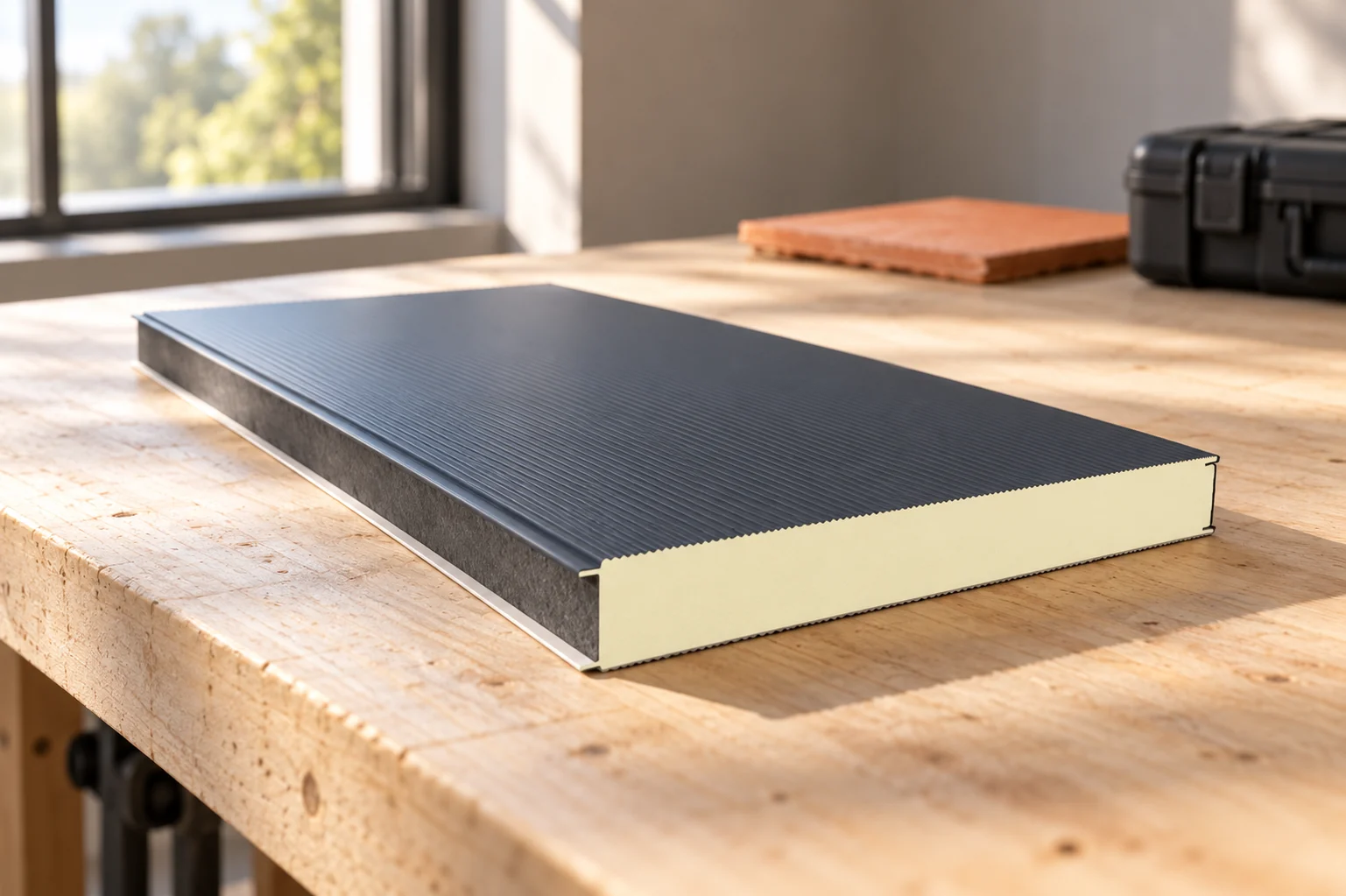
How much does an Oborniki sandwich panel cost and what lies behind the name?
The name “Oborniki panel” is a colloquial term for a sandwich panel. It does not describe a single core or a single quality. In this group you will find wall and roof elements with different parameters. The price therefore depends on the specific set of features. Before purchase, it is necessary to establish what the partition is to do and which items the offer includes. The panel consists of a core bonded to facings. Popular core groups are PIR, PUR, mineral wool and EPS. The materials differ in thermal conductivity, behaviour in fire and mass. The word “Oborniki” alone does not allow any of these properties to be assessed.
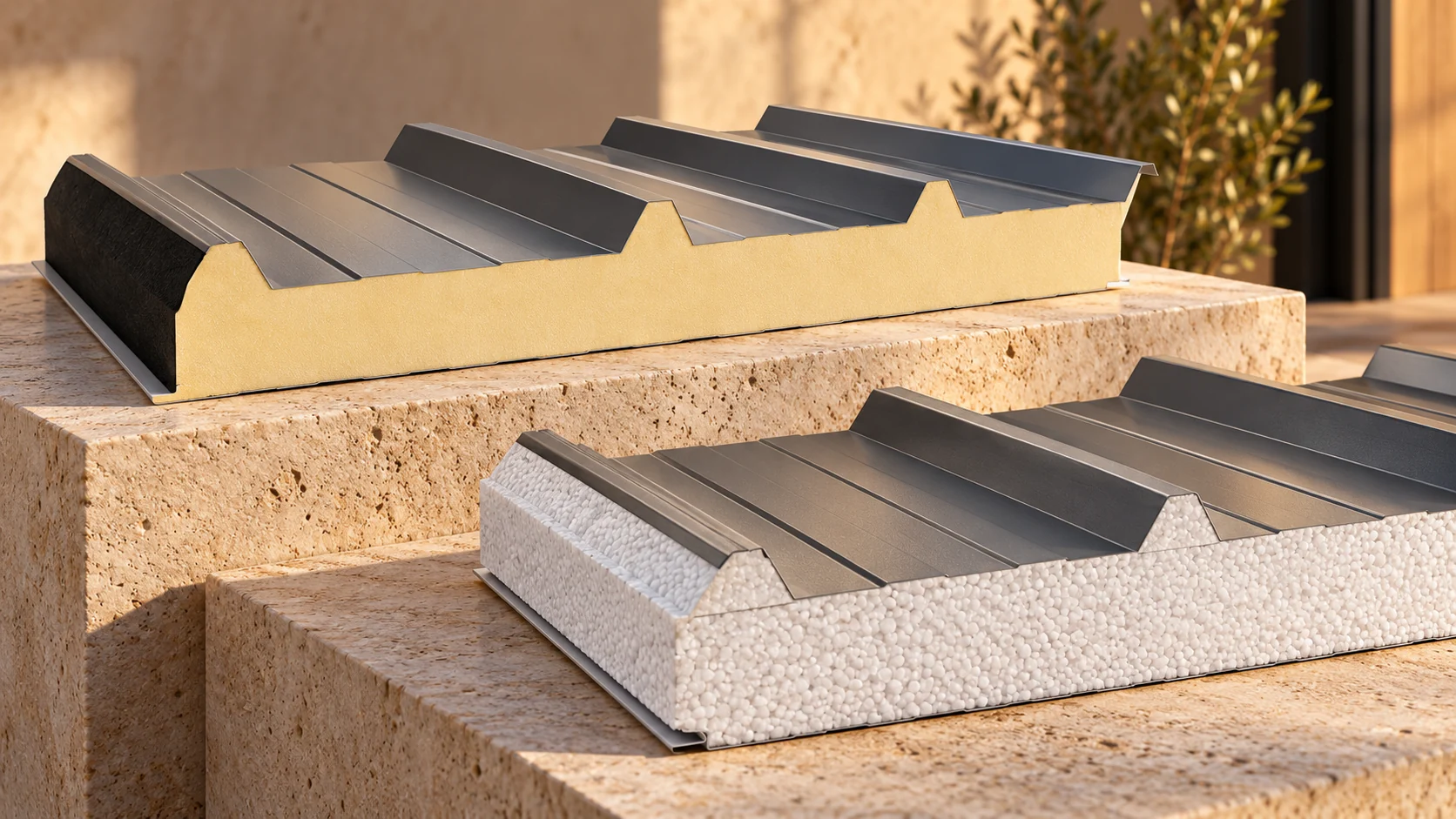
PIR or EPS for the roof of a pavilion used all year round?
In an all-year-round pavilion, the roof should suit the heating, moisture and everyday operation of the interior. Choosing PIR or EPS therefore requires comparing whole panels. The same thickness does not mean the same thermal effect. It is also worth checking the coatings and joints, because the type of core does not solve every problem. Establish the operating temperature and heating periods. A facility opened for a few hours functions differently from a room maintained at a constant temperature. Doors, ventilation and the presence of heat-emitting equipment also matter. The roof is part of this system.
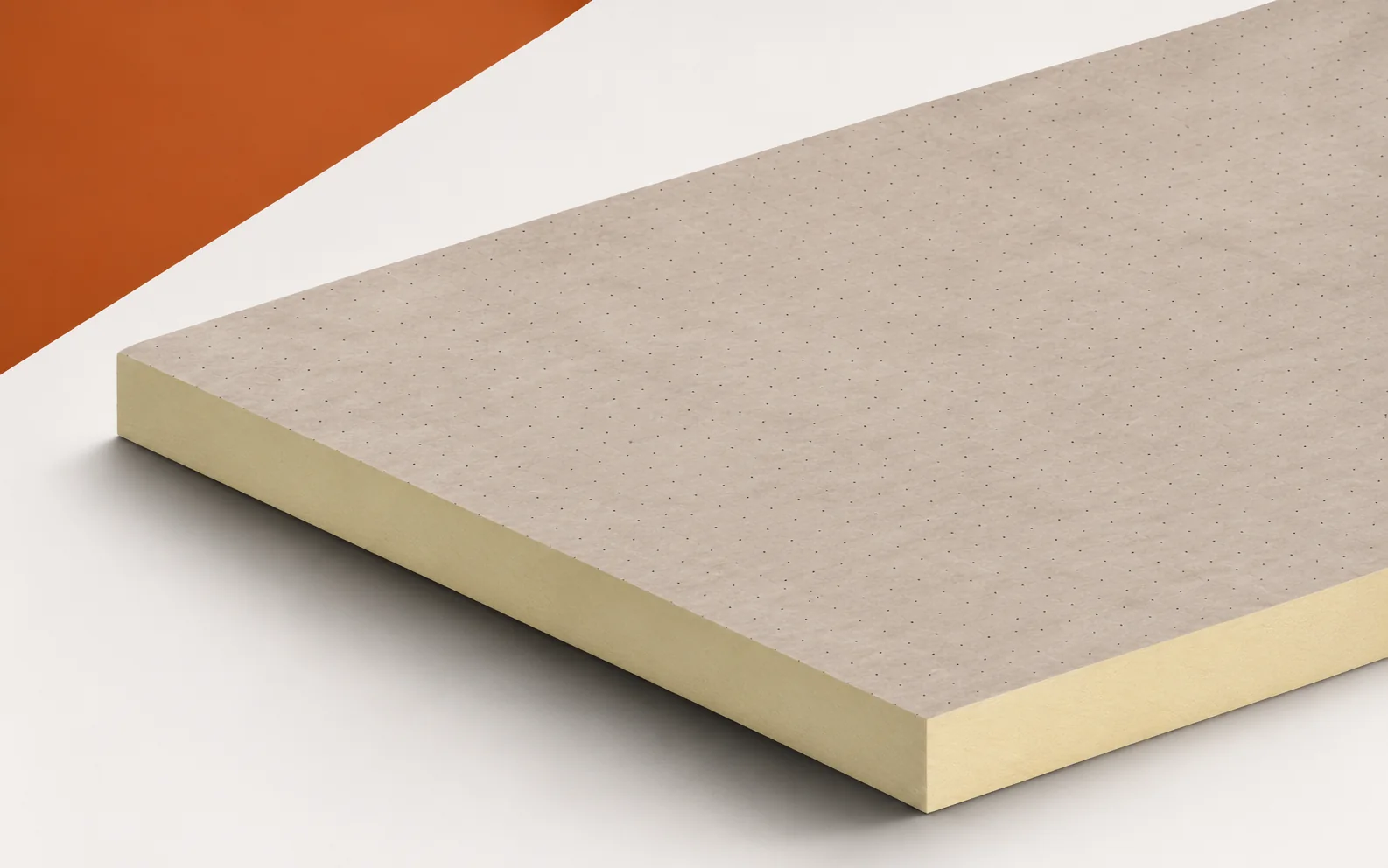
Why does Therma TR27 have a different thermal conductivity from aluminium-faced boards?
Therma TR27 is a PIR board with glass fibre facings on both sides, and its declared lambda depends on the thickness. The name of the core alone is therefore not enough to compare the thermal insulation of finished boards: the data for the selected variant must be read. The catalogue indicates flat roof and terrace build-ups with mechanical fastening, bonding or ballasting according to the system documentation. The glass fleece has a different function when joining layers than an aluminium facing. It is necessary to check how the surface of the board interacts with the first layer of the chosen waterproofing. A similar appearance of materials does not confirm that they are interchangeable, and the choice of adhesive and the preparation of the substrate still follow from the specific roof solution.
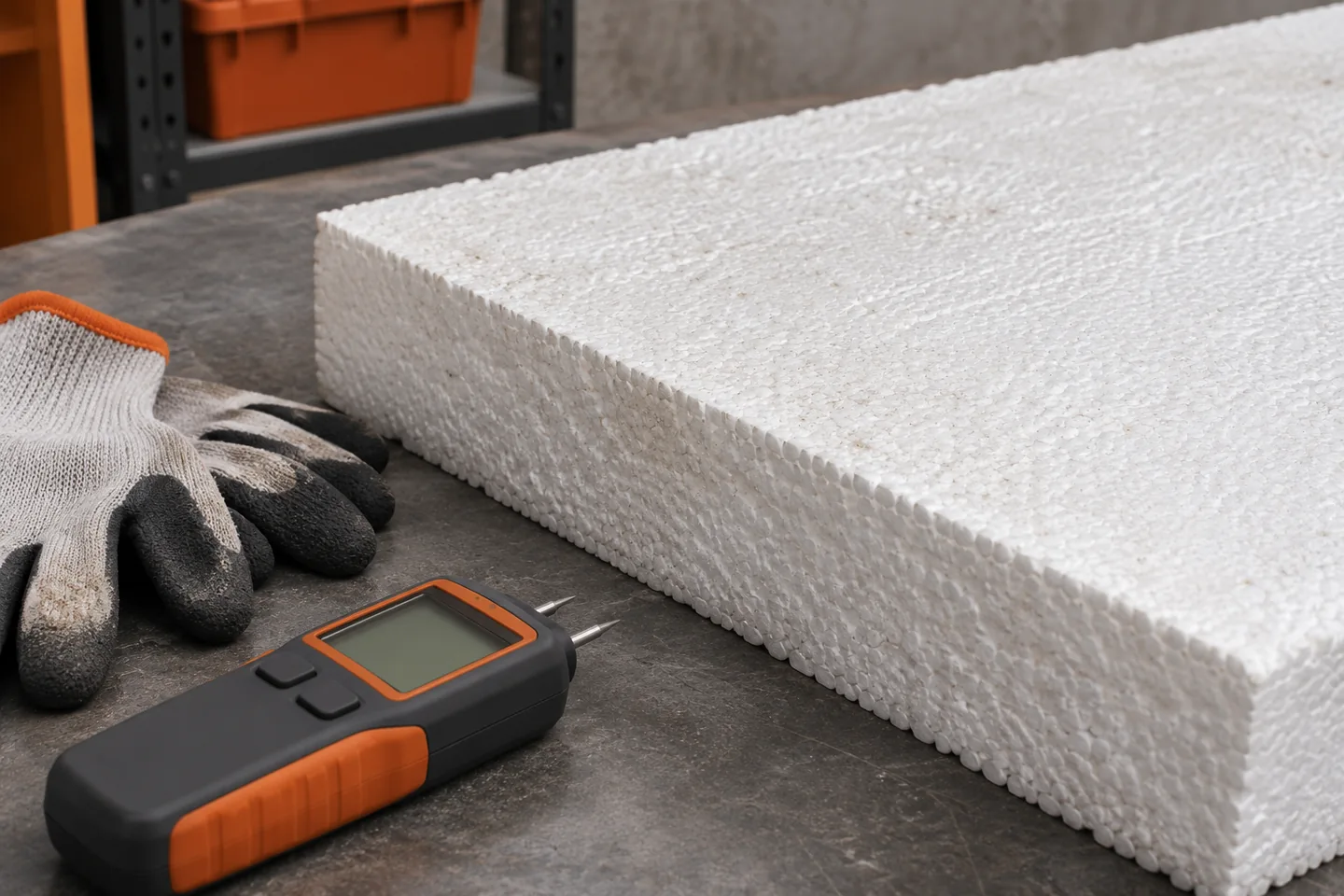
What should be done with EPS insulation after a basement flood?
After a basement flood, EPS cannot be assessed solely on the basis of a dry surface. It is necessary to check how far the water penetrated, whether it was contaminated and what the condition of the entire building component is. Sometimes it is possible to dry out the assembly, and sometimes the layers must be replaced. First comes the safety of the building and its installations, then the repair plan and monitoring of the drying process. After a flood or serious inundation, the condition of the structure and installations must be assessed before renovation begins. A high external water level can be relevant to how water is removed from the basement. Rapid emptying of the rooms should not begin without first establishing the conditions. Work on damaged installations requires appropriate specialists.
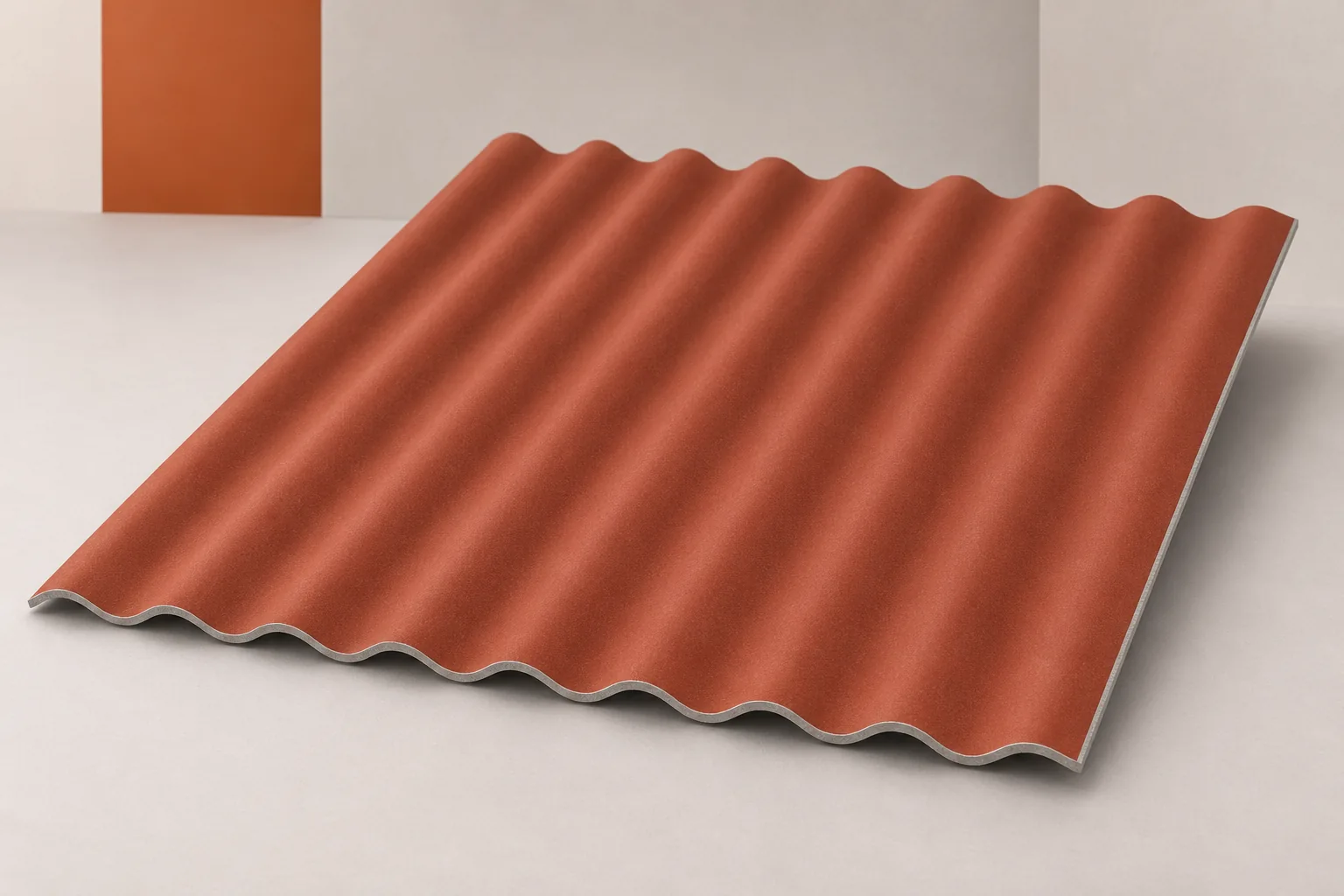
Replacing an asbestos-cement roof with modern fibre cement sheets: planning the work
Replacing an old roof begins with identifying what is already on the building. A similar sheet shape does not tell you whether the sheets contain asbestos or whether the structure is suitable for further use. New corrugated fibre cement sheets are a separate material choice. Asbestos-free fibre cement can preserve the corrugated character of the roof slope, but it does not remove the need to plan the dismantling, the protection of the building and the correct installation of the new system. First, gather the available documents, the renovation history and clear markings. The composition should not be identified solely by colour or by the age of the building. An old roof may contain elements from different periods. If asbestos is suspected, corners should not be broken off, drilled or samples taken independently.
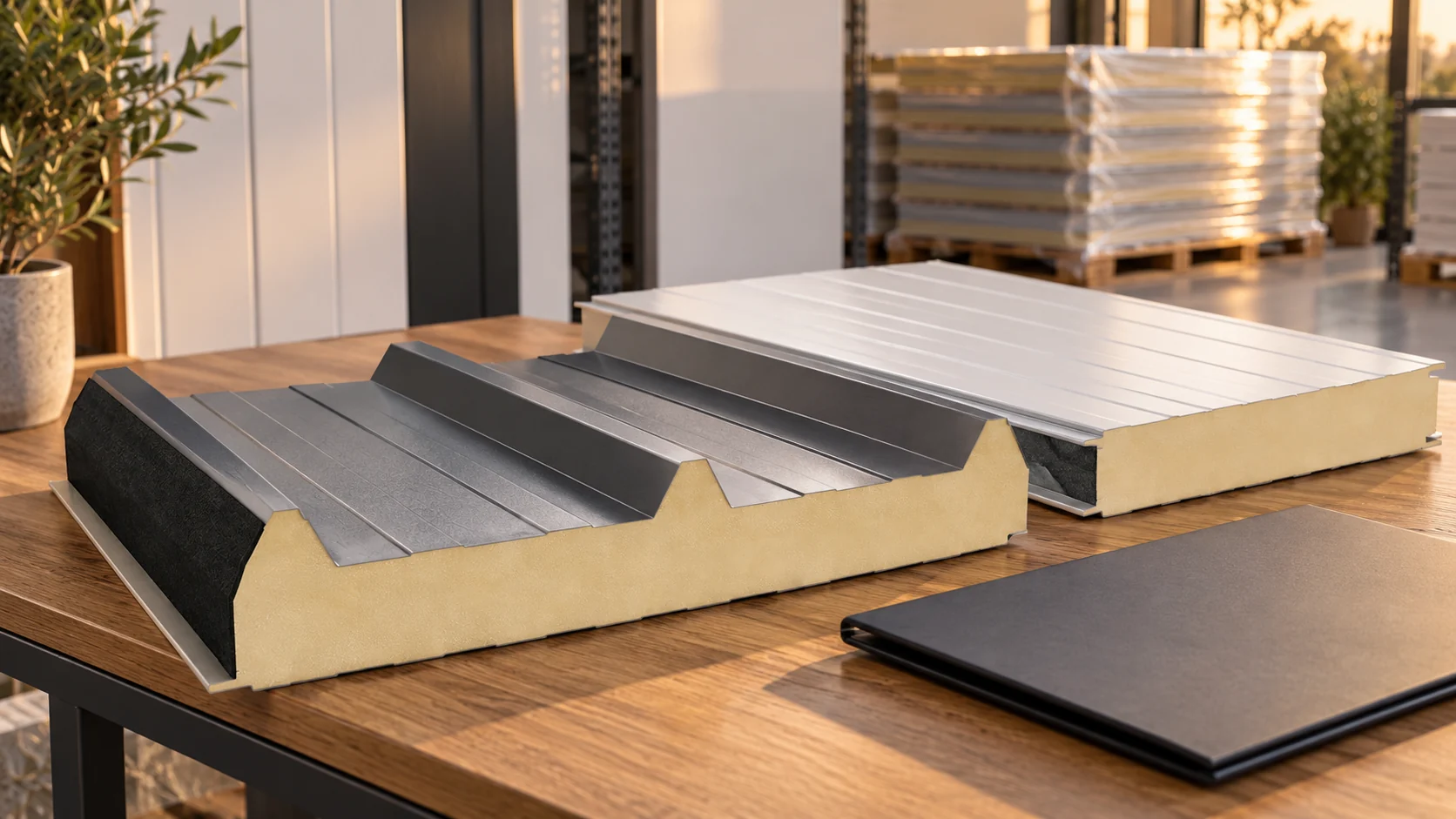
Why can two similar panels have a different price per square metre?
Two light-coloured panels of the same thickness can differ in construction and scope of application. The price per metre conceals more than the colour of the facing. Before choosing, it is worth comparing the parameters and the quantity of material to purchase. This makes it clear whether the surcharge corresponds to the needs of the building and whether a lower rate offers real savings. Start with the type of core and the thickness of the sheets on both sides. Check the profiling and the method of fixing. A similar surface area does not confirm the same weight or load-bearing capacity. Parameters should be stated for the specific variant covered by the offer.