Costs and formalities
Modular metal roof tiles or cut-to-length sheets for your roof?
In brief
The choice between modular and cut-to-length metal roof tiles depends mainly on the roof geometry and how the work is organised, not on the format alone. Check whether the sheet length can be delivered and carried onto the slopes safely without bending, and whether the cutting plan limits waste around valleys and dormers. Compare a full cost estimate that includes transport and labour as well. Leave the final decision to the designer, because the format alone does not determine the quality of the steel or the durability of the covering.
What really distinguishes the two formats?
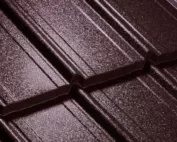
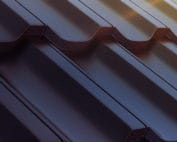
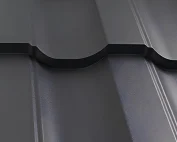
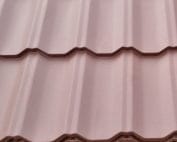
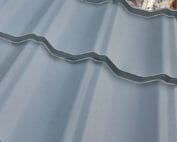
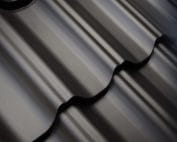
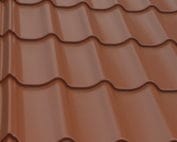
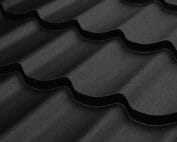
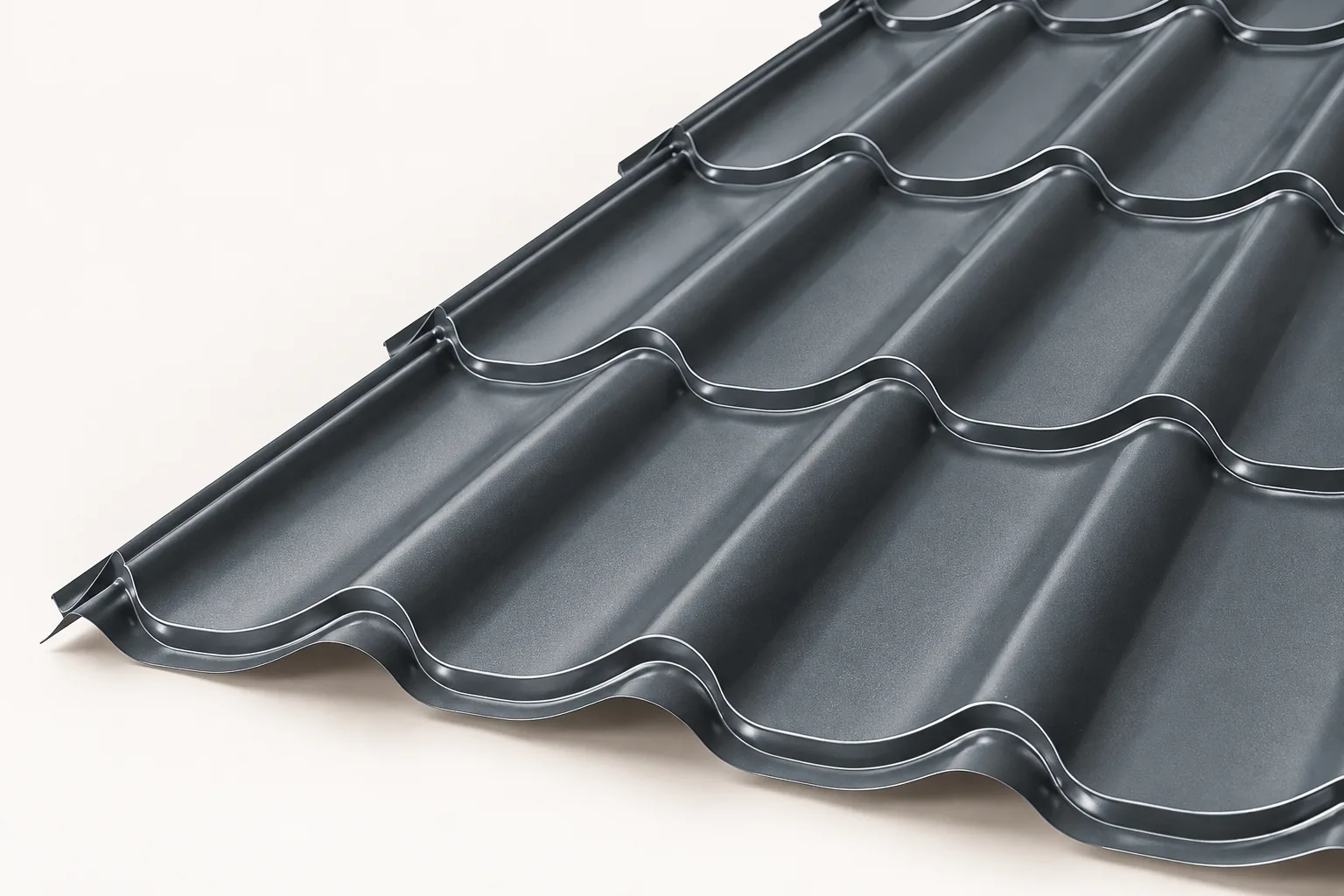
In modular tile-effect metal roofing, the format follows from the product’s construction. The elements are joined according to a fixed lap pattern. Tile-effect metal roofing cut to size has a length matched to the order, within the limits permitted for the given model. The cover width, the pressing module and the fixing method still follow from the profile. They are not freely chosen dimensions.
The format does not in itself determine the thickness of the steel core or the resistance of the coating. A small module may have different protection than a long sheet offered alongside it. When comparing variants, the material parameters must first be equalised. Otherwise a difference in quality is easily confused with a difference resulting solely from the division of the covering.
What works on a simple slope?
On a regular gable roof, a sheet matched to the slope length allows the number of transverse joints to be reduced. It may also ensure favourable use of material. The condition is an accurate measurement and the possibility of safely delivering and passing up long elements. An excessively large sheet is difficult to carry without bending, especially in wind.
Modules are also well suited to simple roofs. Their advantage is the more convenient handling of a single element and lower requirements for transport space. However, installation involves more joints. The choice should be decided by the specific cutting plan, access to the building and the way the team works, not by the mere conviction that one format suits only one type of house.
How to reduce waste on a roof with valleys and dormers?
Where there are many hips and valleys, some sheets have to be cut diagonally. Smaller elements can make it easier to use material on short sections. However, not every offcut is suitable for reuse. The direction of the profile, the position of the lap and the length remaining after cutting all matter. A laying plan is needed, not just a percentage allowance.
Long sheets can also be sensibly planned on a complex roof, but this requires an accurate compilation of the slopes. It is worth asking for a comparison of the quantity of sheet metal ordered and the actual coverage area. The cost of waste should be visible in the quote. A mere assurance of low losses does not replace a cutting plan for the given geometry.

How does the format affect transport and storage?
A pack of modules is usually easier to accommodate on a confined building site. Individual elements are handier, but still require careful unloading and surface protection. Long sheets need proper support and a suitable number of people or equipment. Gripping only by the ends can permanently deform the profile even before it is brought onto the roof.
Moisture and protective film recommendations apply to both formats. Transport packaging is not intended for long-term storage in all conditions. Water trapped between sheets can damage the protective coating. Delivery timing is best coordinated with the readiness of the structure and the crew, rather than treating the site as a store for many months.
Does a greater number of joints mean a worse roof?
The connections are part of the designed system. Correctly laid modules can form a watertight covering under the intended conditions. Problems arise from incorrect installation sequence, mismatched components or failure to observe the required pitch. A large sheet can also leak if the fixing, chimney flashing or side joint is poorly executed.
Replacing a damaged module may involve a smaller element than with a long sheet. However, access to its fixings depends on how it is laid. It is not worth promising trouble-free repair without inspecting the roof. It is advisable to keep the model designation, colour, coating data and purchase documentation so that later material selection can be as accurate as possible.
How do you compare a full quote?
The quotation should cover the sheet, waste, fixings, flashings, sealants, transport and labour. It is necessary to check whether the price refers to a gross or effective covering metre. It is also worth establishing who is responsible for measurement and the correctness of the ordered lengths. An error in one long sheet can have different consequences than a shortage of a few standard modules.
If both offers have similar material quality, the choice can be based on geometry and work organisation. On a simple roof, cut-to-size tile-effect metal roofing often performs well. With many small roof slopes and difficult access, the modular version is often convenient. The final decision is best made after checking the cutting plan and the instructions for the model that will actually go on the roof.
7 branches. Materials closer to your project.

- SEROCK — Dzierżenin 34 E
- BŁONIE — ul. Sochaczewska 138A
- RADOM — ul. Grobickiego 8
- ŁÓDŹ — Natolin 8
- OLSZTYN — Barczewo, ul. Prosta 9
- WROCŁAW — ul. Jerzmanowska 10C
- GORZÓW WLKP. — ul. Zielona 33/34