Facades and aesthetics
Tile-effect steel or concrete roof tiles for your home?
In brief
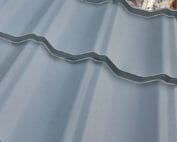
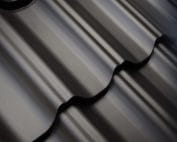
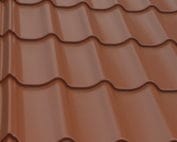
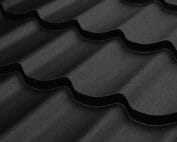
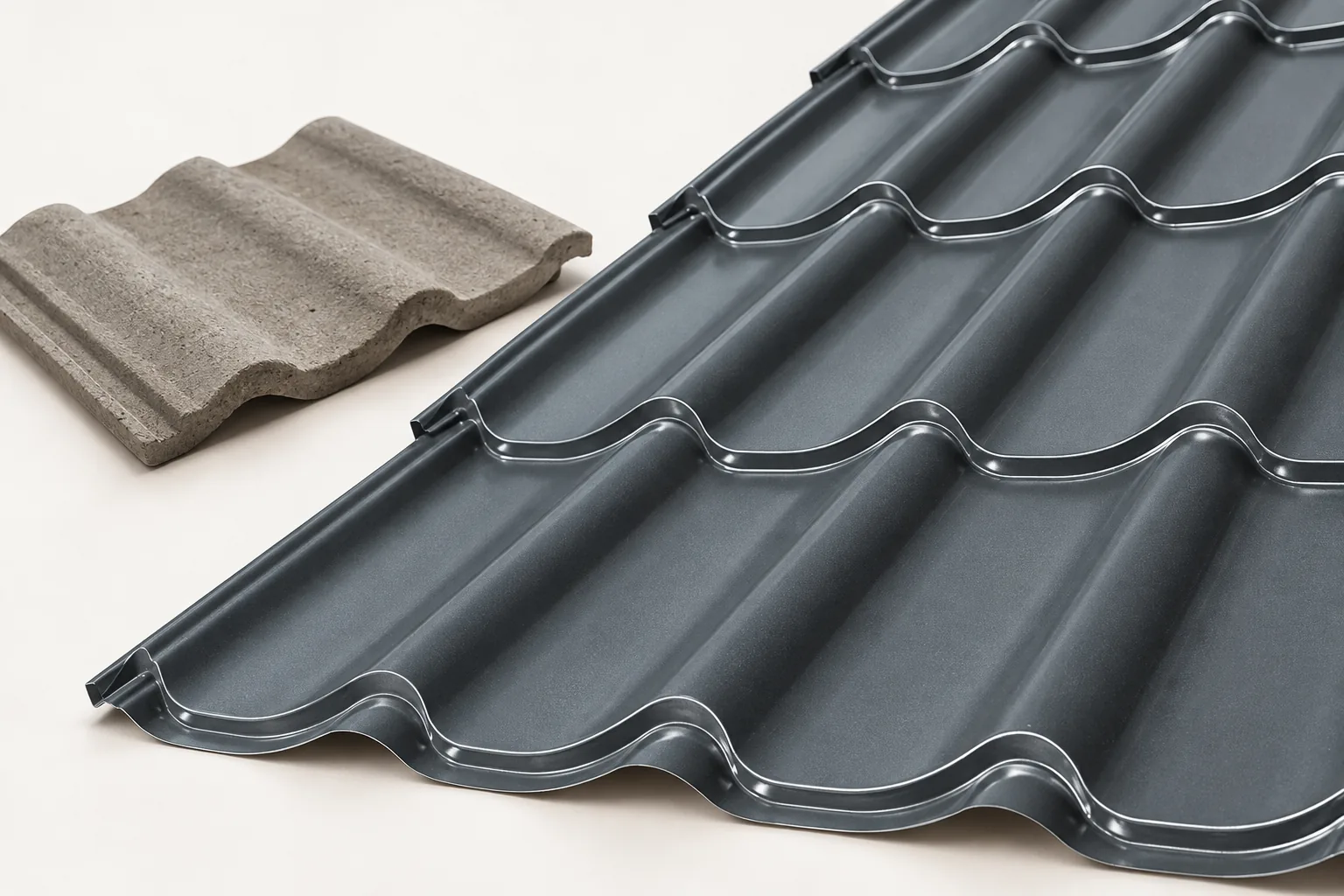
When deciding between metal roofing tiles and concrete tiles, start by assessing the structure and shape of the roof slopes, and only then compare appearance, the cost of the complete covering and ease of later repairs. The two materials differ in weight, element format and how details are finished. Metal roofing tiles are lightweight, which can be an advantage in a renovation when the truss has little load-bearing reserve. Looking at the roof is not enough – an inspection is necessary, checking cross-sections, connections and the condition of the timber. A heavier covering must be taken into account in the design of the entire load-bearing system.
How important is the weight of the covering?
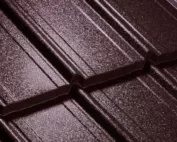
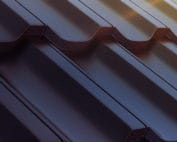
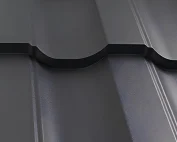
Tile-effect metal roofing is lightweight compared with concrete roofing. During renovation this can be an important advantage, especially when the existing structure has limited load-bearing reserve. However, the roof truss must not be assessed by appearance alone. An inspection is needed, checking cross-sections and connections and assessing the condition of the timber.
Heavier roofing requires the entire load-bearing system to be taken into account in the design. In turn, the low mass of steel sheet does not exempt from checking the fixings for wind action. Snow, service loads and roof geometry remain relevant regardless of the material. A change of roofing type should therefore be agreed with the designer.
Which material is easier to adapt to the shape of the roof?
On a simple roof slope, long tile-effect metal roofing sheets can ensure rapid progress of work. With many roof valleys, dormers and corners, the number of cuts increases. In such a situation it is worth also comparing modular tile-effect metal roofing. The smaller format facilitates handling and laying out the covering.
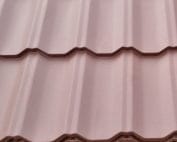
Concrete roofing tiles consist of many small elements. This allows the layout to be adjusted gradually, but also requires cutting and appropriate fixings. Waste must be calculated for the specific project. There is no single rule according to which every complicated roof will be cheaper in one of these materials.
Is every covering suitable for the same pitch?
The permissible pitch angle results from the documentation of the selected product and the layer build-up beneath it. One value cannot be attributed to all tile-effect metal roofings or all concrete roofing tiles. At a lower pitch, the importance of the substrate’s tightness and the care taken with connections increases.
When comparing offers, show the contractor the actual pitch of the roof slope. In an old roof there may be local unevenness and deflections. Water then does not run off as the angle recorded in the design assumes. The covering should be mounted on a prepared substrate and not serve to mask structural problems.

How to assess noise and comfort in the attic?
Metal sheeting can transmit the sound of rain distinctly, especially over an uninsulated space. However, comfort in a habitable loft is determined by all the roof layers. Insulation, sheathing, airtightness and the method of fixing the lining from inside all matter. Comparing two samples alone does not replicate the performance of the whole assembly.
The greater mass of concrete tiles may help to reduce some sounds, but it will not fix leaky penetrations or incorrectly executed lining. If quietness is a priority, compare whole-roof solutions. Ask for a system selection for a bedroom or study, not just a change of the top material.
What makes up the actual cost?
The price of the covering is increased by flashings, ridge tiles, fixings and roof access elements. With tiles, the cost of special pieces can be significant. With metal sheeting, the utilisation of sheets and flashings prepared for the roof must be taken into account. In both variants, an underlay and a suitable batten grid are required.
Compare two quotes prepared on the basis of the same design. Add transport, unloading and labour. For a renovation, include demolition and any necessary strengthening. The price of one square metre of material does not show which variant will be more favourable once all work is completed.
What does subsequent repair and maintenance look like?
A single tile can usually be replaced locally if access and the fixing arrangement allow it. With metal sheeting, the scope of repair depends on the size of the sheet, the position of the damage and the method of connection. A module may be more convenient to replace than a long strip. Every solution requires safe access to the roof.
Metal sheeting requires inspection of the coating and cut edges. Tiles also require inspections, removal of dirt and checking of connections. No material should be chosen on the assumption that for many years there is no need to look into the gutters, roof valleys and areas around the chimney. It is precisely the details that often determine problems.
What should be decisive in the decision?
With an existing roof structure, assessment of the structure takes priority. With a new house, greater freedom is provided by selecting the covering at the design stage. Next, check the pitch, appearance and the contractor’s capabilities. Even laying and correct details are more important than the general opinion that one material is always better.
Tile-effect metal roofing will be a good choice where low weight and efficient organisation of installation matter. Concrete tiles may suit those who value a heavier, small-format covering. In both cases, choose a specific, documented system and compare the cost of the finished roof.
7 branches. Materials closer to your project.

- SEROCK — Dzierżenin 34 E
- BŁONIE — ul. Sochaczewska 138A
- RADOM — ul. Grobickiego 8
- ŁÓDŹ — Natolin 8
- OLSZTYN — Barczewo, ul. Prosta 9
- WROCŁAW — ul. Jerzmanowska 10C
- GORZÓW WLKP. — ul. Zielona 33/34