Renovation and maintenance
Preventing corrosion on a steel roof, from unloading to the next inspection
In brief
Before commissioning cleaning or repair, establish whether the corrosion mark comes from the coating, a metal filing or a fixing. An owner can assess critical points from the ground, paying attention to gutters, the chimney, the eaves and places where leaves collect. Also check the condition of the package on delivery and how sheets are stored and cut, because corrosion can begin before installation. The type and parameters of the coatings affect durability, so leave material selection to the designer, and colour alone does not determine how the sheet will behave in a demanding environment.
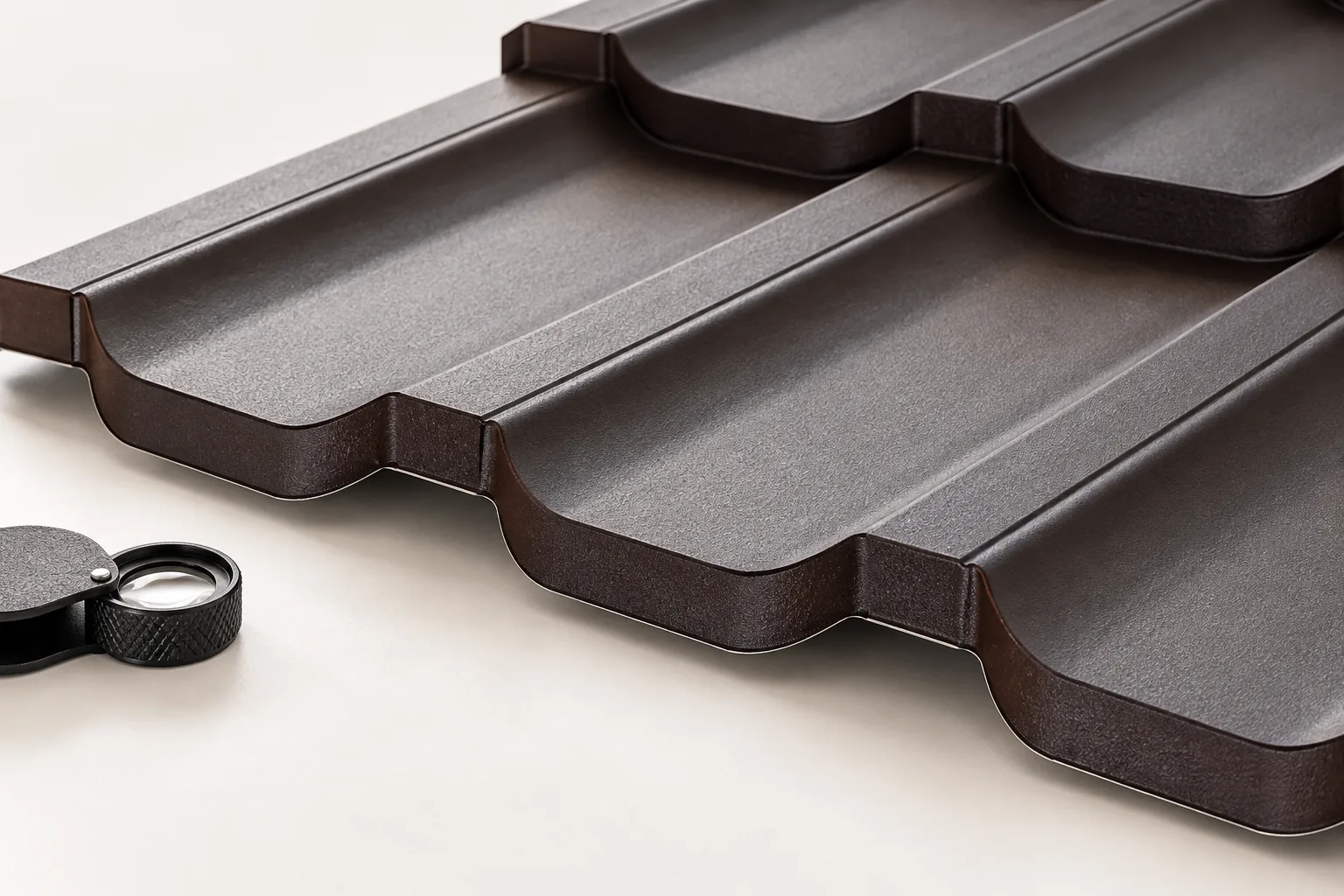
What protects the steel core of the sheet metal?
Steel roofing has several layers with different functions. The metallic coating protects the core against corrosion, while the organic layers form an additional barrier and provide the appearance. The type and parameters of both protective systems affect durability. Colour alone does not indicate how the steel sheet will perform near the sea, by a busy road or on a building with an aggressive internal environment.
The material should be selected to suit the place of use and the warranty conditions. In an outbuilding, the resistance of the underside of the roofing may also be important. It should not be assumed that the internal layer has the same properties as the coating visible from the street. Moisture, process vapours and lack of ventilation can act from below for many hours.
Why can corrosion begin before installation?
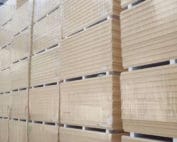
Water between tightly stacked sheets has limited opportunity to dry out. Moisture can enter the pack during transport or arise through condensation. Corrosion products then form on the metallic coatings, often visible as a light film. Factory packaging does not replace proper storage conditions for the material.
After delivery, the condition of the pack is checked and the recommendations for support, covering and ventilation are followed. Wet sheets are not left closed up in a stack. The method of separating and drying should follow the instructions. The deadline for removing the protective film must also be observed. Prolonged exposure to the sun can make it difficult to remove and leave adhesive marks.
Which installation errors damage the protections?
Cutting with an angle grinder heats the edge and throws out hot particles. It can damage the coating even beyond the cutting line. Tools approved for the given material are used for processing, usually enabling cold cutting. Swarf from drilling and cutting must be removed immediately, before it adheres to the surface or is trodden in.
Scratches also arise from dragging sheets over one another, dirty footwear and putting tools down without protection. An improperly tightened screw can deform the sheet or damage the seal. Every such place is worth inspecting at handover. Touch-up paint helps only within the scope provided by the coating supplier and does not restore arbitrarily damaged factory protection.

What should be checked during periodic inspection?
Attention is directed to roof valleys, the area around the chimney, the eaves, connections and places where leaves accumulate. Deposits retain moisture and hinder free water drainage. Flashings, screws, cut edges and zones under equipment should also be inspected. The frequency of inspections is chosen according to the surroundings and conditions of use, and an additional inspection is sensible after severe weather.
A rusty spot does not always mean corrosion of the steel core of the roofing. It may come from a metal filing, a foreign object or deposits. Before repair, the source of the mark must be identified. When the problem covers a larger area or keeps returning in the same place, an assessment of the cause is needed. Painting without removing persistent dampness usually gives only a short-lived effect.
How should a roof be cleaned without worsening its condition?
The washing method is adapted to the coating. Products and tools approved in the instructions are used, and dirt is removed without aggressive scrubbing. A hard brush or an unsuitable solvent can leave greater damage than the deposit itself. A strong jet of water directed under the overlap can also introduce moisture under correctly laid sheets.
A product for minor repairs must match the coating and the extent of the damage. An excessively large touch-up tends to become visible after ageing and should not be used to mask large defects. Work on the roof requires safe access. The owner can observe worrying spots from the ground and commission cleaning and surface repair to a properly equipped team.
When is repair needed and when is replacement of an element needed?
Minor paint damage, corrosion under the coating and perforation of the sheet are different problems. Each requires a different assessment. For a local scratch, an approved repair is possible. When corrosion has weakened the material or has developed in a hard-to-reach overlap, replacing a section may be more predictable than further coats of paint.
Before any intervention, it is worth taking photographs and checking the warranty conditions. The cause must also be removed: a leak, accumulated dirt, contact with incompatible materials or faulty ventilation. Effective anti-corrosion protection combines suitable sheet, careful installation and simple, regular maintenance. No coating relieves you of looking after water drainage and the cleanliness of the roof surface.
7 branches. Materials closer to your project.

- SEROCK — Dzierżenin 34 E
- BŁONIE — ul. Sochaczewska 138A
- RADOM — ul. Grobickiego 8
- ŁÓDŹ — Natolin 8
- OLSZTYN — Barczewo, ul. Prosta 9
- WROCŁAW — ul. Jerzmanowska 10C
- GORZÓW WLKP. — ul. Zielona 33/34