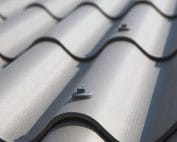
Fibre cement coverings
Corrugated fibre cement roofing after a storm: inspection and next steps
At a glance
After a windstorm, the first step is to assess the danger to people and to the interior of the building. Counting the damaged sheets can wait. Fibre cement sheets must be inspected together with their fastenings, flashings and the supporting structure. Asbestos-free fibre cement is no reason to step directly onto the roof slope, even if it looks intact from the ground. A well-organised inspection makes it possible to separate urgent securing from the actual repair and to identify the causes of the damage. From a safe position it is possible to check whether fragments of the covering, flashings or branches are lying around. It is worth paying attention to elements hanging down at the eaves and gable ends. Do not walk under a loose section or try to pull it down. Access to the endangered zone must be restricted, and the method of securing it agreed with the relevant services or the contractor.
Start with the building’s surroundings
If there is visible deformation of the structure or a risk of collapse, the situation must not be treated as an ordinary leak. Alarming signs inside are assessed only if entry is safe. A photograph taken from a distance may be useful, but it does not replace an assessment of the condition of the building.
Do not assume that no hole means no damage
Wind can loosen the fastening, damage the flashing or cause a joint to open without tearing out the entire sheet. Fibre cement sheets can also be struck by carried objects. Cracks at the holes, displacement of the laps and changes at the roof edges are therefore important. Some signs will only become visible from safely prepared access. The inspection should also cover the elements that remained in place. Not all screws should be tightened firmly on a trial basis. Doing so can increase the pressure on the sheets and make it harder to identify the original cause of the damage. The repair requires establishing the condition of the joints, not merely checking the number of sheets.
Temporary protection needs a plan
If water is getting inside, the damage must be limited without exposing people to stepping onto the damaged roof. Fibre cement sheets are not a substrate for randomly anchoring covers. The method of protection is chosen by the contractor according to the condition of the structure, the weather and access. A loosely laid tarpaulin can be torn by the next gust. The roof slope should also not be overloaded with materials used as ballast. When the composition of the old covering is unknown, there is also the need to identify the possible presence of asbestos. In such a case, no improvisation is permitted when collecting, breaking or drilling fragments. The urgency of the situation does not change the properties of the damaged material.
Document the condition before starting the repair
Dated photographs of the entire building, the individual roof slopes and the interior will be useful. It is worth marking the leak locations on a simple plan. If this can be done safely, displaced elements and visible damage should be noted. Asbestos-free fibre cement should be identified by documents or markings, not by colour alone. In the report to the contractor, it is worth stating the age of the roof and the history of earlier repairs. For the insurer, the conditions of the specific policy apply, so the required method of documenting and reporting the damage must be checked. Necessary actions to protect people should not be postponed merely to obtain perfect photographic material.
Check the cause before choosing the scope
A windstorm can reveal faults that existed beforehand, but not every instance of damage proves defective installation. Fibre cement sheets must be assessed for impact, the condition of the fastenings, the support and the loads. The location of the damage is also important, particularly at the edges and corners of the building. A recurring pattern requires a broader inspection than a single shattered sheet. It is worth establishing whether the fastening came out of the substrate or whether the sheet around it was damaged. These are different technical situations. Only once this has been identified can a decision be made on replacing parts, repairing the supports or changing the design. Reproducing the visible shape without assessing the connections may leave the same problem for the future.
Order parts matched to the existing system
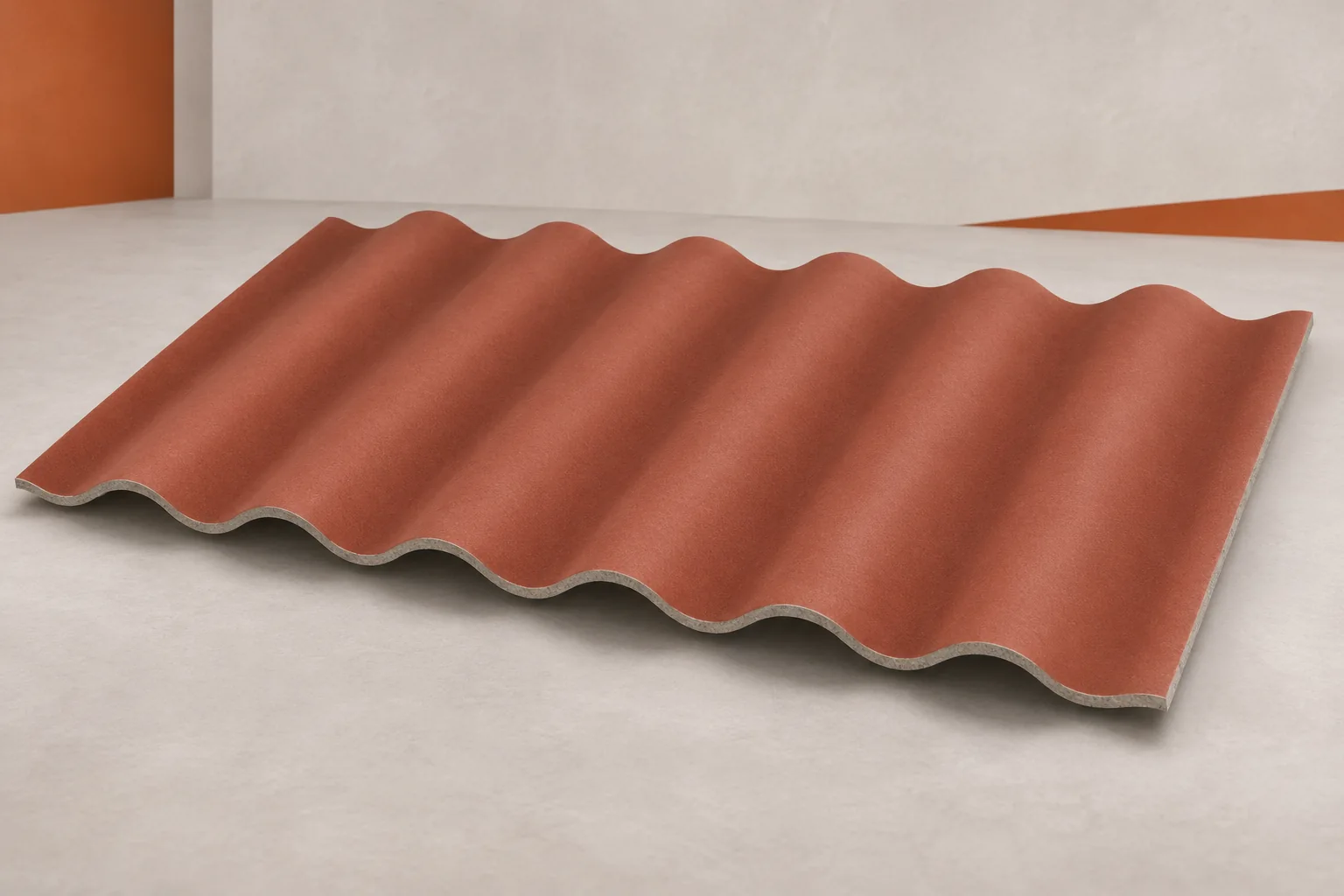
The new sheet must match the geometry and the installation conditions. Fibre cement sheets with a similar corrugation do not always have the same effective width, holes or corners. The shaped pieces and fastening sets are equally important. If there is no confirmed equivalent, a larger repair area or a new connection detail may be needed. During the inspection, the condition of the adjacent sheets that will be disturbed during the works must also be determined. The cost of access and of protecting the interior must be included from the outset. This allows offers for the same scope to be compared, instead of later adding further items to a seemingly small repair.
Accept the repair and plan the observation
After the works are completed, it is worth keeping a list of the replaced parts, photographs and a description of the cause that was eliminated. Fibre cement sheets should be accepted together with the flashings, fastenings and drainage. The check also covers the elements disturbed when arranging access. If moisture has appeared in the building, the condition of the wetted layers and their ability to dry out must be assessed. Subsequent rainfall can help in observing the result, but does not replace a proper acceptance. It is well worth establishing to whom a recurrence of the symptom should be reported and what information should then be collected. This means the repair does not end with covering the opening, but includes checking the entire damaged location.
After a windstorm, prepare safely produced documentation and information about the covering. The scope of the repair of the asbestos-free fibre cement should result from an assessment of the fastenings, the supports and the cause of the damage.
7 branches. Materials closer to your project.

- SEROCK — Dzierżenin 34 E
- BŁONIE — ul. Sochaczewska 138A
- RADOM — ul. Grobickiego 8
- ŁÓDŹ — Natolin 8
- OLSZTYN — Barczewo, ul. Prosta 9
- WROCŁAW — ul. Jerzmanowska 10C
- GORZÓW WLKP. — ul. Zielona 33/34