XPS insulation
Can old XPS boards be left in place during a roof renovation?
At a glance
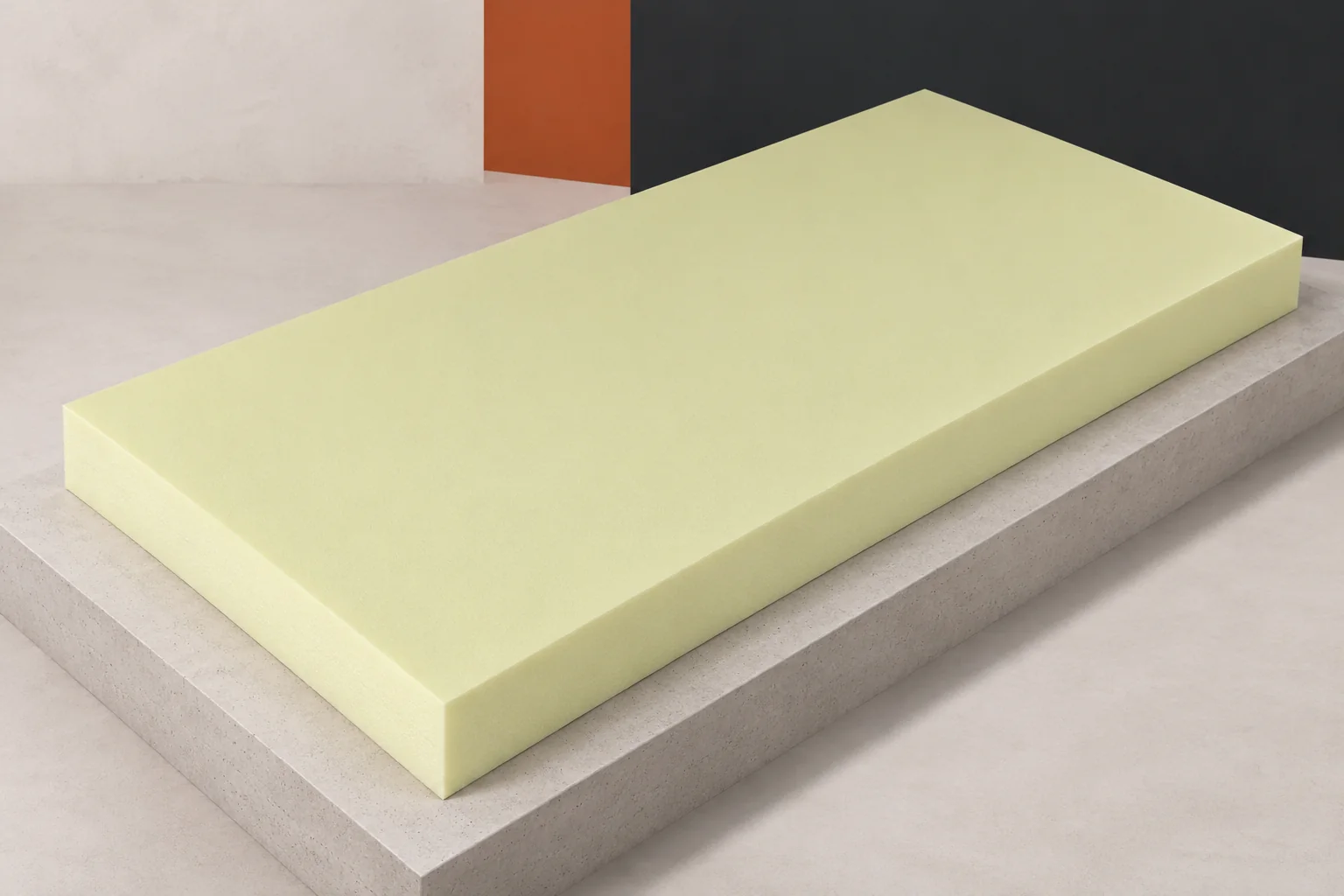
XPS uncovered during a renovation may look good despite many years in service. That encourages leaving the boards in place, but appearance alone does not confirm all properties. Extruded polystyrene should be assessed together with the waterproofing, the drainage and the planned loads. The colloquial name styrodur will not help identify the former grade. Documents, a visual inspection and, in some situations, testing are needed. A roof being renewed because of its surface is assessed differently from a system with leaks and prolonged ponding. It must be established under what conditions the XPS performed. Information about where the covering was damaged and the path taken by water may be more important than the general age of the insulation.
Start with the reason for the renovation
It is not worth making the decision after looking at a single board taken from a dry corner. Extruded polystyrene in different parts of the roof slope may have been exposed to different influences. The inspection should cover the areas around outlets, parapets, supports and places of earlier repairs.
Find the marking of the old material
Texture and colour are not a reliable method of identification. It is best to keep the as-built documentation, labels, invoices or declarations. Without them it is difficult to confirm what parameters the XPS had at the time of installation. This applies in particular to boards with a similar appearance and different mechanical classes.
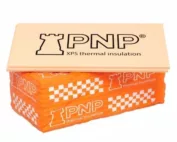
Well-known XPS manufacturers include Finnfoam, FIBRAN and PNP. This does not mean that any older board corresponds to these companies’ current range. Former products may have different properties or conditions of use. A new project should not be based solely on the current catalogue of a material that looks similar.
Check the geometry and the damage
The boards must be inspected for cracks, dents and loss of shape. The condition of the edges matters, because it affects the possibility of recreating a continuous layer. XPS damaged locally under a support may require a different decision from an element with minor surface scuffing.
Extruded polystyrene should provide support in accordance with the new arrangement. Bent boards should not be forced under a heavy surface. If the material is to be retained, the method of selection and the rejection criteria must be established. The assessment cannot be limited to dividing boards into whole and broken ones.
Moisture requires a proper assessment
The low water absorption of XPS does not justify assuming that every old board is dry. The operating conditions and the possibility of moisture penetration in the specific arrangement are important. Inspecting the surface after brief drying does not always describe the condition of the entire thickness of the material.
In case of doubt, the designer may indicate the need to take samples and carry out tests. Extruded polystyrene intended for reuse must be assessed according to the requirements of the new roof assembly. Merely storing the boards under cover for a few days is not proof that the declared thermal properties have been restored.
A new roof may place higher demands
Changing gravel to a terrace, greenery or a technical installation changes the loads. The old XPS may have been appropriate for the previous solution but may not meet the needs of the new one. Creep, support and local pressures must be checked. The required thermal insulation performance after renovation must also be determined.
Adding a layer of XPS is not neutral for moisture and drainage. The number of layers must be consistent with the chosen solution. Increasing the roof height affects thresholds and the upstands of the waterproofing. The saving resulting from retaining the boards should be assessed together with the costs of these changes.
If the assessment results allow the material to be retained, the amount of waste and the need to transport new boards can be reduced. The lightness of the elements makes them easier to sort and carry. However, these benefits should be calculated for the batch that is actually suitable for further use.
Removal and storage can destroy good material
Boards removed from the roof must be protected from dirt and edge damage. XPS should not be thrown onto sharp waste or stored near solvent-based preparations. Protection from sunlight and overheating is equally important. Conditions on a renovation site are often worse than on a finished roof.
It is worth marking the places of origin of the individual batches. This will make it easier to assess the samples and reconstruct the history. Boards of different thicknesses and undetermined grade should not be mixed without a description. XPS intended to be retained should remain accessible for inspection before reinstallation.
Separate material recovery from the system warranty
Retaining the boards does not automatically mean retaining the former warranty conditions. Responsibility for the new assembly and the scope of permitted use should be established with the parties involved in the renovation. The decision should refer to specific assessment results. If part of the material cannot be identified, it is worth separating it from the documented batch. Mixing different XPS without a record will make later inspection more difficult. Careful selection is as important as cautious dismantling, because it allows the conditions assumed in the design to be recreated.
Record the decision before closing the works
Reuse may make sense if the condition of the material and its properties correspond to the new design. It may also prove unjustified when the costs of testing, selection and adaptation are high. There is no single answer that follows solely from the age of the XPS.
In the renovation documentation it is worth stating what was retained, what was replaced and on what basis. The test results and photographs should be kept. Such a record helps later to assess the roof and prepare further work. A good decision results from identifying the actual conditions, not from the mere promise of the material’s long service life.
7 branches. Materials closer to your project.

- SEROCK — Dzierżenin 34 E
- BŁONIE — ul. Sochaczewska 138A
- RADOM — ul. Grobickiego 8
- ŁÓDŹ — Natolin 8
- OLSZTYN — Barczewo, ul. Prosta 9
- WROCŁAW — ul. Jerzmanowska 10C
- GORZÓW WLKP. — ul. Zielona 33/34