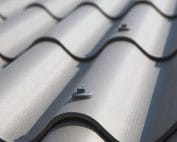
Fibre cement roof coverings
Replacing asbestos roofing: how to prepare the contractor
At a glance
Replacing a roof suspected of containing asbestos requires different preparation from a simple delivery of new sheets. First, the material must be identified and the method of carrying out the work determined. Fibre cement sheets may later form the new covering, but their selection does not resolve the question of removing the old one. Asbestos-free fibre cement means a modern product without asbestos. The similar shape of both materials does not allow the same rules of handling to be applied to them. It is worth gathering the building’s documents, photographs, information on the roof’s age and past renovations. Useful details include the area of the roof slopes, the height of the structure and a description of access. If assessments or registers relating to asbestos have already been drawn up, they should be made available.
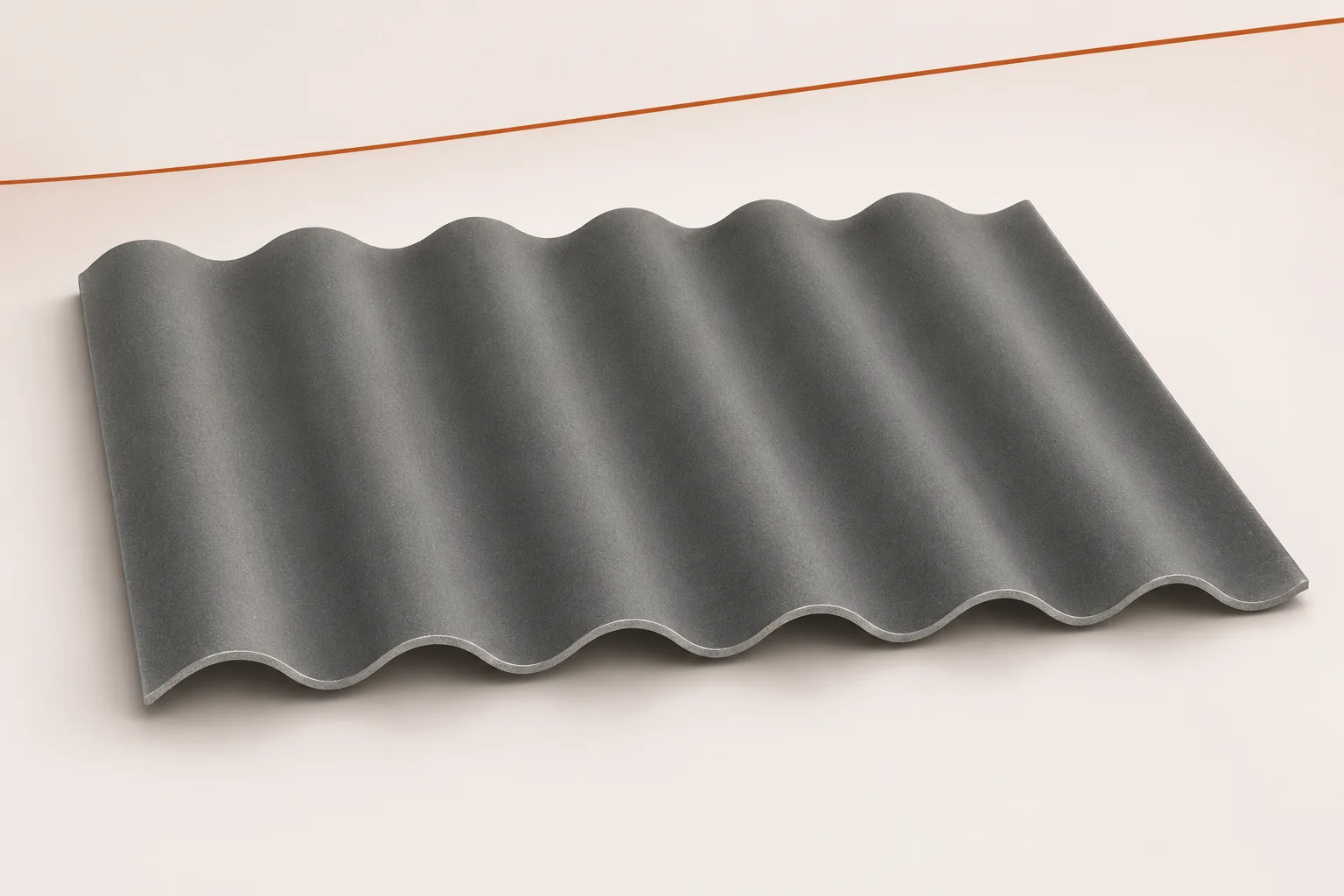
Pass on to the contractor the data you already have
There is no need to break out a sample yourself in order to fill in missing data. An uncertain material should be identified using the proper method and by a suitable person. Different parts of the roof may have come from different periods. It is therefore worth noting information about the earlier replacement of some sheets separately. This makes it easier to define the scope of the inspection and the work plan.
Establish who is responsible for the subsequent stages
Removal, securing of waste, transport and its acceptance must form a coherent plan. These activities should not be left in the contract as a general add-on to the covering. The fibre cement boards for the new roof are ordered separately from the organisation of handling the old material. It is worth establishing who is responsible for the documents and the required notifications in the given situation. The company should demonstrate its preparation for the work and explain how the job will be carried out and completed. Experience in installing modern boards alone does not confirm competence in removing asbestos-containing products. The scope should be clear even before the team’s date is set.
Prepare information about the surroundings and the users
The proximity of entrances, windows, pedestrian routes and workplaces matters. The rules for access to the building and the site during the works must be established. On an active farm or in an active plant, a plan for moving equipment and restricting traffic is also needed. Unauthorised persons should not be left in the work zone. The fibre cement boards intended for installation require a storage area separate from the waste. The contractor should know the access route width and the unloading conditions. This allows deliveries to be planned without blocking entrances and without moving material through areas that are to remain protected.
Do not impose a pace at the expense of organisation
The schedule should take into account weather conditions, preparation of the area and the proper manner of carrying out the works. The owner should not demand that the sheets be broken up for faster loading, nor personally help with random dismantling. Asbestos-free fibre cement can wait for installation when the condition of the exposed structure requires additional assessment. It is therefore worth establishing in advance the rules for responding to delay and for protecting the building. A promise to complete the entire roof within a fixed deadline without an inspection does not describe all the risks. A realistic plan leaves room for damage that comes to light and for technical decisions taken after the supports are exposed.
Check the structure before accepting the new system
The new covering may require a different spacing of supports, repairs to the timber or adjustment of the fixings. Fibre cement sheets must be selected to suit the design and the condition of the building. A similar weight or shape does not automatically confirm suitability. Provision should be made for assessing the locations of former leaks and structural connections. The quotation should specify which works are included in the scope and which can only be determined once the structure is exposed. It is good practice to agree how additional repairs will be documented. This makes it possible to avoid a situation in which the new roof is laid on a damaged substrate solely in order to keep to the original cost estimate.
Order the complete new roof covering according to the cutting plan
Fibre cement sheets should be calculated allowing for laps, cuts and special locations. The schedule should include the fixings, shaped pieces and flashings. It is not worth assuming that all the old accessories will fit the new profile. Ventilation, drainage and any thermal insulation must also be checked. A renovation is often a good moment to put these functions in order, but every change requires agreement. A new service penetration should not arise by chance after the sheets have already been laid. A ready plan helps to deliver the necessary parts in the right order and to reduce the number of interventions on a freshly completed roof.
Check financial support before signing commitments
In some places, programmes connected with the removal of asbestos are available. Their conditions, deadlines and the scope of the costs covered must be checked with the organiser. It should not be assumed that the support will also cover the new roof or works started earlier. Fibre cement sheets may be a separate item financed by the owner. It is worth agreeing the documents required for settlement and the sequence of actions before signing the contract. Information from another municipality or from the previous year does not determine the current rules. A reliable budget shows the full cost of the investment and the confirmed support, without treating funding that has not been granted as a certain payment.
Take receipt of both scopes and keep the documents
After the works, documents are needed concerning the removal of the old material and the new roof covering. It is worth checking whether they correspond to the scope actually carried out. For the new roof, the panel markings, instructions, list of accessories and the acceptance report should be retained. Photographs of the repaired structure taken before it was covered are useful. Acceptance should also include tidying the site in accordance with the agreed method of carrying out the works. The appearance of the new roof slope alone does not confirm that all stages have been properly completed. A clear, complete set of documents closes the project and makes later servicing easier without having to reconstruct the history of the old covering.
When preparing the replacement with asbestos-free fibre cement, agree separately on the removal of the old material and the execution of the new roof. The full scope, schedule and documentation help to carry out both stages efficiently.
7 branches. Materials closer to your project.

- SEROCK — Dzierżenin 34 E
- BŁONIE — ul. Sochaczewska 138A
- RADOM — ul. Grobickiego 8
- ŁÓDŹ — Natolin 8
- OLSZTYN — Barczewo, ul. Prosta 9
- WROCŁAW — ul. Jerzmanowska 10C
- GORZÓW WLKP. — ul. Zielona 33/34