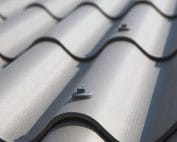
Fibre cement roofing
Replacing an asbestos-cement roof with modern fibre cement sheets: planning the work
In brief
Replacing an old roof begins with identifying what is already on the building. A similar sheet shape does not tell you whether the sheets contain asbestos or whether the structure is suitable for further use. New corrugated fibre cement sheets are a separate material choice. Asbestos-free fibre cement can preserve the corrugated character of the roof slope, but it does not remove the need to plan the dismantling, the protection of the building and the correct installation of the new system. First, gather the available documents, the renovation history and clear markings. The composition should not be identified solely by colour or by the age of the building. An old roof may contain elements from different periods. If asbestos is suspected, corners should not be broken off, drilled or samples taken independently.
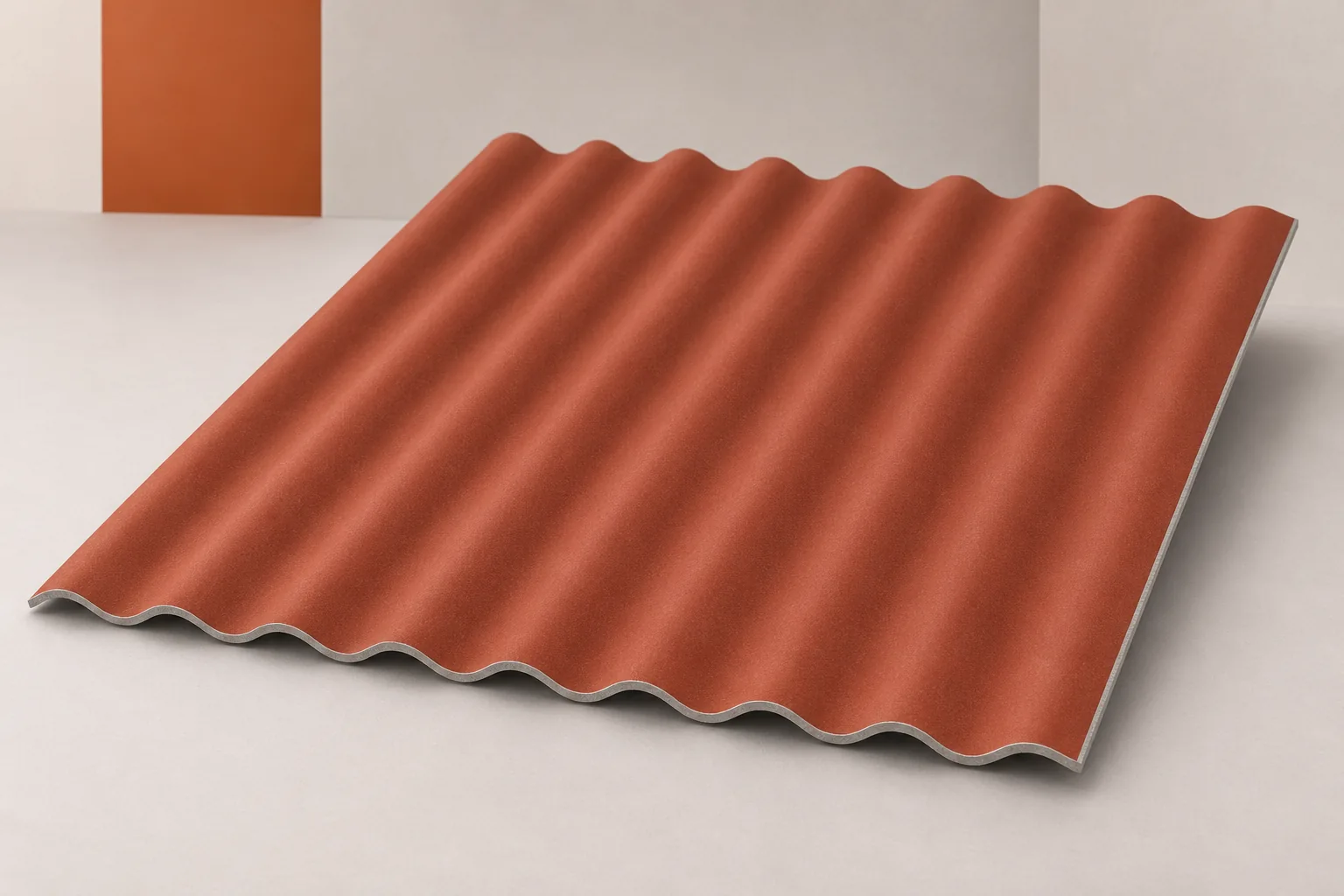
Determine the composition and condition of the existing covering
The survey and any testing are arranged with a prepared contractor or specialist. Information can also be obtained from the municipality. This stage allows the appropriate method for further works to be determined. Buying new sheets before the old covering has been clarified does not speed up a safe replacement.
Assess the structure before choosing the format
The roof slope may look even, even though weakened joints or damp timber lie beneath it. Corrugated fibre cement sheets must be matched to the structure assessed for the new conditions. The weight of the finished covering, snow, wind and the arrangement of supports all matter. Previous alterations and planned installations should also be checked. Retaining the old battens should not be an end in itself. Their spacing must suit the chosen system, and their condition must allow correct fixing. Assessing the structure helps determine whether a minor adjustment or a larger scope of repair is needed.
Separate the costs of removal and roof installation
A reliable quote shows the dismantling, handling of the old material, structural repairs and the new covering. Corrugated fibre cement sheets are only part of the order. Fixings, shaped components, flashings, transport and safe access are additional. If you are considering financial support, check the current rules of the local programme. It should not be assumed that every municipality runs a call for applications or that the assistance covers the purchase of a new roof. It is worth establishing these conditions before signing the contract. Separating the costs makes it easier to compare quotes covering genuinely the same scope of works.
Plan the period when the building will be exposed
Weather, crew availability and delivery dates should form a single schedule. The method of protecting the interior and the possibility of interrupting the works must be defined. Asbestos-free fibre cement should not wait on the roof if the substructure has not yet been prepared. Dismantling should also not get ahead of organising the proper disposal of the old material. Where a warehouse or farm is in operation, exclusion zones are needed. It is worth establishing who is responsible for the safeguards at the end of the day. An unclear division of responsibility is sometimes the source of damage greater than the price difference between two covering quotes.
Choose the new system for the entire roof slope
Corrugated fibre cement sheets must be laid out with laps and edge details. The working length and width may differ from the old product. A similar corrugation does not guarantee that accessories are interchangeable. The plan should include the eaves, ridge, gables, chimneys and penetrations. It must also be established whether the building remains unheated or whether its later conversion is planned. New requirements may mean different layers beneath the covering. Adapting the roof to its future function is more sensible than a quick replacement of the sheets, after which the entire roof slope has to be opened up again.
Order the complete set before starting the main works
The absence of a single type of flashing can hold up the completion of the roof edge even when all the sheets have been delivered. It is worth ordering corrugated fibre cement sheets together with an agreed list of accessories and a delivery date. The variant of holes, corners and the direction of laying should be checked. On arrival, the material requires proper storage on a dry, level base and in accordance with the instructions. The transport film does not replace protection for storage of any length. The schedule should limit storage time and the number of transhipments. This helps preserve the condition of the surface and edges before installation.
Also accept the components that will be covered up
Before covering, the structure, spacing and evenness of the supports are checked. During laying, it is worth documenting the corners, openings and flashings. Corrugated fibre cement sheets should not be forced to fit an uneven substrate. Acceptance of the finished roof covers fixings, laps, ventilation and water drainage. Assessing the colour from the yard is not enough. Safe access for inspection must be planned in advance, because the sheets must not be walked on directly. Agreed checkpoints make communication with the contractor easier and reduce disputes over which works were actually carried out.
Keep documentation of the entire replacement
Documents concerning the old material, the new delivery, the works carried out and the acceptance will be useful. It is worth keeping the markings of the sheets and fixings, as well as photographs of details. In a few years’ time, the colour name alone will not be enough to order a matching element. Documentation also helps when changing the building’s function or adding installations. If a leak occurs, it allows the hidden layout to be checked without reconstructing it from guesswork. The new roof should receive a plan for periodic inspection. Durability depends not only on the material but also on keeping drainage clear and connections in correct condition.
When planning asbestos-free fibre cement to replace an old roof, start by surveying the covering and the structure. On this basis, the full scope of replacement and the order can be prepared.
7 branches. Materials closer to your project.

- SEROCK — Dzierżenin 34 E
- BŁONIE — ul. Sochaczewska 138A
- RADOM — ul. Grobickiego 8
- ŁÓDŹ — Natolin 8
- OLSZTYN — Barczewo, ul. Prosta 9
- WROCŁAW — ul. Jerzmanowska 10C
- GORZÓW WLKP. — ul. Zielona 33/34