Roof and energy
Can an integrated photovoltaic roof be maintenance-free?
In brief
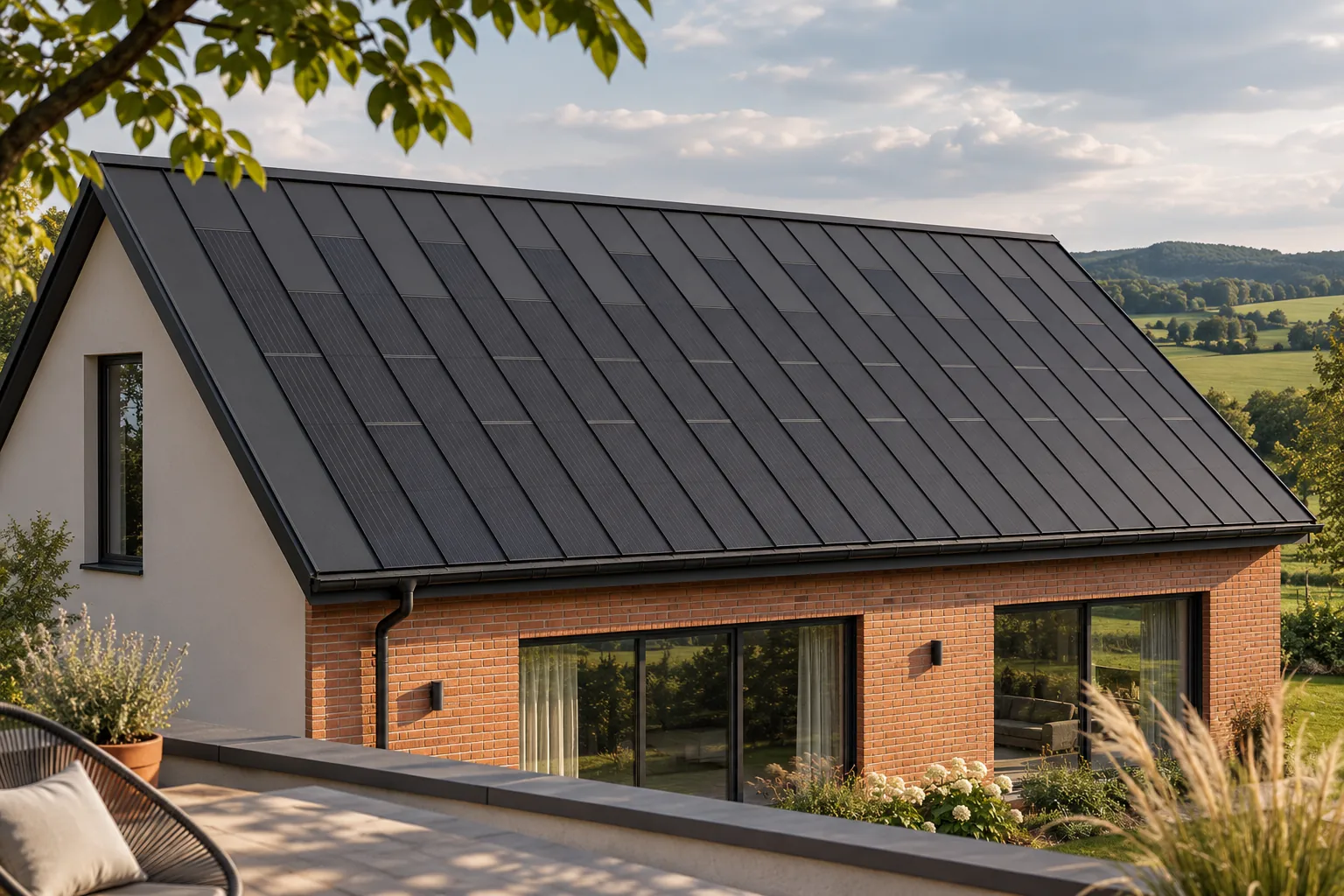
A photovoltaic roof can operate automatically for most of the time, but it does not relieve the owner of observation and planned maintenance. Both the covering and the electrical installation need care. This does not mean constantly going onto the roof or frequent washing. A sensible plan is based on instructions, environmental conditions and specific signals. This makes servicing predictable instead of appearing only when there is a leak or a fault. After proper commissioning, the inverter and other devices control the normal operation of the installation. The owner does not have to switch on production every morning or adjust connections to the weather. Monitoring can automatically record data and signal certain events.
What can work without the owner’s involvement?
However, the range of functions depends on the selected set and its configuration.
Automation will not assess all flashings, the free flow of gutters or the condition of areas hidden beneath the covering. Nor will it replace acceptance after the works have been carried out. The advantage of a system roof is the ability to establish a single maintenance plan for both functions. It is worth using this at the point of purchase, rather than treating electrical work and roofing as independent worlds.
Which checks can be carried out without going onto the roof?
From a safe position, visible damage, unusual soiling and displaced components can be observed. In the home, it is worth paying attention to signs of moisture and device messages. A regular look at the production chart helps to spot a longer interruption. However, a diagnosis should not be drawn from a single cloudy day.
It is useful to record the dates of important events. Strong wind, hail, chimney work or renovation of the soffit may be relevant to a later assessment. Such a simple log facilitates conversation with the service provider. It requires no specialist knowledge, yet it helps avoid a situation in which no one remembers when a change appeared.
When is a professional inspection needed?
The scope and timing of maintenance should follow from the documentation and the conditions of use. Additional inspection may be needed after damage, an unusual alarm or work on the roof. There is no single schedule to suit every installation. A building under trees will have different needs from one in open terrain.
The inspection should cover clearly described tasks. Merely looking at the app is not an inspection of the entire roof. Depending on the situation, an assessment of the mountings, flashings, cables and electrical parameters will be required. The report should state the results and further actions, rather than being limited to a general statement that everything looks good.
The instructions for one of the steel systems recommend a full inspection of the installation once a year. Regular visual checks are also provided for, along with an additional inspection after an intense storm, gale or hail. This is a recommendation for a specific solution and must be read together with the remaining documentation.
Does rain replace cleaning?
Rainfall can remove some dirt, but it does not guarantee a clean surface in all conditions. Dust, leaves and local deposits behave differently. The decision to clean should follow observation and the product instructions. Cleaning too often or incorrectly can be an unnecessary cost and a source of damage.
Do not use random agents, sharp tools or methods intended for a different covering. The active surface and the steel coating may have specific requirements. It is worth first establishing the cause of the soiling and checking whether it affects operation or water drainage. Only then choose a safe method and access to the location.
Why does service access need to be planned in advance?
Repair is easier when the design provides an access route and a method of dismantling. In an integrated roof, the active element also serves as the covering, so work requires protecting the building. Lack of access can increase the cost of even a minor fault. That is a good reason to ask about servicing before choosing the layout of the arrays.
Also ask about parts availability and as-built documentation. Component markings, photos of connections and a circuit map help avoid unnecessary stripping of the roof slope. Systematic planning allows aesthetics to be combined with maintenance. A roof without protruding panels should still have a well-thought-out way of safe upkeep.
How can maintenance be limited to the necessary tasks?
The practical goal is a small, predictable need for maintenance. That means a clear schedule, readable alarms and accessible service. It does not mean the absence of any inspections for decades. In the contract it is worth specifying which tasks belong to the owner, which to the contractor and what document is produced after the inspection.
A well-designed photovoltaic roof can operate for a long time without daily attention. Its advantages are easier to preserve when minor irregularities are noticed early. Automatic energy production and reasonable care of the building are not mutually exclusive. This is the normal way of using an installation that is also part of the roof.
Participants in the photovoltaic roof market include Nelskamp, Dyaqua, MDM NT (MyRoof), Wienerberger Wevolt, Electrotile, SunRoof, ML System, SolRoof, Megasol Energie and LUMA Solar.
7 branches. Materials closer to your project.

- SEROCK — Dzierżenin 34 E
- BŁONIE — ul. Sochaczewska 138A
- RADOM — ul. Grobickiego 8
- ŁÓDŹ — Natolin 8
- OLSZTYN — Barczewo, ul. Prosta 9
- WROCŁAW — ul. Jerzmanowska 10C
- GORZÓW WLKP. — ul. Zielona 33/34