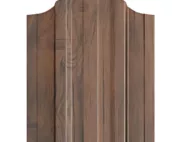
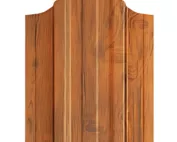
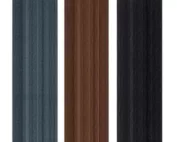
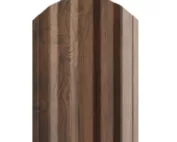
Metal fence pickets and fences
Unevenness or a defect? How to assess the appearance of metal fence pickets
In brief
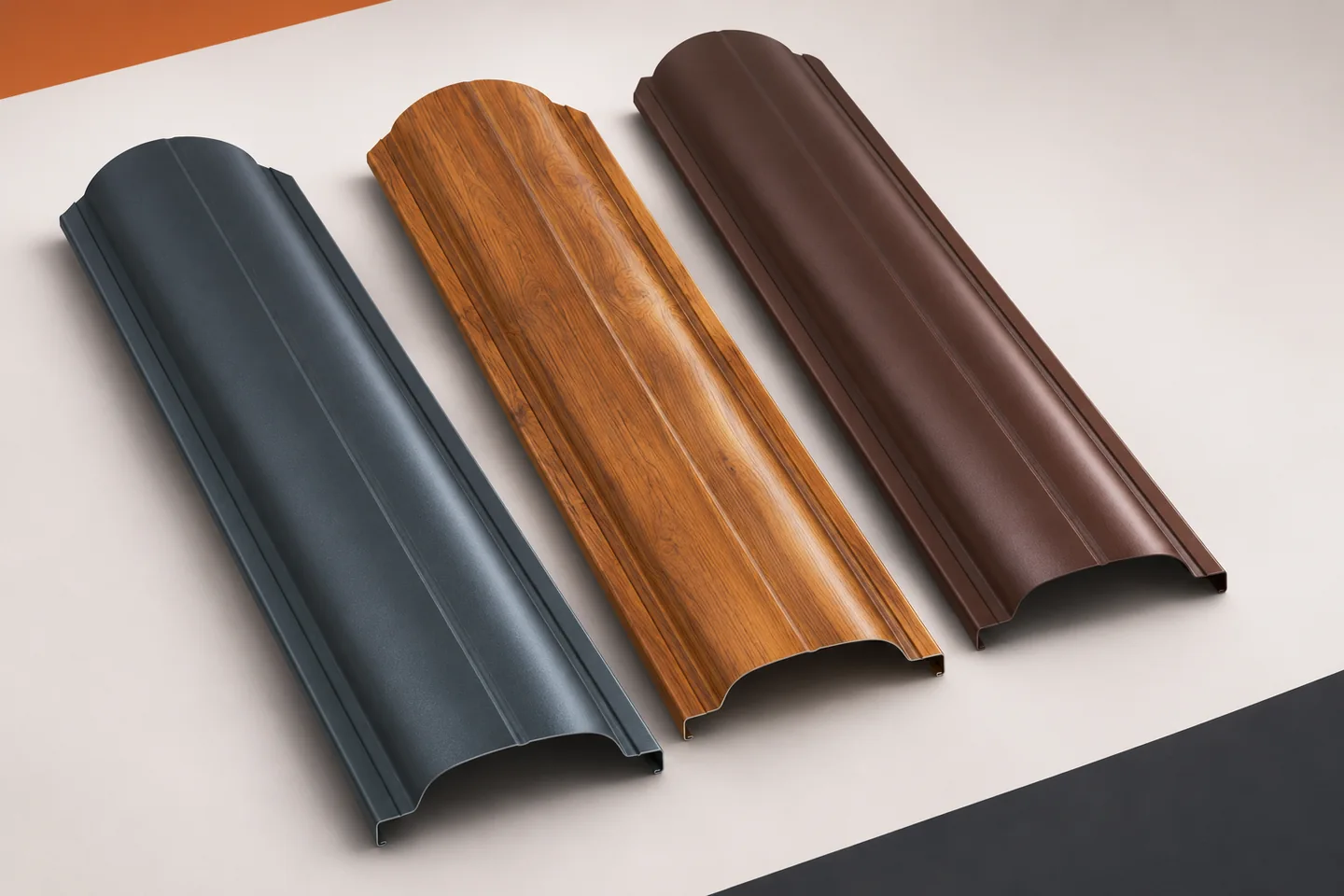
Profiled sheet metal does not look identical in every light. The embossings create reflections, and the colour changes perception depending on the viewing angle. At the same time, actual dents or coating damage must be noticed before installation. Assessing metal fence pickets therefore requires calmly separating optical impressions from the condition of the product. Not every visible difference is a defect, but none should be dismissed out of hand. The basis for assessment is the specification. It should define the profile, length, finish, colour and type of end. Without this data it is difficult to determine whether the delivery is compliant. Similar pickets may have a different groove pattern or a different rear. They should not be compared with a random photo of another variant.
First establish what was ordered
Keeping the approved sample and drawing helps. If the product has changed since the quote, an explanation from the supplier is needed. The assessment should not rely solely on memory of the colour. The sample shows the expected finish, and the documents indicate the parameters and the agreed acceptance criteria.
Light emphasises every change of plane
A narrow reflection on an embossing can look like a bright scratch. When the viewing angle changes, it may become invisible or shift with the light. This is a natural consequence of the surface geometry. That is why sheet metal pickets are worth examining in even light and from several directions before every contrast is deemed damage.
A genuine trace of coating damage requires a separate assessment. It may remain in the same place regardless of lighting. Do not check it by scrubbing or scraping, however. Take a photo with context and a close-up. If in doubt, it is better to agree on an inspection method than to deepen a possible defect yourself.
A long thin picket needs proper support
An element placed on an uneven surface may appear bent. This is not an appropriate way to check geometry. The test should be carried out without forcing the shape and with support suited to the product being examined. The picket must not be pressed down with random weights to hide a deviation.
There is no single tolerance that can be attributed to all profiles and lengths. It is worth asking for the manufacturer’s criteria for the specific model. If the documentation does not explain them, agree the assessment method with the supplier. The statement ‘it’s only sheet metal’ should not replace a specific explanation of the problem.
A bend and a dent are not a play of reflections
A sharp mark from bending, local flattening of the profile or a torn edge must be reported. These may occur during transport, unloading or improper storage. Such an element should not be installed merely to check whether the damage stops being visible. Fastening is not a method for straightening every picket.
Attempting to restore the shape by hand may damage the coating in the bend area. It is worth first establishing whether the component is suitable for use. Separate it from the others and describe the origin of the pack. This way, the later assessment does not mix delivery damage with any marks created during work.

The same colour code does not describe the entire surface
Gloss and texture change the way light is reflected. Therefore, two metal fence pickets with a similar colour designation may look different if they have a different finish. The assessment is also affected by the exposure of old and new material. The comparison should be made with the same arrangement of components and the same lighting.
For a large delivery, it is worth checking consistency before dividing the packs between fence sections. Labels and batch markings help to trace the origin of the material. This does not mean that every difference is acceptable. It does, however, allow the problem to be described more precisely and related to the variant actually ordered.
End treatment should match the system
Metal fence pickets may have a straight, rounded or matching cap end. Each of these variants gives a different appearance to the edge. One should not expect the shape of one solution in a product made to a different drawing. The end type should be stated in the order specification.
However, burrs, tears or traces of processing contrary to the instructions must be clarified. Also inspect the places that will be partly covered after installation. It is easier to assess the product before it is fixed to the frame. Checking only the front, without the ends and the back, leaves a significant part of the picket out of the inspection.
Describe the condition instead of passing a hasty judgement
A good report includes the delivery number, the number of components and photos. Indicate where the difference is located and under what conditions it was noticed. It is not enough to state that the whole pack looks bad. A factual description helps to separate a product discrepancy, an optical effect and mechanical damage.
Metal fence pickets give the fence a repeatable rhythm, so minor differences may be noticeable in a row. It is worth checking them before installing the whole batch. An agreed sample, proper inspection and documentation allow a calm decision to be made. They protect both against accepting a real problem and against unnecessarily rejecting correct material.
7 branches. Materials closer to your project.

- SEROCK — Dzierżenin 34 E
- BŁONIE — ul. Sochaczewska 138A
- RADOM — ul. Grobickiego 8
- ŁÓDŹ — Natolin 8
- OLSZTYN — Barczewo, ul. Prosta 9
- WROCŁAW — ul. Jerzmanowska 10C
- GORZÓW WLKP. — ul. Zielona 33/34