Insulation and energy
How does a metal roof affect a building’s energy use?
In brief
How a metal roof affects energy use depends mainly on the layer build-up, not the covering alone. The metal protects against precipitation and drains water, but it is too thin to act as typical thermal insulation. When assessing it, check the insulation thickness and lambda, the continuity of the layer at rafters, wall junctions and opening flashings, and the airtightness of the assembly. In summer, solar gain, windows and ventilation also matter. A more expensive coating will not reduce losses if the space beneath the metal remains uninsulated.
Does thin metal sheet retain heat?
The metal layer is too thin to act as typical thermal insulation. Its role is to provide cover and drain water. If there is an uninsulated space beneath the steel sheet, choosing a more expensive coating alone will not significantly reduce losses through the roof slope. A suitable layer build-up is needed.
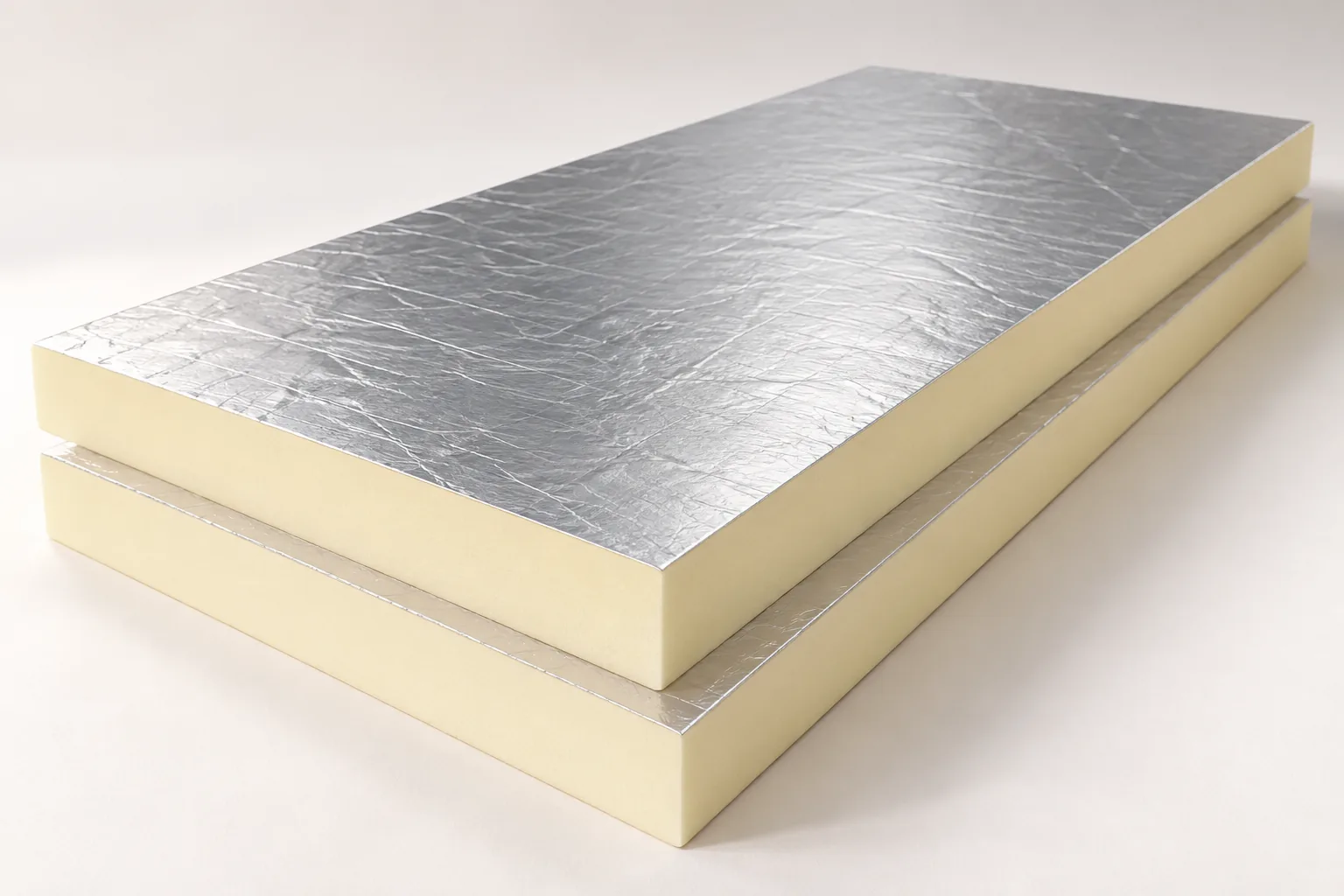
The difference between covering and insulation should be clear in the quote as well. Steel sheet with anti-condensation fleece does not thereby become an insulated roof. The fleece serves a different function and needs to dry out. It should not be attributed the properties of PIR insulation board or another insulating material.
What really reduces losses in winter?
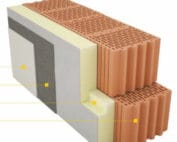
The thickness and lambda of the insulation matter, but so does the continuity of the layer. Rafters, junctions with walls and penetrations for openings create points that must be taken into account in the calculations. The resistance of the material alone is not the thermal transmittance of the whole roof.
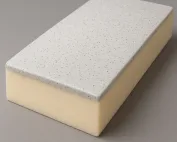
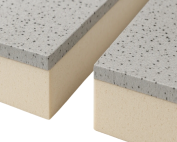
PIR boards can help achieve good resistance with a smaller thickness. In an above-rafter system they allow the insulation to run over the timber structure. However, this requires suitable fixings and details. The benefit of the material will be limited if an uninsulated gap remains at the eaves.
Why can leakage weaken the effect of insulation?
Air flow through incidental gaps carries heat and moisture. A continuous airtight layer should therefore be provided on the side specified in the design. Its junctions at walls, windows and services are just as important as the large surfaces.
It is not about sealing off the building’s entire ventilation. Controlled air exchange serves a different function than leakage through the roof. The airtight envelope should work together with an efficient room ventilation system. Only then can losses be reduced and proper indoor conditions maintained at the same time.

How does the colour of the covering affect summer?
Dark surfaces can heat up more strongly in the sun than light ones, but the room temperature does not depend on colour alone. The entire layer build-up, the airflow beneath the covering and the solar gain through windows all matter. It is not possible to promise a specific energy saving on the basis of the sheet colour alone.
If overheating of the attic is the problem, check the glazing shading and the ventilation method. Changing the colour alone may be insufficient. It is worth assessing several measures together, particularly during a renovation. Well-chosen insulation helps, but it does not block sunlight entering directly through the window.
When does a sandwich panel simplify the solution?
In a hall or heated garage, a roof sandwich panel combines the covering and the insulation. It can reduce the number of separately installed layers. However, the parameters of the specific product must be selected and the joints must be made airtight. The connections at the supports and flashings affect the final thermal result.
A panel should not be selected on the basis of core thickness alone. The lambda values, facings and joint solutions differ. Fire and moisture requirements also remain important. The best thermal insulation does not justify using a product unsuitable for the conditions of the building.
Does photovoltaics change the roof assessment?
The installation can generate energy, but it does not replace the insulation of the building envelope. These are different ways of influencing the building’s balance. Before installation, the load-bearing capacity, the fixing method and the airtightness of the penetrations are checked. It is also worth providing service access and drainage of water from the roof slope.
When a roof replacement is planned, it is good to resolve the fixings in advance. Later accidental drilling can worsen the condition of the new covering. If the structure or the layers require renovation, it is worth assessing their condition before part of the surface is covered with panels. This will make later maintenance easier.
How to choose the measures that make the most sense?
Start with a diagnosis of the losses and the condition of the roof. Sometimes sealing the joints or improving the insulation at the wall plate will be more important than changing the material. In another building, renovation of the entire building envelope is needed. The scope should result from a technical assessment, not from a single universal recipe.
When comparing variants, take into account the cost, comfort and feasibility of the details. A metal roof can work well with an energy-efficient building. The condition is correct design of the layers that actually govern the flow of heat and moisture.
7 branches. Materials closer to your project.

- SEROCK — Dzierżenin 34 E
- BŁONIE — ul. Sochaczewska 138A
- RADOM — ul. Grobickiego 8
- ŁÓDŹ — Natolin 8
- OLSZTYN — Barczewo, ul. Prosta 9
- WROCŁAW — ul. Jerzmanowska 10C
- GORZÓW WLKP. — ul. Zielona 33/34