Fences
Metal picket fencing: what sets it apart and when to use it
In brief
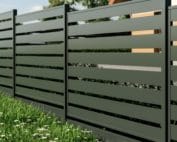
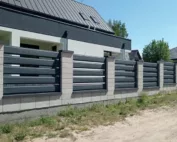
A metal picket fence is made of individual profiled pieces fixed to rails. This arrangement lets you control visibility and match the look to the property, unlike a solid sheet panel. When choosing, consider privacy, wind exposure, coating and the supporting structure. The picket shape alone is not enough: pickets are the bay infill, while loads go to the rails, posts and their fixing in the ground. The parts work together, so do not design them separately. A denser infill can alter how existing posts perform.
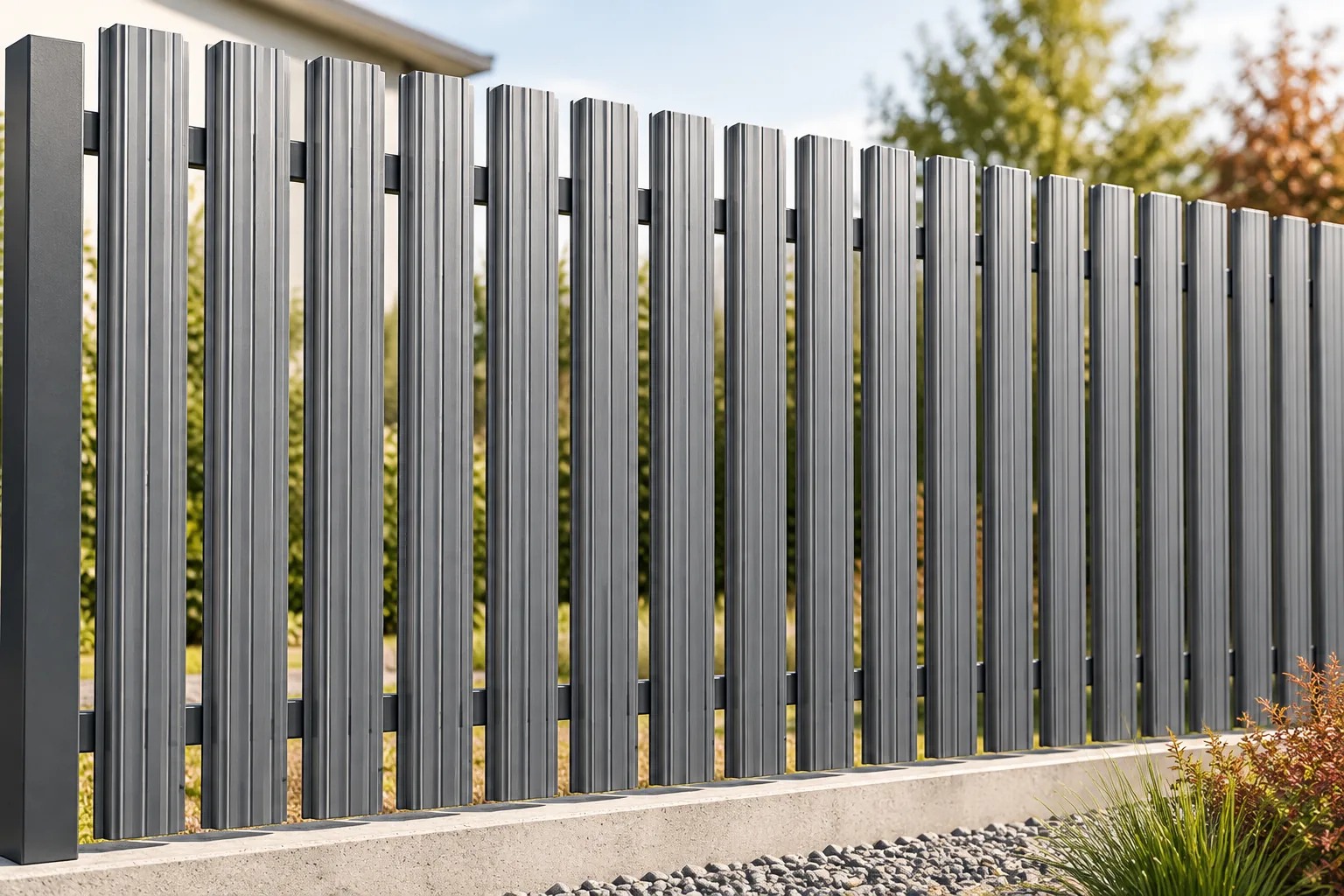
How is such a fence constructed?
The pickets are the infill of the bay. Loads are taken by the rails, posts and their fixing into the ground. The individual elements work together, so they should not be designed separately. Replacing a light, open infill with a very dense one can change the loads acting on the existing posts.
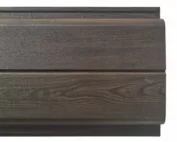
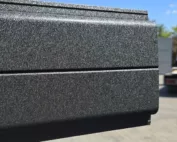
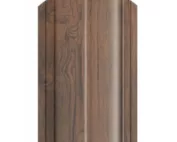
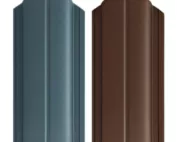
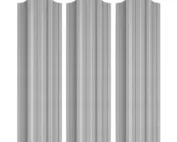
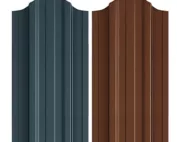
Profiling stiffens the thin sheet and gives it its appearance. Different pickets have different widths, depths and end finishes. An example dimension of one model is not the standard for the whole category. The order should include the actual profile, length and the finish of both sides.
How does a picket differ from a solid panel?
Gaps of a planned width remain between the pickets. Thanks to them the fence can look lighter and allow partial contact with the surroundings. A full sheet panel gives greater screening but acts differently on the wind and visually closes the property more strongly. The choice depends on the needs of a specific part of the plot.
A double-sided arrangement of pickets limits visibility through the gaps. It does not always eliminate it from every angle. It is worth checking a sample bay from the perspective of a passer-by and a person sitting in the garden. This is more reliable than a photo taken exactly head-on.
How to determine the spacings and number of elements?
The preliminary calculation is based on the picket width and the planned gap. The elements must then be distributed over the actual clear width of the bay, taking into account the edge spacings. Dividing the entire fence length by one module does not take account of the posts, gate and pedestrian gate.
Draw each non-standard bay. Sometimes a small adjustment of the spacings allows symmetry to be maintained without a narrow cut piece. For a double-sided arrangement, calculate both sides separately. The cost estimate should make clear whether the stated number refers to one row of pickets or the complete infill.
When is double-sided finishing needed?
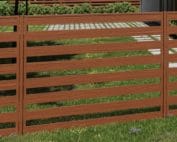
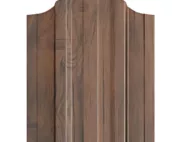
If the fence is viewed from the street and the garden, the appearance of both surfaces matters. A single-sided decorative coating may leave a different finish on the inside. This need not be a technical defect, but it may not meet the client’s expectations. Establish this before ordering, especially with wood-effect finishes.
Two painted sides do not automatically mean two rows of pickets. These are separate features. The first describes the surface of the material, the second the method of installation. It is worth recording both pieces of information in the offer to avoid misunderstandings when comparing the price of a bay.

How to match the structure to wind and terrain?
The more exposed the surface, the more attention must be paid to wind exposure. The height of the fence, the length of the bays and the location all matter. In open terrain, it is not worth basing the design on experience with a low fence standing between buildings.
On a sloping plot, the way the top line is run and the bottom clearance are determined. A stepped arrangement gives a different impression than a smooth adaptation to the terrain. Each variant requires appropriate connections. Shortening the pickets alone will not solve the difference in post levels or the problem of an uneven foundation.
How to avoid damage during installation?
Pickets should be laid on clean supports and protected from sliding over sharp edges. Tools suitable for coated sheet metal should be used for cutting. Swarf should be removed promptly. If left on the surface, it can rust and create marks that look like a defect in the material itself.
The fastening should be secure but must not crush the profile. The choice of screw depends on the rail and external conditions. It is worth using spacers that maintain an even gap over the full height. This avoids having to correct the alignment later by drilling again next to existing holes.
Who will find this a practical choice?
Pickets will work where a screen is needed with adjustable transparency and without frequent renovation of wood. They also allow a single damaged element to be easily replaced. However, visible fastenings must be accepted or a system chosen that organises them appropriately.
Before buying, compare the cost of a ready-made bay with a full panel and other variants. Include rails, posts, foundations and installation. The best result comes from a fence matched to how the property is used. A popular profile need not be the right choice if it does not provide the required privacy.
7 branches. Materials closer to your project.

- SEROCK — Dzierżenin 34 E
- BŁONIE — ul. Sochaczewska 138A
- RADOM — ul. Grobickiego 8
- ŁÓDŹ — Natolin 8
- OLSZTYN — Barczewo, ul. Prosta 9
- WROCŁAW — ul. Jerzmanowska 10C
- GORZÓW WLKP. — ul. Zielona 33/34