Repair and maintenance
Inspecting a metal roof after the winter months
In brief
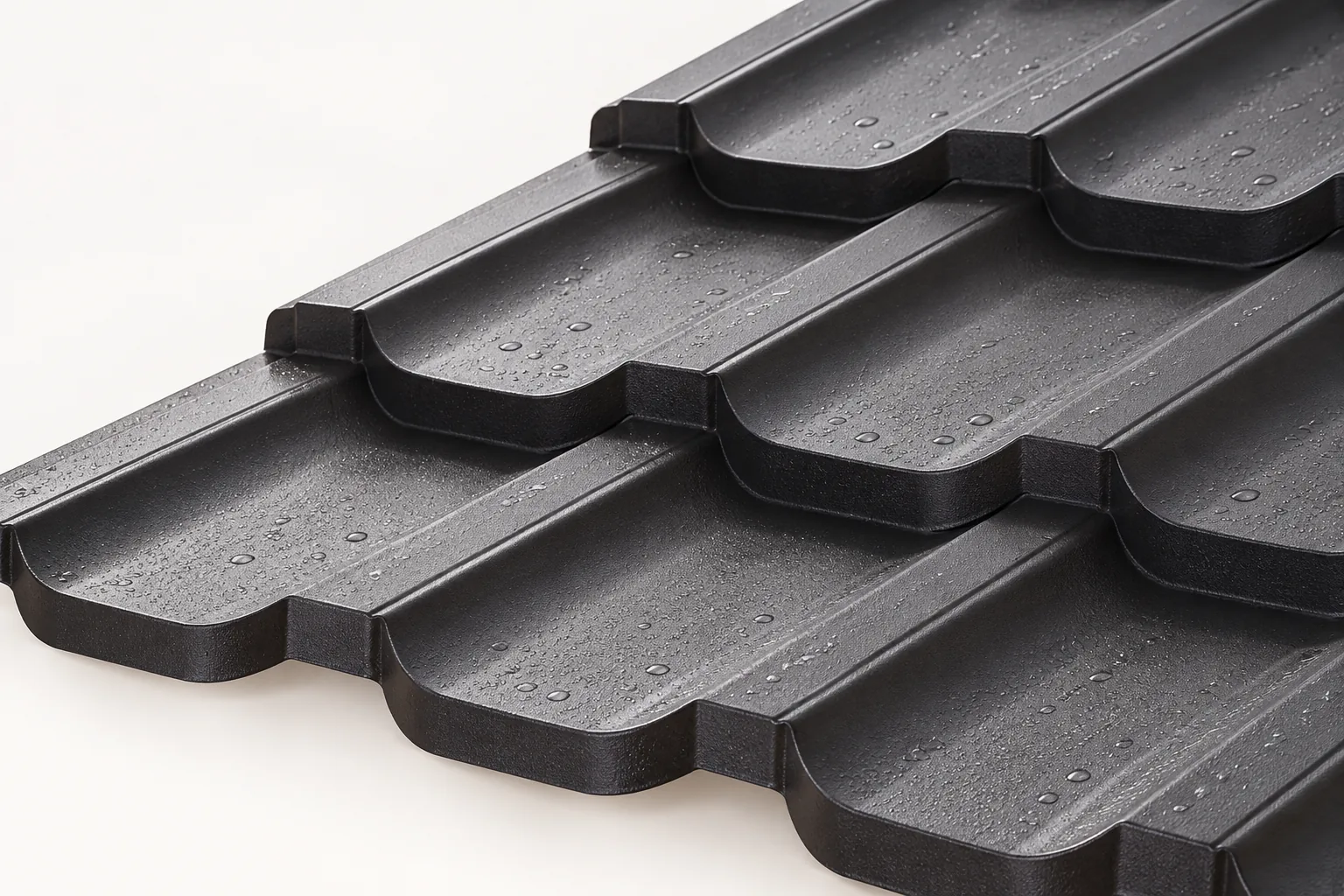
After winter, the key task on a metal roof is to establish whether there are signs of moisture and where they originate, rather than immediately tightening every screw. Assess the covering, flashings, gutters and equipment fixings from several sides in good light, using earlier photographs. Check for new stains in the attic, loose flashings, bent gutters and places where water changes direction. Note whether damp appears after rain, thaw or a frosty night — this helps diagnosis.
Where to start without going onto the roof?
Inspect the building form from several sides in good light. Look for protruding flashings, bent gutters and elements whose position has changed after winter. Photographs taken earlier from the same locations are helpful. Pay attention to traces of water staining under the eaves and on the façade near the downpipes.
In the attic, check for new stains, a smell of damp and the condition of accessible parts of the structure. Not every drop means a hole in the steel sheet. The cause may be condensation, a leak in the layers or the flashings. Note the location and circumstances in which the water occurs. Information on whether it appears after rain, during thaw or on a frosty night helps with diagnosis.
Which flashings require particular attention?
The roof valleys, chimney, wall connections and the edges of the roof slopes require checking. In these places water changes direction and snow may remain longer. Ice and accumulated dirt impede drainage. The roofer should assess the laps, seals and stability of the elements, not only their appearance from above.
The ridge and eaves are also part of the ventilation system. Blocked openings can restrict the removal of moisture from beneath the covering. Not every visible gap should be sealed with foam. First, its function in the design must be established. A seal that looks good may impair the roof’s performance if it cuts off the required airflow.
How to assess the sheets and fixings?
On the surface, look for scratches, dents, corrosion spots and displaced connections. It is worth checking the areas under branches and next to installed equipment. A small rusty trace may come from a metal filing left after earlier work. It should not immediately be regarded as corrosion of the entire steel core.
The screws are assessed together with the seal and the sheet surface. Tightening all fasteners without diagnosis may crush the seals or increase the deformations. A defective point is repaired in accordance with the system requirements. If the problem recurs in many places, the cause must be checked, not only its visible symptom removed.

What to check in the gutters and snow guards?
After the thaw, the gutters may contain leaves, sediment and small fragments of dirt. The flow capacity and the alignment of the brackets must be assessed. Traces of overflow despite a clear outlet may indicate an incorrect fall, deformation or incorrect selection of the system. The areas around the outlets and corners require particular attention.
Snow guards, snow breakers and their brackets carry loads, so the condition of their fixings must be checked. The same applies to chimney steps and platforms. A loosened element should not continue to be used without assessment. Roof access equipment is not automatically an anchor point for the person carrying out the inspection.
How to plan cleaning and minor repairs?
The choice of cleaning agent depends on the coating and the type of soiling. Abrasive brushes, aggressive chemicals and improper pressure washing can damage it. The care recommendations should be checked first. The work must be carried out with fall protection and with protection for the gutters and adjacent elements.
Cracks and damage are repaired after cleaning and assessing the extent. Accidental paint may differ in colour and may not provide proper adhesion. In the case of extensive corrosion, a decision is needed on replacing a section or carrying out a wider repair. Painting over a wet, flaking area does not solve the problem.
How to document the inspection result?
Record the date, the places checked and the recommendations. Attach photos and specify which works are urgent. An active leak or a loose element requires a faster response than surface soiling. The documentation helps to compare the condition of the roof after the next winter and to identify whether the change is progressing.
If the roof is covered by a warranty, check the required reporting procedure before a larger repair. Keep proof of purchase and the material designation. However, do not delay securing the building in the event of an immediate hazard. The inspection should lead to a specific decision on maintaining the roof, not just to taking a few photos.
After the repair, it is worth checking the place during the next rainfall or thaw. This allows confirmation that the source of the problem has been removed. Water can travel under the covering, so repairing a section directly above the stain is not always sufficient. The effectiveness of the action is more important than the number of elements replaced.
7 branches. Materials closer to your project.

- SEROCK — Dzierżenin 34 E
- BŁONIE — ul. Sochaczewska 138A
- RADOM — ul. Grobickiego 8
- ŁÓDŹ — Natolin 8
- OLSZTYN — Barczewo, ul. Prosta 9
- WROCŁAW — ul. Jerzmanowska 10C
- GORZÓW WLKP. — ul. Zielona 33/34