Sheet metal coverings
How do I choose the colour of trapezoidal steel sheet and avoid differences on the roof?
In brief
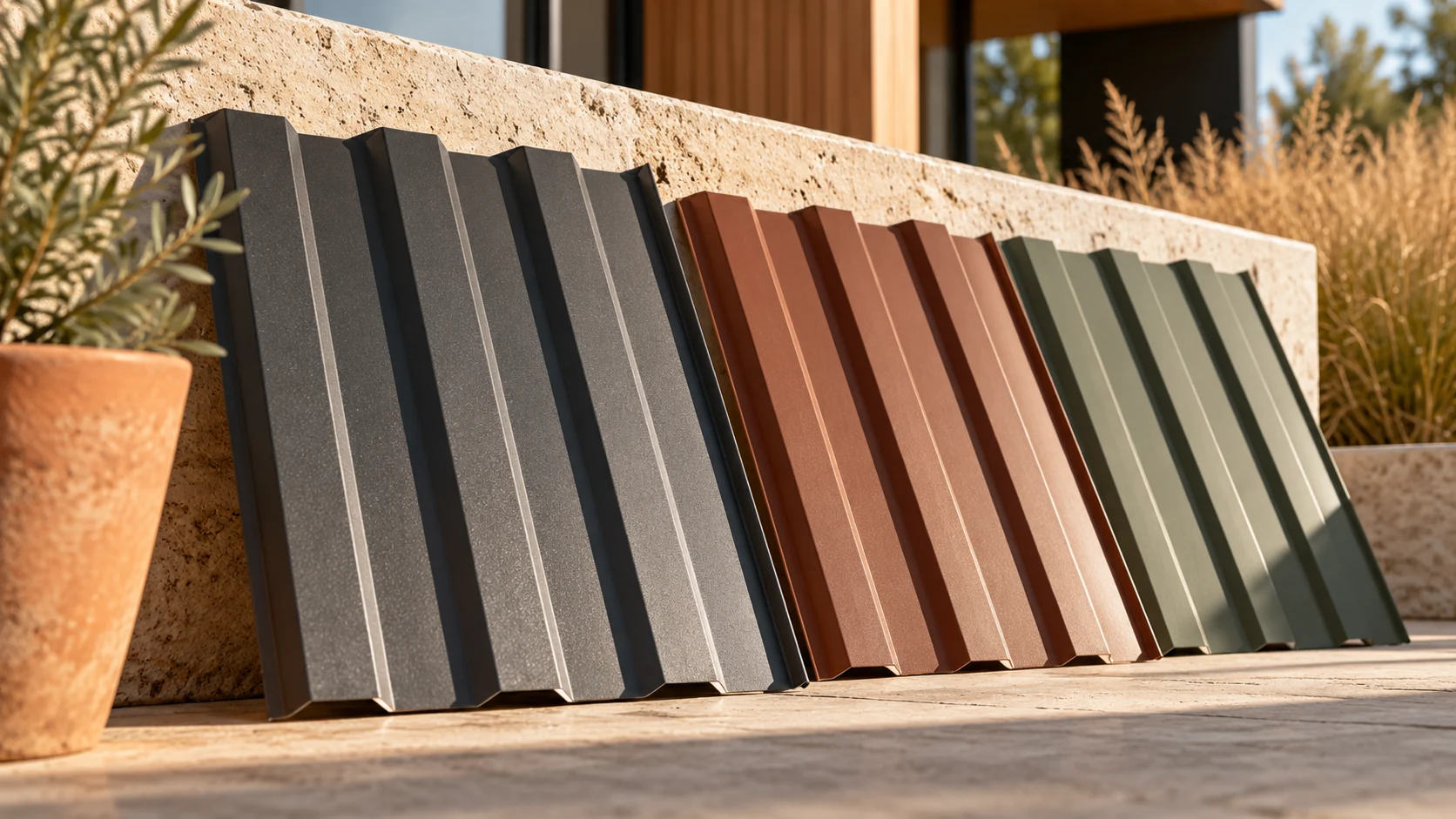
Two sheets with the same RAL number can look different due to gloss, texture and light. Over a large area the difference becomes more noticeable than on a small sample. It is worth combining the choice of colour with the selection of coating and flashings. With a dark covering, heating and product-specific limitations must also be taken into account. The number identifies the shade within a given colour system. It does not by itself describe gloss, texture, coating thickness or its intended use. Therefore an order for ‘trapezoidal sheet in RAL 7016’ is incomplete. The type of finish and the sheet parameters are also needed. A similar colour does not mean the same environmental resistance.
What does the RAL number define and what does it not say?
On screen, the colour depends on the display and its settings. A catalogue photo may show different lighting from the finished roof. For the final choice, it is best to use a real sample of the actual coating. It is worth viewing it outdoors and at an angle close to that of the roof slope, not only flat on a desk.
Why do matt and gloss give a different effect?
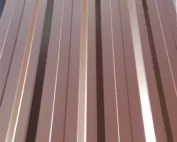
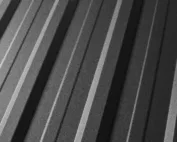
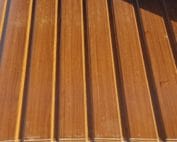
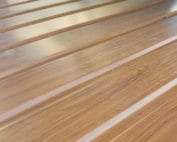
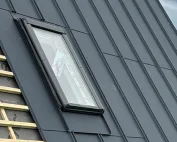
Surfaces reflect light differently. On a trapezoidal steel sheet, every flat section and side wall faces a different angle. That is why a single sheet can show light and dark bands at the same time. This does not have to mean a difference in the material’s colour. The geometry of the profile strongly affects how a large roof area is perceived.
If the flashing has a different texture from the steel sheet, the difference may remain visible despite a shared colour number. This applies in particular to wide strips at the eaves and the gable. Determine the finish for the entire set. On a small pavilion, these elements make up a significant part of the visible roof surface.
How do I choose the colour for a small building?
Assess the façade, the joinery and the surroundings. A dark roof can clearly emphasise a simple volume, while a light one gives a different perception of the proportions. There is no single correct colour for all buildings. It is important that the choice suits the building’s function and the conditions of its exposure. The sample should be viewed alongside the planned materials.
For repeated pavilions, it is worth recording a complete finish specification. The description “graphite” alone is too general. Determine the colour number, the coating type and the expected gloss level. This makes it easier to compare a subsequent delivery. A change in appearance after several years of use can still make it difficult to perfectly match a new element.
Does a dark colour affect the performance of the covering?
Dark surfaces can heat up more strongly in the sun. This affects dimensional changes and the performance of the sheet and joints. Length, material and fixing method matter. The conditions specified for the particular covering must be observed. The limitations of one product family must not be transferred to all steel sheets.
Colour does not replace insulation or roof ventilation either. In an uninsulated garage, dark steel sheet may increase the perceived heating of the interior, but choosing a light colour alone does not solve the entire thermal balance. The roof cross-section, air exchange and the way the building is used must be assessed.

How can differences between batches be avoided?
Order the quantity resulting from the cutting plan and agree a common finish for the sheets and accessories. If you plan later extension, keep full identification of the material. This does not guarantee perfect conformity over time, but it makes selection easier. A coating working in the sun ages differently from a new sample.
On receipt, compare components in similar light and position. Protective film can change the perception of the surface, so use the appropriate method of assessment. Do not mix material from different deliveries on one exposed area without checking. If in doubt, clarify before installation.
What should be included in the roofing order?
In addition to colour, specify the profile, steel thickness, type of coating and side of application. Determine the flashings, screws and drainage elements. The coating should match the environment. Proximity to intensive pollution or aggressive processes requires separate assessment. RAL is not a corrosion resistance class.
Also ask about maintenance conditions and repair of minor damage. Touch-up may have a different gloss than the factory surface. A major aesthetic defect cannot always be removed by local painting. Good receipt inspection of the delivery and correct handling of sheets are part of maintaining the expected appearance.
How can a single sheet be assessed before replacement?
Compare the new element with the existing roof slope in similar light. Soiling of the old covering may increase the apparent difference, but cleaning will not reverse the natural change of the surface. Determine whether close-up matching or the overall appearance of the roof is more important. Do not promise perfect conformity solely on the basis of the colour number. Replacement must also be agreed in terms of profile and joint, because a similar colour does not ensure geometric fit.
What else is worth asking about
Is the name “anthracite” enough to order matching steel sheet?
It is not a full specification. The colour number, type of coating, texture and gloss are needed. It is worth keeping the identification of the earlier delivery.
Is a light-coloured coating always more durable than a dark one?
Durability depends on the type of coating, the environment and maintenance. Colour alone does not determine corrosion resistance or the permitted application.
7 branches. Materials closer to your project.

- SEROCK — Dzierżenin 34 E
- BŁONIE — ul. Sochaczewska 138A
- RADOM — ul. Grobickiego 8
- ŁÓDŹ — Natolin 8
- OLSZTYN — Barczewo, ul. Prosta 9
- WROCŁAW — ul. Jerzmanowska 10C
- GORZÓW WLKP. — ul. Zielona 33/34