Metal roof coverings
Trapezoidal steel sheet or tile-effect metal roofing: which look and way of working suits the house?
In brief
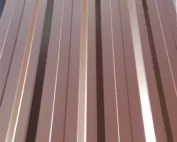
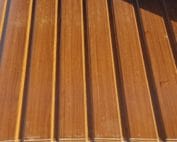
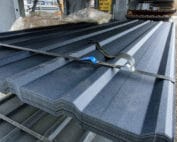
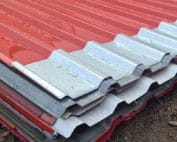
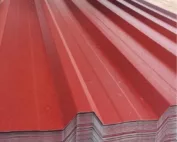
Trapezoidal steel sheet gives a simple rhythm of longitudinal ribs. Tile-effect metal roofing also introduces transverse profiles and division into rows. Both coverings can suit a contemporary house. The choice should, however, take into account the roof geometry and technical requirements. Assess the whole system, because a similar colour does not mean similar material behaviour. Trapezoidal sheet emphasises the direction of fall. On a simple barn or small pavilion it can give a calm, uniform plane. High ribs draw the shadow more distinctly. A low profile looks more subtle, but its selection must follow from load-bearing capacity. Do not reduce the height just so that the roof resembles smooth sheet metal.
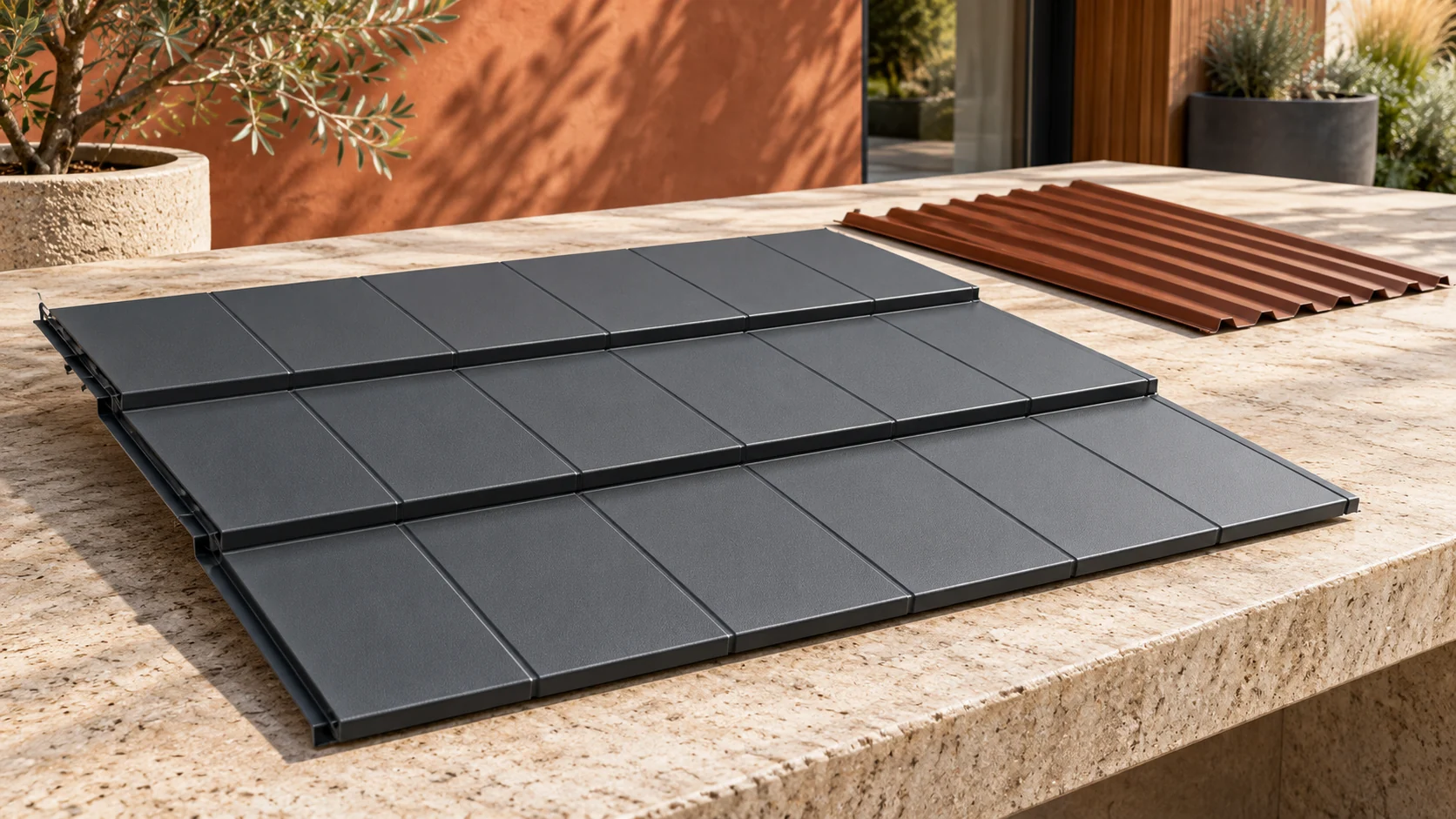
How does the profile change the appearance of the building?
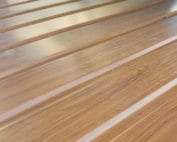
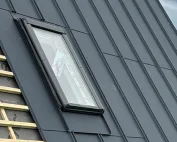
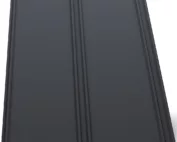
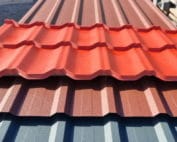
Tile-effect metal roofing can have a corrugated or almost flat pattern. The modules create a rhythm across the slope as well. On a complex roof, this division affects the appearance of cut pieces at roof valleys and corners. A sample should be viewed from the angle at which it will be seen from the street. A small catalogue fragment does not show the effect on the whole building.
What must be checked at a low pitch?
Every product has its own limitations. Some trapezoidal roof sheets permit lower pitches than selected tile-effect metal roofing. This is not, however, a common property of all sheets. The minimum angle also depends on the connections and the detailing. The requirements must be read from the documentation for the specific covering.
An example flat modular tile-effect metal roofing may require 25°. Another profile has a different threshold. A more favourable value must not be transferred between models. If the building already exists, the actual pitch is measured first. A local depression in the slope is not fixed by the choice of covering alone, even if it is declared suitable for a low pitch.
How do support and fixing differ?
Tile-effect metal roofing requires a support layout matched to its pressings. The spacing should not be assumed by eye. Trapezoidal sheet works according to its cross-section, steel thickness and support scheme. Load tables refer to specific conditions. They cannot be replaced by a general statement that a higher wave is strong.
In both solutions, the fasteners and their anchoring are assessed separately. Edge zones may require a different layout than the middle of the roof. Additional equipment, installation panels or roof access need the mountings provided for them. The covering should not inadvertently take on forces for which it was not designed.
Which covering gives a lower cost?
A simple trapezoidal sheet often allows an economical solution to be prepared. The result depends, however, on the profile, coating and the required structure. The price of tile-effect metal roofing covers different forming, but the sheet itself is still only part of the cost. Flashings, layers beneath the covering, installation and delivery must be included.
For two variants on a house in Kłobuck, an identical scope schedule can be prepared. This is an example of how to compare, not a description of a completed project. In both quotes, assume the same eaves, chimney and insulation requirements. Only then check the total. Do not compare a cheap uninsulated roof covering with a complete roof over a bedroom.

Does the material determine noise and temperature?
Attic comfort depends on the entire assembly. Insulation, airtightness and finish layers affect the sound of rain. Simply changing from trapezoidal steel sheet to tile-effect metal roofing does not guarantee quiet. Where acoustic requirements apply, an assessment of the assembly is needed, including windows and service penetrations.
Overheating is similar. Colour and solar exposure affect surface temperature, but do not describe indoor temperature. Insulation and solar shading of windows are very important. Thermal movement of the sheet must be allowed for during installation. It should not be restricted by accidental stiffening of long sheets.
How to keep both solutions looking good?
The coating must be protected from scratching during transport and cutting. Swarf left on the roof can rust. Leaves at flashings and outlets hinder drying. Regular inspection allows such problems to be noticed before larger damage occurs. The cleaning method should match the type of coating.
On large flat areas, unevenness and shade differences are easier to notice. It is worth ordering consistent material and maintaining the laying direction. When choosing, be guided by the combination of appearance, technical conditions and feasibility. A well-chosen trapezoidal steel sheet is not solely an agricultural covering, and tile-effect metal roofing is not automatically right for every house.
Before purchase, also establish the view from underneath the eaves. The protective coating on the inner side of the sheet need not match the aesthetics of the soffit. The finish of this part must be planned in the complete solution.
What else is worth asking about
Can trapezoidal steel sheet and tile-effect metal roofing be combined on a house?
Different coverings can be considered on separate parts, but their junction requires a proper detail. The consistency of appearance and drainage must also be checked.
Is colour alone enough to order flashings?
No. You also need the cross-section, material type, coating and its finish. The same RAL colour can look different on two surfaces.
7 branches. Materials closer to your project.

- SEROCK — Dzierżenin 34 E
- BŁONIE — ul. Sochaczewska 138A
- RADOM — ul. Grobickiego 8
- ŁÓDŹ — Natolin 8
- OLSZTYN — Barczewo, ul. Prosta 9
- WROCŁAW — ul. Jerzmanowska 10C
- GORZÓW WLKP. — ul. Zielona 33/34