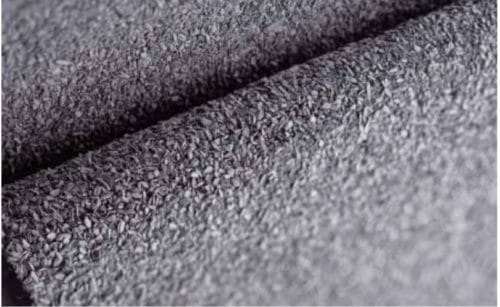
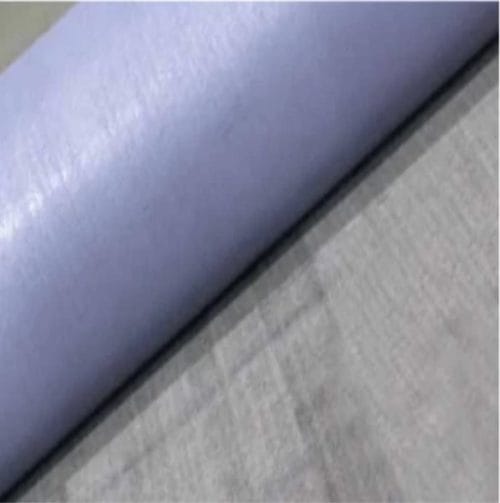
SBS bituminous roofing underlay MIDA Standard PVS3 Technonicol
SBS bitumen underlay MIDA Standard PVS3
MIDA Standard PVS3
Thickness: 3.0 mm
Roll: 15.0 m²
Sales unit: roll
Roof underlay by Technonicol — MIDA Standard PVS3, 3 mm, 15 m²
3,57 € incl. VAT
In stock
In stock
Description

Bitumen roofing underlays
The lower roofing layer is concealed once the roof is finished, but it influences the performance of the complete waterproofing system. An underlay provides a base for the cap sheet and contributes to protection against water. Its role is to work with the substrate and subsequent materials, so it is chosen for the roof build-up rather than just the roll size. A suitable underlay makes the benefits of a multilayer solution available in new construction and refurbishment.
1 Two layers with complementary functions
In a multilayer covering, the lower membrane provides continuity in the first layer, while the cap sheet takes the direct effects of the weather. Separating these tasks allows each sheet to be chosen for a different function. The underlay does not need the same finish as a surface permanently exposed to sunlight, but it should have mechanical properties and a fixing method suited to the substrate. Unlike a single-layer covering, the outer membrane is not the only barrier against water here. The underlay provides an additional protective layer within the complete design. For the owner, this means protection can be built as a complete solution in which successive layers support one another, rather than merely repeating the appearance of a black coating.
2 Reinforcement that influences underlay behaviour
Inside the membrane is a carrier whose type affects strength, elongation and dimensional stability. Different reinforcements allow materials to be matched to substrates that move in different ways. The bituminous compound provides waterproofing, and modification can increase the flexibility needed during temperature changes. Rather than assessing quality solely by thickness, consider this combination of properties. On a garage roof or a larger commercial building, a suitable underlay helps maintain a consistent build-up below the cap sheet. With its own reinforcement and waterproofing layer, it has a broader role than a primer. Primer prepares the surface; the membrane forms a reinforced barrier against water over it.
3 Compatibility with the substrate and later stages
Underlays are available for different fixing methods, allowing the solution to be matched to the substrate, insulation build-up and refurbishment scope. Self-adhesive, torch-on and mechanically fixed versions offer different organisational benefits according to the chosen method. On a roof with many details, a flexible strip supports continuity where the surface changes direction. The underlay provides a base for further protection, but its permitted exposure to the weather is product-specific. The final cap sheet remains a separate requirement. This distinction helps the client buy the right materials and avoid savings that would remove a necessary roof function rather than an unnecessary cost.
At SteelProfil, we supply underlays alongside first- and second-grade materials in our wider roofing range. Products available from stock help maintain the work sequence. We offer numerous promotions and competitive prices, and help coordinate the underlay with the planned cap sheet.
Related products


What our customers say