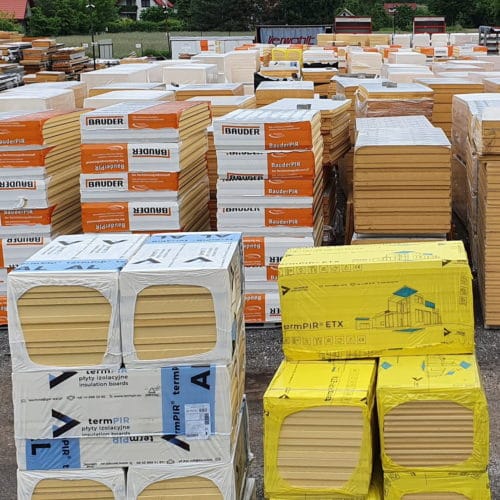
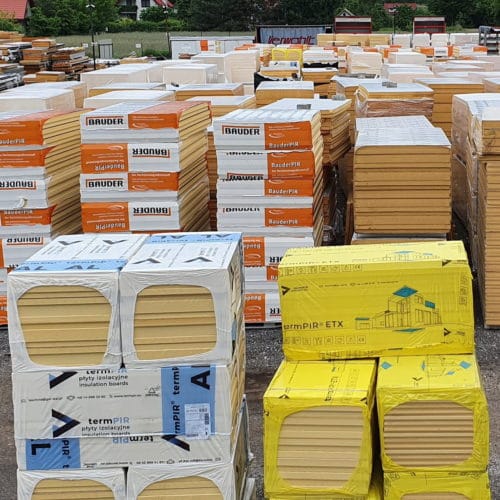
PIR insulation boards
Below a terrace door, above rafters or in a refurbished floor, the space available for insulation can matter as much as the budget. The low thermal conductivity of the rigid PIR core allows effective insulation within the tight dimensions of an existing building.
1 High thermal resistance at low thickness
Polyisocyanurate foam consists largely of small closed cells that restrict heat flow. Depending on the declared properties of the products, a thinner PIR layer can reach a similar resistance to many types of EPS or mineral wool. This gives more flexibility at floor levels, roof flashings and reveals, particularly in a renovation where a change in level could affect doors, stairs and finished fittings.
2 Continuous insulation above the structure
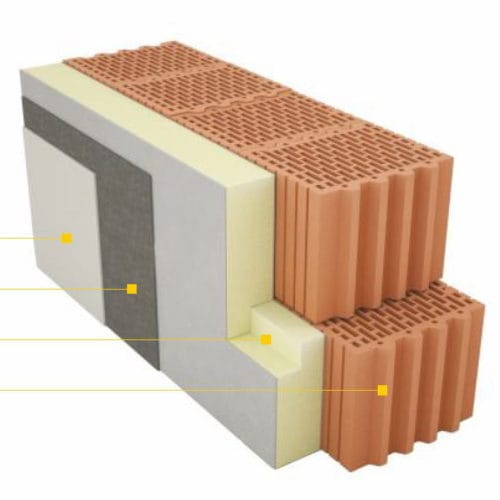
Rigid boards can form a continuous insulation layer above the rafters. This limits heat bridging through timber and gives more even insulation across the roof. It also keeps space below the slopes and allows the roof timbers to remain visible. In floors, select boards that can withstand the design loads. Their regular size, edge options and constant thickness help to form even joints and a uniform layer. A soft infill may require a different supporting structure or layer sequence.
3 A facing that suits the application
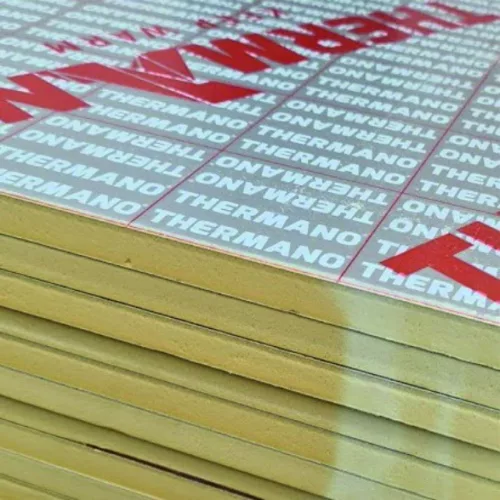
Aluminium facings, fleece facings and finished surfaces are designed for different roof, wall and floor assemblies. Check the specific board’s suitability. Where insulation is in contact with damp ground and exposed to high pressure, compare suitable XPS boards. Where non-combustibility is required, consider mineral wool and account for the combustibility of PIR. PIR is particularly useful where low weight, limited depth and high thermal resistance must be combined.
SteelProfil offers first- and second-grade PIR insulation boards, including stock for immediate purchase. We can compare current offers for homes and commercial buildings and help match the core and facing to the intended location.