PIR insulation
How to read α-therm WALL parameters and recognise incorrect selection
At a glance
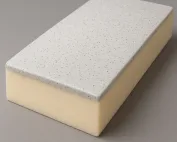
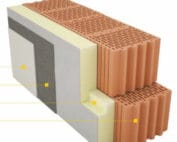
A locally cooler wall surface with IDELCO α-therm WALL requires checking more than just the lambda value. The continuity of the insulation at the lintel or moisture in the detail may matter, and linking the symptom to the actual cross-section makes it easier to choose the scope of the repair. IDELCO α-therm WALL is a PIR board for insulation between the layers of a cavity wall, covered on both sides with aluminium laminate. The terms “polyurethane boards” and “polyurethane foam” are broader than the PIR product designation. When assessing the performance of the building envelope, the α-therm WALL insulation must be distinguished from the tasks of the load-bearing wall and the anchors.
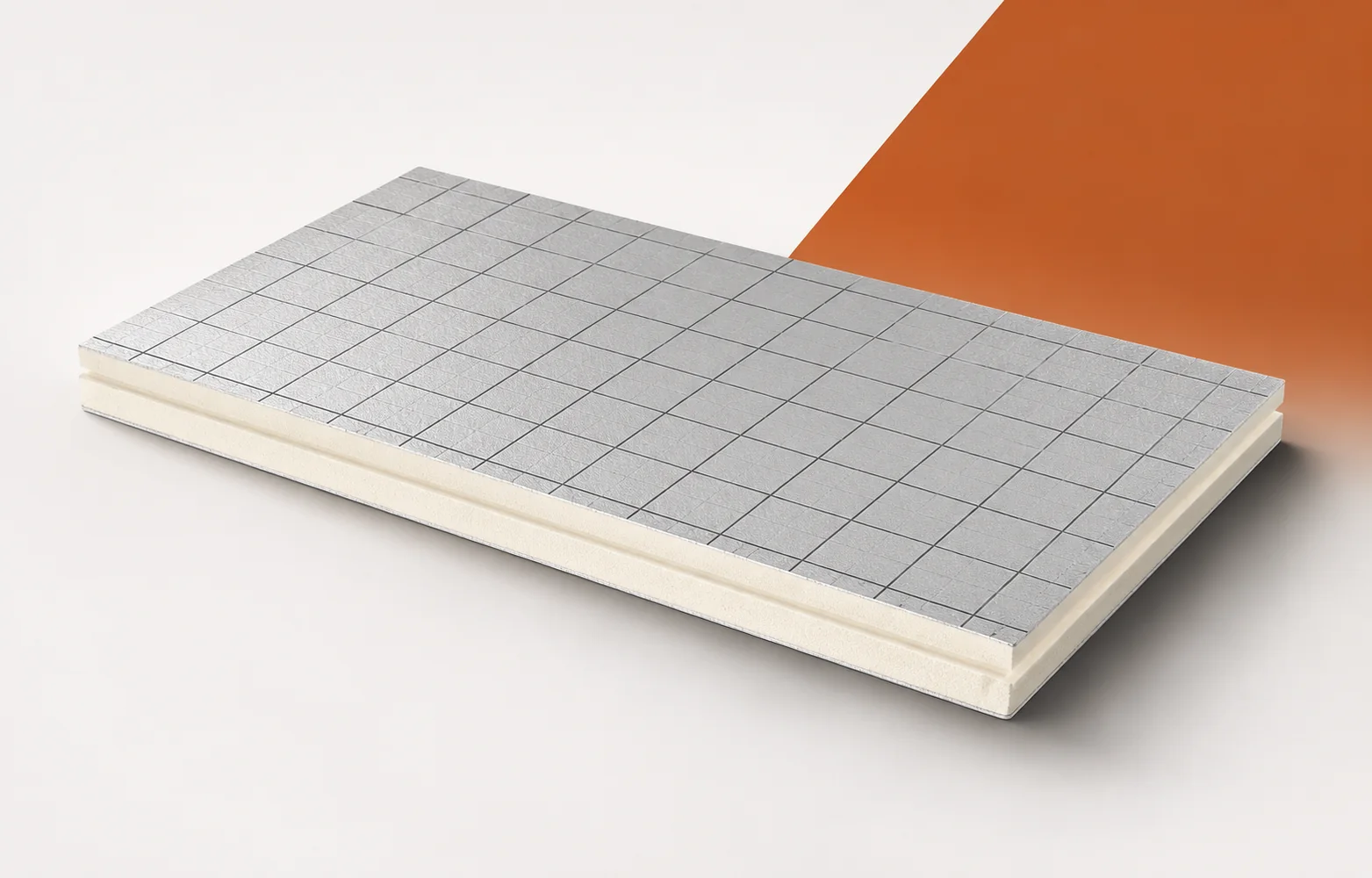
α-therm WALL PIR boards between wall layers
A PIR board in a laminate does not automatically take over the structural functions of the wall, which is why omitting this distinction leads to a mistaken diagnosis. A small insulation thickness works within a correctly planned build-up, and not in place of a load-bearing wall. During the inspection, compare the arrangement of the wall, insulation and facing layer at the actual openings with the information on how it was executed.
Lambda and the geometry of the building element
The thermal conductivity of α-therm WALL is 0.022 W/(m·K), but the datasheet lists several thicknesses, so the choice should not rest on the lambda value alone. To interpret the thermal performance, consider the α-therm WALL 100 mm board with R_D 4.50 m²K/W.
The thermal data for α-therm WALL must be assessed alongside the actual wall geometry: anchors, corners and lintels cannot be described by the thermal resistance of a board alone. This distinction allows the thickness to be selected for the thermal requirement while also assessing the junctions. Before drawing a conclusion, request a section through the main wall area and details of where the insulation ends, so the figures relate to the actual construction.
Polyurethane insulation with tongue and groove
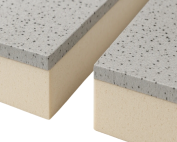
Tongue-and-groove joints must be connected in such a way that the profile is not damaged and no open joints are left. When cutting the edge element, we change the factory finish, so this detail requires a conscious decision. When assessing the execution, the α-therm WALL tongue-and-groove joint at the last row and the reveal is inspected.
The laying direction of the α-therm WALL 1200 × 600 mm boards is determined at the planning stage and then checked when assessing the workmanship. Once the edges have been cut, the piece no longer has the full geometry of the factory joint, so the installation rules must be verified separately. Identifying the cause makes it possible to select the cut pieces without breaking the tongue and without random gaps. For polyurethane insulation, before acceptance of the joints, the laying plan, the condition of the profile and the termination at the perimeter are checked.
Water at the reveal and under the window sill
The outer protective layer of the wall and the insulation perform different functions. Alongside the thermal insulation, provision is needed for water drainage, opening details and protection of the lower part of the wall. When analysing the junctions of the outer wall protecting α-therm WALL, first identify how water is drained away.
A repair should only be selected once the function of the cavity and the correct termination of the insulation beneath the window sill can be maintained. Appearance alone is not enough: the aluminium facing of the insulation replaces neither waterproofing nor all the masonry flashings. The assessment must address both water protection and continuity of the insulation. Before choosing a repair, check the drainage path, the terminations around openings, the ability of the layers to dry out and the history of previous work.
The correct data for the wall variant
The datasheet for this variant specifies at least 120 kPa at 10% deformation and reaction to fire class F. These values apply to α-therm WALL; the properties of the ROOF board with its similar surface finish cannot be transferred to it. CS of at least 120 kPa and reaction to fire class F describe separate properties of the same product.
The scope of the declaration must be read from the α-therm WALL documents, not from the data for a similar roof board. A shared brand and the appearance of the facing do not determine identical mechanical properties, so a conclusion based only on similarity would be too far-reaching. Where anything is unclear, the full product designation and the documents for the intended application are decisive.
Insulation with polyurethane: quantity and inspection before covering
Before purchase, establish the net wall area, the board format and how openings are to be detailed. The allowance then follows from the geometry, not from a fixed value repeated on every site. Check the condition of the α-therm WALL edges before closing the protective layer, both when assessing an offer and after the works are complete.
Before assessing quality or price, it is worth linking the α-therm WALL quantity take-off with the openings and with protection of the material before the wall is closed. Without this, the result is difficult to compare, since a damaged edge profile can make the joint difficult at a point that will later be inaccessible for inspection. Identifying the scope should make it possible to limit waste and retain the possibility of inspection before covering. Base any conclusion about cost or quality on data covering the quantity schedule, the cutting plan and the acceptance date for the insulation being installed.
A case worth considering
A cold strip at the wall ring beam with α-therm WALL must be considered in the local section. The board in a regular field may have the correct thickness while the termination remains discontinuous. It is worth comparing the surface image with the drawing and photographs before installing the covering. The possibility of moisture penetration should also be checked. These causes require different measures, so the material name alone does not indicate the repair.
7 branches. Materials closer to your project.

- SEROCK — Dzierżenin 34 E
- BŁONIE — ul. Sochaczewska 138A
- RADOM — ul. Grobickiego 8
- ŁÓDŹ — Natolin 8
- OLSZTYN — Barczewo, ul. Prosta 9
- WROCŁAW — ul. Jerzmanowska 10C
- GORZÓW WLKP. — ul. Zielona 33/34