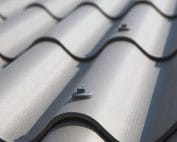
Fibre cement roofing
Can new corrugated sheets use the existing batten spacing?
In brief
Retaining the battens can reduce the cost and time of the renovation. However, it should not be an assumption made before choosing the system. Corrugated fibre cement sheets have specified working lengths and support requirements. Asbestos-free fibre cement will not automatically adapt to the spacing of the previous covering. The geometry, the condition of the structure and the possibility of proper fixing must all be checked at the same time. Only then is it clear which elements are actually worth keeping. The batten spacing may vary at the eaves, ridge and previous repairs. In an older roof, individual rows are also often uneven. The measurement should therefore cover the entire roof slope and special locations. Both the distances and the cross-sections and levels of the supports are important.
Measure the whole roof, not just one gap
A single value recorded as “existing spacing” can conceal several different situations. It is worth plotting them on a sketch with the building sides marked. This allows the actual condition to be compared with the plan for the new covering. The measurements require safe access. Do not step directly onto the old sheets or dismantle unknown material just for a quick check of the battens.
Sheet length does not equal support spacing
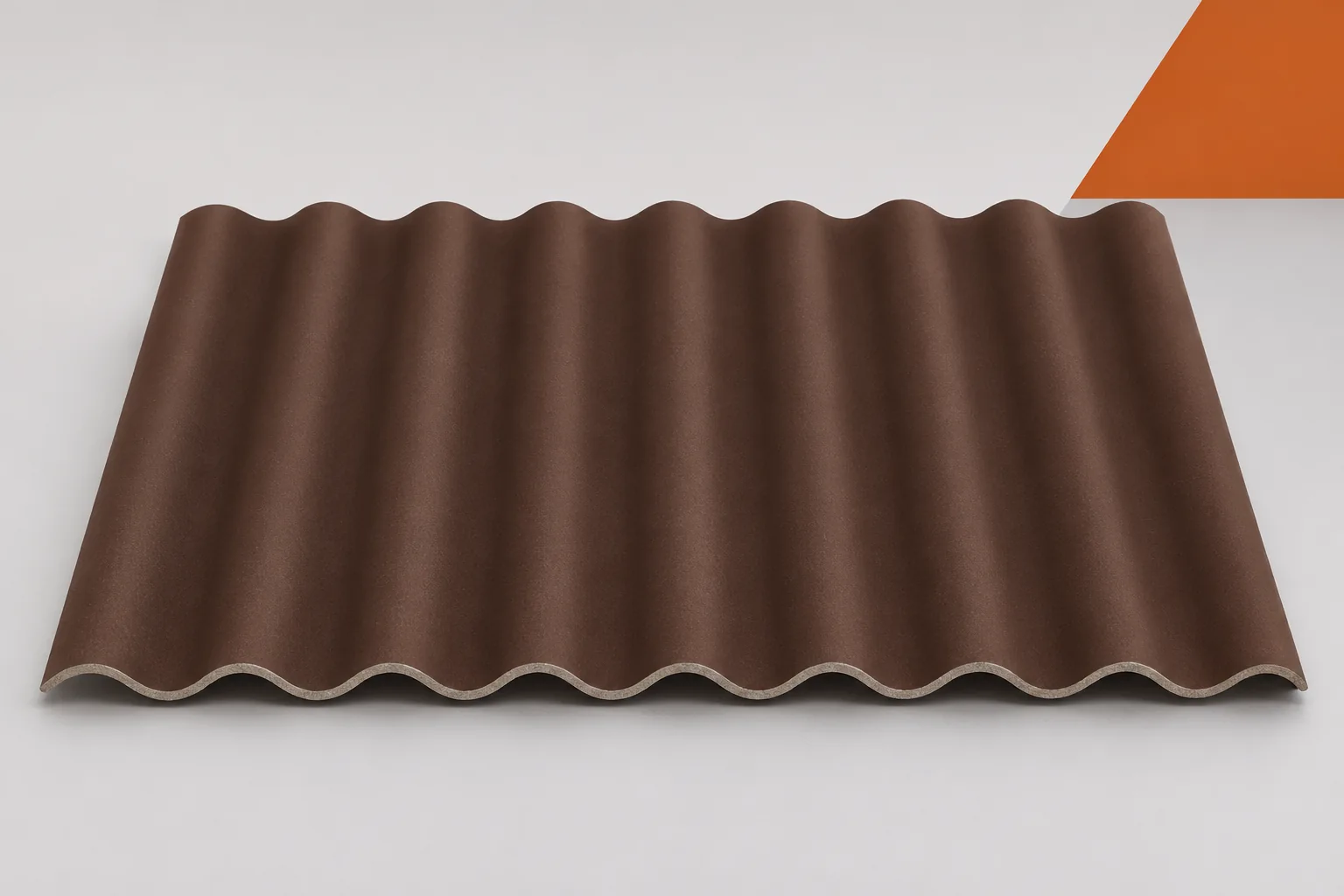
Part of the length is taken up by the overlap, and a larger format may require intermediate support. Corrugated fibre cement sheets must be matched with the installation table specific to the particular product. The sheet length must not be divided arbitrarily and the result treated as a permissible spacing. The fixing positions and edge distances must also be checked in the document. If the existing battens do not meet these conditions, the layout needs correcting or a different solution selected. The similarity of the new profile to the old one does not determine the support. Two visually similar sheets may work with different installation schemes.
Increasing the overlap requires confirmation
Sometimes the documentation for a specific system permits a renovation solution with a different overlap. This does not mean complete freedom. Corrugated fibre cement sheets with pre-prepared holes and corners may not allow such a shift. The covering area and the position of the overlap intersection also change. The proposal to use the existing spacing must therefore be checked for the selected variant. The decision should not be based on the general rule that a larger overlap always helps. It may hinder correct fixing or the preparation of the corners. The confirmed detail should be included in the installer’s documentation so that different solutions do not arise in successive rows during installation.
The condition of the timber is as important as the dimensions
An even, correctly spaced batten may be weakened by moisture, cracks or old holes. Asbestos-free fibre cement requires effective anchoring of the fixings. The connection of the batten to the load-bearing structure must also be assessed. A new screw does not repair a poorly fixed substrate. During the inspection, attention should be paid to places of former leaks and sections at the eaves. It should not be assumed that replacing only the visibly damaged sections will always suffice. The scope of repairs follows from an assessment of the whole. Sometimes most of the supports can be retained, but new elements are needed at fixing points or at roof details.
The level must allow the sheets to be laid freely
Old battens may have different heights or be twisted. Corrugated fibre cement sheets should not be pulled onto an uneven plane by screws. This causes additional stress, particularly at holes and corners. The method of levelling must ensure lasting support and a consistent connection to the structure. Random loose wedges are not a universal repair method. Tolerances and substrate checks should be established before installation. If the first sheets do not lie correctly, work should stop and the cause checked. It is usually easier to correct a single support before covering than to replace several cracked sheets after the renovation is complete.
Calculate the savings for the finished solution
Retaining the battens may reduce one item in the cost estimate but require additional flashing work or more sheets due to overlaps. Corrugated fibre cement sheets must be calculated according to the actual covering area and cutting layout. Costs for inspection, substrate repairs and any non-standard details are added. It is worth comparing these with installing a new support layout. A more expensive start does not always mean a more expensive roof across the whole scope of work. On the other hand, there is no need to remove good elements without justification. A reliable comparison shows the same requirements and result for both variants, instead of comparing only the cost of timber with the price of the sheets.
Agree the procedure for once the roof is exposed
Part of the structure’s condition is sometimes only visible after removing the old covering. The moment for reassessment and the possibility of changing the scope must be anticipated. Corrugated fibre cement sheets should not be laid in haste on a substrate that has turned out to be different from what was assumed. The contract should specify how discovered damage is documented and repairs are agreed. A prepared time allowance and weather protection allow a technical decision to be made without the pressure of an exposed interior. The final batten plan should correspond to the actual execution. Keeping it after the renovation facilitates future repairs and the installation of any services.
When selecting asbestos-free fibre cement for an old roof, prepare measurements of all batten rows. Only checking the geometry and condition of the supports allows the real savings from retaining them to be assessed.
7 branches. Materials closer to your project.

- SEROCK — Dzierżenin 34 E
- BŁONIE — ul. Sochaczewska 138A
- RADOM — ul. Grobickiego 8
- ŁÓDŹ — Natolin 8
- OLSZTYN — Barczewo, ul. Prosta 9
- WROCŁAW — ul. Jerzmanowska 10C
- GORZÓW WLKP. — ul. Zielona 33/34