Flashings
Rust on sheet metal flashings: material, installation or maintenance?
In brief
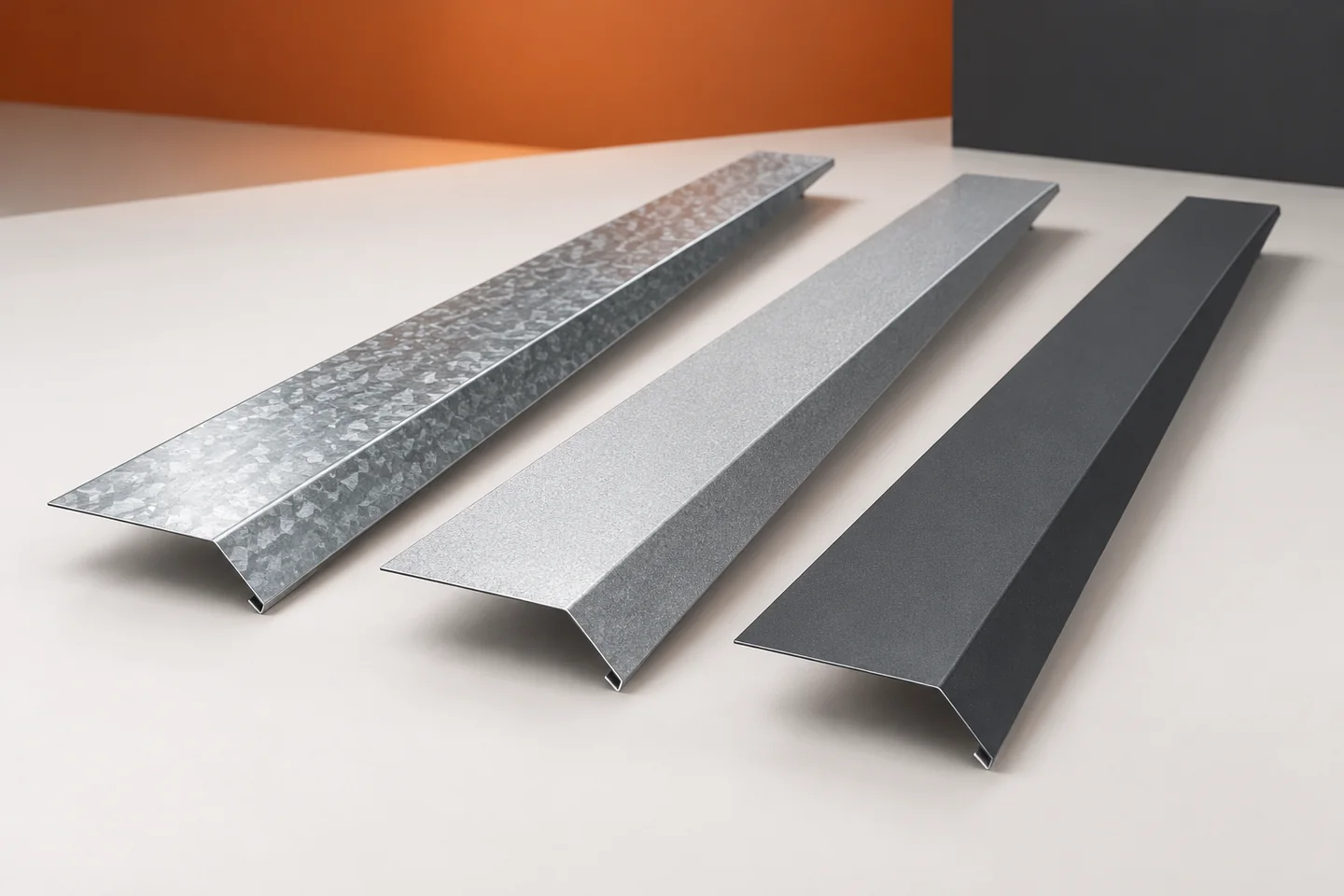
A rusty spot on a coloured flashing does not always mean that its steel core is corroding. Leftover metal filings can rust on the surface. Elsewhere, the damage really does affect the coating and the metal. Recognising the difference matters for repair. Galvanised, aluzinc and coated steel sheets should not be assessed by appearance alone. Material data and an inspection of the conditions in which they work are needed. In galvanised sheet, the steel core is protected by a zinc layer. Aluzinc sheet also has a steel core, but its metallic coating contains aluminium and zinc. It is therefore not a type of aluminium sheet. This distinction helps to read the specification of ordered flashings correctly.
What actually protects the steel?
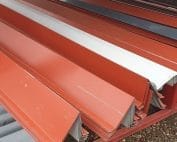
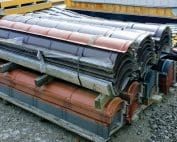
Coated steel sheets have additional organic layers. These may differ in composition, thickness, structure and resistance. Colour is only one characteristic. Ridge caps or verge flashings in the same colour do not have to have the same protection, even if they look similar next to each other.
First rule out foreign particles
After cutting and drilling, small metal fragments may remain on the roof slope. As they rust, they create spots and streaks on the coating. During inspection, it must be checked whether the deposit is on the surface or emerging from a defect in it. The cleaning method is selected according to the material recommendations.
The flashing should not be scrubbed with a sharp tool in order to expose the spot quickly. This can enlarge the damage. After removing the dirt, the condition of the protective layer is assessed. Only this assessment allows a decision on whether a touch-up, replacement of a part, or merely proper cleaning is needed.
Cut edges and bend points
Damage often requires inspection at edges, holes and sharp bends. Excessive heating during cutting can impair the protection of the steel sheet. Therefore, the tools specified in the instructions are used for flashings, for example suitable shears. An angle grinder is not a universal solution.
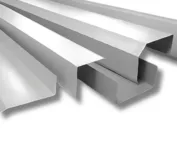
Equally important is the conformity of the bending radius with the material. Forced bending of a finished flashing can leave permanent marks. If starter profiles or gutter aprons do not fit, the measurement and cross-section are checked first. Increasing the number of bends on site does not always lead to a correct repair.
Service conditions can vary
Flashings beside a busy road, near the coast or in an aggressive industrial environment may require different protection from an element in a mild environment. The location of use and the coating recommendations must be taken into account. The description coloured steel sheet alone does not contain this information.
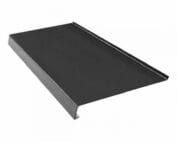
The ability to dry out and accumulate dirt also matters. Gutter aprons, roof valleys and chimney flashings have different drainage conditions. A wide horizontal ledge collecting sediment requires attention regardless of colour. Material selection should go hand in hand with correct detail geometry.

Does greater thickness solve corrosion?
Core thickness affects the mechanical behaviour of the sheet, but does not replace the protective coating. Material and protection are specified separately. Documentation may state coating mass in grams per square metre and thickness in millimetres. These are different quantities and should not be equated.
Non-standard flashings must be specified as precisely as catalogue elements. The order should state thickness, surface type and visible side. Missing this data may mean that compared quotes relate to different materials, even though the profile name and dimensions are identical.
When does a touch-up make sense?
Touch-up paint is for local repairs as specified by the material supplier. It is not a way to hide perforation or extensive coating detachment. The substrate must be prepared before painting in accordance with the recommendations. An unsuitable product may worsen the appearance and make later repair more difficult.
When replacing a single section, attention should be paid to differences in shade, gloss and texture. New sheet may look different from a surface that has been in service for years. It is therefore worth assessing a sample in daylight. It is also advisable to set the replacement boundary at a natural division of the flashings.
What should be recorded for the next inspection?
A dated photograph and marking the location help assess whether the damage is spreading. Details of the purchased material and a description of the repair carried out are also useful. Such a record provides more than general information about rust on the roof. It allows a new phenomenon to be distinguished from an old trace.
The inspection should cover the entire assembly. Ridge caps, barge flashings and chimney flashings may have different exposure. Starter profiles at the plinth are exposed to different soiling than the ridge. Proper maintenance consists in recognising these differences, not in applying a single product to all surfaces.
Questions and answers
Is aluzinc aluminium?
No. It is steel protected with a metallic coating of an aluminium-zinc alloy. The type of core and coating should be read from the material documentation.
Does thicker sheet always corrode more slowly?
The thickness of the core does not determine the resistance of the coating. Its type, condition, service environment and correct water drainage also matter.
7 branches. Materials closer to your project.

- SEROCK — Dzierżenin 34 E
- BŁONIE — ul. Sochaczewska 138A
- RADOM — ul. Grobickiego 8
- ŁÓDŹ — Natolin 8
- OLSZTYN — Barczewo, ul. Prosta 9
- WROCŁAW — ul. Jerzmanowska 10C
- GORZÓW WLKP. — ul. Zielona 33/34