Flashings
Barge flashings after a storm: which signs warrant a closer look?
In brief
After strong wind, a bent sheet corner is the easiest thing to notice. Less visible are disturbed fixings and gaps beneath the flashing. Barge flashings protect the side edges of the roof slope, so it is worth inspecting them during a roof check. Their good appearance from the ground does not yet confirm correct fixing. Conversely, a slight unevenness does not have to mean structural damage. The condition of the specific joint determines what to do next. From a safe position, check whether the barge flashing has kept a straight line. Look for raised ends, opened laps and sections standing away from the substrate. A photo taken from several sides is more useful than a close-up of the damage alone. It shows the position of the flashing relative to the covering.
Inspect the entire gable line
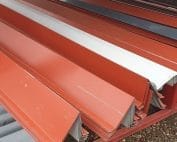
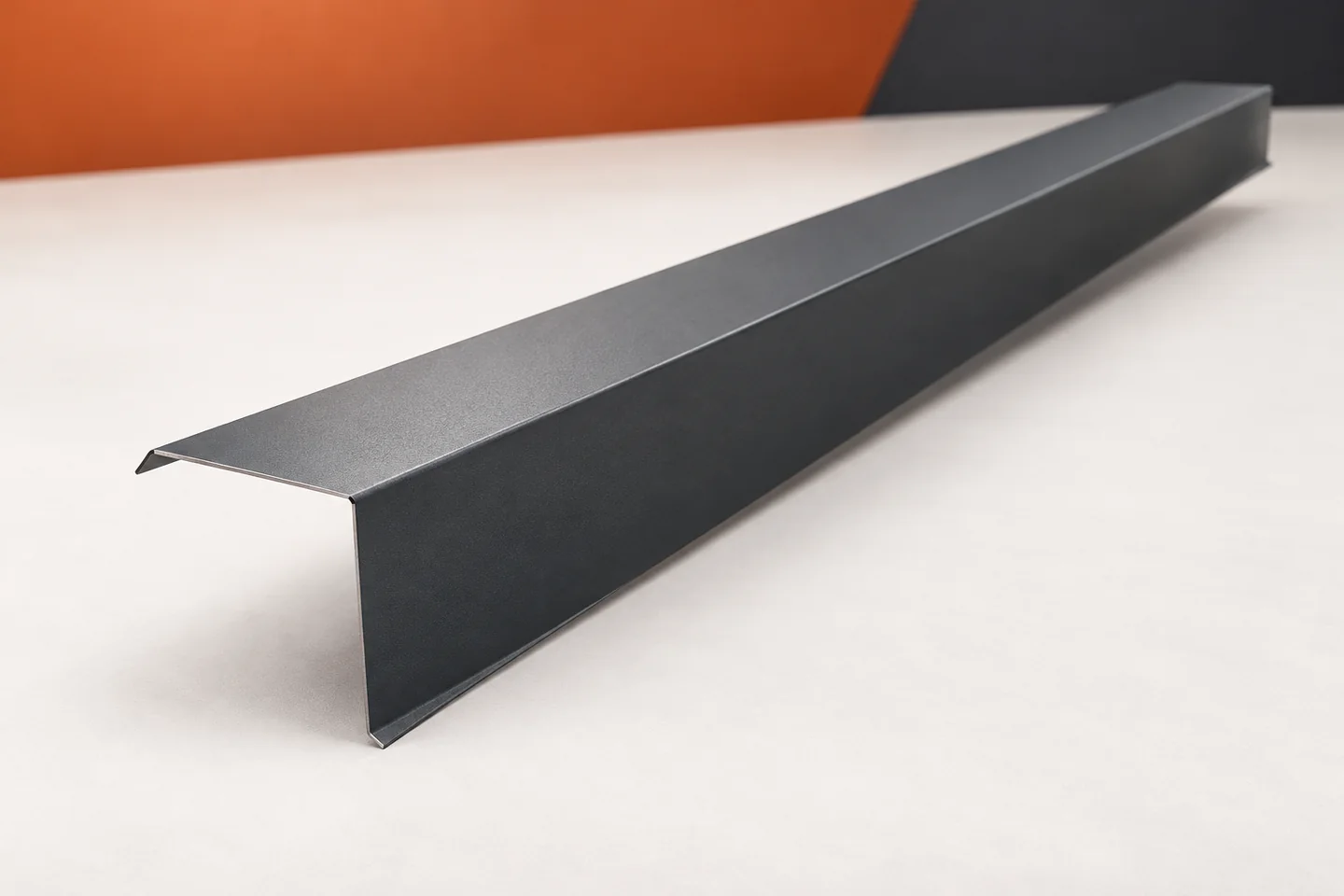
Barge flashings can be single-piece or form a set with an additional drainage part. A visible gap does not always have the same character. The arrangement must first be identified. Sealing the gap with sealant without knowing its function can hinder water drainage from the detail.
If a section of sheet is loose, the area beneath it should be secured until inspection. A protruding element can change position with the next gust. Further inspection should take place with appropriate access to the roof edge.
A loose screw does not explain everything
When fastening, it is not only the head of the fastener that is checked. The substrate, the condition of the hole and the position where the flashing is applied are also important. If the hole has been enlarged, retightening the same screw may not restore a correct connection. A similar problem occurs with a damaged board.
The spacing and type of fastenings result from the system solution and the conditions of the building. There is no single arrangement suitable for all roofs. The verge flashing does not replace the fastening of the covering sheets themselves. The assessment of the edge’s wind resistance must cover both these parts.
What does a water trace on the wall tell you?
Damp patches below the gable edge may be associated with water ingress, but also with runoff down the façade. It is worth establishing where the mark begins. If water appears at the joint between two sections of verge flashing, that joint deserves inspection. The shape of the stain alone does not give certainty as to the cause.
At the lower end of the gable, various flashings meet. The barge flashings must work together with the eaves detail. The gutter aprons should collect water in accordance with the design. An ill-considered corner closure can direct it behind the fascia board instead of onto the proper drainage path.
Width selection matters
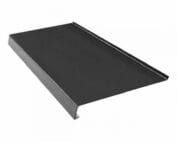
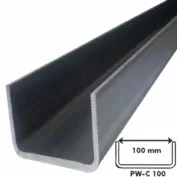
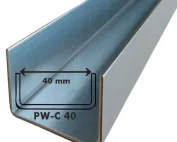
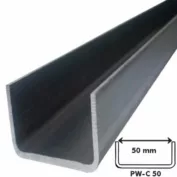
The upper arm of the barge flashing must correspond to the position of the outermost sheet. The side arm covers a specific part of the gable. The height of the roofing profile and the width of the board influence the required cross-section. A flashing with a similar name may have completely different dimensions and purpose.
An excessively wide surface without proper support may deform more easily. One that is too narrow will not cover the intended area. Therefore, an incorrectly selected barge flashing should not be straightened by force. First, it must be established whether its geometry fits the existing roof termination at all.

Coating after bending the sheet
Permanent bending can damage the protective layers. This point must be inspected on both sides of the element if access allows. A scratch on the surface and a crack in the coating at a sharp fold are not the same thing. The repair should correspond to the type and extent of the damage.
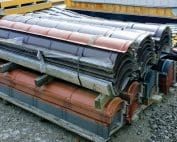
Barge flashings are made from galvanised, aluzinc and coated steel sheets. When selecting a replacement, the material, thickness and method of protection matter. Coloured flashings can be matched to the roof slope or façade. The same colour code does not rule out a difference in texture and degree of gloss.
When is a made-to-measure element needed?
During renovation, it is sometimes visible that the previous flashing covered missing support or an irregular edge. In such a case, copying the old shape may repeat the error. First the detail is corrected and measurements are taken. Only then is the cross-section of the new part determined.
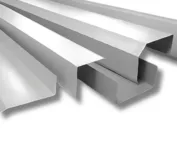
Non-standard flashings allow the arms and angles to be matched to the actual construction. The drawing should indicate the coated side and the installation direction. This is particularly important with left and right sets. Not every profile can be rotated without changing the function of its folds.
Inspection after repair
Acceptance covers the line of the flashing, its connections, fixings and terminations. Swarf and material residues must also be removed from the roofing. Coated steel should be cut with tools in accordance with the material instructions. Excessive heating of the edges can damage the anti-corrosion protection.
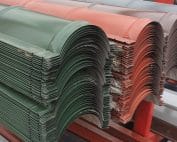
At the same time, the ridge tiles and chimney flashings are checked if they are within the damaged area. Starter profiles on the façade require separate assessment. A good inspection separates the defects of individual zones. It does not reduce them all to a general recommendation to tighten the sheet more.
Questions and answers
Can a barge flashing simply be bent back after a storm?
It depends on the condition of the sheet metal, the coating and the fixings. Permanent creasing or a damaged hole may require replacement of the component.
Does a larger number of screws always help?
No. The fixings must reach the appropriate substrate and match the adopted detail. Random holes can impair the tightness and appearance of the flashing.
7 branches. Materials closer to your project.

- SEROCK — Dzierżenin 34 E
- BŁONIE — ul. Sochaczewska 138A
- RADOM — ul. Grobickiego 8
- ŁÓDŹ — Natolin 8
- OLSZTYN — Barczewo, ul. Prosta 9
- WROCŁAW — ul. Jerzmanowska 10C
- GORZÓW WLKP. — ul. Zielona 33/34