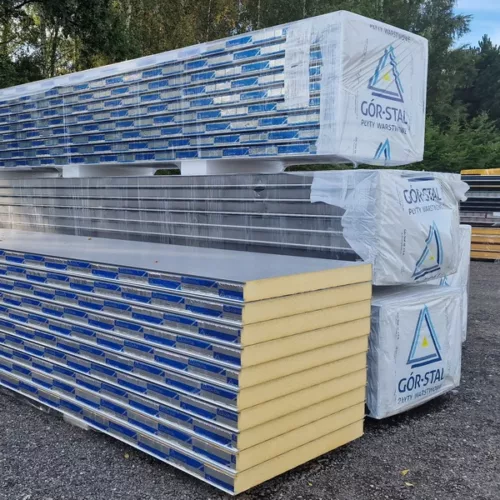
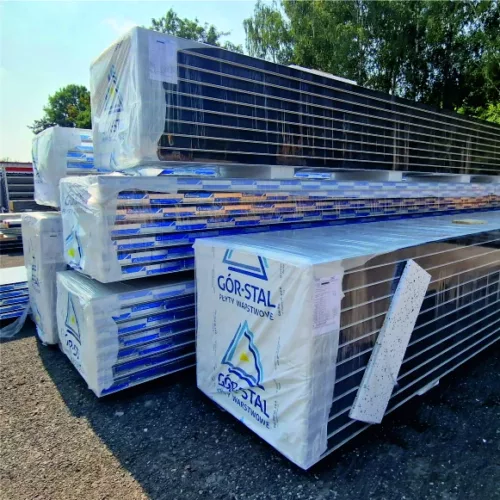
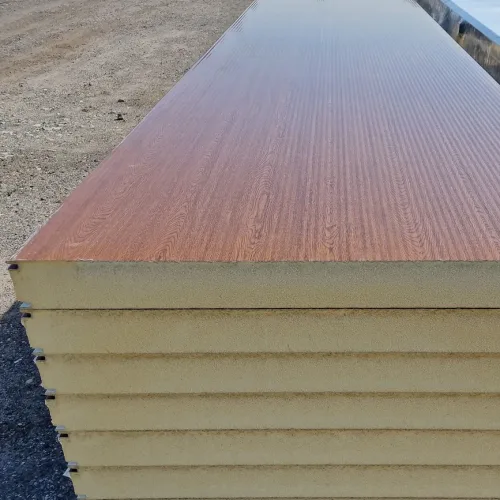
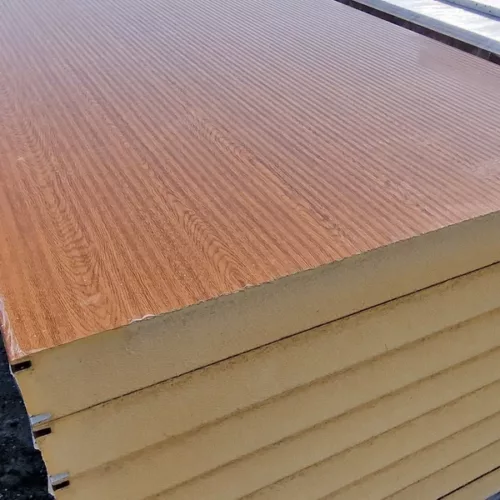
PIR sandwich panels
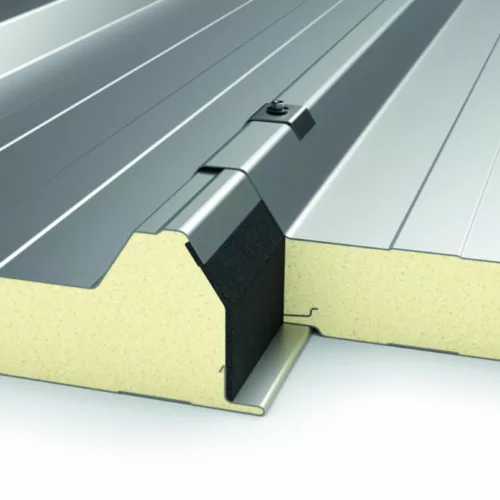
A heated hall needs an envelope that limits heat transfer without making walls unnecessarily thick. In PIR sandwich panels, rigid foam between metal facings performs this role. The core’s low thermal conductivity combines energy-conscious operation with low weight and efficient enclosure. This combination is particularly useful for buildings occupied throughout the year.
1. Retaining heat in a slim envelope
PIR foam contains numerous small cells that impede heat transfer. A correctly selected panel can therefore deliver the required thermal resistance with less thickness than many EPS-core alternatives. This makes details around doors, windows and wall-to-roof connections easier to resolve. It can also help in refurbishment where the width of existing flashings or space near the building boundary is limited. The outcome depends on the particular product and its joints, but PIR provides a useful starting point for a compact, well-insulated envelope. In cold rooms or temperature-controlled warehouses, the same property helps reduce the space occupied by the enclosure, leaving more room for storage and internal movement.
2. Less weight across large surfaces
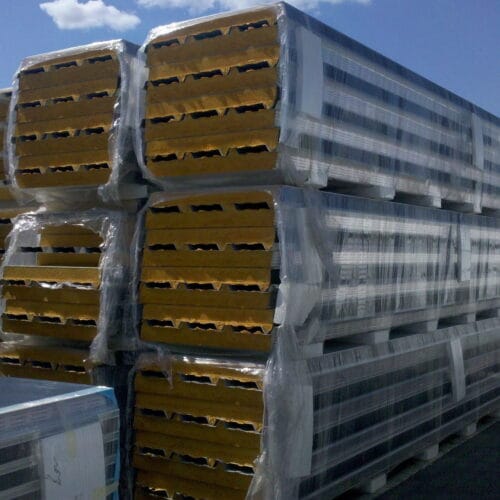
The foam is light, and bonding it to sheet metal creates a rigid element spanning between supports. This panel envelope weighs less than heavy masonry walls, reducing the dead load on the structure. That matters particularly for extensions or additions to existing buildings. Insulation and the finish on both sides are also provided together. In vehicle workshops, showrooms or distribution centres, this helps reach the stage where interior fit-out can begin. Roof and wall panels have different geometries and applications, retaining a common material approach while addressing the needs of each surface.
3. Stable conditions for work and storage
Good insulation slows heat exchange with the surroundings. In winter, it helps maintain temperatures at workstations; in summer, it reduces heat entering through warm envelope surfaces. This is valuable in heated or cooled rooms, where the envelope should support the building services rather than increase their load. Smooth facings are easier to keep clean, with coatings selected for the operating environment. PIR remains combustible; fire requirements must be assessed for the specific panel and complete assembly. Mineral wool is an alternative where a non-combustible core takes priority. Where insulation within limited thickness is the main concern, PIR has a clear technical rationale.
SteelProfil offers first- and second-grade PIR panels and stock materials for projects of different sizes. Competitive prices are supported by promotions on available batches. We help compare thickness, facing type and intended use so the purchase meets the building’s actual needs.