termPIR AL GK: 60 mm PIR + 12.5 mm plasterboard (72.5 mm overall)
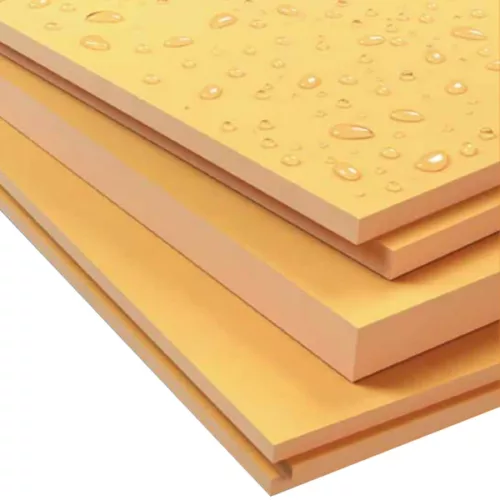
Rigid polyisocyanurate (PIR) foam insulation
Overall thickness: 72.5 mm (60 mm PIR and 12.5 mm plasterboard)
Available PIR core thicknesses: 20–200 mm
Board format: 1,200 × 2,600 mm
Board length: 2,600 mm
Area per board: 3.12 m²
Sales unit: one board
Gas-tight aluminium-laminated paper facing with plasterboard
Density: 30 kg/m³
Grade: 1
Thermal conductivity λ: 0.022 W/(m·K)
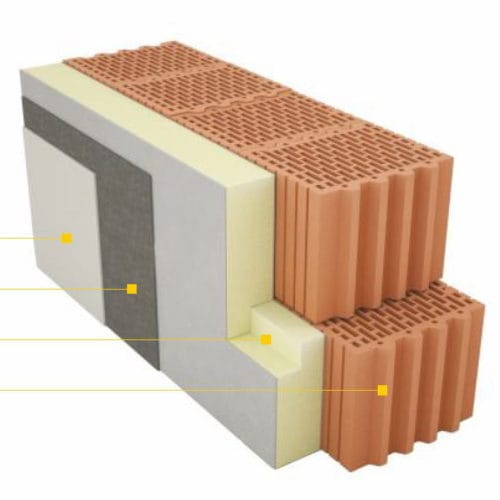
termPIR® AL GK insulated plasterboard combines a PIR core with plasterboard. An adhesive layer bonds the plasterboard to the aluminium-faced insulation board.
Insulated plasterboard with 60 mm PIR core – termPIR AL GK, 72.5 mm overall
Original price was: 21,05 €.20,79 €Current price is: 20,79 €. incl. VATLowest recorded price since 10.11.2026: 20,79 € incl. VATPrice monitoring: 30 days. No price history from before the reduction is available.
In stock
In stock
Description
PIR insulated plasterboard for internal insulation
Where changes to the façade are restricted, thermal improvements can be made from inside. PIR insulated plasterboard combines an insulating core with a plasterboard face ready for finishing. A compact build-up is valuable here because every centimetre saved remains part of the room.
1 More usable space in the renovated room
Because PIR conducts little heat, the required thermal resistance can often be reached with a thinner layer than with conventional insulation. This matters in a small room, stairwell or loft. A bonded lining lets you plan the full depth of the assembly as one element. A suitable composite system can be more compact than a separate frame, infill and lining. It helps at narrow passages, recesses, furniture placed close to the wall and fixed services. Regular boards also help keep adjacent surfaces level.
2 Insulation with a face for finishing
Factory bonding gives the boards a consistent build-up. Once joints have been treated, the face can be prepared for paint or another specified finish. The installer fits the lining and insulation together. When renovating one room, this simplifies deliveries and reduces the range of materials that need storing. Suitable loft assemblies can combine below-rafter insulation with an even ceiling lining.
3 Improving comfort while keeping the façade
Internal insulation can raise the room-side surface temperature and reduce the sensation of cold near an outside wall. This is useful at a desk by the wall or when converting a previously unheated loft. Decorative render, exposed brickwork or protected external details can remain in place. Assess moisture conditions because insulating from inside changes wall temperatures. Check that the board and complete lining are suitable for the room’s humidity, particularly in wet areas.
SteelProfil carries PIR insulated plasterboard and first- and second-grade insulation, including materials available from stock. We help choose a thickness that suits the room. Current offers can help you balance cost, thermal comfort and usable floor space.
Related products

What our customers say